Top Mushroom Cultivation Techniques: A Technical Efficiency Comparison
Monotub, Bucket Tek, or PF Tek? A side-by-side comparison using Biological Efficiency and yield per square foot to find the best method for your space.
Contents
In 1650, Louis XIV’s gardener Jean de La Quintinie discovered mushrooms thriving in the manure-rich tunnels beneath Paris. Those underground caves became the birthplace of systematic mushroom cultivation techniques – and three centuries later, I still catch myself borrowing from the same core principle: control the environment, and the fungus does the rest. The Champignon de Paris operation proved that yield was not luck. It was engineering.
Today, choosing a cultivation technique (“Tek”) is a calculation of spatial efficiency, labor ROI, and biological potential. To maximize your Biological Efficiency (BE) – the ratio of fresh mushrooms to dry substrate – you must match the specific morphology of your fungal species to the physics of the fruiting chamber. Forget beginner kits with a single spray bottle. If you treat the grow room as a production line, you need to think in three dimensions: yield per square foot, CO2 management, and automation potential.
The Metrics of Success: Understanding BE and ROI
Before selecting a method, you must understand how professional mycologists measure performance.
- Biological Efficiency (BE): Calculated as
(Fresh Mushroom Weight / Dry Substrate Weight) * 100. A “good” grow hits 75-100% BE. Advanced techniques can push this to 150% over multiple flushes. - Yield per Square Foot: In urban environments, space is the most expensive input. Techniques like Vertical Bucket Tek allow you to stack production, reaching yields of up to 10 lbs per ft² of floor space—nearly 5x higher than traditional flat beds.
- Labor ROI: The amount of time spent preparing substrate, harvesting, and cleaning per pound of finished product.
1. The Monotub Masterclass (Horizontal Bulk)
The Monotub is the undisputed king of indoor bulk cultivation for species that require high CO2 stability and horizontal surface area, such as Lion’s Mane and King Oysters.
The Engineering Rationale
A monotub creates a self-contained micro-climate using passive convection.
- Yield Potential: 80% – 120% BE.
- Space Efficiency: Low (occupies floor/shelf space without vertical stacking).
- Technically Superior for: Species that fruit from the top surface and require managed surface evaporation to trigger pinning.
The Monotub Masterclass — A deep-dive into hole placement, airflow physics, and the liner-tension principle.
Advanced Monotub Automation Gear
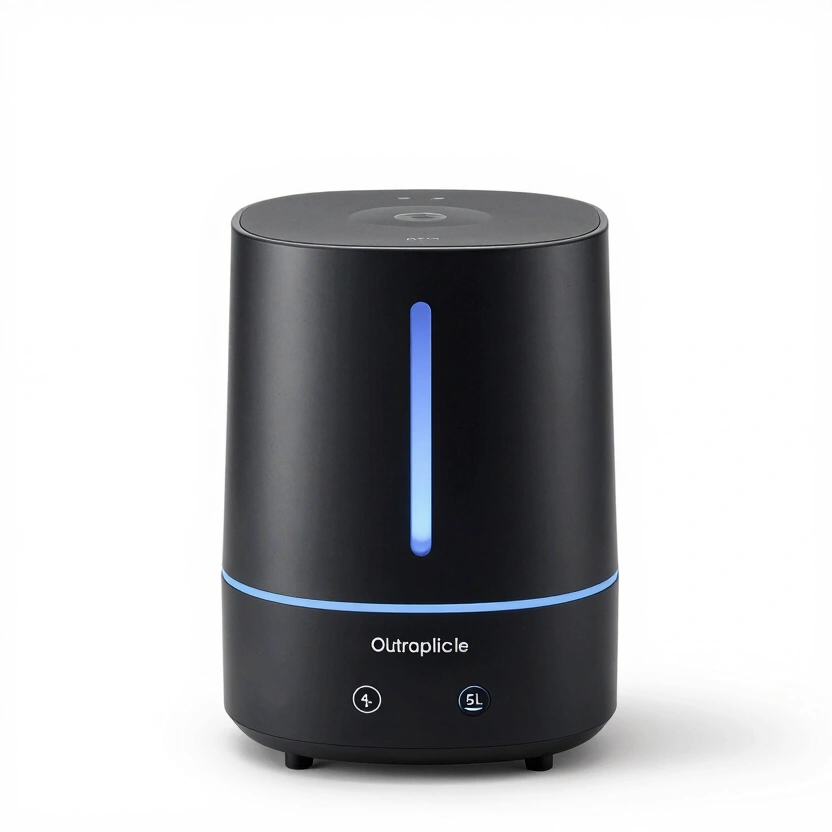
Spider Farmer Smart Ultrasonic Humidifier (5L)
Automatic humidifier with built-in hygrometer for precise fruiting chamber control.
Check Price on Amazon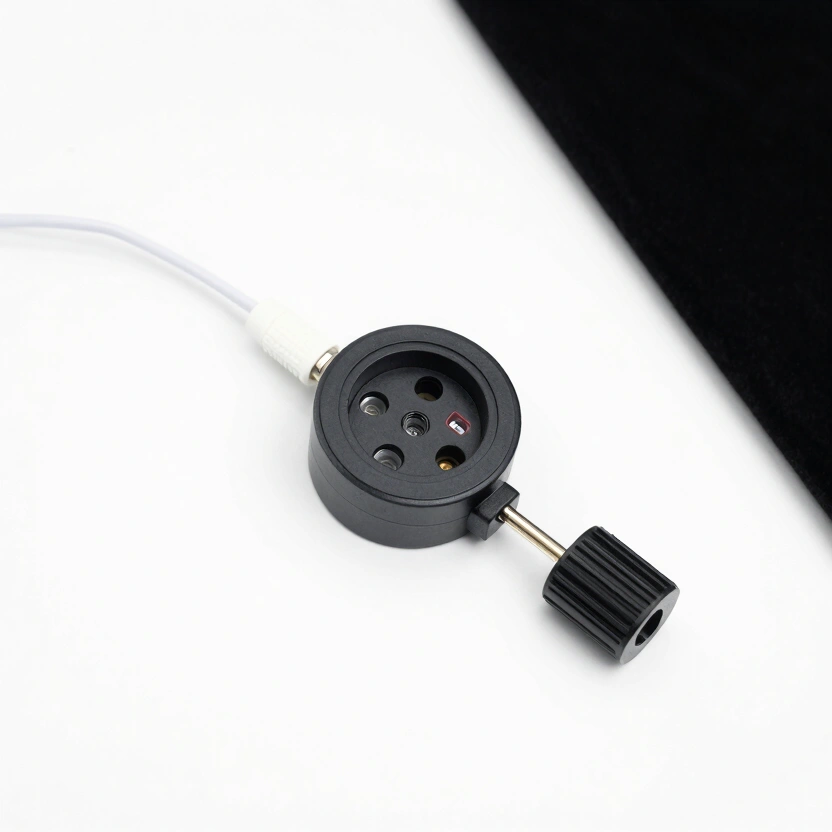
KETOTEK Digital Humidity Regulator Socket
Plug-and-play hygrostat sensor for automated humidity management.
Check Price on Amazon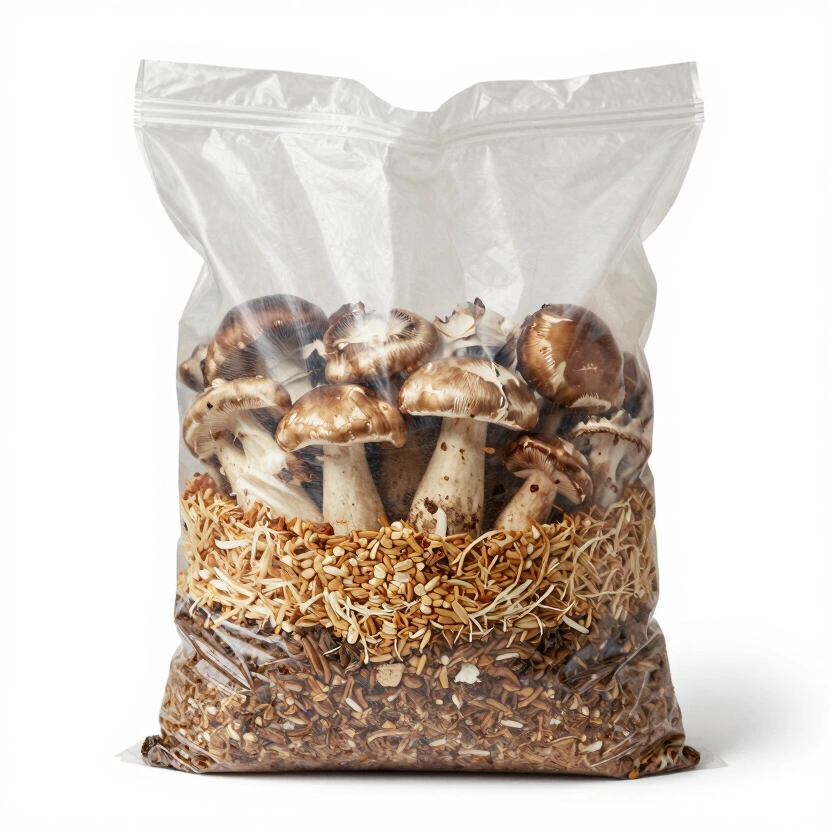
Superior Dung-Loving Mushroom Substrate & Milo Grain 6lb All-in-One Bag
Pre-sterilized all-in-one grow bag with coir, vermiculite, and gypsum formula.
Check Price on Amazon* Affiliate links. Prices last updated March 6, 2026.
2. Vertical Bucket Tek (Lateral Expansion)
If your primary goal is the mass production of Oyster Mushrooms (Pleurotus), the Monotub is an inefficient choice. You need the Vertical Bucket Tek.
The Vertical Advantage
Oyster mushrooms are lateral fruiters—they want to “punch out” from the side of a log. By using 5-gallon food-grade buckets with 1/4-inch holes, you mimic this natural behavior.
- Yield Potential: 60% – 100% BE.
- Space Efficiency: Elite. Buckets can be stacked 3–4 high, effectively quadrupling your production per square foot of floor space.
- Substrate Hack: Buckets are perfect for Cold Water Lime Pasteurization, which eliminates the need for expensive steam sterilization, dramatically increasing your energy ROI.
Contrary to what most forum guides suggest, I have gotten better colonization rates from buckets than from monotubs in my own basement – and I spent two years assuming that was impossible.
3. PF Tek: The Historical Learning Engine
Developed in the 1990s, the PF Tek (Psylocybe Fanaticus Technique) remains the most robust learning tool for understanding fungal morphology, though it is the least efficient for commercial-grade yields.
The Mechanism
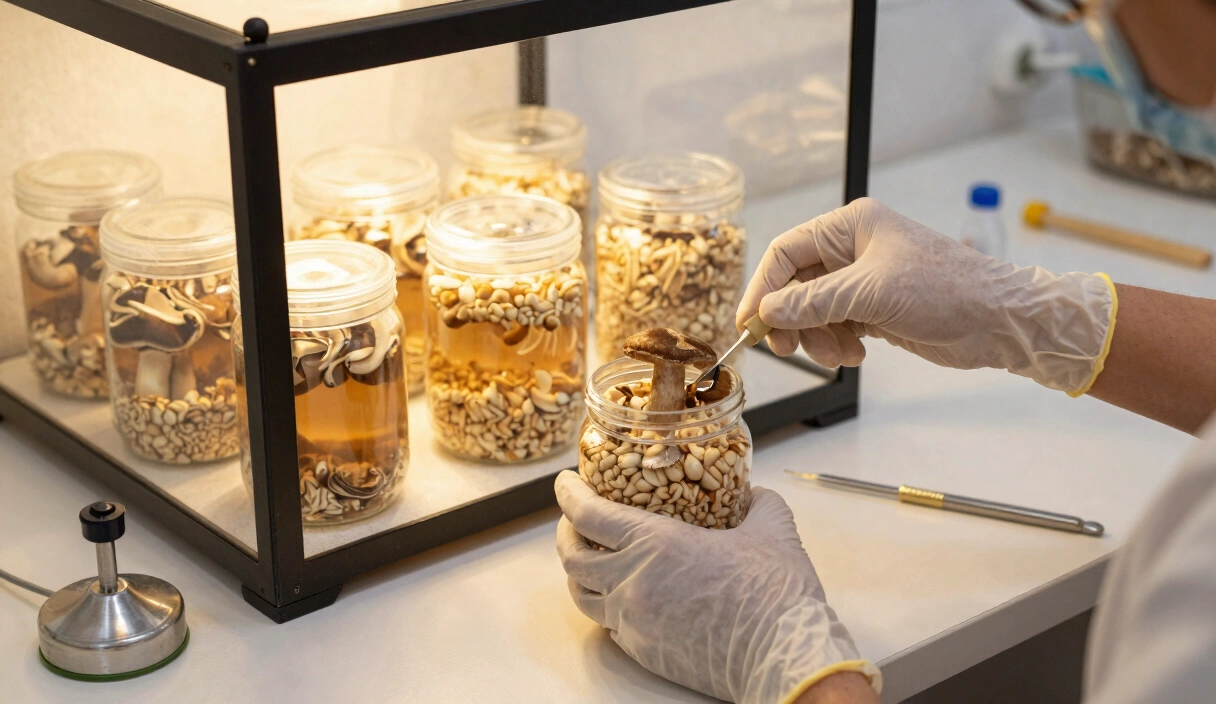
It utilizes small jars filled with a mix of brown rice flour (BRF) and vermiculite. These “cakes” are birthed into a Shotgun Fruiting Chamber (SGFC).
- Yield Potential: 50% – 70% BE.
- Labor ROI: Poor. The time required to prepare 24 jars is significantly higher than the time required to prepare one 66-quart monotub.
- The Technical Role: Use the PF Tek to learn how to identify Rhizomorphic growth and manage humidity without the financial risk of a large bulk grow.
Contrary to the “skip PF Tek” crowd: if you have never watched mycelial expansion consume a BRF cake through glass over 14 days, you are missing the single best intuition-builder this hobby offers.
4. The Automation Leap: Martha Tents vs. Tubs
Once you move beyond a single tub, you face the “Martha” decision. A Martha Tent is a vertical greenhouse (often converted from a cheap zipper-closet) equipped with active humidifiers and FAE fans.
Cost-Benefit Analysis
| Feature | Automated Monotub | Martha Grow Tent |
|---|---|---|
| Initial Cost | $40 - $60 | $150 - $300 |
| Space Use | Horizontal | Vertical |
| Contamination Risk | Low (Self-contained) | High (Cross-contamination) |
| Best For | Consistency / Set-and-Forget | Mass Volume / Multiple Species |
Technical Insight: In a Martha Tent, a single mold outbreak in one bucket can contaminate 20 others through the recirculating air. In a Monotub system, the contamination is isolated to one bin. For technical homesteaders, Modular Monotubs often offer a better safety-to-yield ratio.
Contrary to the “go big fast” advice on Reddit – I lost an entire Martha shelf to a single Trichoderma bloom in 2023, and the frustration of scrubbing 8 contaminated buckets in one night taught me more about sterile technique than any guide ever did.
Whether you stack buckets for 10 lbs per square foot of Oysters or run a 66-quart monotub at 120% BE, the substrate recipe underneath determines everything. Dial in the chemistry with the Ultimate Mushroom Substrate Guide.
Frequently Asked Questions
What mushroom growing method works best in a small apartment?
Stack buckets. The Vertical Bucket Tek produces 10-20 lbs of fresh Oyster mushrooms per month in a 2x2-foot corner – but you will need an active humidifier or a Martha Tent to keep the fruiting ports from drying out.
Can Lion’s Mane grow in a bucket?
Lion’s Mane develops its cascading teeth best on a single large fruiting surface. In a bucket, the mushrooms compress against the plastic and come out small. A Monotub or side-fruiting sawdust bag gives you the pom-pom morphology you actually want. Buckets are for lateral fruiters like Oysters, not top-fruiters like Hericium erinaceus.
Is PF Tek still worth doing?
For yield, absolutely not. For learning, absolutely yes. The vermiculite acts as a biological buffer, the small jars sterilize in a kitchen pot, and the colonization rate is visible through glass – you watch rhizomorphic growth happen in real time before risking money on a 66-quart bulk run.
How do you calculate Biological Efficiency?
Weigh your substrate dry, before hydration. Weigh every harvested mushroom across all flushes (typically 3). Divide fresh mushroom weight by dry substrate weight, multiply by 100.
Why does Fresh Air Exchange matter so much in bulk grows?
Mushrooms exhale CO2. Above 1,000 ppm, you get long skinny stems and tiny undeveloped caps – the fruiting parameters collapse because the organism cannot get enough oxygen to drive cap expansion. FAE removes that stagnant CO2 layer, which in a monotub sits right on the substrate surface because CO2 is 1.5x denser than air.
Related Articles
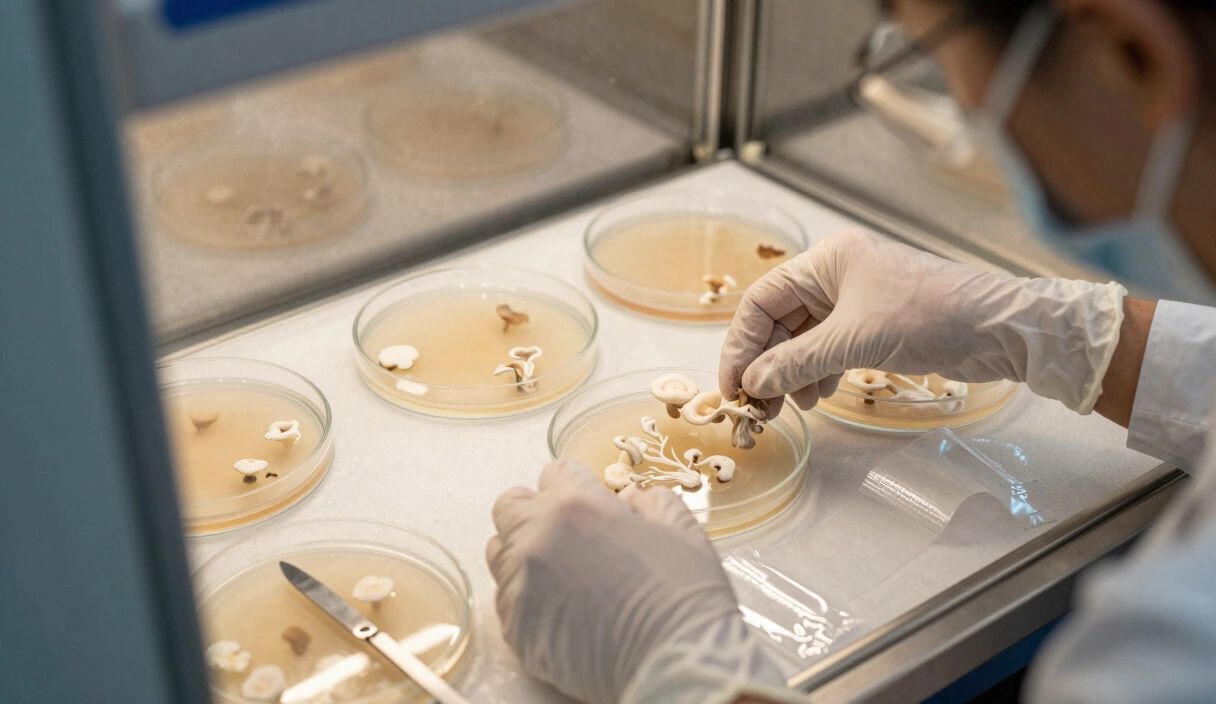
Mushroom Agar Work: The Complete Guide to Isolating, Storing, and Expanding Cultures
Master the "black belt" of mycology. From Fanny Hesse’s kitchen discovery to advanced genetic sectoring, we explore the physics, chemistry, and real-world hacks of agar work.
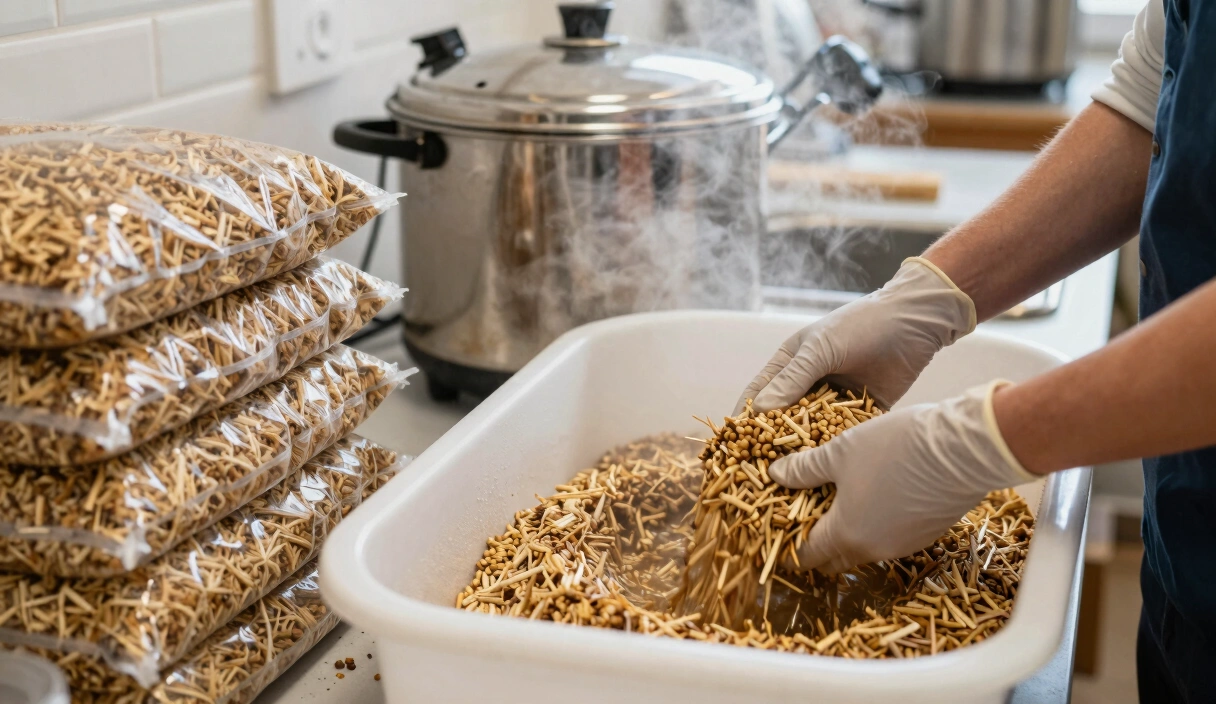
The Ultimate Mushroom Substrate Guide: Engineering High-Yield Growth Media
Not all substrates work for all species. C:N ratios, pH buffering, moisture content, and specific recipes matched to the mushrooms you're actually growing.
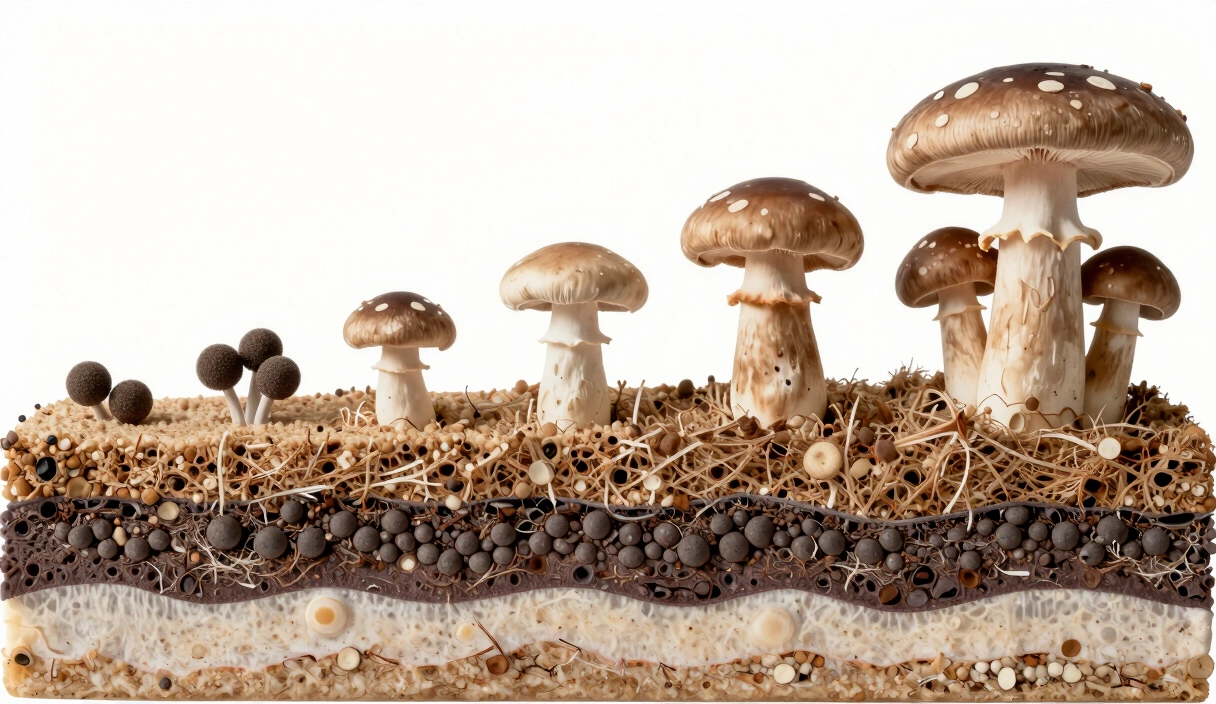
The Biology of Fungi: From Spore to Biological Efficiency
From spore germination to fruiting body — the complete biology of how mushrooms grow. Enzymatic lignin breakdown, BE calculations, and fruiting triggers.