
Lions Mane for Brain Health: The Mycelium vs. Fruiting Body Debate
Most people buying Lions Mane for their brain are throwing away the actual medicine. We explore why erinacines in the mycelium are the real keys to neurogenesis.
Contents
Most people buying Lion’s Mane for their brain are throwing away the actual medicine. They focus on the “pom-pom”—the beautiful white fruiting body—while ignoring the thin, wispy network of roots beneath it. In the world of high-performance mycology, this is a multi-million dollar misunderstanding. While the fruiting bodies of Hericium erinaceus contain Hericenones, it is the mycelium that harbors the far more potent Erinacines. These molecules are small enough to pass the blood-brain barrier with surgical precision, triggering the synthesis of Nerve Growth Factor (NGF) at rates that dwarf the visible mushroom.
If you are supplementing for cognitive repair or biohacking your memory, you are playing a game of molecular weights. Success is not determined by the aesthetic quality of the mushroom, but by your understanding of the Erinacine A threshold and the cellular signals that force the brain to re-wire itself.
The Neurogenic Mechanism: NGF, BDNF, and Myelin
The human brain is not a static machine; it is a plastic landscape constantly rebuilding its own highways. Lion’s Mane acts as the foreman of this construction site through two primary biological pathways.
1. Nerve Growth Factor (NGF) Stimulation
NGF is a neuropeptide responsible for the survival, development, and function of neurons.
- The Problem: NGF molecules are too large to cross the blood-brain barrier from the bloodstream.
- The Fungal Solution: Erinacines (specifically Erinacine A) are low-molecular-weight compounds that can cross the barrier. Once inside, they signal your own brain to increase its internal NGF production. This isn’t just about “boosting” memory; it is about providing the chemical signal for the birth of new neurons (Neurogenesis).
2. The Myelin Shield
Beyond neurogenesis, Hericium compounds have been shown to accelerate the production of Myelin—the fatty insulation that surrounds your nerve fibers.
- Technical Rationale: Think of your nerves as copper wires. Myelin is the rubber coating. Without it, the signal leaks and slows down. This is the biological reality behind “Brain Fog.” By increasing myelination, Lion’s Mane effectively “repairs the insulation” of your nervous system, leading to faster signal transduction and clearer cognition.
Field Notes: The “Memory Replay” Phenomenon
The most fascinating evidence for the efficacy of high-potency Lion’s Mane doesn’t come from a lab, but from the deep-forum biohacker community.
The Anecdote: In communities like r/Nootropics, users frequently report a phenomenon known as “Memory Replay.” After 3–4 weeks of consistent high-dose mycelial extract, individuals describe long-lost childhood memories returning with high-definition visual clarity—scents, sounds, and faces that had been buried for decades. This isn’t a hallucination; it is a visual marker of Synaptogenesis. The brain is literally re-connecting to old data paths that were previously pruned or dormant.
Maker Hack: Because commercial supplements often contain 50% grain starch (the rice the mycelium grew on), technical growers are moving toward Liquid Culture (LC) extraction. By growing Hericium in a liquid broth, you can harvest pure mycelium with zero grain fillers. Our Liquid Culture Masterclass covers the exact sugar-peptone ratios required to maximize Erinacine A yields in your home lab.
Tools for High-Potency Extraction
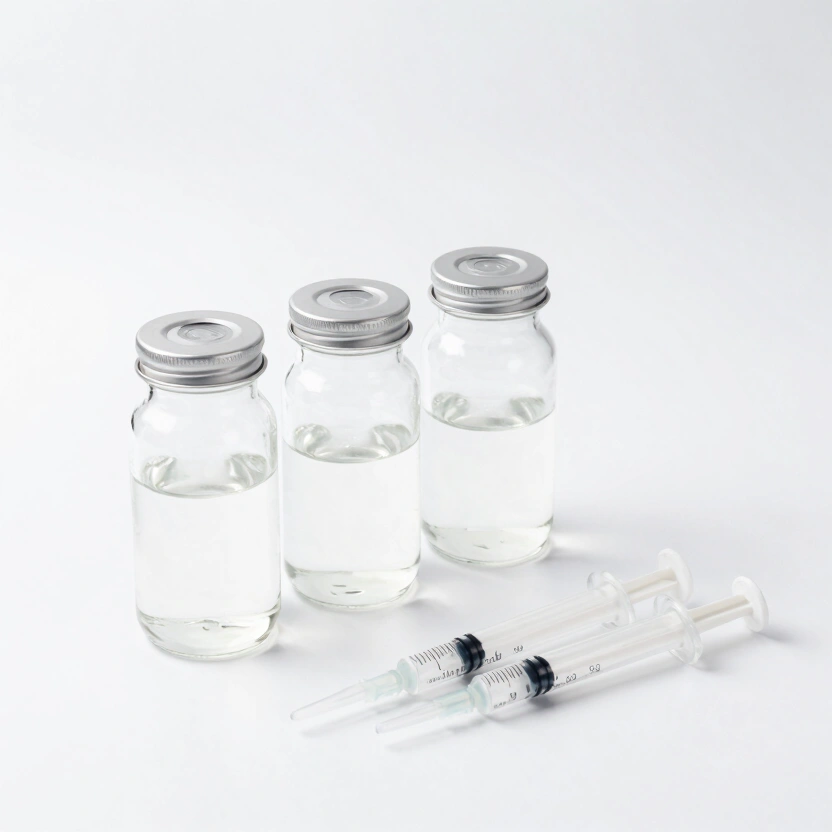
Lion's Mane Mushroom Liquid Culture Making Kit
Professional kit for expanding and storing mushroom liquid cultures.
Check Price on Amazon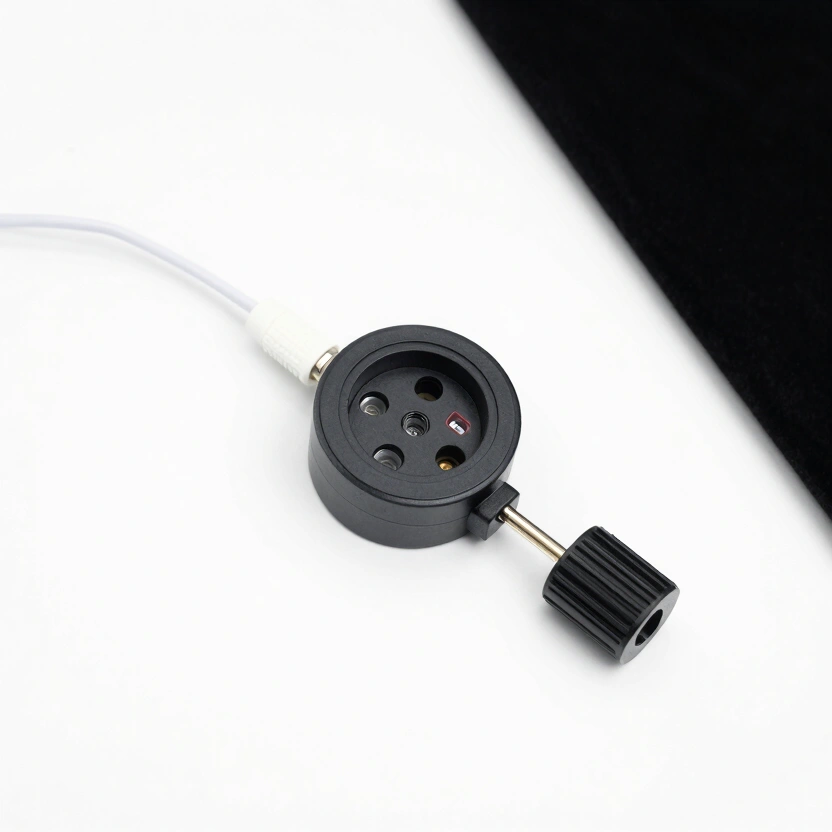
KETOTEK Digital Humidity Regulator Socket
Plug-and-play hygrostat sensor for automated humidity management.
Check Price on Amazon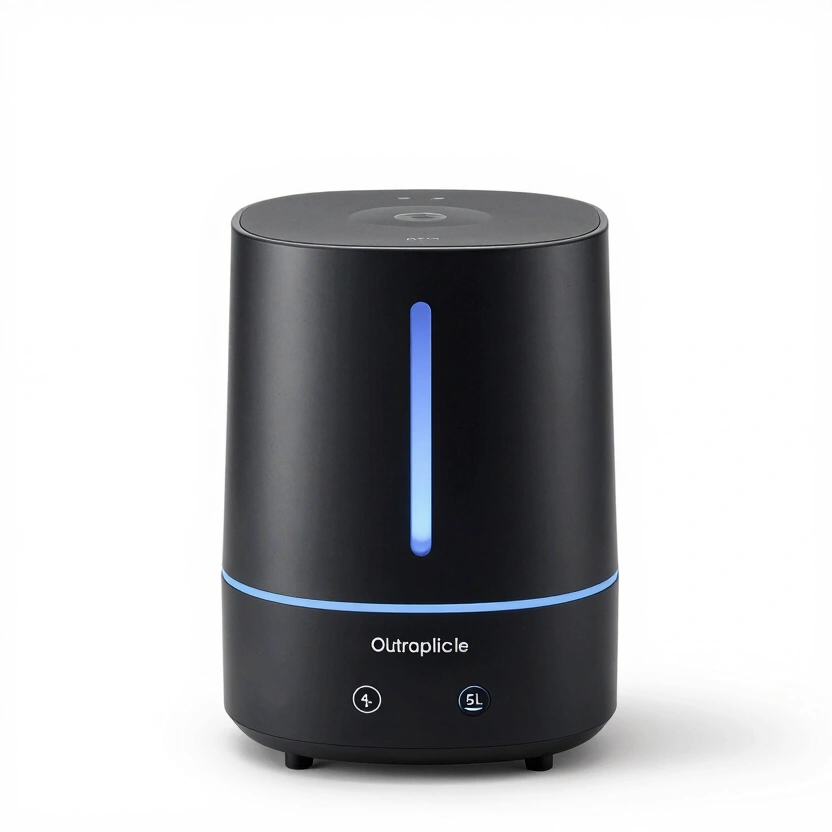
Spider Farmer Smart Ultrasonic Humidifier (5L)
Automatic humidifier with built-in hygrometer for precise fruiting chamber control.
Check Price on Amazon* Affiliate links. Prices last updated March 6, 2026.
The Dark Side: Managing the “Crash”
While the benefits are profound, the technical homesteader must manage the risks of high-intensity nootropics. A growing subset of users (documented in the “Lions Mane Recovery” community) reports a neurologically induced “crash” characterized by Anhedonie (the inability to feel pleasure).
The 5-Alpha-Reductase Theory
The leading technical hypothesis is that Lion’s Mane may act as a potent inhibitor of the enzyme 5-alpha-reductase.
- The Chemistry: This enzyme converts testosterone into Dihydrotestosterone (DHT).
- The Impact: In sensitive individuals, a sharp drop in DHT can trigger depressive symptoms and a loss of libido.
- Technical Protocol (Cycling): To prevent receptor down-regulation and hormonal imbalances, we recommend the 5-on / 2-off cycle. Take your extract for five days during your deep-work period, and cease all intake for two days. This prevents the biological system from “compensating” for the fungal compounds.
Sourcing Truth: The “Dual-Labeling” Standard
In 2026, the global market has moved toward Technical Transparency. If a supplement bottle only says “500mg Lions Mane,” it is functionally worthless.
The Quality Gate Checklist:
- Dual Extraction: Must state “Hot Water & Alcohol Extraction.” Beta-glucans need water; Hericenones and Erinacines need ethanol.
- Beta-Glucan Count: Look for > 25% $\beta$-glucans.
- Alpha-Glucan Count: Must be < 5%. If the alpha-glucan count is high, you are paying for rice starch, not medicine.
- Mycelium Inclusion: For brain health, ensure the product specifically mentions “Mycelial Extract” or “Erinacines.”
The science of Lion’s Mane starts with the substrate. If you are ready to stop buying and start engineering your own high-potency crops, our Lion’s Mane Cultivation Guide covers the 800 ppm CO2 ceiling and the Masters Mix ratios required for medical-grade results.
Frequently Asked Questions
How long does it take to feel the effects of Lion’s Mane?
Unlike caffeine or Adderall, Lion’s Mane is not an acute stimulant. It is a biological structural-modifier. Clinical studies typically show significant cognitive improvements after 4 to 8 weeks of daily use. You are waiting for the brain to physically build new myelin and connections; this process cannot be rushed.
Can I just eat the mushroom fresh for brain health?
Fresh Lion’s Mane is delicious and contains Hericenones, but it lacks the concentrated Erinacines found in the mycelium. Furthermore, the chitinous cell walls of the fresh mushroom prevent most people from absorbing the compounds effectively. For brain health, a concentrated extract is technically superior to a culinary meal.
Is Lion’s Mane safe for children or the elderly?
Studies in Japan have shown significant benefits for elderly patients with mild cognitive impairment. However, regarding children, there is a lack of long-term clinical data. Because Lion’s Mane influences Nerve Growth Factor and potentially DHT levels, we recommend consulting a physician before providing it to individuals with developing nervous systems.
Does cooking destroy the medicinal benefits?
Beta-glucans are heat-stable and actually require some heat to become bioavailable (breaking the chitin). However, volatile triterpenes can be degraded by excessive temperatures (above 160°F). If cooking, follow our Dry-Sauté Protocol to reach the Maillard threshold quickly without boiling the medicinal compounds away in excess water.
What is the best dose for memory improvement?
The standard clinical dose used in successful trials is 1,000mg to 3,000mg of dried fruiting body powder per day, or 400mg to 600mg of a concentrated 10:1 extract. Always check the concentration ratio; a smaller dose of a high-quality dual-extract is far more effective than a large dose of raw powder.
Related Articles
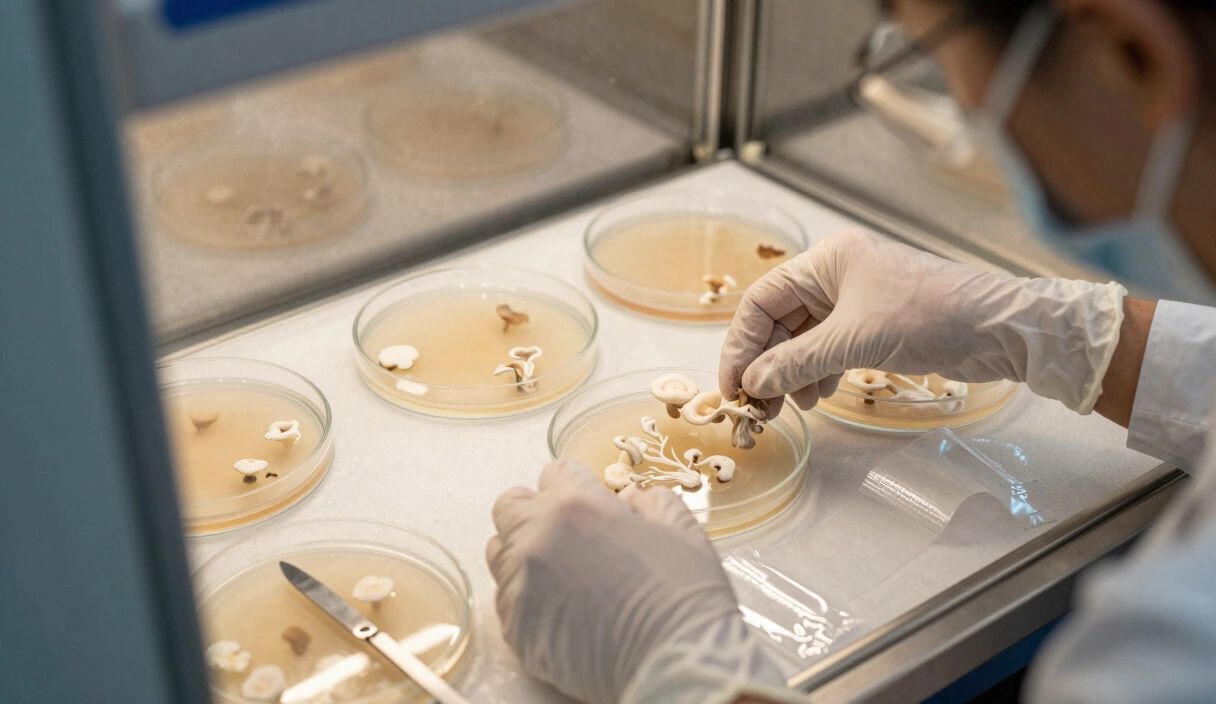
Mushroom Agar Work: The Complete Guide to Isolating, Storing, and Expanding Cultures
Master the "black belt" of mycology. From Fanny Hesse’s kitchen discovery to advanced genetic sectoring, we explore the physics, chemistry, and real-world hacks of agar work.
The Ultimate Mushroom Substrate Guide: Engineering High-Yield Growth Media
Not all substrates work for all species. C:N ratios, pH buffering, moisture content, and specific recipes matched to the mushrooms you're actually growing.