Liquid Culture Masterclass: Engineering High-Speed Fungal Inoculants
How to make, store, and expand mushroom liquid cultures. Covers peptone ratios, sugar clarity, and why a $22 stir plate beats a $60 one.
Contents
A single 500ml jar of liquid culture contains enough active mycelium to inoculate 50 to 100 grain jars. That ratio is not a typo. One jar, prepared correctly, replaces weeks of spore germination and agar transfers. It is the reason small-scale growers who switch from spore syringes to LC report a 300% reduction in their inoculation-to-colonization window.
But here is what the ratio does not tell you: mushroom liquid culture is also the fastest way to scale a contamination problem across your entire operation. A single bacterium in that jar multiplies into billions within 48 hours, and because you are injecting 10ml of that broth into every grain jar, one bad LC wipes out your whole batch. Clarity is your only diagnostic tool. You are balancing the nutritional requirements of the fungus against the physical requirement for a transparent medium, managing the sugar-to-nitrogen ratio, mitigating caramelization during sterilization, and using mechanical shearing to maximize mycelial surface area. This guide covers the chemistry and hardware behind a broth that actually performs.
The Chemistry of the Broth: Sugars and Nitrogen
The goal of a liquid culture medium is to provide an easily accessible energy source that encourages rapid biomass expansion without triggering the production of dense, woody hyphae.
1. The Carbon Source: Karo vs. LME
- Karo (Light Corn Syrup/Dextrose): The primary energy source. Dextrose is a simple sugar that mycelium can absorb with minimal enzymatic effort. More importantly, Karo creates a Kristallklare (crystal clear) solution, making it easy to spot the fine wisps of early bacterial contamination.
- Light Malt Extract (LME): Contains complex carbohydrates and trace minerals. While nutritive, too much LME creates a cloudy “amber” broth that hides contaminants.
- The Golden Ratio: For 500ml of distilled water, the MycoTechnic standard is 12g of Karo and only 0.5g of LME. This provides the minerals of malt with the clarity of dextrose.
2. The Peptone Revolution
Nitrogen is the limiting factor in mycelial expansion. While standard sugar-water recipes keep mycelium alive, adding Peptone (hydrolyzed protein) acts as a high-octane additive.
- The Rationale: Peptone provides pre-assembled amino acids. By adding 0.25g of Bacteriological Peptone to your 500ml jar, you provide the building blocks for protein synthesis, reducing the “Inoculation Window” by up to 40%.
Do not exceed 0.5g of peptone per 500ml. I made this mistake with a batch of Pink Oyster LC in March 2024 and the excess nitrogen triggered aggressive bacterial growth that looked identical to healthy mycelium for the first 72 hours. I inoculated 20 jars of rye before I caught it. All 20 went to wet spot.
Hardware Engineering: The Sterile Bioreactor
A professional LC jar is more than just a mason jar; it is a specialized pressure vessel designed for clean entry and exit.
1. SHIPs and Air Filters
- Self-Healing Injection Ports (SHIPs): Made of high-temperature silicone, these allow you to insert a needle without exposing the internal volume to room air.
- 0.2 Micron PTFE Filters: Mycelium breathes. A high-quality hydrophobic filter allows for gas exchange (releasing CO2 and taking in O2) while blocking 99.99% of airborne contaminants.
2. The Physics of Magnetic Stirring
Mycelium in liquid naturally grows into a single, dense “cloud” or ball. This is inefficient for inoculation.
- Mechanical Shearing: By using a Magnetic Stir Bar and a stir plate for 5 minutes a day, you physically shear the mycelium into thousands of microscopic fragments.
- Why it Matters: When you draw 10ml of LC into a syringe, you want it to be packed with these tiny “seeds.” This ensures that when you inoculate grain, you create hundreds of individual colonization points, leading to a massive “Leap-off” effect.
Stop buying $60 “mycology stir plates” from niche vendors. A $22 INTLLAB magnetic stirrer off Amazon does the same job. The magnets do not care whether the label says “laboratory” or “mushroom.”
Liquid Culture & Lab Essentials
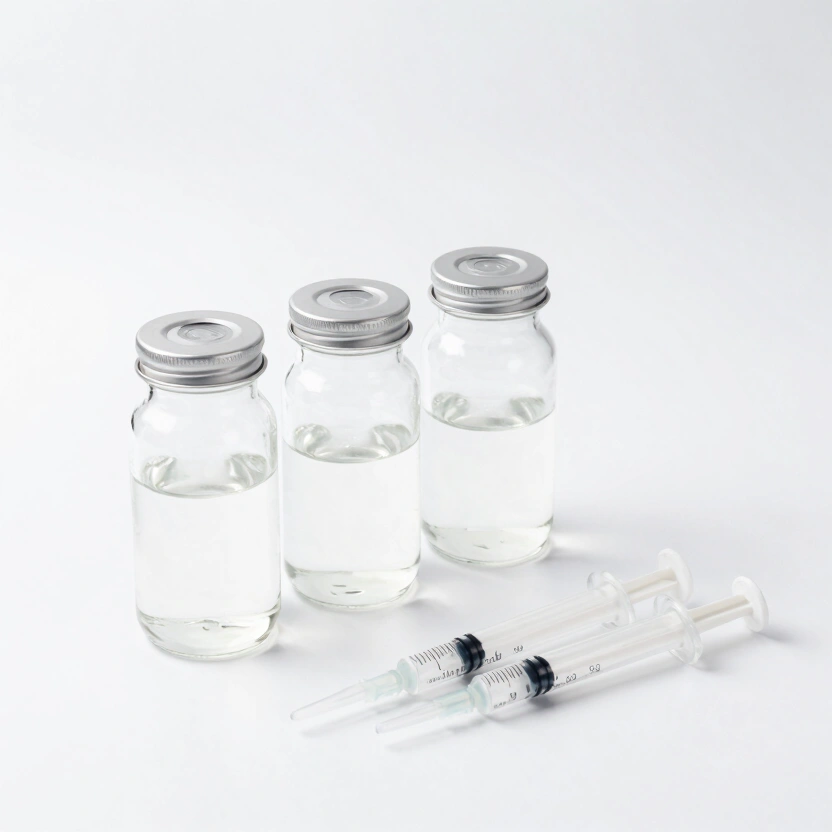
Lion's Mane Mushroom Liquid Culture Making Kit
Professional kit for expanding and storing mushroom liquid cultures.
Check Price on Amazon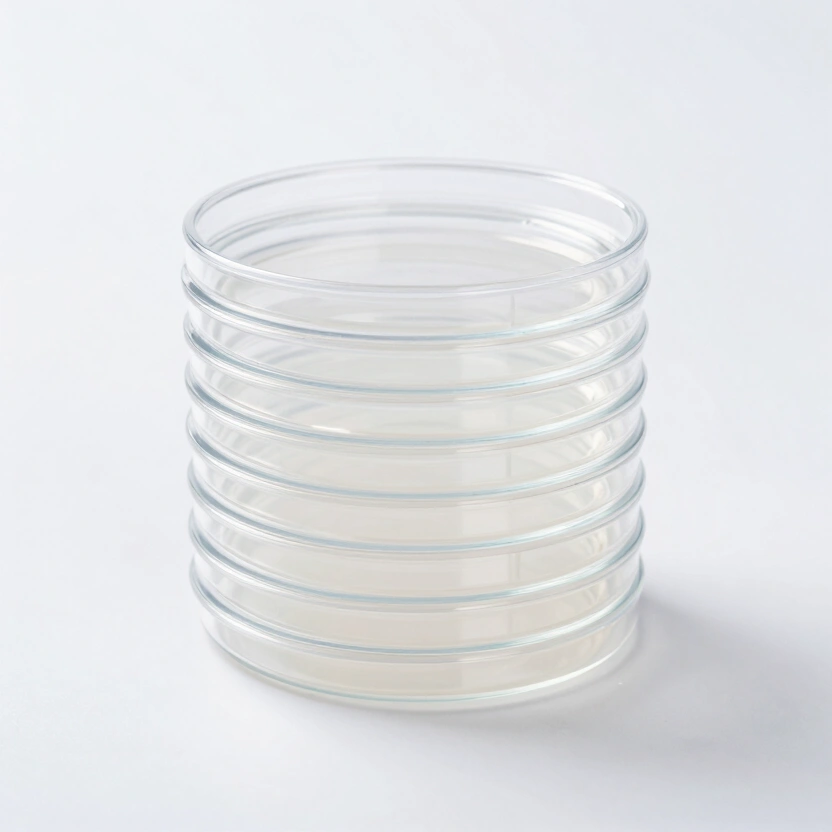
Mushroom Agar According to Kimmig (Pack of 20)
Pre-poured sterile agar plates optimized for fungal mycelium growth.
Check Price on Amazon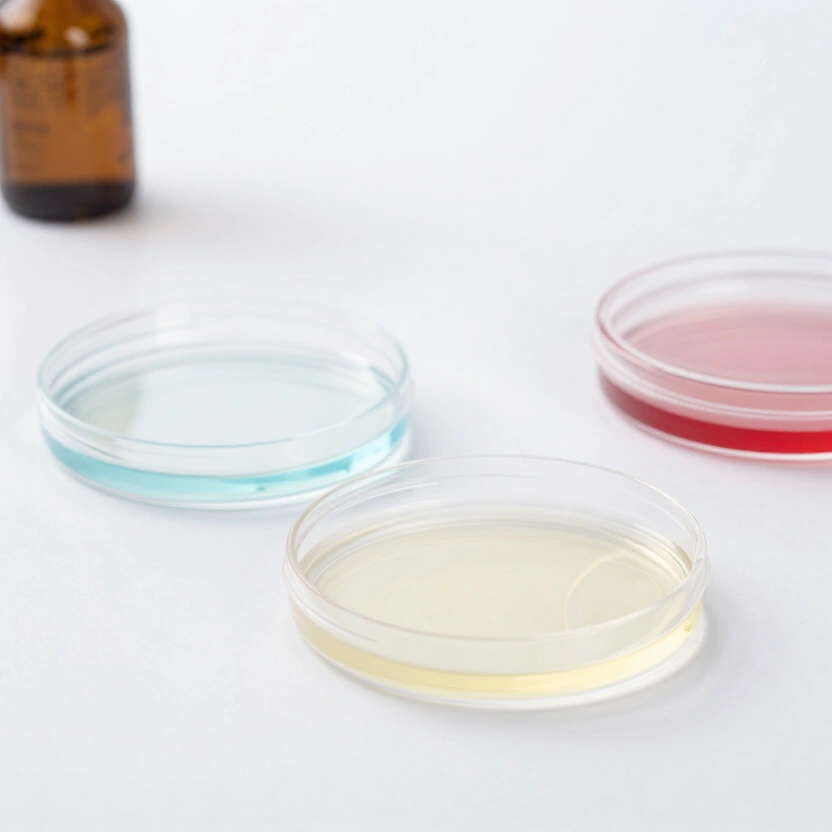
Sabouraud 2% Glucose Agar Plates (Pack of 20)
Sterile nutrient media plates for advanced microbiological cultures.
Check Price on Amazon* Affiliate links. Prices last updated March 6, 2026.
Sterilization Precision: Avoiding the Maillard Trap
Just like Agar, liquid culture broth is highly sensitive to heat. Over-sterilizing sugar water triggers the Maillard Reaction, where sugars and amino acids bond and caramelize.
- The Toxicity Risk: Caramelized sugar is not just less nutritious; it can actually be inhibitory to certain fungal species.
- The Technical Protocol: Sterilize your 500ml LC jars at 15 PSI (121°C) for exactly 15 to 20 minutes.
- Natural Release: Never use the “Quick Release” valve. The rapid pressure drop will cause the boiling broth to surge up through your air filters, ruining the sterility of the jar.
Never skip the natural depressurization. A quick-release on a loaded Presto cooker can blow broth through your PTFE filters in under 3 seconds, and you will not know the jar is compromised until a week later when the entire batch is green.
Inoculation Protocol: From Agar to Broth
The most sterile way to start an LC is to use a clean biopsy from an isolated Agar Plate.
- The Biopsy: Inside your Still Air Box (SAB), cut a small 5mm x 5mm square of rhizomorphic mycelium.
- The Transfer: Quickly open the LC jar and drop the wedge into the liquid.
- The Incubation: Store the jar at 72°F (22°C) in total darkness. Stir for 5 minutes every 24 hours.
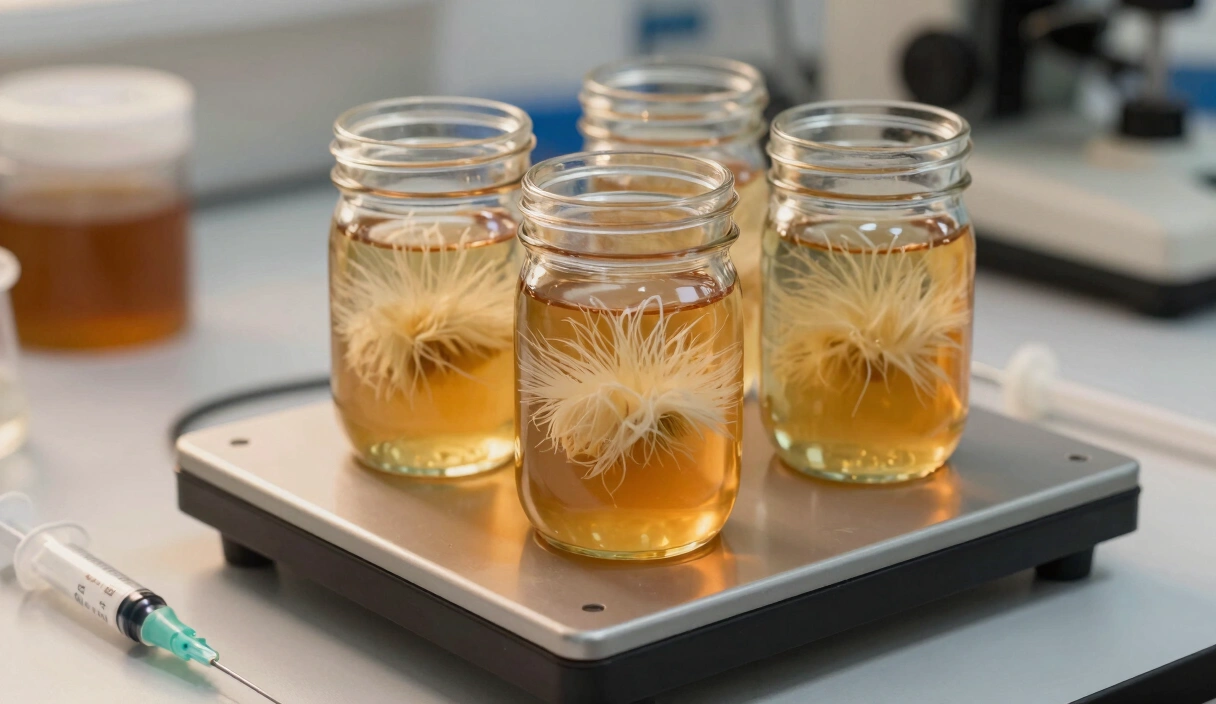
- Verification: A healthy LC will look like clear water with white, jellyfish-like clouds. If the water is cloudy, yellow, or has a film on top, it is contaminated and must be discarded.
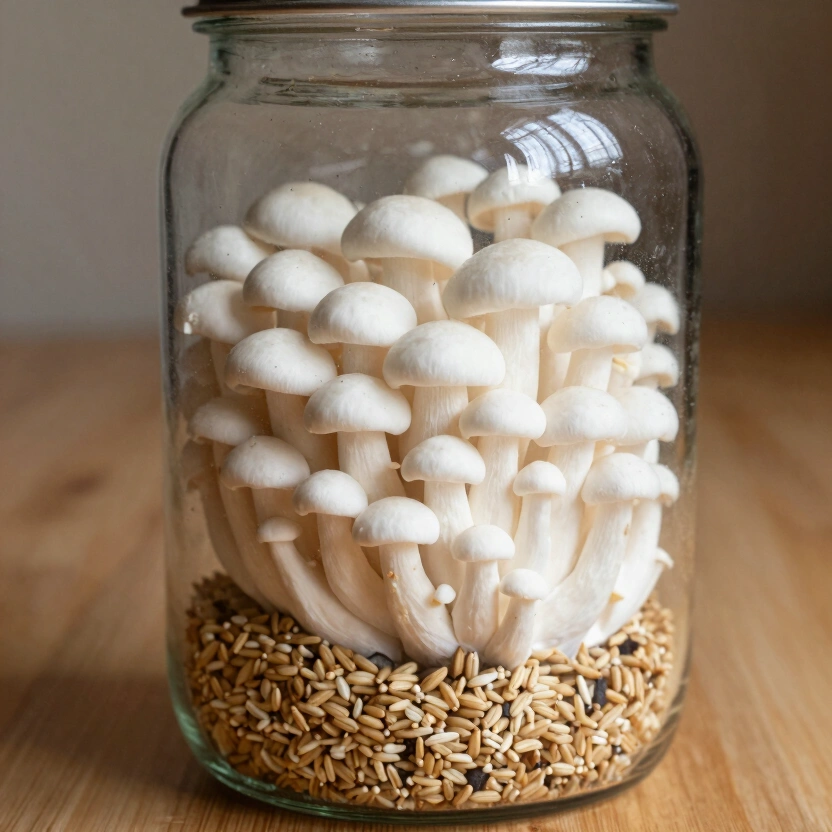
If your LC jars look like clear water with white jellyfish clouds after 10 days, the broth is clean and the genetics are expanding. Your next bottleneck is the grain itself, so dial in your substrate sterilization and moisture content before you start filling syringes.
Frequently Asked Questions
Is honey a good substitute for Karo syrup in liquid culture?
Honey contains antimicrobial compounds that can inhibit young mycelium, varies in sugar concentration between batches, and turns the broth cloudy. That cloudiness eliminates your ability to perform a visual sterility check. Stick to corn syrup or pharmaceutical-grade dextrose for consistent results.
How long can a liquid culture jar stay viable in the fridge?
Refrigerated at 38 degrees F, a clean LC jar remains viable for 6 to 12 months. At room temperature, the mycelium exhausts available nutrients or drowns in its own metabolic waste within 2 to 3 months. Before using any jar that has been stored longer than 8 weeks, do a test transfer back to an agar plate to confirm viability.
Why did my liquid culture jar crack in the pressure cooker?
Thermal shock from quick-releasing the pressure valve. The rapid pressure differential causes glass to fail. Always let the cooker depressurize naturally until the gauge reads zero.
What does contaminated liquid culture look like?
Bacterial contamination shows as cloudy or milky turbidity in what should be crystal-clear water. Mold contamination appears as floating islands or a surface film. Any growth that is not submerged and jellyfish-like means the jar is lost, and you should not inoculate grain from it under any circumstances.
LC inoculation vs grain-to-grain transfer: which is better for scaling up?
LC wins for volume. One jar inoculates 50 grain jars in a single session. G2G is faster per individual jar since the mycelium is already adapted to grain, but it does not scale cleanly because every open-lid transfer introduces contamination risk.
Related Articles
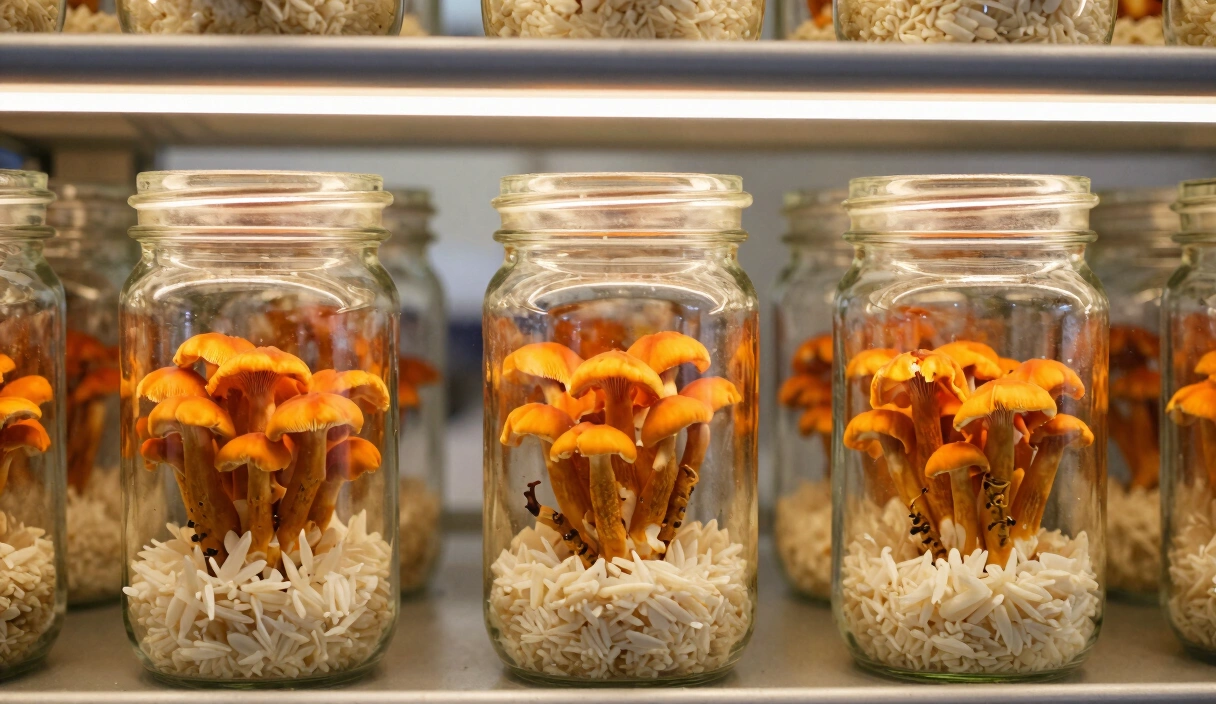
Cordyceps Militaris: The Laboratory Guide to High-Yield Vegan Cultivation
Growing Cordyceps militaris on rice substrate under 450nm LEDs. No insects required — just sterile technique, patience, and a humidity controller.
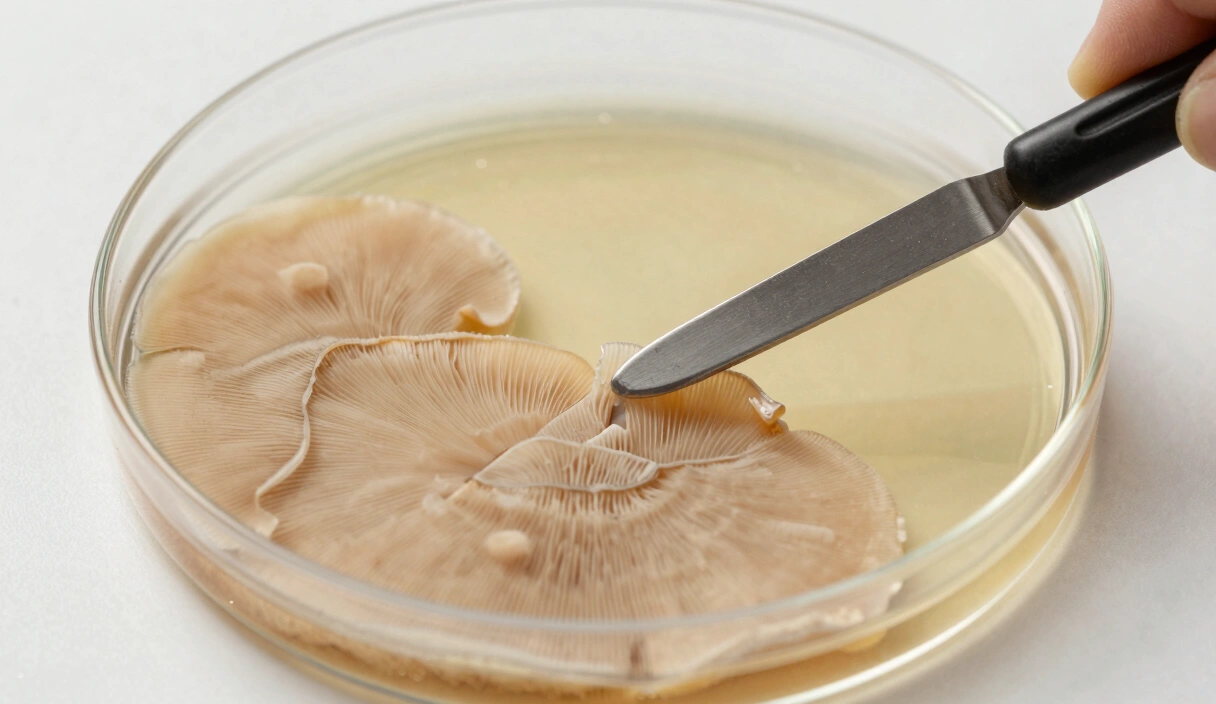
Strain Isolation and Sectoring: Mastering Mycelial Purity and Longevity
How to isolate fast-growing mushroom genetics on agar through sectoring. Includes transfer protocols and signs of mycelial senescence.
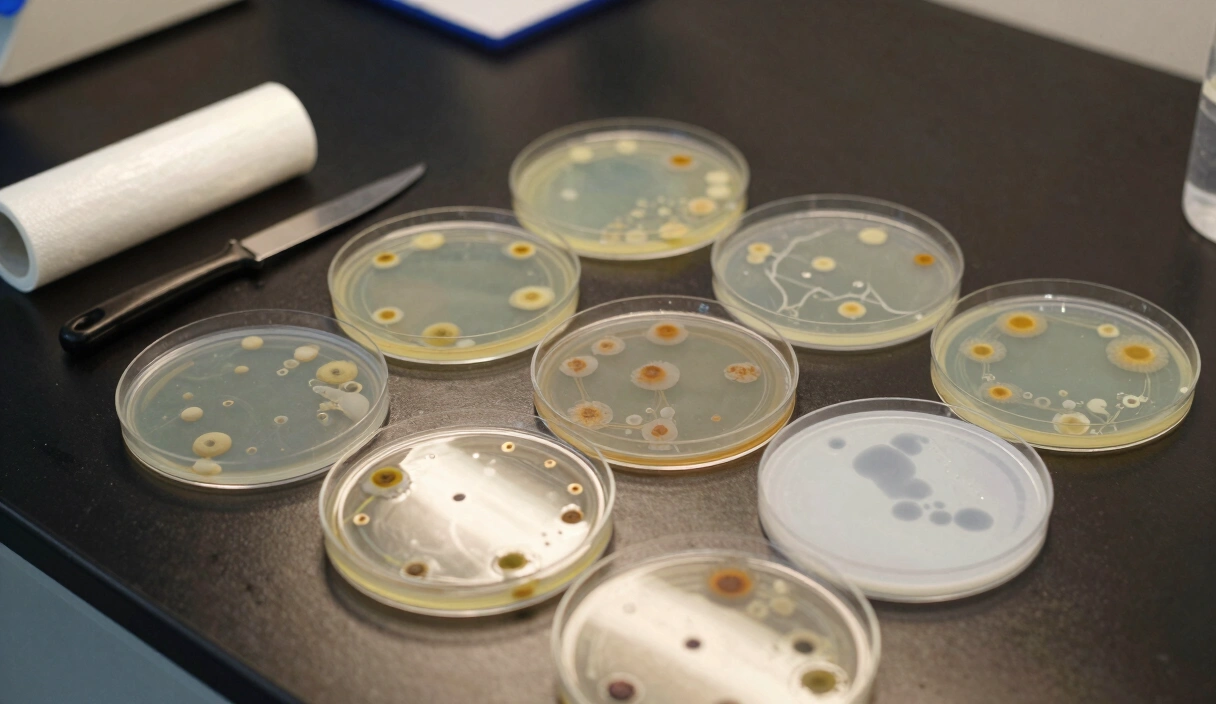
MEA vs. PDA: The Professional Laboratory Guide to Mushroom Agar Recipes
MEA, PDA, and antibiotic agar — five tested recipes with exact measurements for isolating clean mushroom cultures on plates.