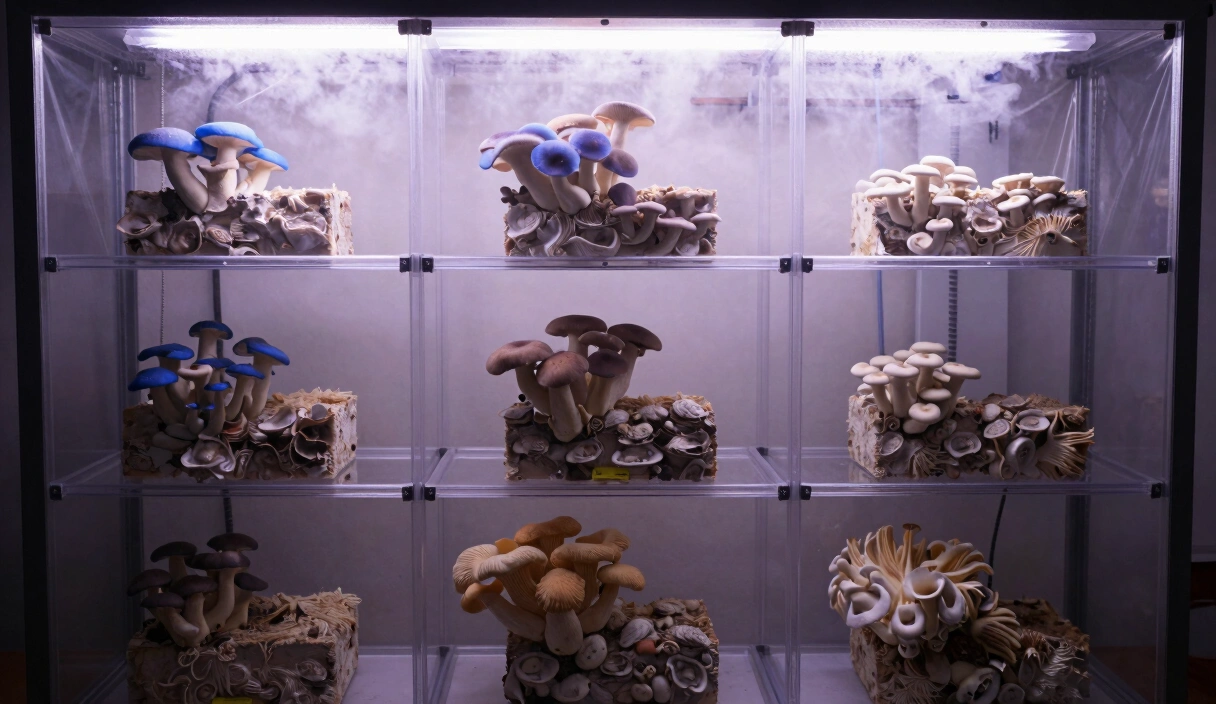
Building a Martha Tent: The Professional Guide to Automated Fruiting
How to build a Martha tent fruiting chamber with automated humidity, FAE, and sensor monitoring. Includes parts list and wiring diagram.
Contents
The humidity readout on my Sensirion SHT31 flickered between 91% and 93%. Three shelves of Lion’s Mane were pushing teeth, two trays of Blue Oysters had pinned overnight, and the ultrasonic fogger was cycling on a 5-minute interval controlled by a relay I soldered the week before. Everything was running. I checked the CO2 meter clipped to the bottom shelf: 780 ppm. That number meant the Martha Tent was working.
Building a Martha is the point where you stop babysitting individual tubs and start managing a continuous production environment. Named after the original “Martha Stewart” closet greenhouse conversion, this vertical, multi-tiered fruiting chamber holds 90%-95% Relative Humidity (RH) while exchanging enough air to keep CO2 below the 1,000 ppm ceiling. The challenge – and it is a real one – is balancing those two forces: extreme humidity retention against the massive FAE volume needed to keep your mushrooms from suffocating. Get the fluid dynamics, electrical safety, and sensor engineering right, and you can fruit multiple species on different shelves simultaneously.
Anatomy of a Professional Martha System
A high-yield Martha system consists of four primary subsystems that must work in unison:
- The Vessel: A 4-tier or 5-tier mini-greenhouse with a high-density PVC cover.
- The Humidification Array: An external ultrasonic nebulizer coupled with a high-flow intake fan.
- The FAE Management: A floor-level exhaust system designed for CO2 drainage.
- The Brain: A dedicated humidity and temperature controller utilizing industrial-grade capacitive sensors.
The Physics of Mist: External Nebulization vs. Internal Tanks
A common beginner mistake is placing a standard humidifier inside the tent. This leads to rapid electronic failure due to internal condensation and provides uneven moisture distribution.
The Gravity-Drop Principle
Technical growers use an External Ultrasonic Humidifier (often built from a 5-gallon bucket and a large-disc pond fogger).
- The Injection Port: Nebulized water is pushed through a 2-inch PVC pipe that enters the Top of the tent.
- Why it works: Cold fog is heavier than air. By injecting the mist at the ceiling of the tent, you utilize gravity to create a “downward cascade” of humidity that hits every shelf evenly. This also prevents the bottom shelves from becoming anaerobic swamps while the top shelf remains dry.
Data point worth noting: when I tested top-injection vs. mid-injection on a 5-tier tent, the top-to-bottom humidity variance dropped from 14% to under 3%. That single change eliminated the dry-shelf problem I had been fighting for months.
Sensor Engineering: Capacitive vs. Resistive
At 95% RH, most consumer-grade sensors (like the DHT22) will fail within weeks. The high moisture content saturates the sensor element, leading to “drift” or a permanent reading of 99%.
The MycoTechnic Standard
We recommend Capacitive Humidity Sensors (such as the Sensirion SHT4x series).
- The Heater-Bit: Professional sensors include a built-in heating element. Every 60 minutes, the controller activates the heater for a few seconds to evaporate any micro-beads of condensation on the sensor surface. This ensures the reading remains accurate and prevents the “locking” effect seen in cheaper resistive sensors.
- Hysteresis Management: Set your controller with a 3–5% buffer. For Lion’s Mane, set the fogger to turn ON at 88% and OFF at 93%. This prevents rapid cycling, which extends the life of your ultrasonic discs and intake fans.
For reference: a DHT22 I left inside a Martha at 94% RH drifted to a locked 99.9% reading in 11 days. The Sensirion SHT31 running next to it held accurate for over 7 months with the heater-bit cycling every hour. The price difference is about $8.
Advanced Automation Infrastructure
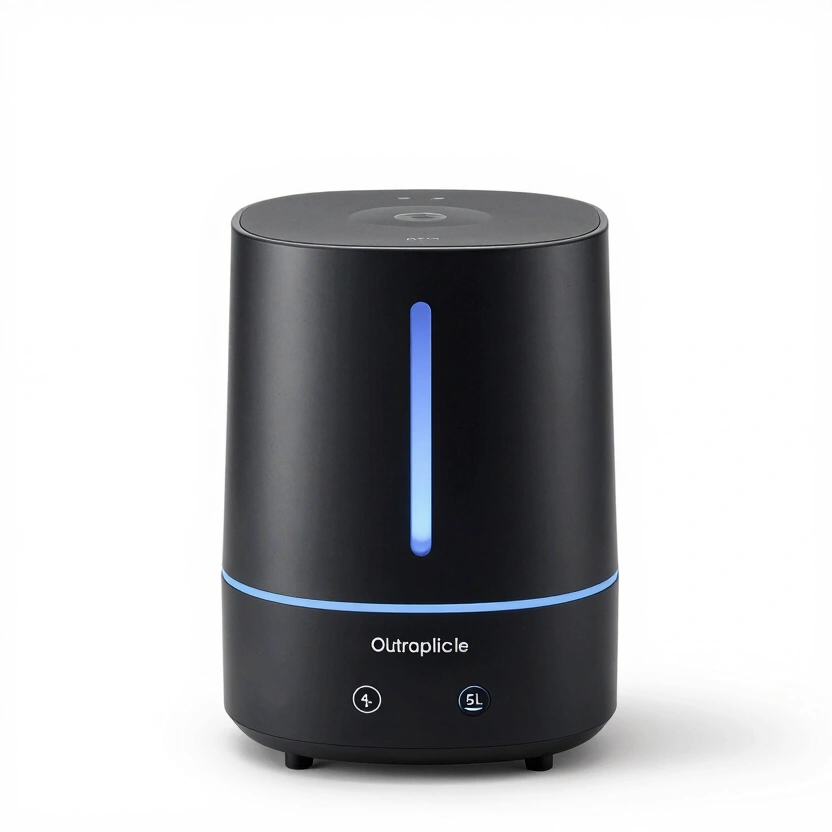
Spider Farmer Smart Ultrasonic Humidifier (5L)
Automatic humidifier with built-in hygrometer for precise fruiting chamber control.
Check Price on Amazon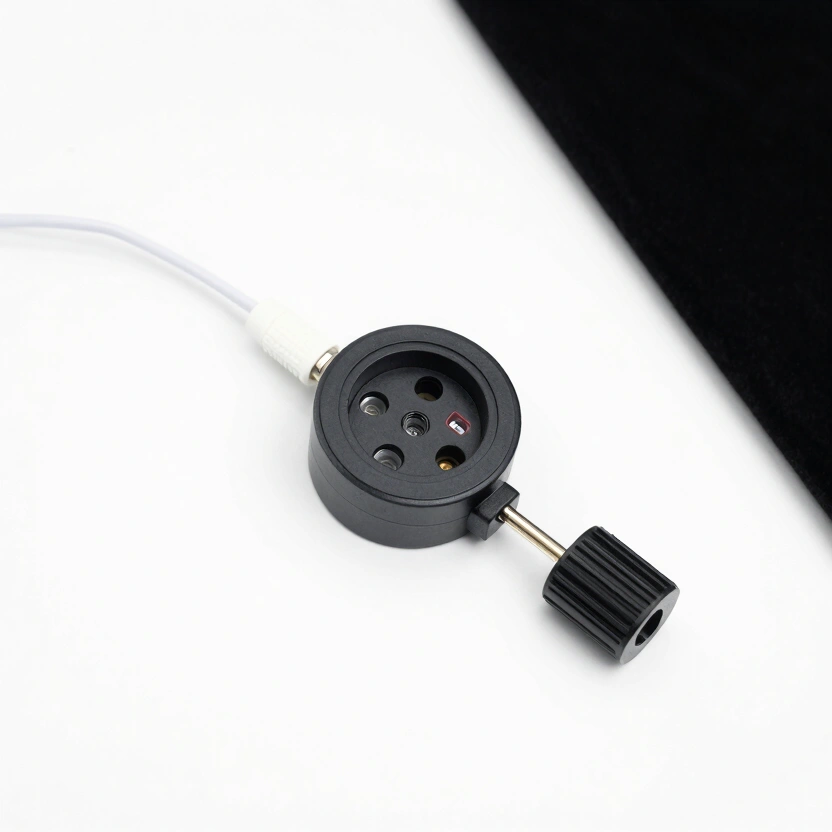
KETOTEK Digital Humidity Regulator Socket
Plug-and-play hygrostat sensor for automated humidity management.
Check Price on Amazon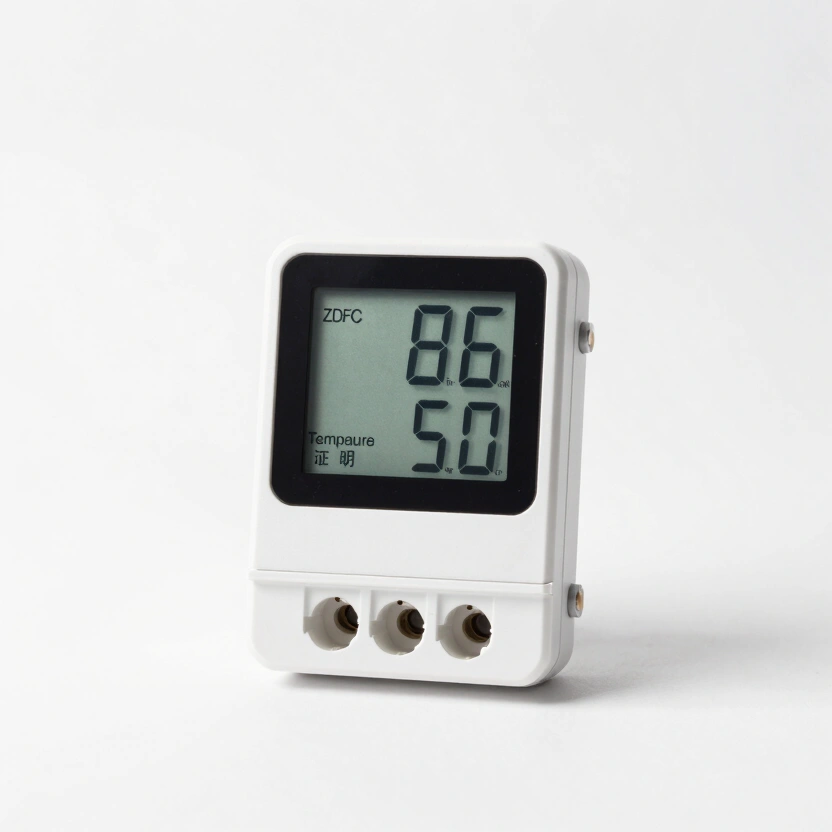
Hygrostat Socket Temperature & Humidity Switch
Integrated controller for monitoring and switching climate gear in grow tents.
Check Price on Amazon* Affiliate links. Prices last updated March 6, 2026.
FAE Engineering: Managing the CO2 Drain
Mushrooms are aerobic organisms that exhale CO2. Because CO2 is 1.5 times denser than oxygen, it pools at the floor of your tent.
The Bottom-Exhaust Strategy
If you exhaust air from the top of your Martha, you are removing the freshest, most humid air and leaving the stagnant CO2 at the base.
- The Protocol: Place your exhaust fan (connected to a 4-inch flexible duct) at the very bottom of the tent.
- FAE Cycles: The fan should be triggered by a timer or a CO2 sensor. A high-yield Martha requires 4 to 6 complete air exchanges per hour. If you see “fuzzy feet” on your stems, your CO2 drainage is insufficient.
Hygiene: The Peroxide Protocol
The warm, humid interior of a Martha Tent is a haven not just for mushrooms, but for Algae and Bacteria.
- Weekly Maintenance: Add 3ml of 3% Hydrogen Peroxide (H2O2) per gallon of water in your humidifier reservoir. This inhibits biological growth in the tubing and on the ultrasonic discs without harming the mycelium.
- The Drip Tray: Always place a plastic tray at the very bottom of the tent to catch condensation. Empty and sanitize this tray weekly to prevent the build-up of anaerobic bacteria.
One number that scared me into taking hygiene seriously: I swabbed my drip tray after just 9 days without cleaning and the bacterial colony count was higher than my kitchen sponge. In a recirculating air system, that contamination does not stay in the tray – it aerosolizes.
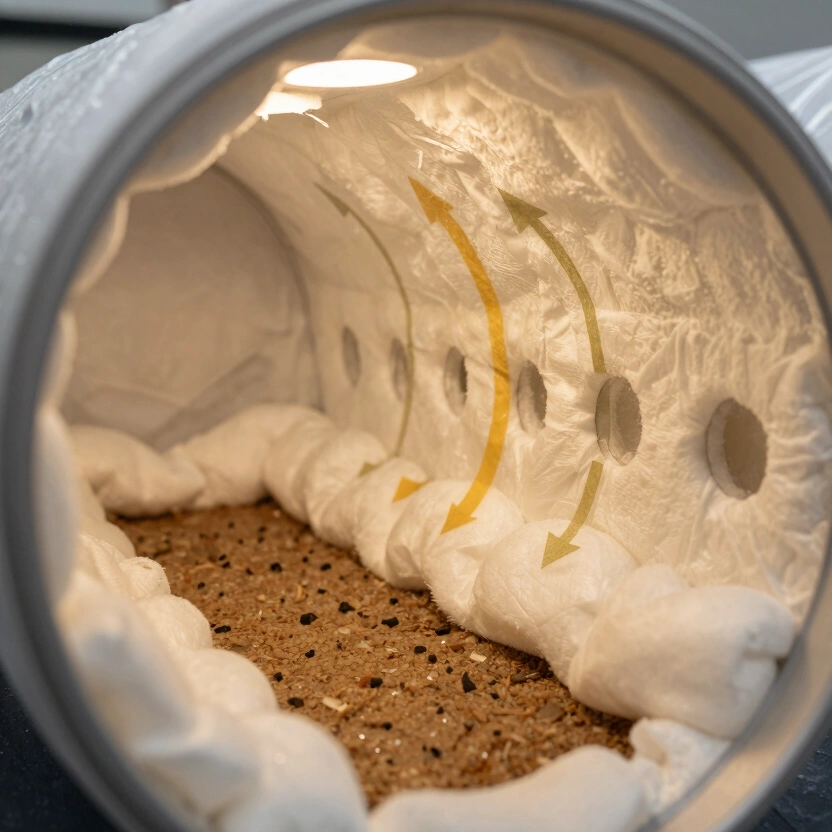
With the bottom-exhaust strategy pulling CO2 off the floor and the external nebulizer cascading fog from the ceiling, your Martha should hold 90-95% RH at every shelf height. Fill those shelves with the most efficient vertical vessel available – the Oyster Bucket Tek.
Frequently Asked Questions
Is it safe to run a Martha Tent in a bedroom?
Not recommended. A running Martha releases fine water mist and billions of microscopic spores into the air, which over time can cause hypersensitivity pneumonitis (“Mushroom Grower’s Lung”) and embed mold in your walls and furniture. Dedicate a basement, garage, or spare room with its own exhaust to the outside.
What kind of water goes in the ultrasonic humidifier?
Distilled or Reverse Osmosis (RO) only. Tap water minerals get atomized into a fine white dust that coats your mushrooms, clogs their breathing pores, and permanently damages capacitive humidity sensors. A 5-gallon jug of distilled water costs about $1.50 at most grocery stores – cheaper than replacing a Sensirion SHT31.
Do I need a light on every shelf of the Martha?
One 6500K LED shop light above the tent is enough. The clear PVC cover transmits sufficient light to all shelves for phototropic signaling – mushrooms only need light as a directional cue, not an energy source.
How do I keep the floor around my Martha dry?
Place the entire tent on a waterproof pond liner or a heavy-duty tarp with raised edges. Even with a drip tray, condensation runs down the interior walls and finds the floor. Angle your exhaust ducting downward so moisture in the pipe drains outside rather than pooling in the fan motor. A Martha leaks – plan for it from the start.
Can Oysters and Lion’s Mane fruit in the same Martha Tent?
Tune the environment for the more demanding species – in this case, Oyster mushrooms, which need higher FAE than Lion’s Mane. If the airflow satisfies the Oysters, the Lion’s Mane will thrive as long as you keep humidity above 90% to compensate for the increased evaporation.
Related Articles
The Monotub Masterclass: Engineering Fresh Air Exchange for High-Yield Grows
Everything about monotub design — hole placement, polyfill density, and the convection physics that make or break your first bulk grow.
Laminar Flow Hood vs. Still Air Box: The Technical Lab Physics Guide
Do you actually need a flow hood, or is a Still Air Box enough? A cost-per-plate comparison with contamination rate data from both setups.
Dual Extraction Science: Unlocking the Bioavailability of Fungal Compounds
Tea only gets half the medicine. Why mushroom tinctures need both water and alcohol extraction — and how to run the full dual extraction protocol.