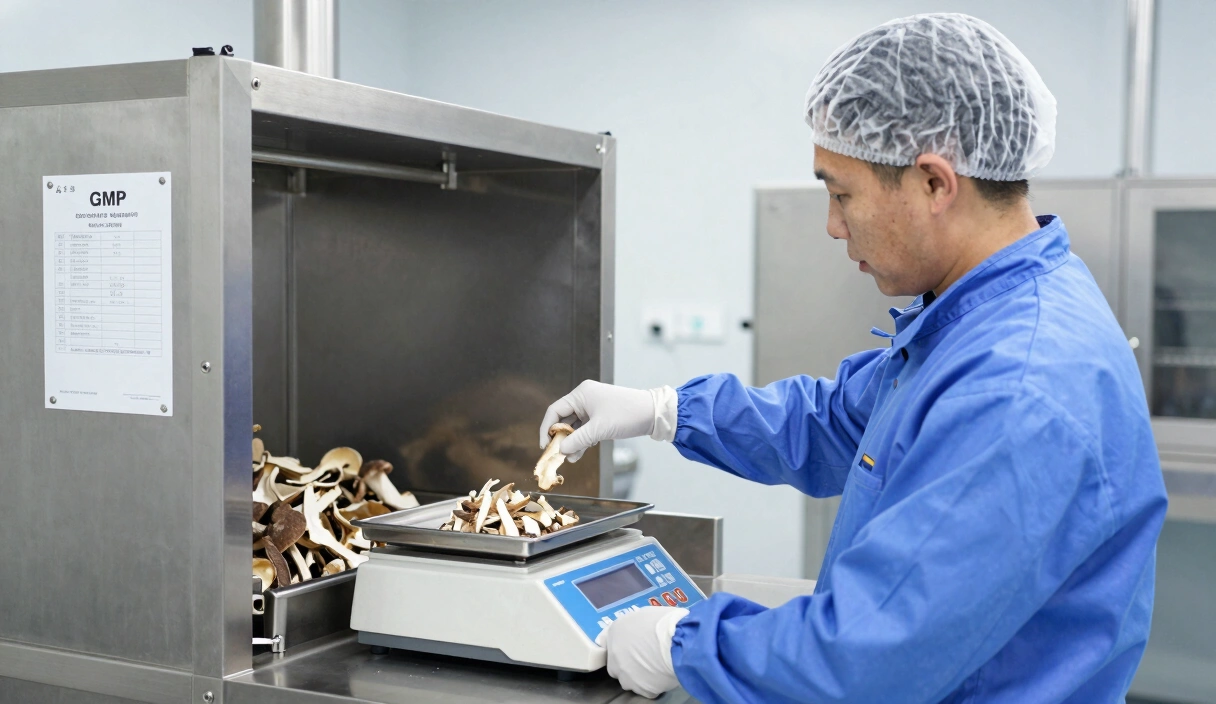
cGMP Standards for Mushroom Manufacturers: Regulatory Engineering and Compliance
What small mushroom supplement producers need to know about cGMP. ISO cleanroom classes, heavy metal limits, and batch record requirements.
Contents
What happens when the FDA inspector shows up at your mushroom supplement facility and asks to see your batch records for lot #2026-0347? Do you hand over a binder with complete traceability from substrate COA to final release testing? Or do you stare at a shelf of unlabeled grain jars and hope the inspector is having a generous day?
That question separates hobbyists from legitimate cGMP manufacturing operations. In 2026, as the mushroom extract market scales toward $80 billion, regulatory bodies like the FDA and EFSA have intensified their oversight of fungal products. Success is no longer measured by the size of your harvest—it is measured by the integrity of your Batch Records and the precision of your cleanroom environmental monitoring.
To achieve industrial-grade reliability and legal market access under cGMP standards, you must engineer your facility to meet ISO 14644-1 specifications and implement rigorous analytical protocols for heavy metal and microbiological screening.
Cleanroom Architecture: ISO 14644 vs. GMP Grades
A professional mushroom manufacturing facility is not a single room; it is a series of pressure-managed zones designed to isolate biological hazards.
1. Zoning and Pressure Gradients
- Inoculation Lab (ISO 7 / Grade B): This is the high-sterility core. It requires 30 to 60 Air Changes per Hour (ACH) and a positive pressure of 15 Pascals relative to the hallway.
- Processing & Encapsulation (ISO 8 / Grade C): Drying, milling, and encapsulation occur here. While less sterile than the lab, it must maintain a constant downward laminar flow to prevent cross-contamination between different species (e.g., preventing Chaga dust from entering Lion’s Mane batches).
- Gowning & Airlocks (D Zone): The transition zone where operators change into lint-free suits. This area acts as a pressure buffer, ensuring the lab core never sees raw outside air. Do not skip the airlock—one door propped open during a busy production day can collapse your entire pressure gradient and invalidate every batch processed that shift.
The Heavy Metal Matrix: Global Safety Thresholds
Fungi are high-efficiency bio-accumulators. They pull minerals—and toxins—from their substrate with near-surgical precision. For a manufacturer, the substrate is your primary risk factor.
1. European Union (VO 2023/915)
The EU provides the world’s strictest legally binding limits. If a batch exceeds these levels, it cannot be sold.
- Lead (Pb): 3.0 mg/kg (Dry extract).
- Cadmium (Cd): 1.0 mg/kg (Dry extract).
- Mercury (Hg): 0.10 mg/kg (Dry extract).
2. USA (FDA and Prop 65)
The FDA relies on “Action Levels,” but the de facto standard for US manufacturers is California Proposition 65, which requires warnings if daily exposure exceeds:
- Lead: 0.5 µg/day.
- Arsenic (Inorganic): 10 µg/day.
Technical Insight: To ensure compliance, manufacturers must perform ICP-MS (Inductively Coupled Plasma Mass Spectrometry) testing on every batch of raw substrate before inoculation, and on the finished extract before release. Never assume your substrate supplier’s COA covers you—test it yourself, every time, because one contaminated pallet of sawdust pellets can poison six weeks of production.
Compliance & Analytical Monitoring Gear
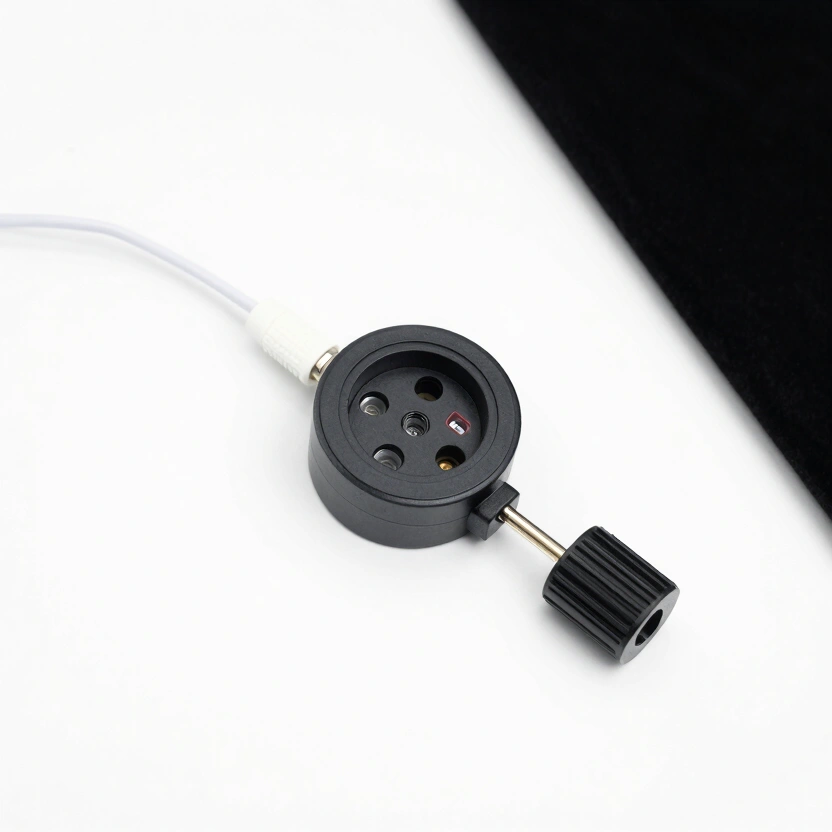
KETOTEK Digital Humidity Regulator Socket
Plug-and-play hygrostat sensor for automated humidity management.
Check Price on Amazon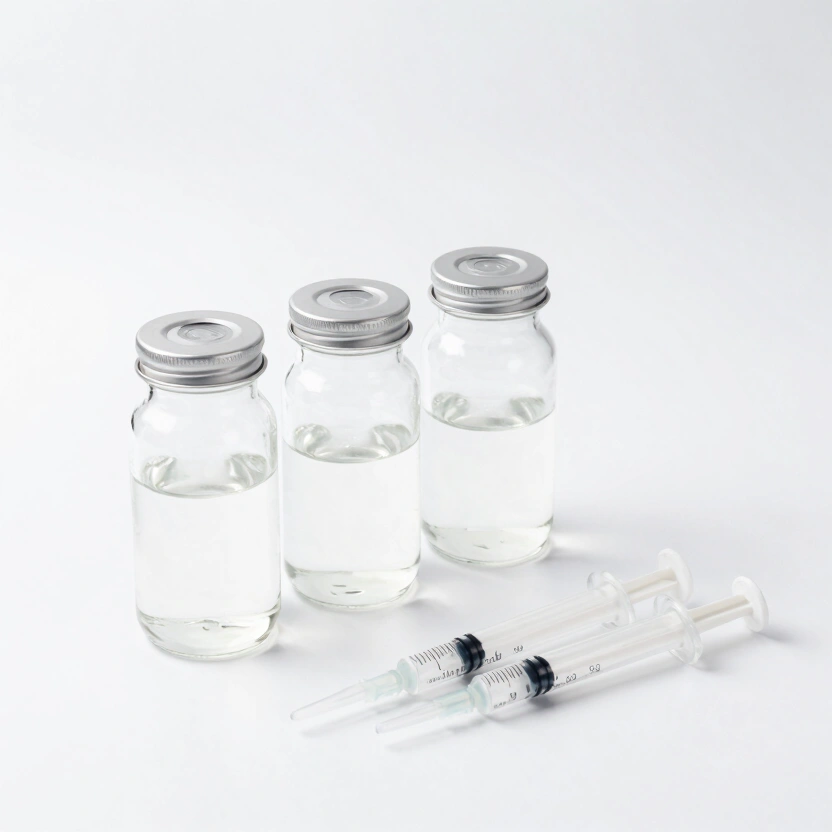
Lion's Mane Mushroom Liquid Culture Making Kit
Professional kit for expanding and storing mushroom liquid cultures.
Check Price on Amazon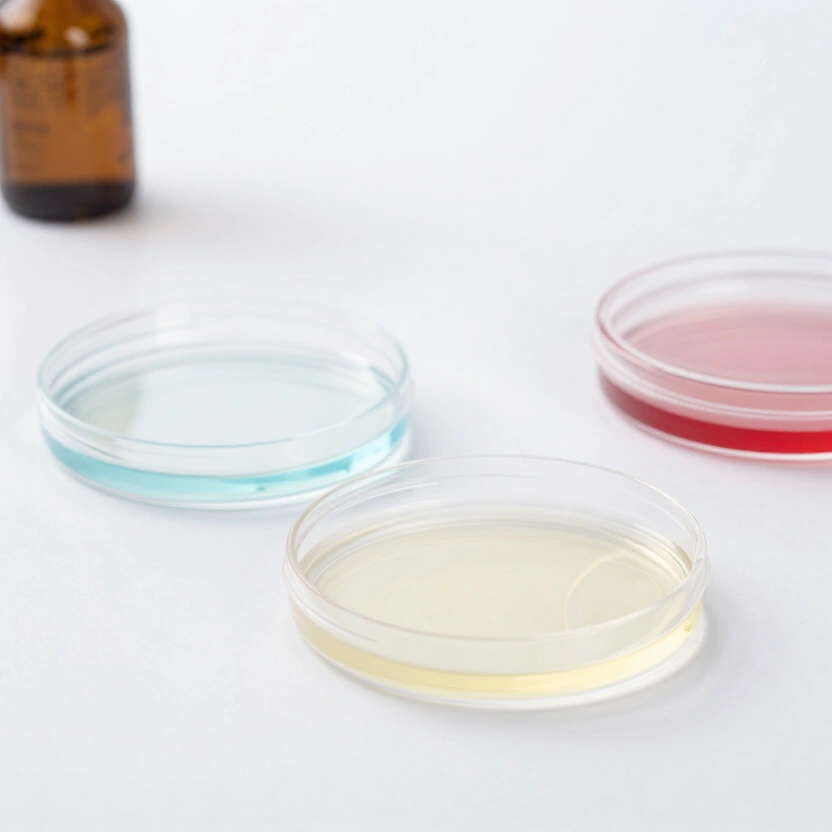
Sabouraud 2% Glucose Agar Plates (Pack of 20)
Sterile nutrient media plates for advanced microbiological cultures.
Check Price on Amazon* Affiliate links. Prices last updated March 6, 2026.
Batch Documentation: The Traceability Protocol
The heart of cGMP is the Batch Production and Control Record (BPCR). Every bottle of mushroom extract must be linked to a single, unbroken chain of data.
The Anatomy of a Batch Record
- Substrate ID: Lot number of the hardwood pellets and soy hulls, including their heavy metal COA (Certificate of Analysis).
- Genetic ID: The specific isolation code from the Master Slant (e.g., Hericium erinaceus HE-04).
- Sterilization Log: A time-pressure graph showing that 15 PSI was held for 150 minutes, signed by the lead technician.
- Environmental Log: Monitoring data from the ESP32 sensors proving the block never exceeded the 85°F thermogenesis limit during incubation.
- Release Testing: Lab results proving the absence of Salmonella, E. coli, and mold counts < 10 CFU/g.
Hygiene Management: Standard Operating Procedures (SOPs)
A cGMP facility operates on SOPs, not memory. Every task, from cleaning the floor epoxy to calibrating the pH meter, must follow a written protocol.
- The “Clean-In-Place” (CIP) Standard: All stainless steel extraction tanks must be sanitized using a 10% peroxide fog followed by a DI water rinse.
- Gowning SOP: No personal electronics, jewelry, or exposed skin are allowed in the ISO 7 zone. Masks and double-nitrile gloves are mandatory. Do not let convenience erode this rule—the moment you allow a phone into the cleanroom “just this once,” you have introduced a surface that contacts every doorknob, steering wheel, and bathroom in the building.
Analytical Release Criteria: Verifying the Medicine
Before a batch is released for sale, it must pass the Identity, Purity, and Potency (IPP) test.
- Identity: High-Performance Thin Layer Chromatography (HPTLC) or DNA Barcoding to verify the species.
- Purity: Starch testing (see our Iodine Test Guide) to ensure no grain fillers are present.
- Potency: Quantified Beta-Glucan levels (minimum 25%) and Triterpene profiles.
Write your first three SOPs this week—substrate intake, inoculation procedure, and post-harvest sanitation—then run one full batch with complete batch records before you invest in any additional facility upgrades.
Frequently Asked Questions
Does a small home-based mushroom supplement business need cGMP compliance?
If you are selling dietary supplements in the USA or EU, you are legally required to follow cGMP regardless of scale. Enforcement tends to focus on larger manufacturers, but a single customer complaint or adverse event report can trigger an FDA inspection at any size. Implementing “cGMP-Lite”—batch records and heavy metal testing at minimum—protects you from liability and builds the quality reputation that justifies premium pricing.
How much does analytical testing cost per batch?
A full panel covering heavy metals (ICP-MS), microbial screening, starch content, and beta-glucan quantification runs between $300 and $600 USD per batch. At small production volumes, this testing cost can consume 15-25% of your margin. Scaling to larger batches is the only way to amortize this fixed cost into profitability.
How do I find a qualified lab to test mushroom extracts?
Search for third-party laboratories with ISO 17025 certification—this ensures internationally recognized and calibrated testing methods. Look specifically for labs offering the Megazyme beta-glucan assay and ICP-MS heavy metal panels for botanical or fungal matrices. Micro Quality Labs (Burbank, CA) and Eurofins are two commonly used options in the North American supplement industry.
Can I write my own Standard Operating Procedures or do I need a consultant?
Write them yourself. An SOP should be authored by the person actually doing the work, not a consultant who has never stood in your lab. Format each SOP as a step-by-step checklist that a new hire could follow to achieve the exact same result. FDA inspectors care about whether you follow your SOPs consistently—not whether they were written by an expensive compliance firm.
What happens if my finished product fails the heavy metal test?
The entire batch must be destroyed. Blending a failed batch with “clean” material to dilute the average concentration is illegal adulteration under both FDA and EU regulations. This is why testing raw substrate ingredients before inoculation is critical—catching a contaminated pallet of sawdust pellets at intake saves you six weeks of wasted production.
Related Articles
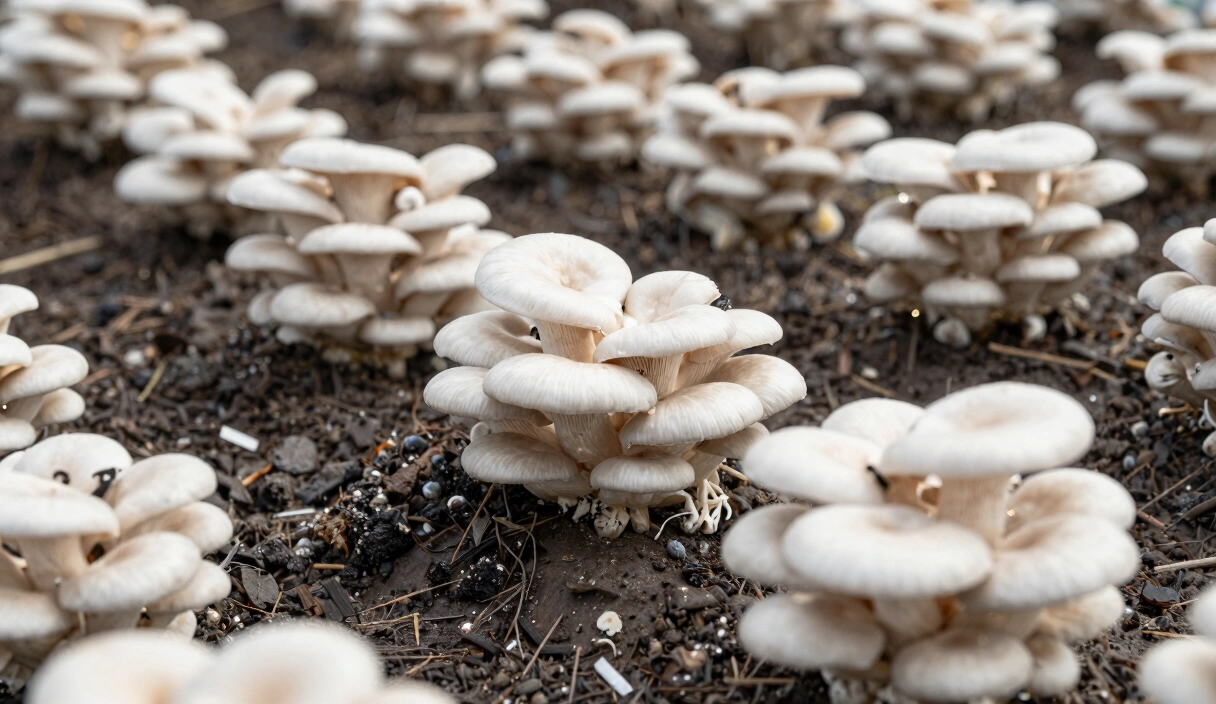
Mycoremediation: Engineering Fungal Networks for Environmental Detoxification
Fungi break down petroleum, heavy metals, and pesticides using enzymatic pathways no other organism can match. How mycoremediation actually works.
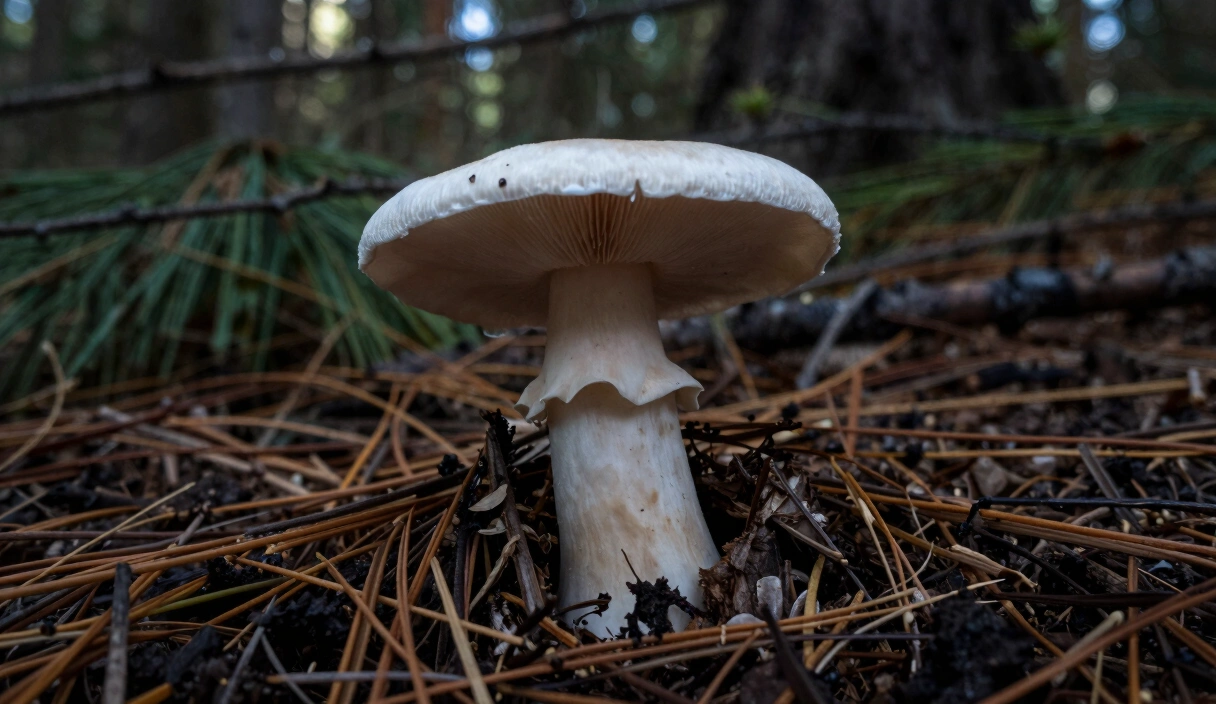
Matsutake & Mycorrhizal Complexity: The Final Frontier of Mushroom Cultivation
Matsutake can't be farmed — it needs a living tree and soil biology that no lab can replicate. Here's the science behind why.
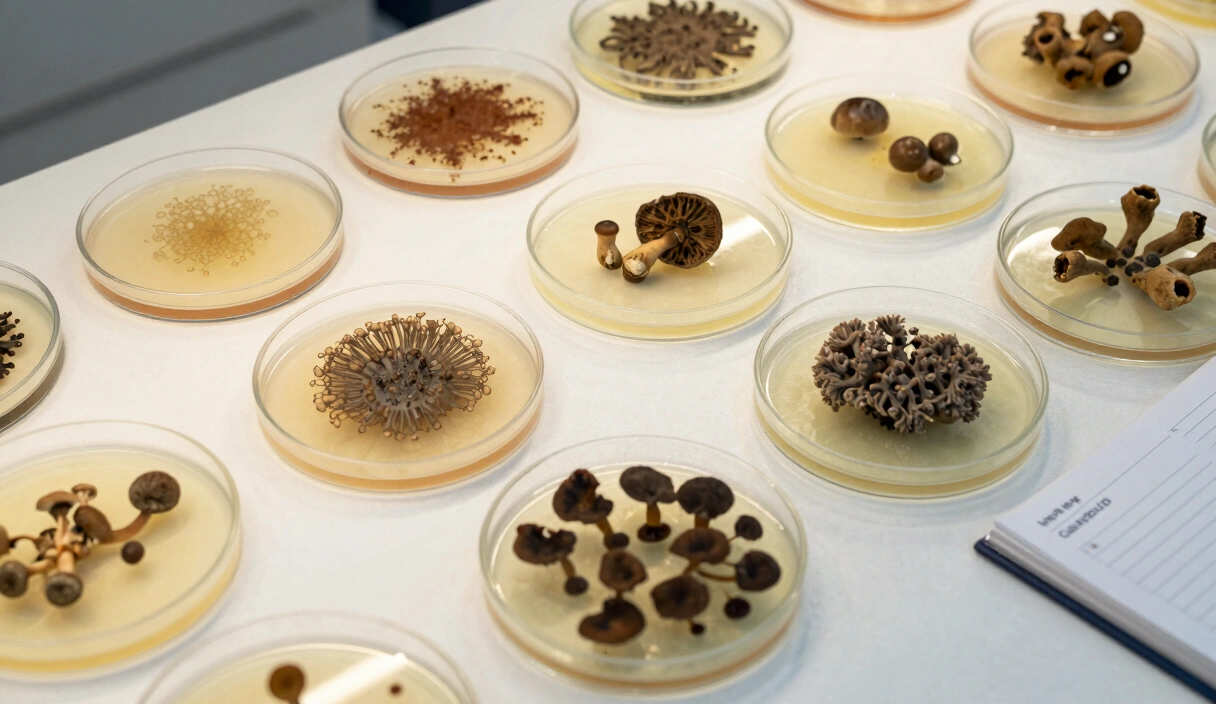
Mushroom Breeding: The Science of Strain Crossing and Hybrid Vigor
Crossing mushroom strains for better yields. Monokaryotic isolation, clamp connection verification, and what hybrid vigor actually means for growers.