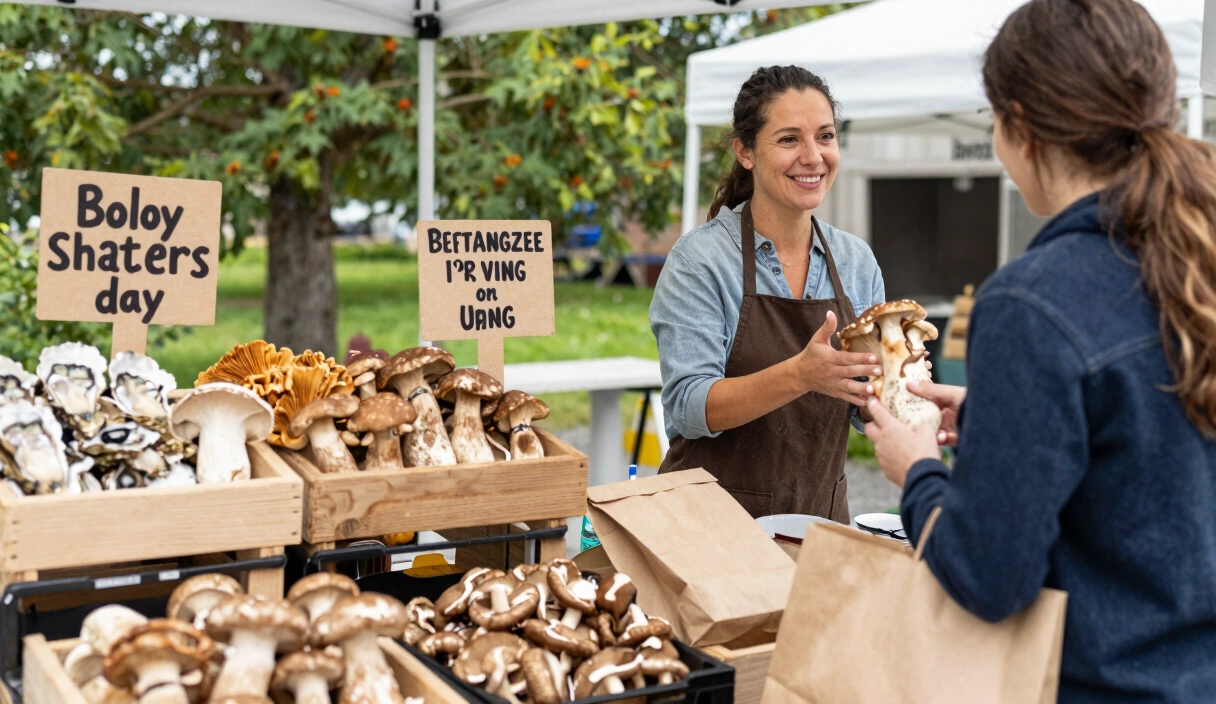
Mushroom Marketing & Local Sales: The High-Margin Strategy for 2026
How to sell your mushrooms — pricing for 2026, restaurant B2B pitching, and why sustainable packaging changes your farmers market conversion rate.
Contents
Saturday morning, 7:15 AM. You are standing behind a folding table at the farmers market, arranging clusters of Blue Oyster and Lion’s Mane on kraft paper while the coffee vendor next to you cranks an espresso machine. A woman stops, picks up a Lion’s Mane cluster, and asks if it really helps with memory. The guy behind her wants to know your price for five pounds a week, delivered to his restaurant by Tuesday. Two completely different customers. Two completely different mushroom marketing strategies. Both standing three feet apart.
The gourmet mushroom market in 2026 has split into two distinct technical demands: the high-volume, texture-dependent world of Sensory Gastronomy and the health-focused, consulting-heavy demand of the Functional Food consumer. Small-scale growers who excel in the lab often fail at this fork because they treat mushrooms as a commodity rather than a high-performance, perishable specialty product.
To hit a sustainable 80%+ profit margin, you must optimize your sales funnel with the same rigor as your CO2 levels. Price psychology, “Freshness Premium” logistics, and automated subscription models are the levers.
Market Segmentation: Gastronomy vs. Individual Consumers
In 2026, you are not just selling “mushrooms.” You are selling a specific biological utility.
1. High-End Gastronomy (The B2B Channel)
Modern chefs are moving away from treating mushrooms as a side dish. They are utilizing them as the “Center-of-Plate” meat substitute.
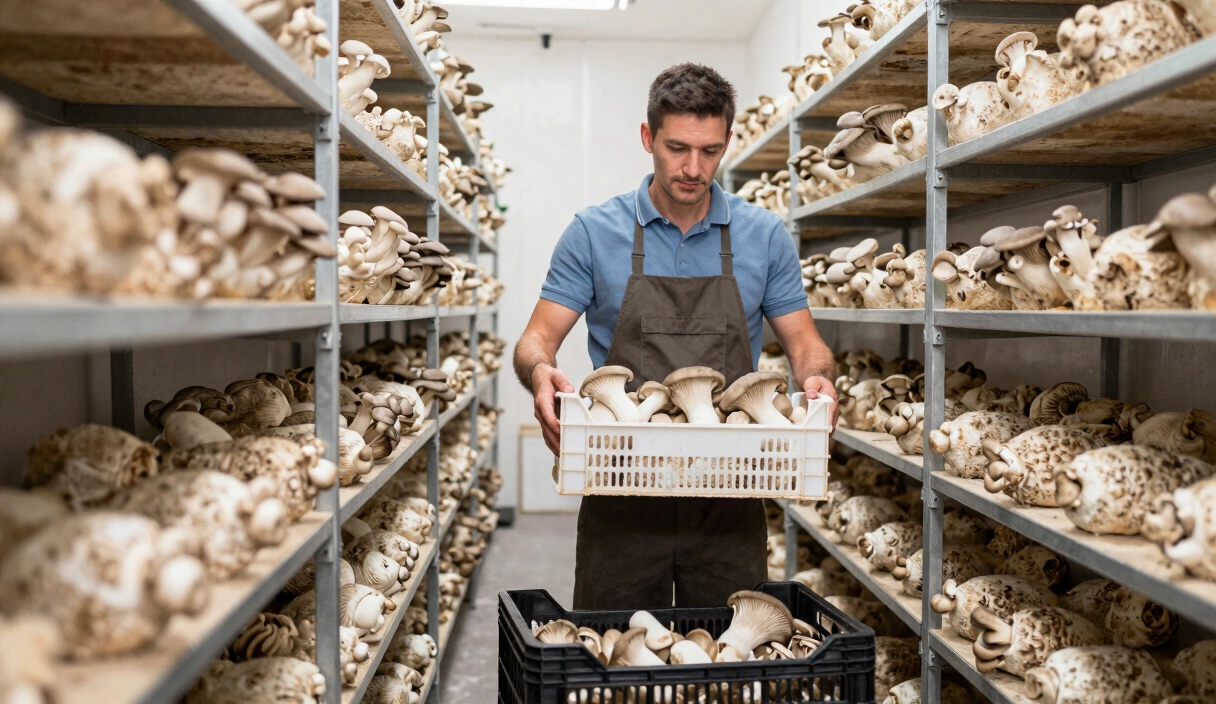
- The Technical Metric: Chefs pay a premium for Structural Integrity. They require mushrooms harvested within 4–8 hours of delivery to ensure the chitin matrix is rigid enough for high-pressure searing techniques (the “Smashed Oyster” method).
- The Predictability Factor: A restaurant will pay $12/lb for Oyster mushrooms only if you can guarantee a precise volume every Tuesday at 10:00 AM. In B2B sales, Reliability is more valuable than Price.
2. Farmers Markets (The D2C Channel)
Direct-to-consumer sales in 2026 are driven by the “Fibermaxxing” and Nootropic trends.
- The Technical Metric: Customers are looking for specific health outcomes. Selling Lion’s Mane at $22/lb is achievable when you lead with the technical data on Erinacine synthesis and cognitive repair.
- Visual Psychology: Utilize brown kraft paper packaging and minimal plastic. A 2024 Oregon State consumer study found that “earthy,” sustainable packaging increases the perceived value of gourmet fungi by up to 15% compared to plastic-wrapped trays.
The 2026 Pricing Matrix (per lb)
| Species | Restaurant (Bulk) | Farmers Market (Retail) | Profit Margin (Self-Produced) |
|---|---|---|---|
| Oyster (All colors) | $7.00 - $10.00 | $14.00 - $18.00 | 70% - 85% |
| Lion’s Mane | $11.00 - $15.00 | $20.00 - $25.00 | 75% - 90% |
| Shiitake | $8.00 - $12.00 | $16.00 - $20.00 | 65% - 80% |
| Chestnut / Pioppino | $10.00 - $14.00 | $18.00 - $22.00 | 70% - 85% |
Commercial Monitoring Infrastructure
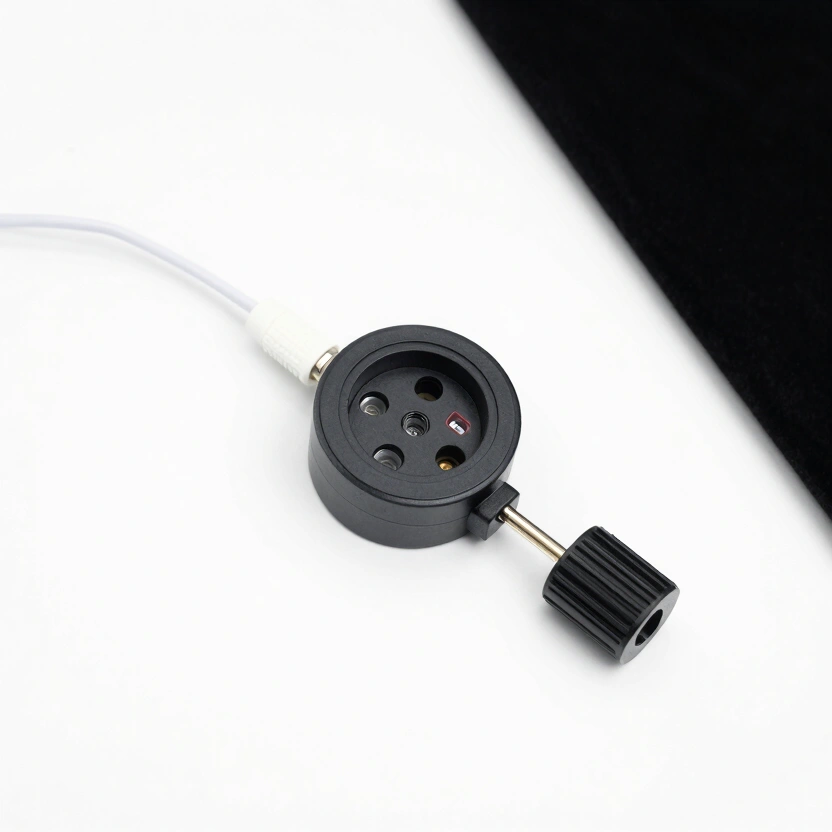
KETOTEK Digital Humidity Regulator Socket
Plug-and-play hygrostat sensor for automated humidity management.
Check Price on Amazon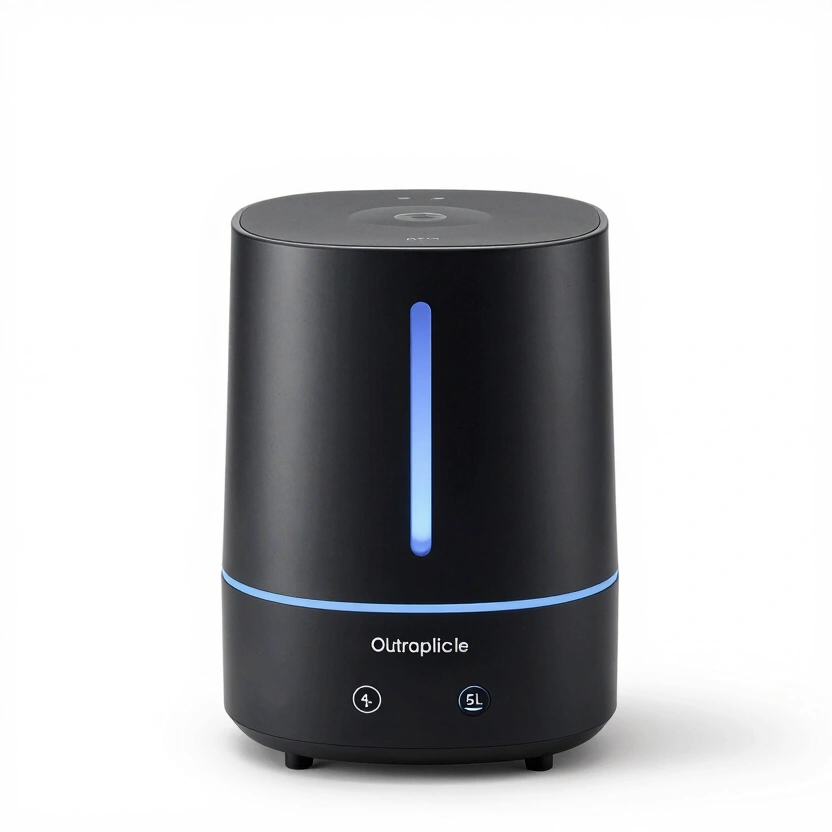
Spider Farmer Smart Ultrasonic Humidifier (5L)
Automatic humidifier with built-in hygrometer for precise fruiting chamber control.
Check Price on Amazon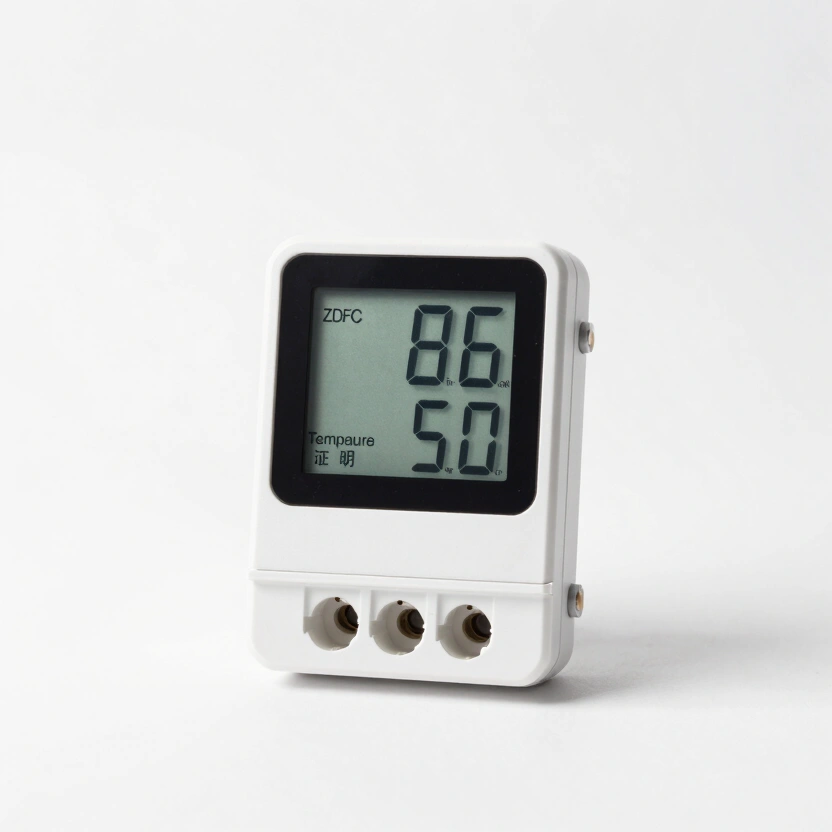
Hygrostat Socket Temperature & Humidity Switch
Integrated controller for monitoring and switching climate gear in grow tents.
Check Price on Amazon* Affiliate links. Prices last updated March 6, 2026.
B2B Pitching: Securing the Gastro-Premium
When pitching to a Michelin-star or high-end bistro, do not lead with price. Lead with the “Harvest-to-Kitchen” Logistics.
The Pitch Deck Components
- The 8-Hour Guarantee: Promise that the mushrooms delivered were breathing on the block that same morning. This ensures zero “slimes” and a superior mouthfeel.
- Species Exclusive: Offer a “Monthly Special” (e.g., Pink Oysters in February, Cordyceps in March) to keep their menu dynamic.
- The Sample Box: Never walk into a kitchen empty-handed. Bring a 1lb “Chef’s Selection” box. Let them feel the firmness of the stems and the vibrancy of the pigments.
CSA and Subscription Models: Ensuring Cash Flow
The greatest risk to a small farm is the “Harvest Surge”—having 50 lbs of mushrooms ready on a Monday with no market until Saturday.
- The Mushroom CSA (Community Supported Agriculture): Sell 8-week subscriptions to local residents. According to USDA direct marketing data, CSA models reduce producer waste by 30-40% compared to market-only sales. Customers pay $150 upfront for 1lb of fresh mixed mushrooms per week.
- The Benefits: This provides immediate liquidity to buy substrate and grain, and it forces you to diversify your production to keep the boxes interesting.
Logistics: The Cold Chain Standard
The shelf life of a fresh mushroom is a countdown of Respiration Rates.
- Technical Protocol: Mushrooms must be cooled to 38°F (3°C) within 2 hours of harvest. Penn State Extension research shows a 6-hour delay in cooling cuts shelf life by nearly 50%. This “Cold Shock” slows down the enzymatic degradation of the tissues.
- Packaging: Never seal fresh mushrooms in airtight plastic. They will anaerobic-rot within hours. Use breathable cardboard or paper bags that allow for gas exchange while maintaining humidity.
Pick one sales channel this week—farmers market, restaurant, or CSA—and build your first cost-per-block spreadsheet to calculate the minimum price you can accept before that channel stops making financial sense.
Frequently Asked Questions
How do I convince a restaurant chef to buy my mushrooms instead of using a distributor?
Do not lead with price—you will lose that fight against Sysco every time. Lead with the “Freshness Premium.” Distributor mushrooms are often 5-7 days old by delivery, meaning 20% waste at the bottom of the box. Your mushrooms arrive within hours of harvest with 0% waste. Bring a 1lb sample box, let the chef feel the stem rigidity, and frame your $12/lb as cheaper than the distributor’s $8/lb once waste is factored in.
What is the best packaging for selling mushrooms at a farmers market?
Brown kraft paper bags or small cardboard berry punnets. Avoid plastic clamshells—they trap moisture and accelerate spoilage. Research shows sustainable, “earthy” packaging increases perceived value by up to 15%. Print a small sticker with your farm name, species, and a one-line health fact. Keep it simple. Customers at the market buy with their eyes and their trust.
How do I price my mushrooms if nobody else at my market sells them?
Start by checking what local grocery stores charge for the same species and price 10-20% above that. You are selling freshness, locality, and expertise—not competing on shelf price. For Lion’s Mane, $20-$25/lb retail is standard in 2026. For Oysters, $14-$18/lb. If customers push back, offer a smaller “taster” portion at $5 to get them hooked.
Can I sell spent mushroom blocks as garden kits at the market?
Yes, and this is one of the best margin plays available. Sell spent blocks as “Garden Mushroom Kits” for $5-$10 each. Customers bury them in mulch beds to grow Wine Caps or Oysters outdoors (see our Mushroom Garden Design guide). You have turned a disposal cost into a revenue stream with zero additional production labor.
Is organic certification worth it for a small mushroom farm?
For farmers markets and local chefs, usually not. The USDA Organic certification process costs $750-$2,000 annually in fees and paperwork. Most small indoor farms already follow organic practices—no pesticides, non-GMO substrate. The “Certified Naturally Grown” label or a transparent “come see my lab” invitation is often more persuasive and far cheaper.
Related Articles
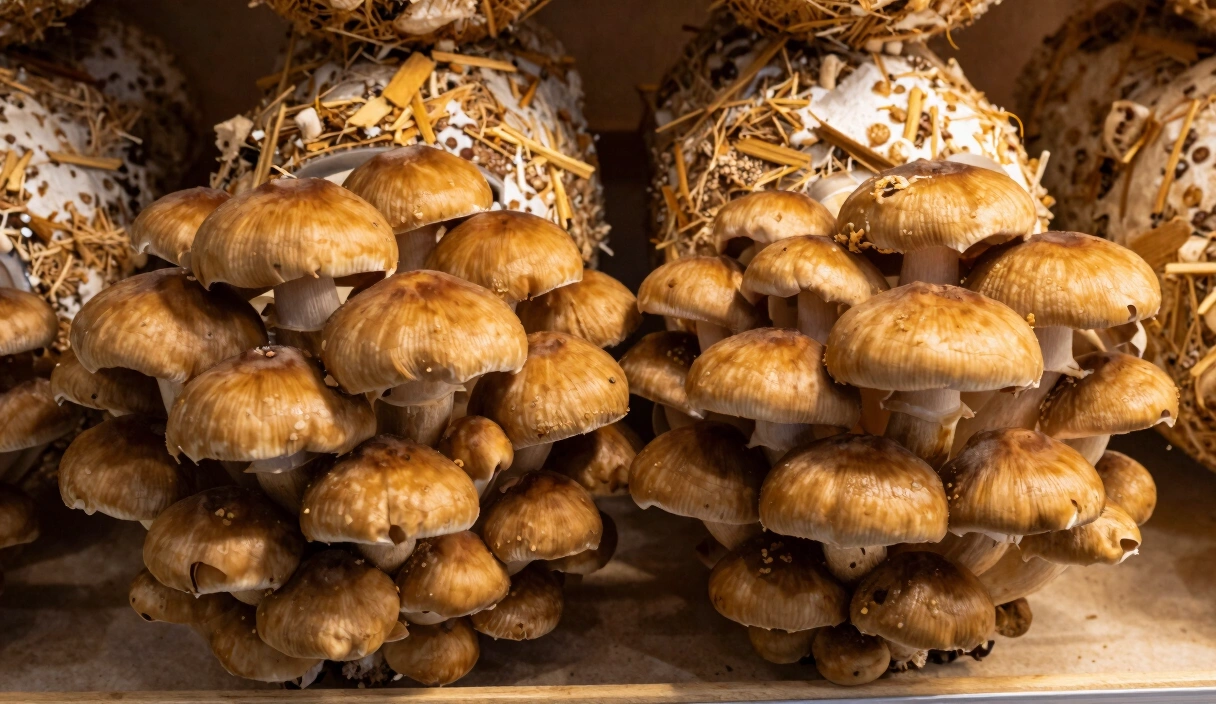
Chestnut Mushroom Mastery: Engineering Texture and Yield in Pholiota adiposa
Chestnut mushrooms need 100% RH to pin and precise CO2 for cap development. This is the full Pholiota adiposa cultivation protocol.
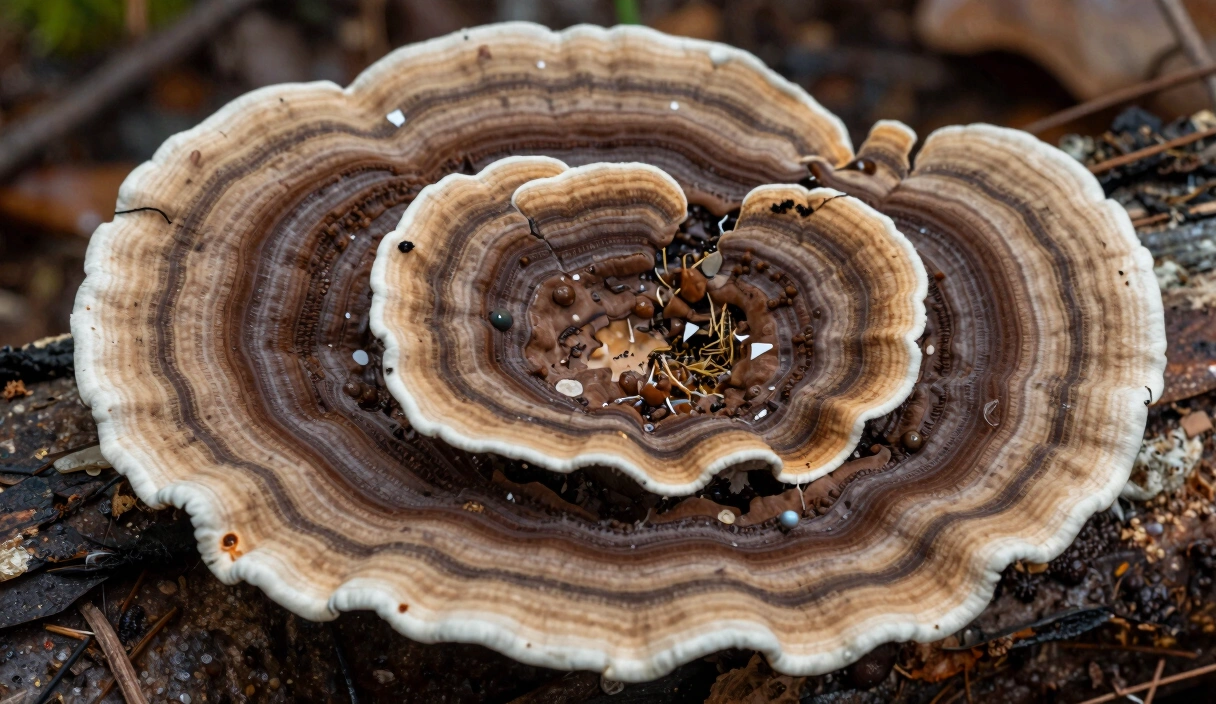
The Science of Turkey Tail: Mastering PSK and PSP Biosynthesis
Turkey Tail produced PSK — an FDA-approved cancer drug that generated $600M in Japan. The real science behind this mushroom's beta-glucans.
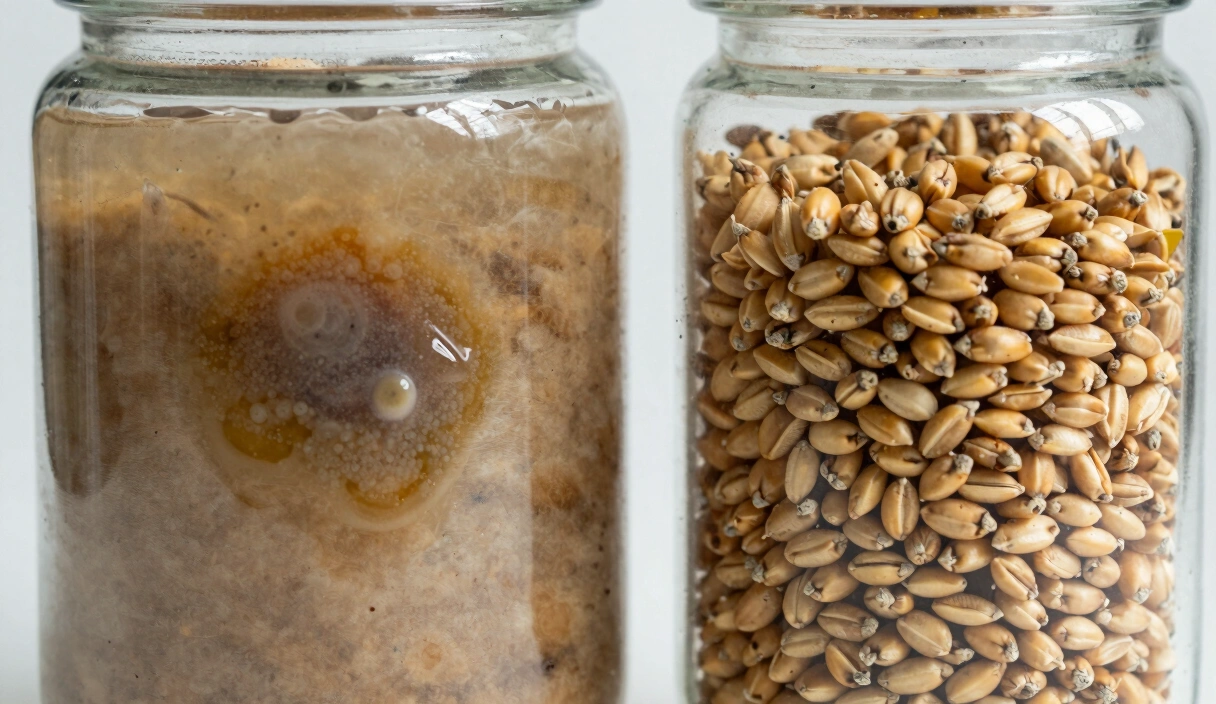
Bacterial Contamination: Technical Diagnosis of the Wet Spot and Sour Rot
That sour smell in your grain jar is Bacillus subtilis — and its endospores survived your pressure cooker. How wet spot happens and how to stop it.