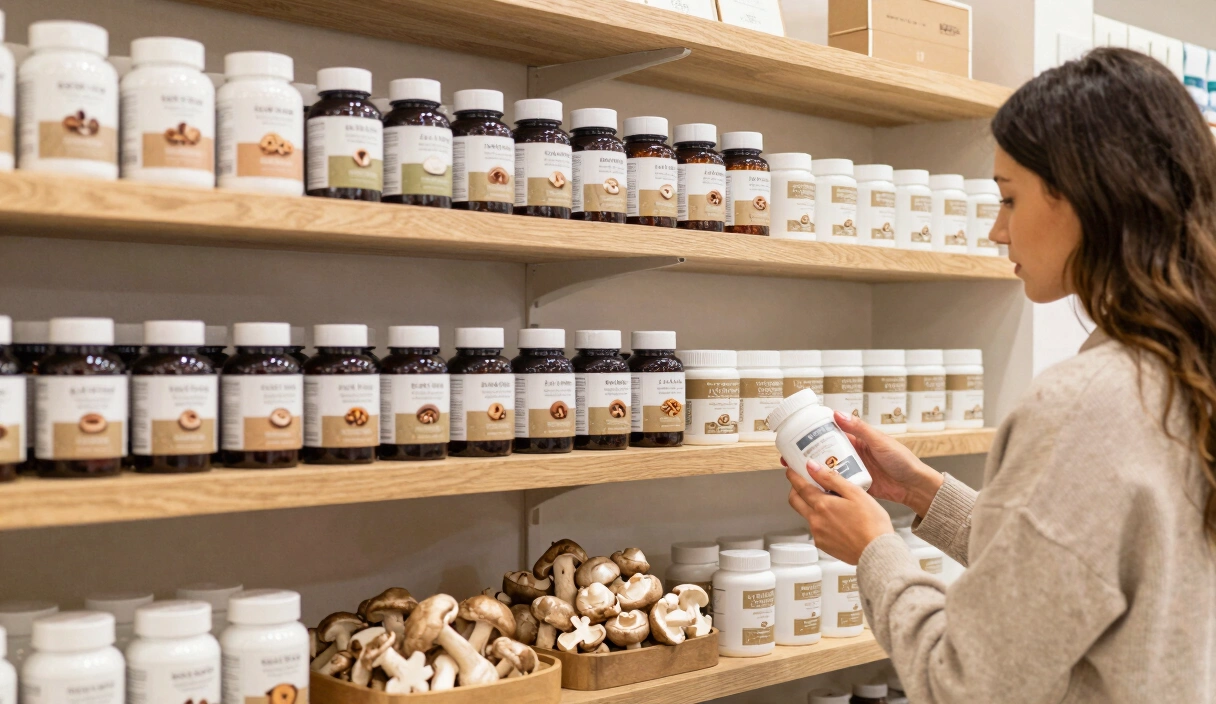
Mushroom Supplement Market Trends 2026: The Shift Toward Technical Transparency
Where the functional mushroom market is heading in 2026. CAGR data, the beta-glucan labeling shift, and why DNA barcoding is becoming table stakes.
Contents
The mushroom supplement market is saturated. You have heard this from every armchair analyst who watched the Lion’s Mane coffee trend peak and assumed the party was over. They are wrong. What actually happened is the market stopped rewarding vague “mushroom powder” labels and started punishing them. The sector is now valued at over $46 billion USD and growing at nearly 10% CAGR—but the growth is concentrating entirely in brands that can prove what is in the bottle.
The mushroom supplement market trends in 2026 point in one direction: Active Compound Quantification. Consumers and regulatory bodies (FDA/EFSA) have shifted their focus from raw biomass weight to validated concentrations of Beta-Glucans, Erinacines, and Ganoderic Acids. The companies still selling “proprietary blend” capsules with no beta-glucan percentage on the label are the ones getting saturated out. Everyone else is growing.
For the technical grower or entrepreneur, this is the best possible news. Transparency rewards the people who actually understand the biology.
Global Growth: The 2026 CAGR Analysis
The global medicinal mushroom market is expanding at a Compound Annual Growth Rate (CAGR) of approximately 9.1% to 11.6%, with certain high-value species significantly outperforming the general health sector.
1. The Dominance of Reishi and the Rise of Lion’s Mane
While Reishi (Ganoderma lucidum) maintains the largest total market share (~32%) due to its established role in stress management and sleep optimization, Lion’s Mane (Hericium erinaceus) is currently the fastest-growing species.
- The Nootropic Wave: Driven by the “Biohacking” movement, Lion’s Mane demand is projected to grow at a CAGR of 13.5% through 2030.
- Technical Driver: The discovery of NGF-stimulating erinacines in the mycelium has led to a surge in high-potency liquid extracts and dual-extracted powders. If you are growing Lion’s Mane and not tracking your erinacine concentration, you are leaving the highest-margin segment of this market on the table.
2. Market Value Projections
| Region | 2026 Market Share (Est.) | Focus Trend |
|---|---|---|
| Asia-Pacific | 52% | Industrial Scale & Tradition |
| North America | 28% | Functional Beverages & Coffee |
| Europe | 18% | Organic Certification & Purity |
The Transparency Revolution: Dual-Labeling
The most significant technical shift in 2026 is the rejection of “Polysaccharide” labeling.
- The Problem: Traditional labeling only lists “Total Polysaccharides.” However, common fillers like rice or corn used in “mycelium on grain” production are also polysaccharides (starches). This allows low-quality products to show high “mushroom” numbers that are technically just grain starch.
- The Solution: Dual-Labeling: Premium brands now list both total polysaccharides AND specifically measured $\beta$-(1,3)(1,6)-D-Glucans. Fungal beta-glucans are the primary immunomodulators; a high-quality extract should contain at least 25% beta-glucans and less than 5% alpha-glucans (starch). Look at your own supplement shelf right now—how many of those bottles actually list a specific beta-glucan percentage?
Production & Analytical Monitoring
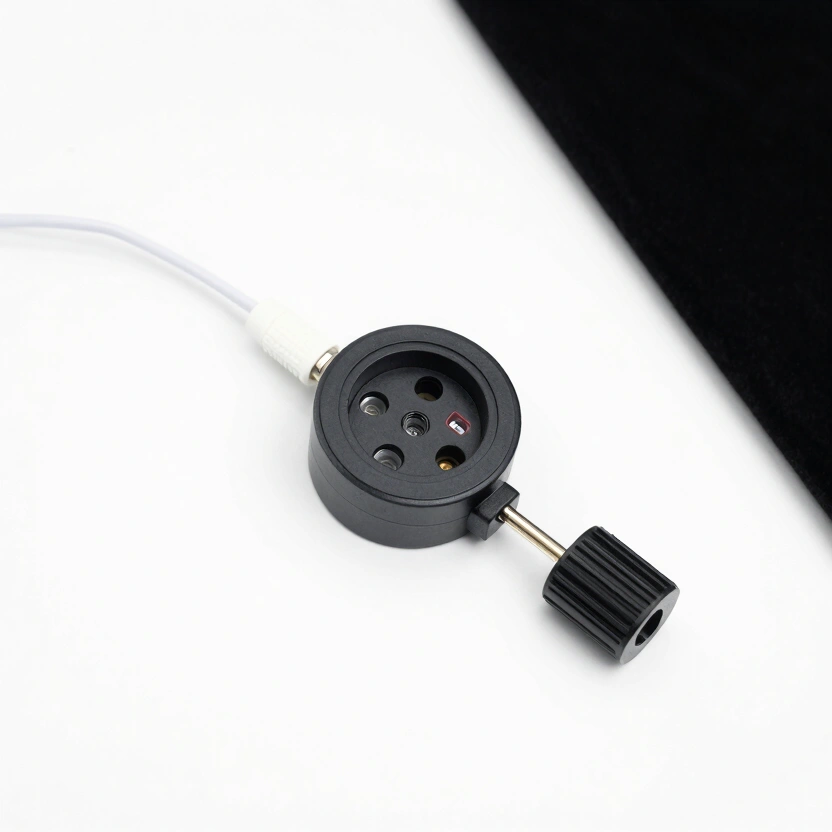
KETOTEK Digital Humidity Regulator Socket
Plug-and-play hygrostat sensor for automated humidity management.
Check Price on Amazon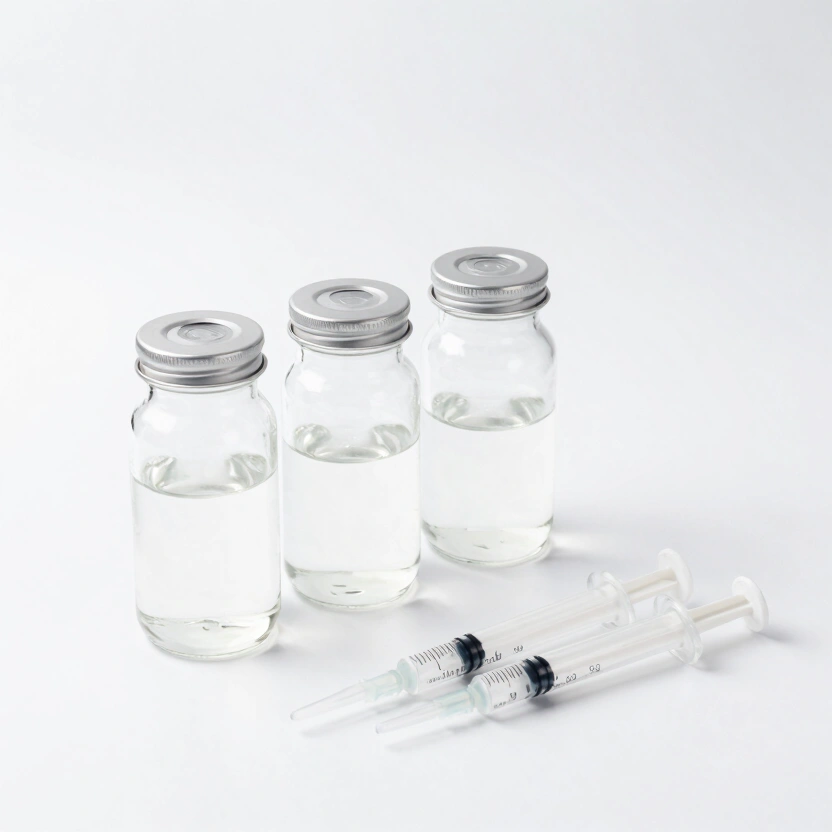
Lion's Mane Mushroom Liquid Culture Making Kit
Professional kit for expanding and storing mushroom liquid cultures.
Check Price on Amazon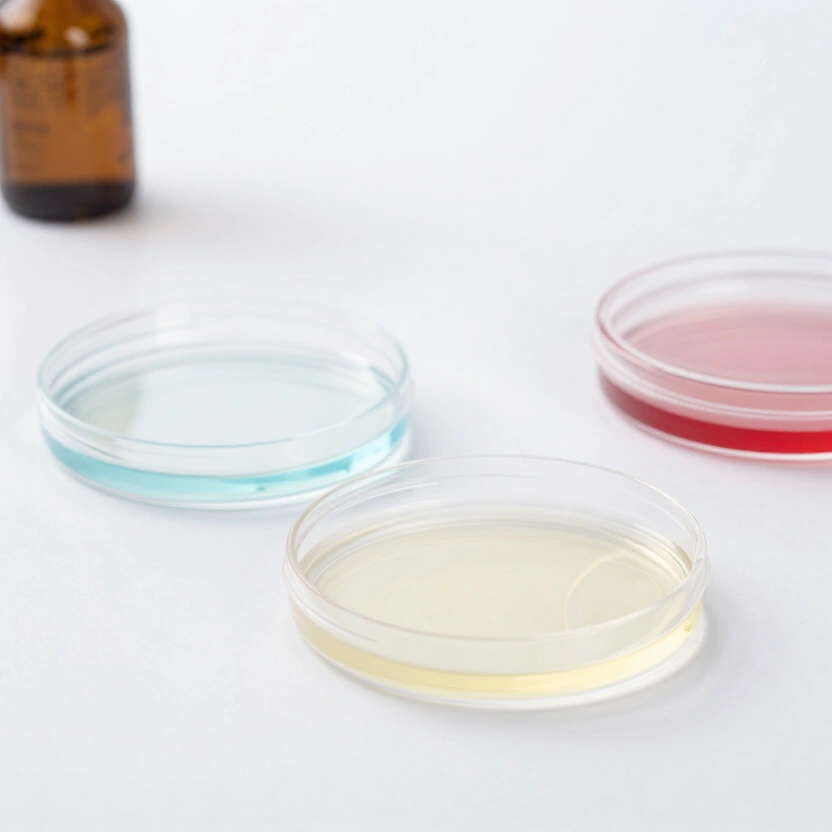
Sabouraud 2% Glucose Agar Plates (Pack of 20)
Sterile nutrient media plates for advanced microbiological cultures.
Check Price on Amazon* Affiliate links. Prices last updated March 6, 2026.
Technological Trends: DNA Barcoding and Blockchain
As the market scales, the risk of Adulteration (using cheaper, look-alike species) increases. To combat this, the 2026 premium sector has adopted two technical standards:
1. DNA Barcoding
This molecular technique identifies a species by a short, standardized DNA sequence. High-end distributors now provide DNA-verified certificates of analysis (COA) to prove that their “Chaga” is indeed Inonotus obliquus and not a common wood-rot look-alike.
2. Blockchain Traceability
Utilizing QR codes on packaging, consumers can now track the lifecycle of their supplement:
- Substrate Source: Verification of organic, heavy-metal-tested hardwood or grain.
- Extraction Method: Verification of Dual-Extraction or Ultrasonic Assisted Extraction (UAE).
- Batch Purity: Direct link to the independent lab results for that specific harvest.
Functional Formats: Beyond the Capsule
The 2026 market has expanded beyond the “pill bottle” into Integrated Functional Foods.
- Mushroom Coffee & Cacao: The ritual-based integration of Cordyceps and Lion’s Mane into morning beverages is the leading growth segment in the US and EU markets.
- Gummies & Soft Chews: Optimized for bioavailability and consumer compliance, particularly in the pediatric and geriatric segments.
- Pharma-Cosmeceuticals: Chaga and Reishi are being integrated into high-end skincare for their high antioxidant melanin complexes and anti-inflammatory properties. You might not think of skincare as a mushroom market—but ask yourself why a 1oz bottle of Chaga-infused serum retails for $85 when the raw Chaga costs $3.
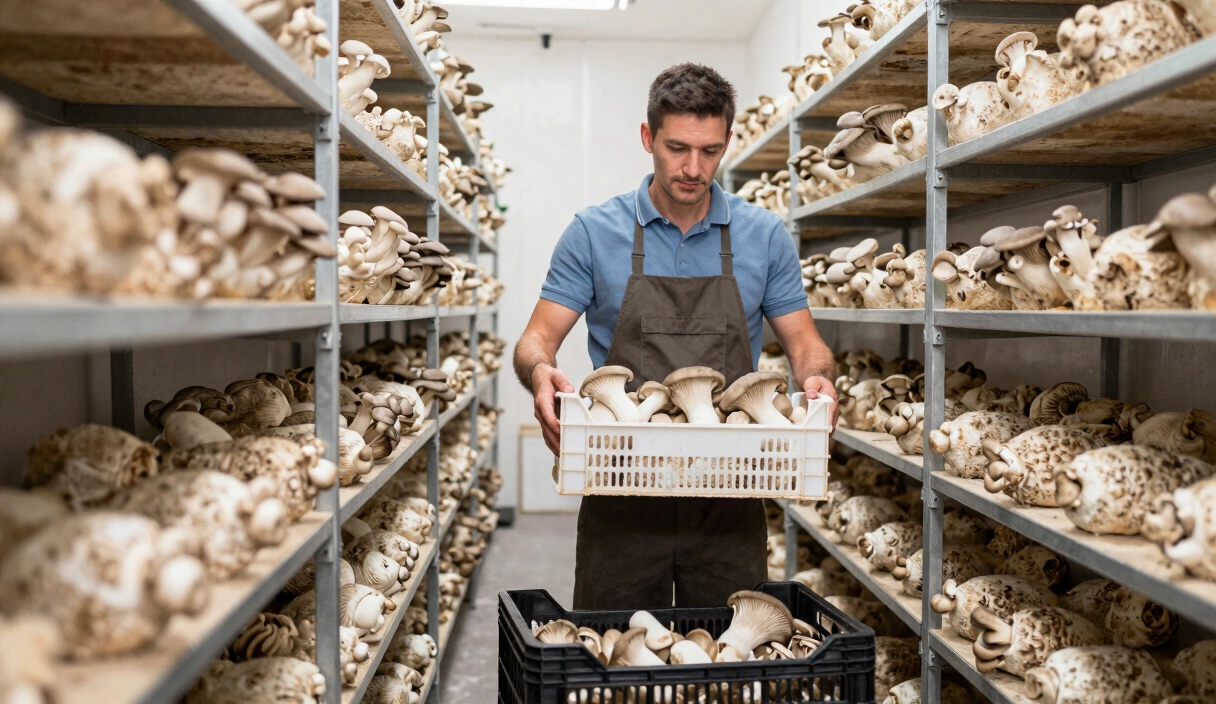
Request a Certificate of Analysis from your current supplement supplier this week, check whether it lists specific beta-glucan percentages, and compare it against the dual extraction standards before your next purchase or production run.
Frequently Asked Questions
What is the difference between mycelium-on-grain and fruiting body supplements?
Fruiting body supplements are made from the actual mushroom and are naturally high in beta-glucans. Mycelium on grain is the fungal network grown on rice or oats—the product often contains 50-70% grain starch that inflates “polysaccharide” numbers without delivering medicinal compounds. Mycelium does contain unique compounds (erinacines in Lion’s Mane, for example), but in 2026 the standard is full transparency about which part of the fungus is used and starch levels below 5%.
How can I tell if a mushroom supplement is actually high quality?
Check three things on the label: a specific beta-glucan percentage (minimum 25% for a credible extract), a third-party Certificate of Analysis (COA) from an ISO 17025-certified lab, and clarity on whether the product is fruiting body or mycelium. Brands like Real Mushrooms and Nammex publish these numbers openly. If the label only says “polysaccharides” without specifying beta-glucans, you may be paying for rice flour.
Why is DNA barcoding becoming standard for mushroom supplements?
Because adulteration is profitable. Cheaper species or wood-rot fungi can be substituted for premium species like Chaga (Inonotus obliquus) without the consumer knowing. DNA barcoding uses a short standardized sequence to verify species identity—it is the only reliable way to confirm that the product matches the label when visual identification is impossible after extraction.
Is the mushroom supplement market still growing or has it peaked?
Still growing. The global medicinal mushroom market is expanding at a CAGR of 9.1% to 11.6%, with Lion’s Mane specifically projected at 13.5% through 2030. The brands that stalled or declined were those selling undifferentiated powder with no analytical transparency. The premium, verified segment is accelerating.
How should I store mushroom extract powder to prevent degradation?
Mushroom extracts are highly hygroscopic—they absorb atmospheric moisture fast. Keep opened bottles sealed tight in a cool, dark cabinet. For bulk storage, use vacuum-sealed bags with oxygen absorbers to prevent triterpene oxidation. Never store extract powder in the bathroom or kitchen where humidity spikes regularly.
Related Articles
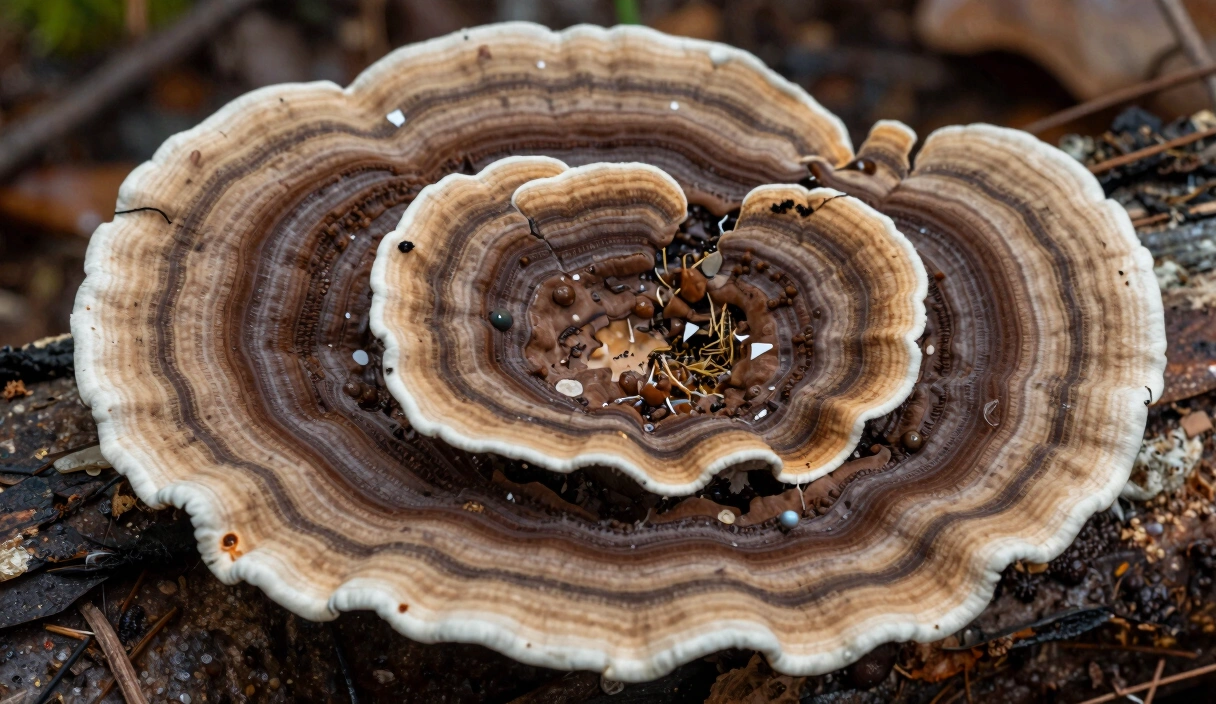
The Science of Turkey Tail: Mastering PSK and PSP Biosynthesis
Turkey Tail produced PSK — an FDA-approved cancer drug that generated $600M in Japan. The real science behind this mushroom's beta-glucans.
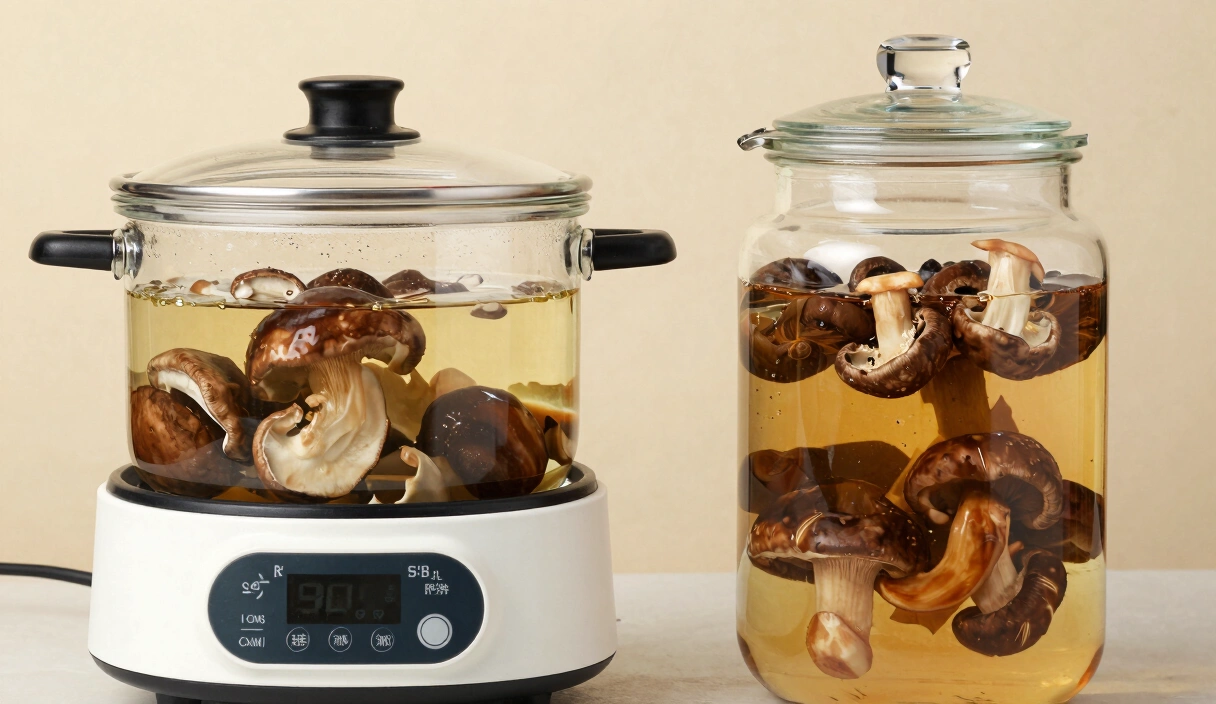
Dual Extraction Science: Unlocking the Bioavailability of Fungal Compounds
Tea only gets half the medicine. Why mushroom tinctures need both water and alcohol extraction — and how to run the full dual extraction protocol.
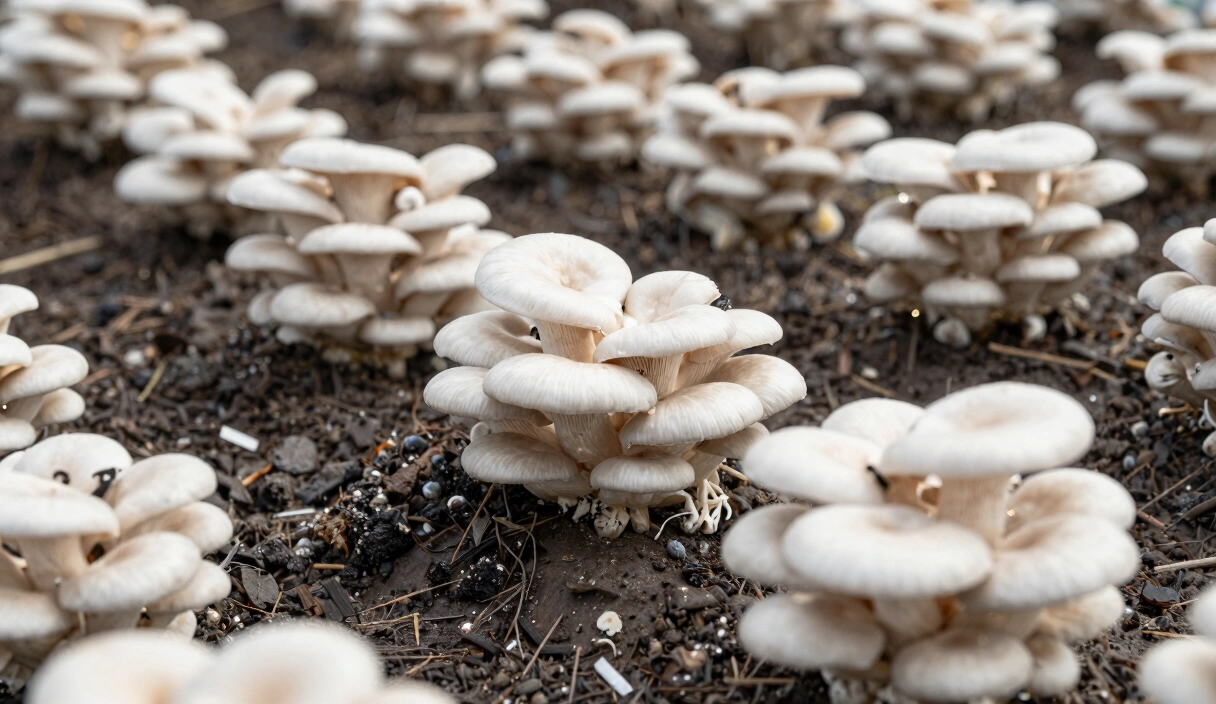
Mycoremediation: Engineering Fungal Networks for Environmental Detoxification
Fungi break down petroleum, heavy metals, and pesticides using enzymatic pathways no other organism can match. How mycoremediation actually works.