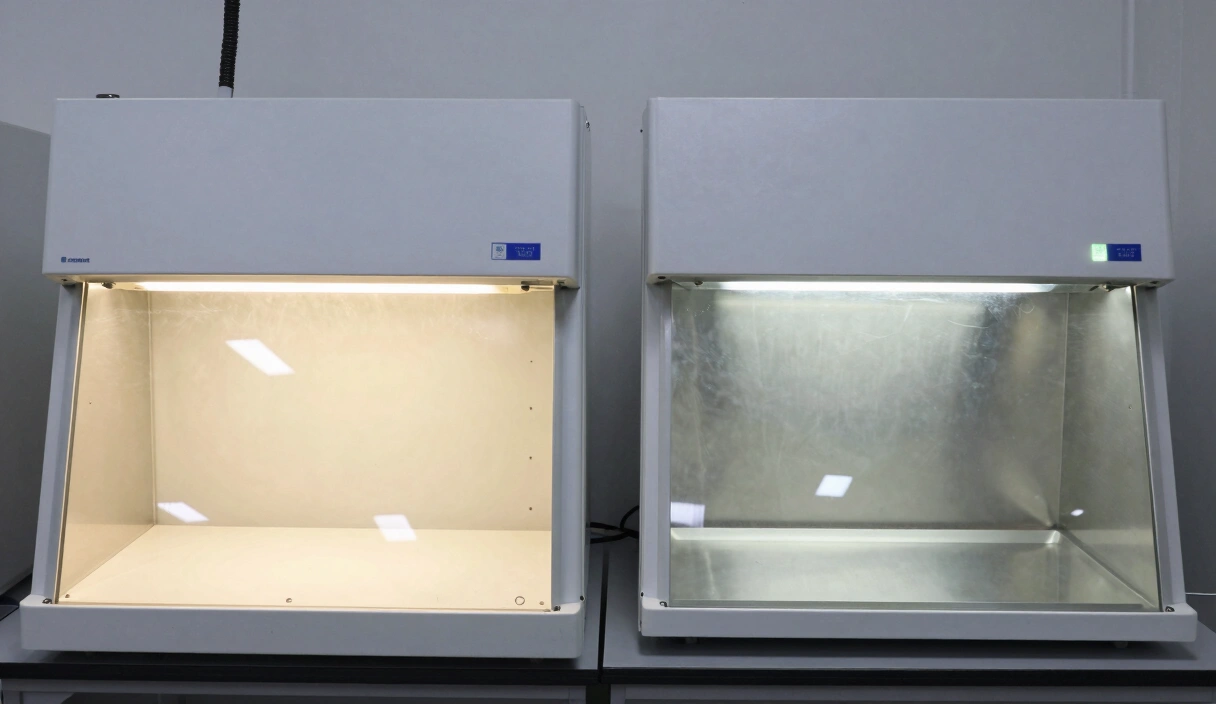
Laminar Flow Hood vs. Still Air Box: The Technical Lab Physics Guide
Do you actually need a flow hood, or is a Still Air Box enough? A cost-per-plate comparison with contamination rate data from both setups.
Contents
You do not need a laminar flow hood. Not yet. Probably not for a long time. I ran a $15 Still Air Box for two full years, maintained a 94% success rate on agar transfers, and produced enough grain spawn to fruit 200+ blocks. The mycology internet will tell you a flow hood is essential. The physics disagrees. A laminar flow hood vs still air box comparison is really a question of volume, not sterility.
That said, there is a real inflection point. Once you push past 20 agar transfers or 10 grain jars per week, the SAB becomes a bottleneck. Not because it fails at cleaning air, but because it forces you to work slowly. A flow hood lets you move fast. It pushes a wall of HEPA-filtered air at 100 Feet Per Minute across your work surface, physically displacing contaminants. Below, I break down the fluid dynamics, the CFM math, and the honest ROI of each system so you can decide based on your actual lab volume instead of forum pressure.
The Physics of Aseptic Environments
Both the SAB and the LFH have the same goal: to ensure that no airborne spores or bacteria land on your open petri dishes or grain jars. However, they achieve this through diametrically opposed physical principles.
1. The Still Air Box (SAB): Gravity-Based Filtration
The SAB utilizes Stokes’ Law. In an environment with zero air currents, airborne particles (which are denser than air) will eventually settle onto the floor due to gravity.
- The Mechanism: By waiting 15 minutes after closing the lid, you allow the internal volume to become stagnant.
- Technical Limit: The SAB is a “clean-ish” environment. Any fast movement of your hands creates a Vortex, which can pull unsterile air from the arm-ports into your work area.
I learned this the hard way after losing a full set of 10 agar plates in one session because I reached for my scalpel too fast. One jerky motion. Ten plates of Trichoderma three days later.
2. The Laminar Flow Hood (LFH): Pressure-Based Displacement
The LFH utilizes Unidirectional Airflow. It pushes a constant stream of HEPA-filtered air across your work surface, physically displacing any contaminants before they can reach your materials.
- Laminar vs. Turbulent: Laminar flow occurs when all air molecules move in parallel paths at the same velocity (low Reynolds Number). If the air is too fast or hitting an obstruction, it becomes turbulent (swirling), which traps contaminants rather than removing them.
Engineering the Flow Hood: The 100 FPM Standard
If you choose to build or buy an LFH, the most critical metric is the Face Velocity. The industry standard for mycology is 100 Feet Per Minute (FPM).
- Too Slow (<80 FPM): The “sterile wall” is weak. Room currents or your own breath can push contaminants into the work zone.
- Too Fast (>120 FPM): The air becomes turbulent as it hits your hands or tools, creating “dead zones” where spores can swirl.
The Mathematics of CFM and Static Pressure
To build a DIY flow hood, you cannot simply slap any fan onto a HEPA filter. You must calculate the Static Pressure (SP).
- Calculate Required CFM:
CFM = Filter Area (sq ft) x 100 FPM. For a standard 24"x24" filter ($4 ft^2$), you need exactly 400 CFM. - Identify Resistance: A high-quality HEPA filter typically has a resistance of 1.0" WG (Water Gauge) at its rated speed. Add 0.2" WG for a pre-filter. Total SP = 1.2" WG.
- The Fan Curve: You must select a blower (like a Dayton squirrel cage) that can deliver 400 CFM against a static pressure of 1.2" WG. A fan rated for “400 CFM Free Air” will likely drop to 150 CFM once the filter is attached, resulting in certain failure.
Laboratory Monitoring & Control
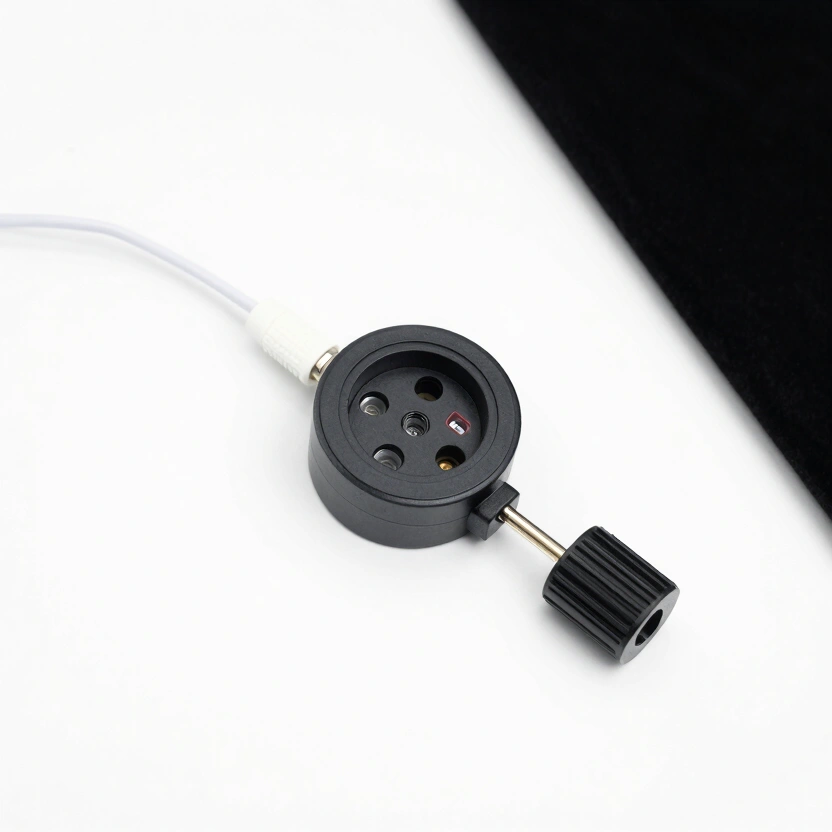
KETOTEK Digital Humidity Regulator Socket
Plug-and-play hygrostat sensor for automated humidity management.
Check Price on Amazon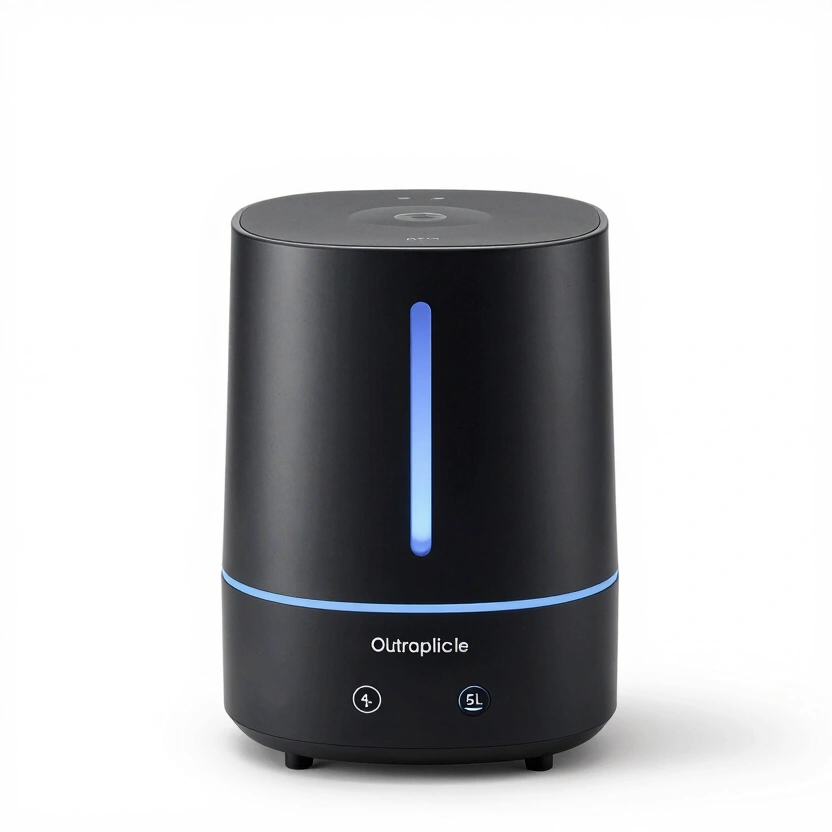
Spider Farmer Smart Ultrasonic Humidifier (5L)
Automatic humidifier with built-in hygrometer for precise fruiting chamber control.
Check Price on Amazon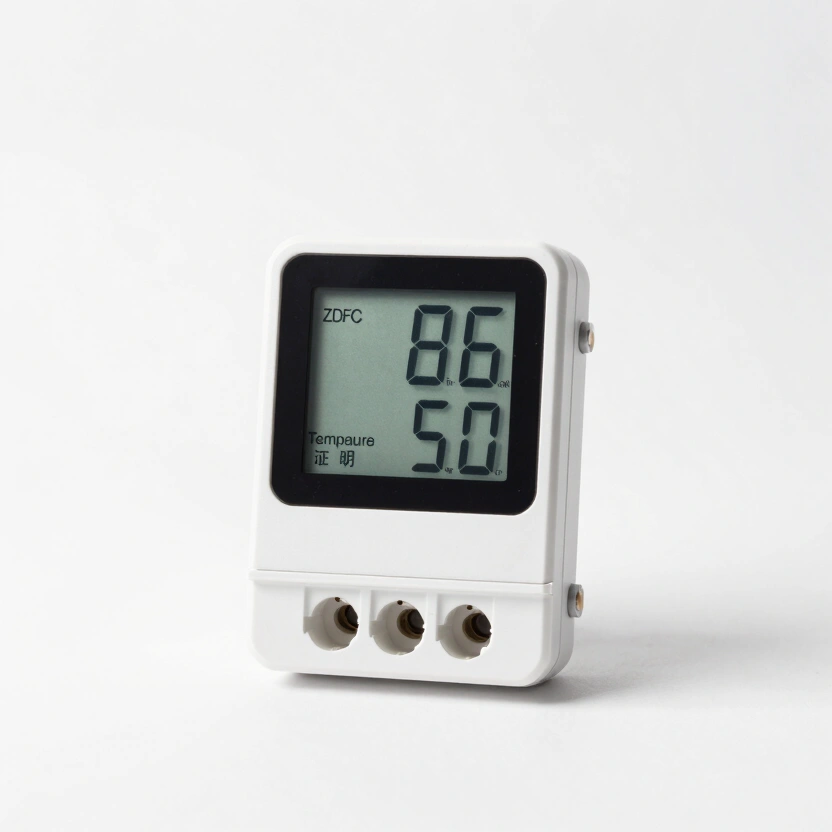
Hygrostat Socket Temperature & Humidity Switch
Integrated controller for monitoring and switching climate gear in grow tents.
Check Price on Amazon* Affiliate links. Prices last updated March 6, 2026.
Still Air Box: The Ergonomic Masterclass
Despite its low cost, the SAB remains a powerful tool if used with technical precision.
Why No Gloves? (The Piston Effect)
Many beginners build “Glove Boxes” where rubber gloves are sealed to the ports. Nobody told me this was wrong until I had already contaminated 20 plates inside one. This is technically inferior to an SAB. Moving your hands in a sealed box changes the internal air pressure, forcing unsterile air in and out through the seams. Open ports allow for Pressure Equalization, maintaining the stagnant boundary layer.
The Bleach-Towel Protocol
To enhance an SAB, use a damp 10% bleach-soaked towel on the floor. This creates a “chemically active” settling zone. Any particle that falls due to gravity is neutralized instantly upon contact.
ROI Analysis: When to Upgrade?
| Feature | Still Air Box (SAB) | Laminar Flow Hood (LFH) |
|---|---|---|
| Initial Cost | $15 - $30 | $600 - $2,000 |
| Success Rate | 85% - 95% | 99%+ |
| Work Speed | Very Slow (Deliberate) | High (Fast Transfers) |
| Space Use | Portable/Small | Permanent/Large |
| Best For | Beginners / Occasional Hobbyist | Commercial / Advanced Geneticist |
The Turning Point: We recommend upgrading to a Flow Hood once your lab volume exceeds 20 agar transfers or 10 grain jars per week. At this volume, the time saved and the reduction in wasted materials (due to the 5% higher success rate) will pay for the hood within 12 months.
I resisted buying a flow hood for two years because the SAB “worked fine.” It did. But I was spending 45 minutes per session just waiting for air to settle and moving in slow motion. The first week with a hood, I processed a week’s worth of transfers in 90 minutes. Frustrating to admit how much time I wasted being stubborn about it.
If you are processing under 20 transfers a week, build the SAB for $15 and invest the remaining $585 in substrate and genetics. When your lab volume outgrows the box, come back here and size your blower correctly.
Frequently Asked Questions
Can I use a HEPA air purifier instead of a laminar flow hood?
No. Air purifiers use turbulent flow to scrub room air. They mix contaminants rather than displacing them. Working in front of one actually pulls particles from your clothes toward your plates. A real flow hood needs a pressurized plenum to straighten the air before it passes through the HEPA filter.
How do I test if my flow hood has true laminar airflow?
Hold a lighter 6 inches from the filter face. The flame should bend at a steady 45-degree angle without flickering. If it dances or swirls, you have turbulence from a plenum leak or an underpowered blower. An anemometer reading at 9 points across the face should show 90-110 FPM everywhere.
Is a still air box better than a flow hood for beginners?
Yes. The SAB teaches slow, deliberate movement, which is the foundation of all aseptic technique. It is also safer for flame sterilization since a flow hood blows isopropyl fumes and torch heat toward your face. Start with the SAB build, then graduate to a hood when volume demands it.
How long does a HEPA filter last in a home mushroom lab?
With a quality MERV-8 pre-filter, 5 to 10 years. Replace the HEPA when face velocity drops below 80 FPM at full blower power, or if the media gets wet or physically damaged. The pre-filter itself should be swapped every 3-6 months.
Horizontal or vertical flow hood for mushroom cultivation?
Horizontal. In a vertical hood, contaminants from your hands blow straight down into open agar plates. Horizontal flow pushes air from the filter toward you, so everything reaching the plate has touched nothing but sterile HEPA-filtered air.
Related Articles
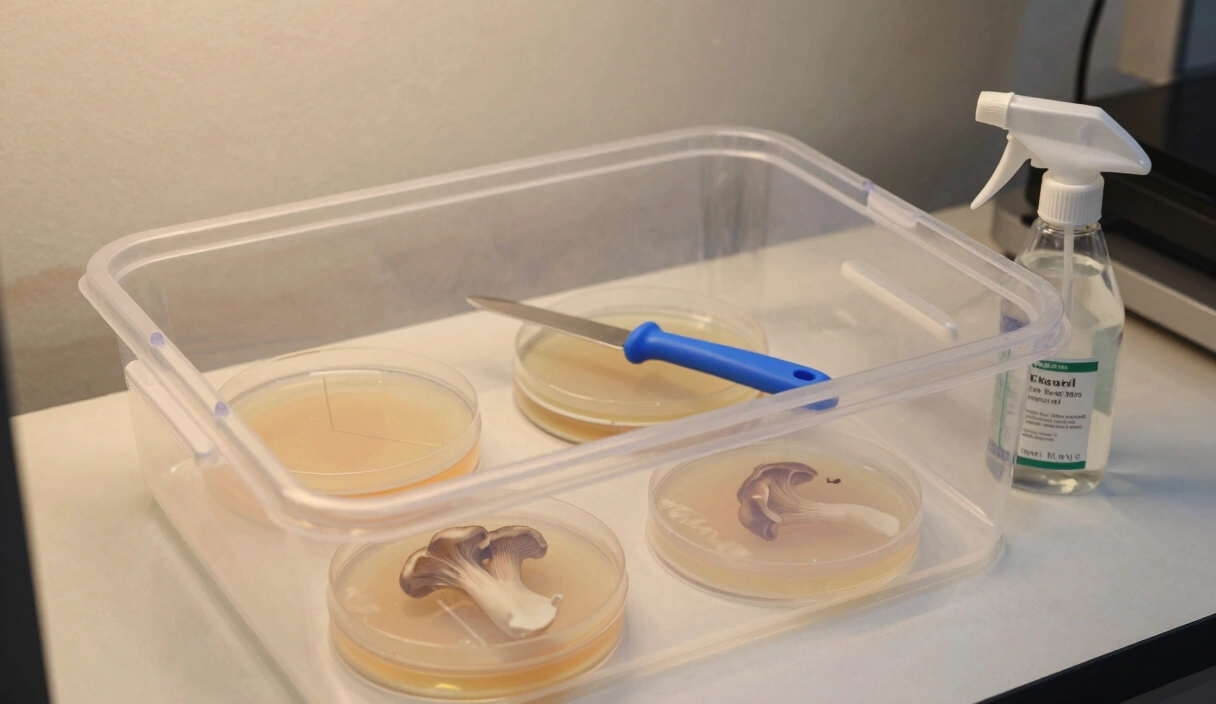
DIY Still Air Box Guide: Engineering a Professional Sterile Lab for Under $20
A $15 plastic tote is the most effective contamination prevention tool in mycology. Here's exactly how to build and use a Still Air Box.
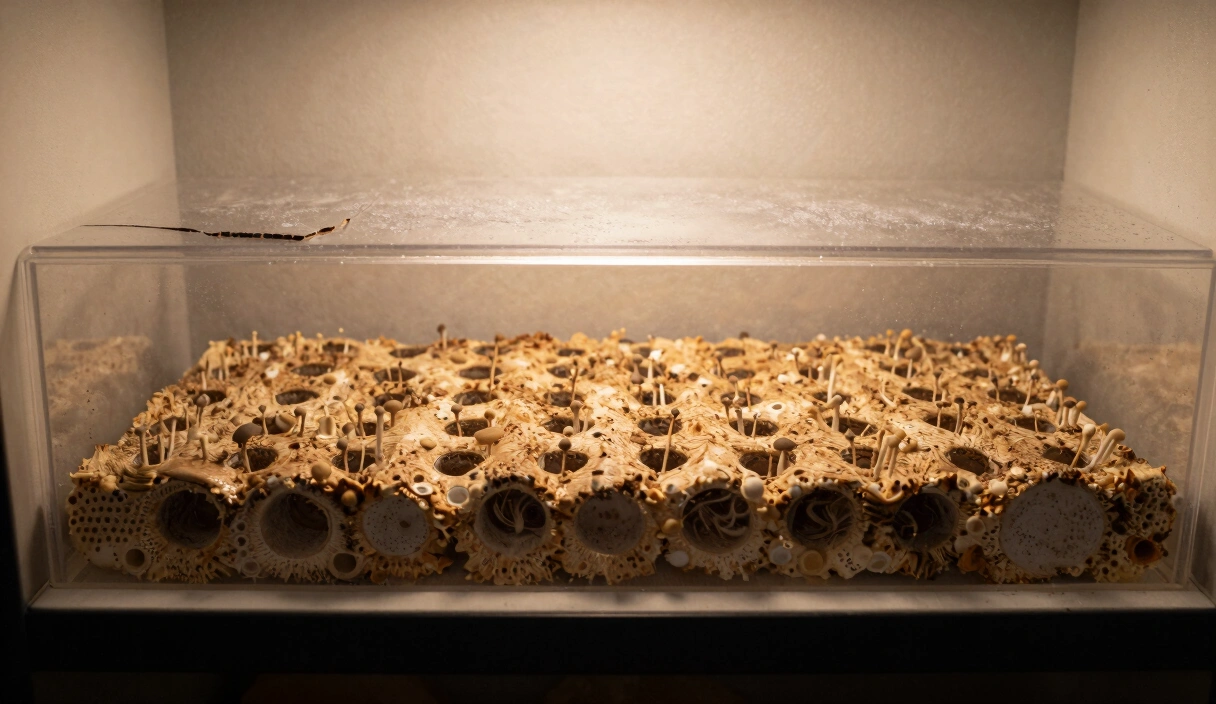
The Monotub Masterclass: Engineering Fresh Air Exchange for High-Yield Grows
Everything about monotub design — hole placement, polyfill density, and the convection physics that make or break your first bulk grow.
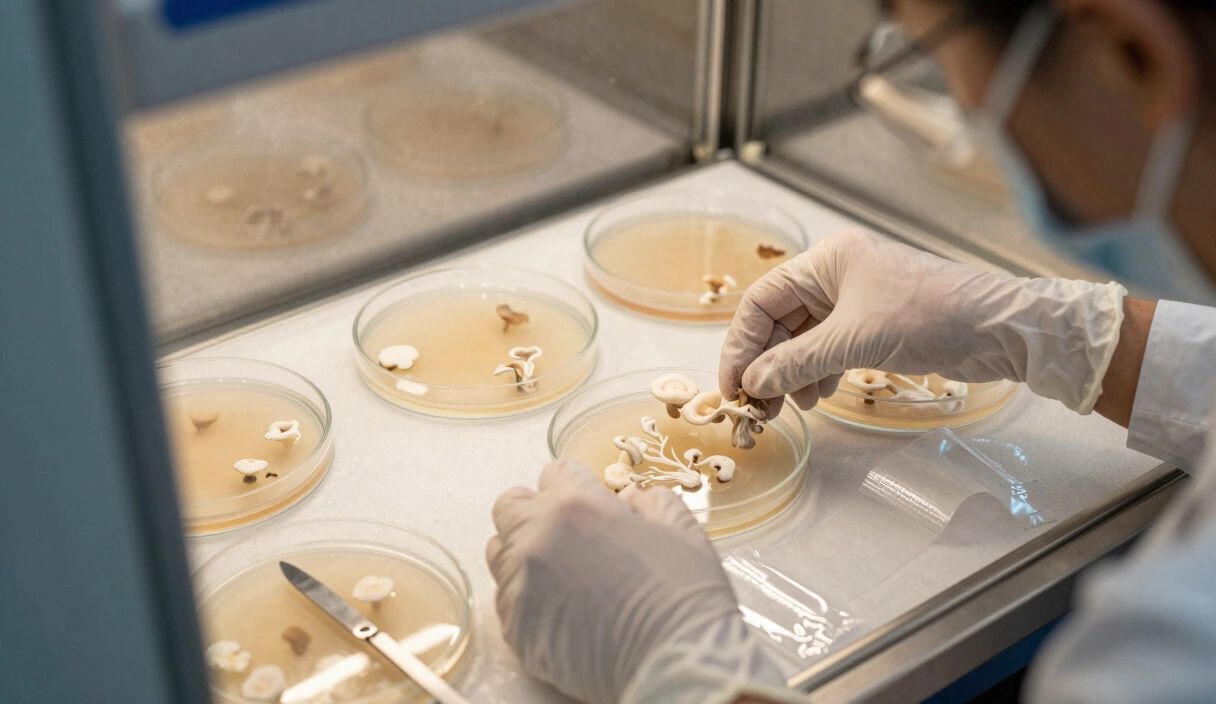
Mushroom Agar Work: The Complete Guide to Isolating, Storing, and Expanding Cultures
Master the "black belt" of mycology. From Fanny Hesse’s kitchen discovery to advanced genetic sectoring, we explore the physics, chemistry, and real-world hacks of agar work.