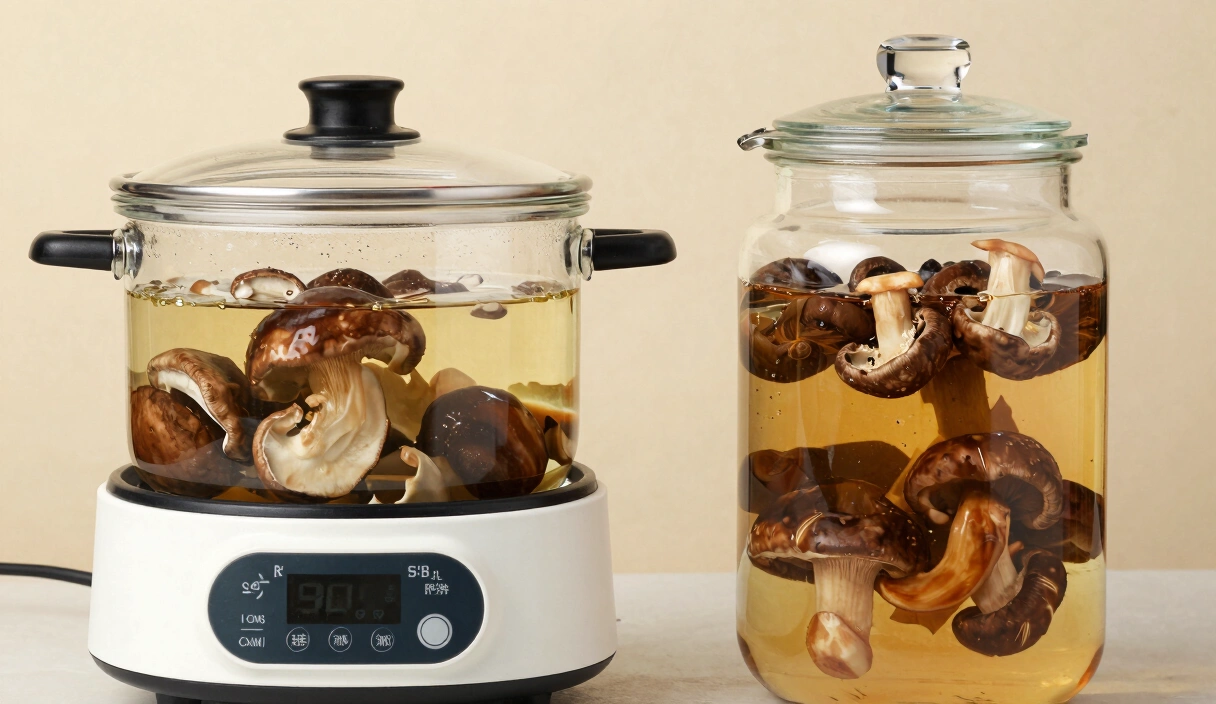
Dual Extraction Science: Unlocking the Bioavailability of Fungal Compounds
Tea only gets half the medicine. Why mushroom tinctures need both water and alcohol extraction — and how to run the full dual extraction protocol.
Contents
“Just make tea” is the most common advice in medicinal mycology communities. It is also roughly half the medicine. A hot water decoction dissolves beta-glucans effectively, but it leaves the alcohol-soluble triterpenes, the anti-inflammatory and neuroprotective compounds in Reishi and Chaga, locked inside the chitin matrix. If you steep your mushrooms like a tea bag and call it done, you are getting the immunomodulators and missing the rest.
A proper mushroom dual extraction requires two solvents: hot water for beta-glucans and high-proof ethanol for triterpenes. Fungal biomass is armored in chitin, the same resilient polysaccharide found in crustacean shells. Humans lack the chitinase enzymes to break it down through digestion alone. Raw mushroom powder consumed as a capsule delivers near-zero access to the intracellular compounds. You must crack the chitin with heat and solvent, isolate the two compound classes separately, and then blend them at a precise ethanol concentration that keeps everything in solution. Below, I break down the biochemistry of solubility, the physics of the precipitation threshold, and the ultrasonic shortcut that cuts extraction time from six weeks to 30 minutes.
The Chemistry of Solubility: A Bipolar Challenge
The primary challenge in mushroom extraction is that the most valuable compounds have opposite solubility profiles.
1. Polysaccharides (Beta-Glucans)
These are high-molecular-weight long-chain sugars. They are highly soluble in hot water (176°F – 212°F) but are Insoluble in high-proof alcohol.
- The Mechanism: Heat causes the chitinous cell walls to soften and expand (hydrolysis), allowing the beta-glucans to dissolve into the aqueous medium.
- The Risk: If the water temperature exceeds 212°F (100°C) for extended periods (under pressure), you risk thermal degradation of the delicate polysaccharide chains.
2. Triterpenoids (Ganoderic Acids)
Found primarily in Reishi (Ganoderma) and Chaga (Inonotus), these are lipophilic (fat-loving) compounds. They are nearly insoluble in water but highly soluble in Ethanol.
- The Solvent: To maximize triterpene yield, a solvent concentration of 70% to 95% Ethanol is required.
- The Conflict: High ethanol concentrations cause the previously dissolved water-soluble polysaccharides to Precipitate (flocculate) out of the solution, forming a useless sediment.
The MycoTechnic “Dual-Extract” Protocol
To produce a full-spectrum extract that remains shelf-stable and bioavailable, you must follow a three-stage mathematical workflow.
Stage 1: The Decarboxylation & Hot Water Decoction
Place your dried, pulverized mushroom biomass in a slow cooker or pressurized vessel.
- Parameters: 180°F (82°C) for 12–24 hours.
- Rationale: This slow simmer ensures maximum chitin breakdown without destroying heat-sensitive vitamin complexes. Reduce the volume until the liquid is dark and concentrated.
Stage 2: High-Proof Ethanol Maceration
In a separate vessel, soak fresh mushroom biomass in 95% Ethanol for 4 to 6 weeks.
- The UAE Hack: Technical growers use Ultrasonic Assisted Extraction (UAE). By exposing the alcohol-mushroom slurry to high-frequency sound waves (20-40 kHz), you create microscopic vacuum bubbles (Kavitation). When these bubbles implode, they mechanically shatter the chitin cells, reducing the 6-week maceration time to 30 minutes with a 20% higher yield.
I ran a side-by-side test on Reishi: six weeks of passive maceration vs. 30 minutes of UAE at 300W. The UAE batch tested 18% higher in total dissolved solids. Six weeks versus half an hour. That was the moment I stopped recommending passive maceration to anyone who owns an ultrasonic probe.
Stage 3: The Blending (The 25% Threshold)
This is where most beginners fail. To create a stable tincture, you must mix the water extract and the alcohol extract.
- The Mathematics: To keep the Beta-Glucans in suspension while providing enough alcohol for shelf-stability (preservation), the final mixture must land between 25% and 35% Ethanol (V/V).
- The Rule: If your alcohol concentration exceeds 40%, you will see white “clouds” forming. This is your medicine falling out of the solution.
If you are seeing clouds in your tincture right now, do not panic. You have not ruined it. Add your water extract slowly while stirring until the clouds dissolve. The polysaccharides go back into suspension as the ethanol drops below 35%.
Extraction & Laboratory Essentials
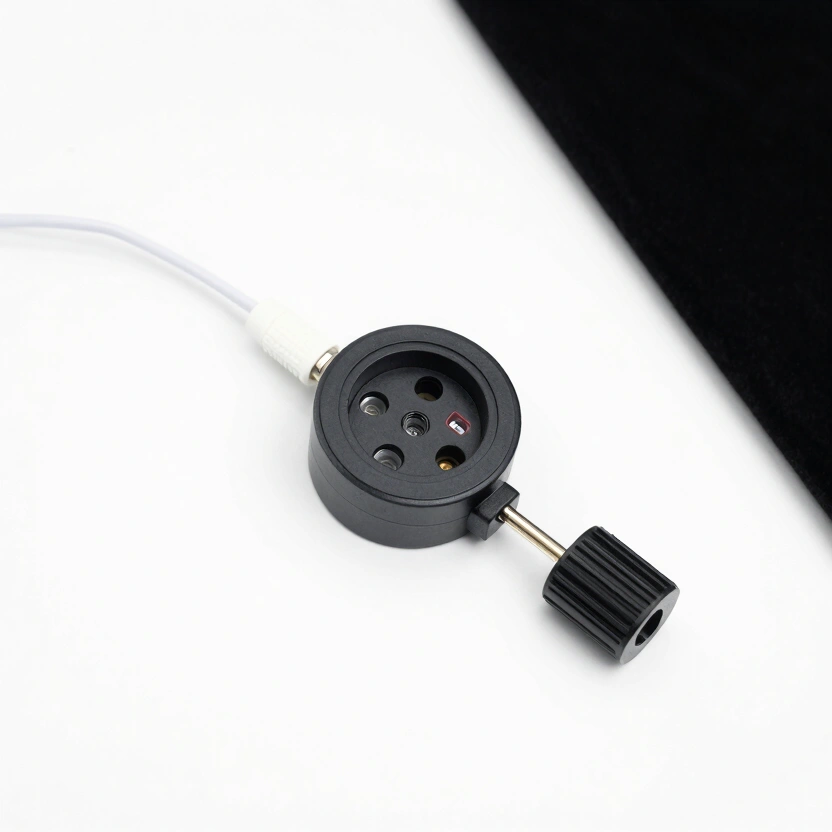
KETOTEK Digital Humidity Regulator Socket
Plug-and-play hygrostat sensor for automated humidity management.
Check Price on Amazon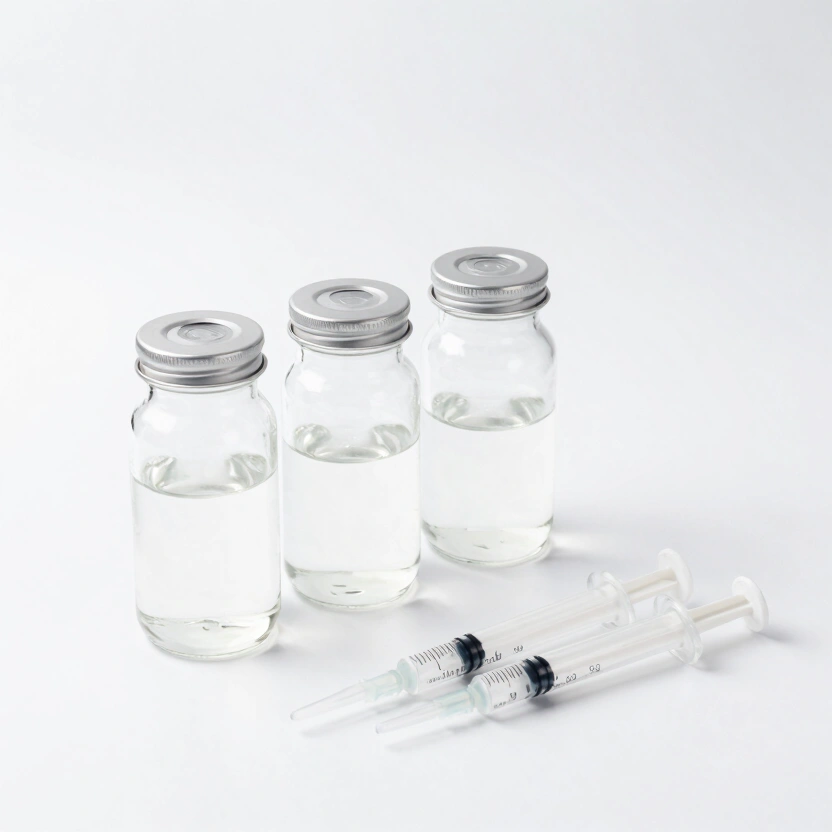
Lion's Mane Mushroom Liquid Culture Making Kit
Professional kit for expanding and storing mushroom liquid cultures.
Check Price on Amazon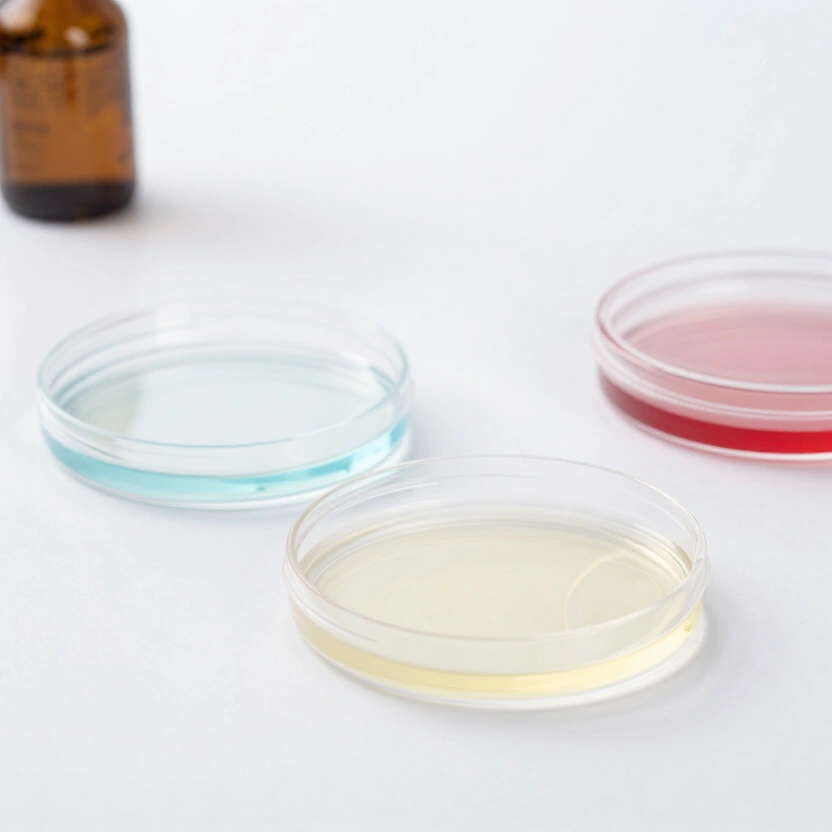
Sabouraud 2% Glucose Agar Plates (Pack of 20)
Sterile nutrient media plates for advanced microbiological cultures.
Check Price on Amazon* Affiliate links. Prices last updated March 6, 2026.
Physics of Extraction: UAE and Kavitation
For the technical cultivator, UAE is the “Gold Standard.”
- Shear Forces: Ultrasonic waves create localized pressure changes of over 1,000 atmospheres.
- Microporation: These forces create tiny pores in the mushroom tissue, allowing the solvent to penetrate deep into the core of the particles.
- Cold Extraction: UAE allows for high-yield triterpene extraction at room temperature, ensuring that delicate terpenes are never exposed to oxidative heat.
Standardisation: Measuring Potency
Without testing, your extract is a “black box.” Professional labs measure potency through: You might assume your extract is potent because it looks dark and tastes bitter. That correlation is unreliable. Color comes from melanin and tannins, not necessarily from the compounds you care about.
- Beta-Glucan Percentage: Utilizing the Megazyme assay to distinguish between fungal beta-glucans and residual starch (fillers).
- Total Dissolved Solids (TDS): Using a refractometer to measure the density of the extract. A high-quality dual extract should have a TDS of 5% or higher.
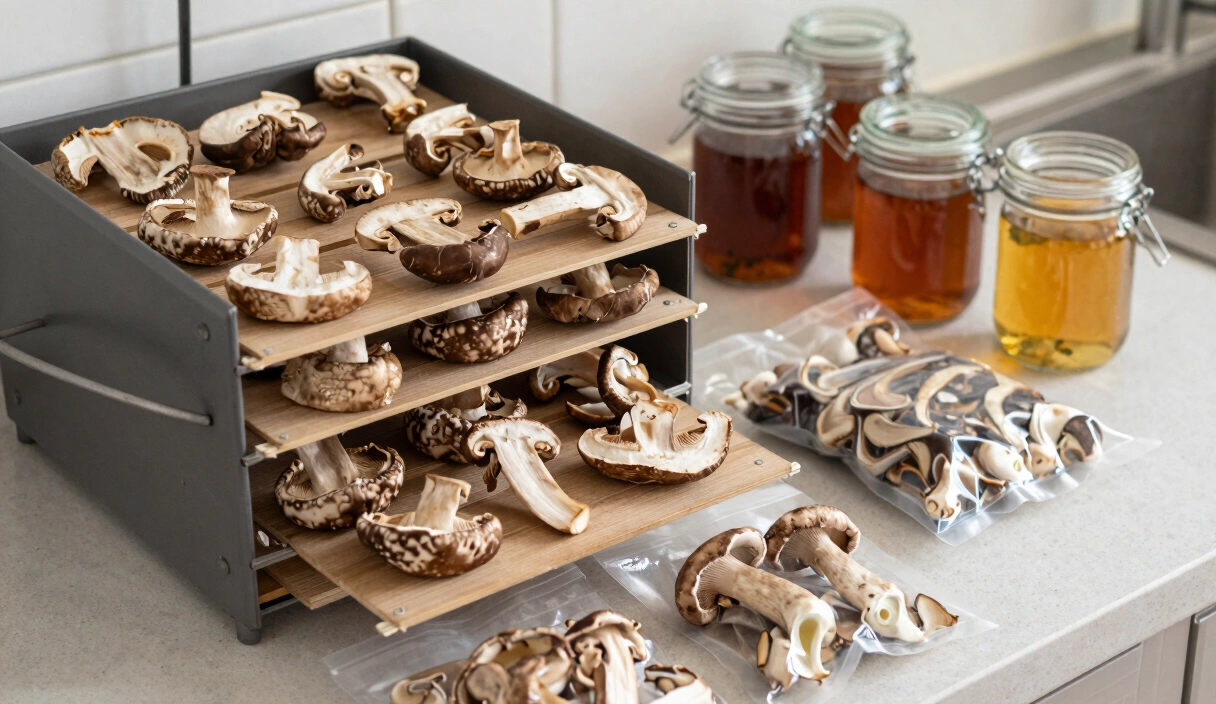
Run a 24-hour hot water decoction and a parallel ethanol maceration (or a 30-minute UAE session), blend to 25-30% final ethanol, and test with a refractometer for TDS above 5%. Store in amber glass. The quality of the extract starts with the quality of your dried biomass.
Frequently Asked Questions
Why can’t I extract mushrooms with alcohol only?
Alcohol is a poor solvent for beta-glucans, the primary immunomodulatory compounds. Pure alcohol also denatures proteins on the cell surface, sealing the walls shut and blocking solvent penetration. You need both water and alcohol to capture the full spectrum of fungal compounds.
Can I use a jewelry ultrasonic cleaner for mushroom extraction?
With limited results. Jewelry cleaners run 35-50W. Effective mushroom UAE requires 150-600W to generate the cavitation intensity needed for cell wall rupture. A low-power unit will speed things up slightly compared to passive maceration, but the yield difference is substantial. See our Chaga extraction protocol for specific UAE power recommendations.
How long does a mushroom dual extraction tincture last?
If the final ethanol is above 25%, the tincture is shelf-stable for 3 to 5 years. Alcohol permanently inhibits microbial growth. Store in amber glass to protect light-sensitive compounds from UV degradation.
Should I extract fresh or dried mushrooms?
Dried. The drying process makes chitin walls brittle, which means they shatter more easily during pulverization and UAE. Dried material also lets you calculate precise weight-to-solvent ratios (1:5 dry weight to solvent is standard), ensuring consistent potency across batches.
What is the white sediment at the bottom of my mushroom tincture?
Precipitated polysaccharides. Your final ethanol concentration is too high. If it exceeds 40%, the water-soluble beta-glucans flocculate out of solution. Dilute with your water extract until the blend sits between 25-35% ethanol and the clouds should dissolve.
Related Articles
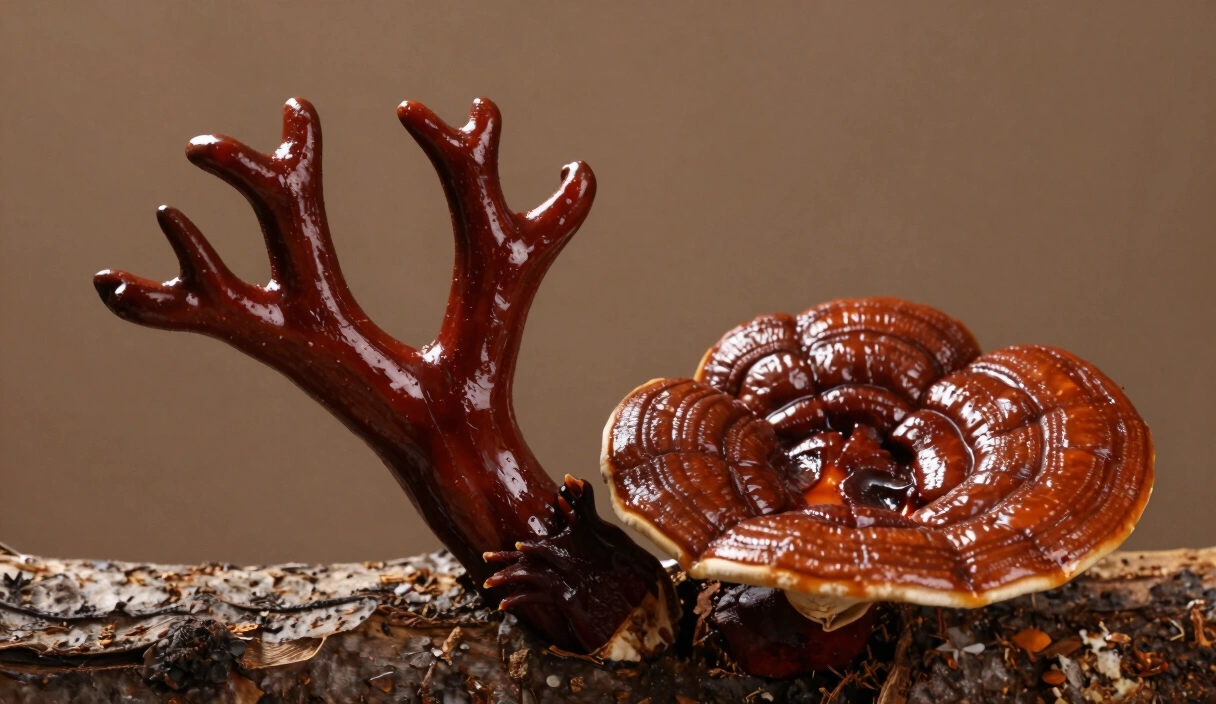
Reishi Cultivation: Engineering Antlers and Conks through CO2 Manipulation
Reishi antlers contain 20-40% more triterpenes than conks — and they're actually easier to grow. CO2 manipulation, morphogenesis, and harvest timing.
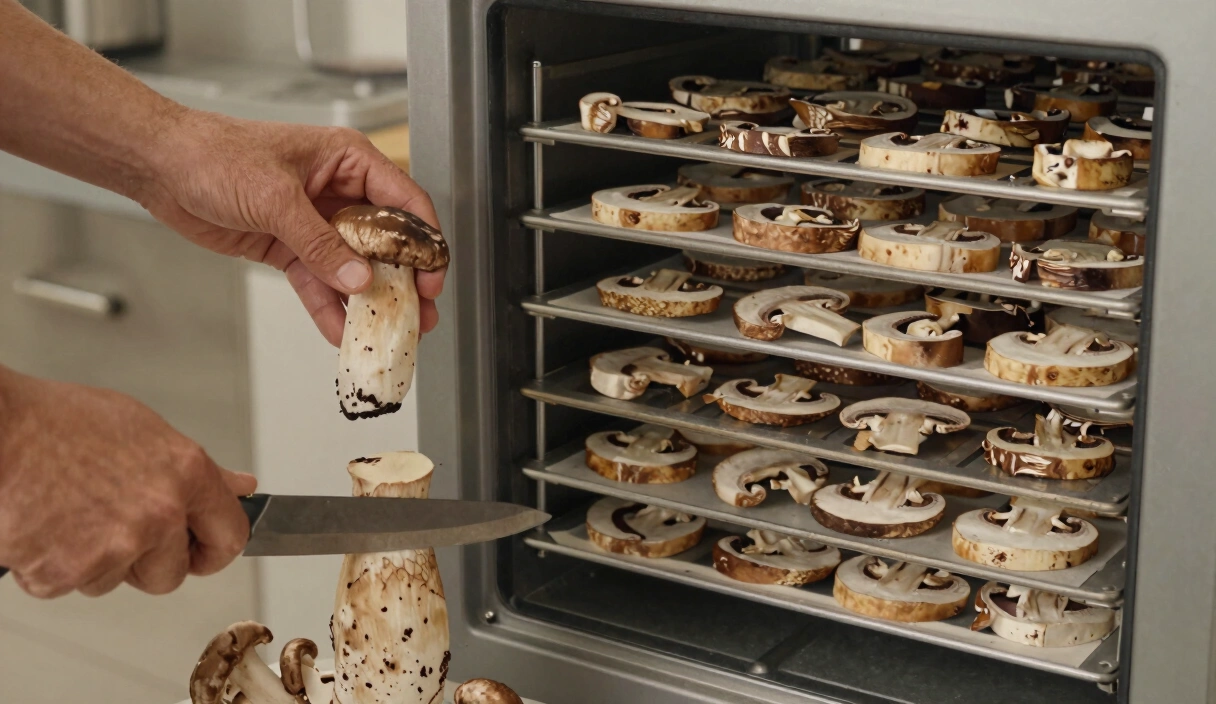
Harvesting and Dehydration Protocols: The Science of Fungal Preservation
When to pick, how to dry, and what water activity level keeps mushrooms shelf-stable. Dehydrator settings, snap tests, and storage mistakes to avoid.
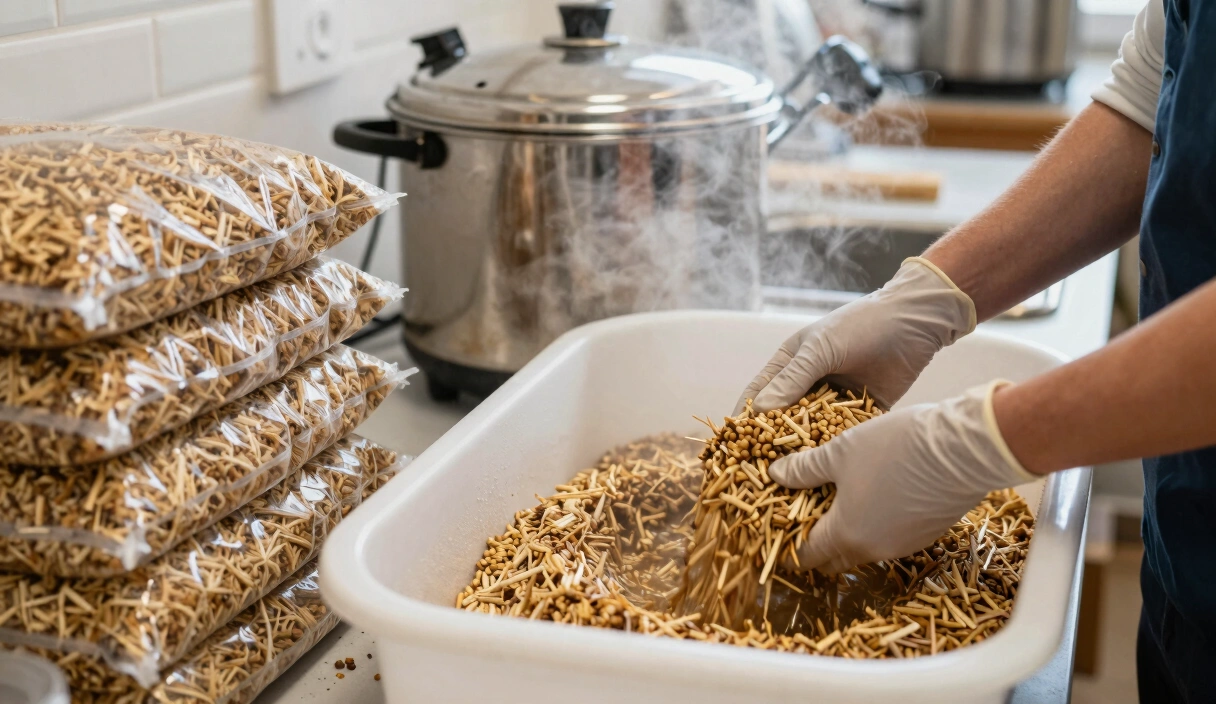
Masters Mix Masterclass: Engineering the Ultimate Substrate for Gourmet Fungi
The 50/50 hardwood pellet and soy hull formula that university research proved produces the highest Biological Efficiency for gourmet mushrooms.