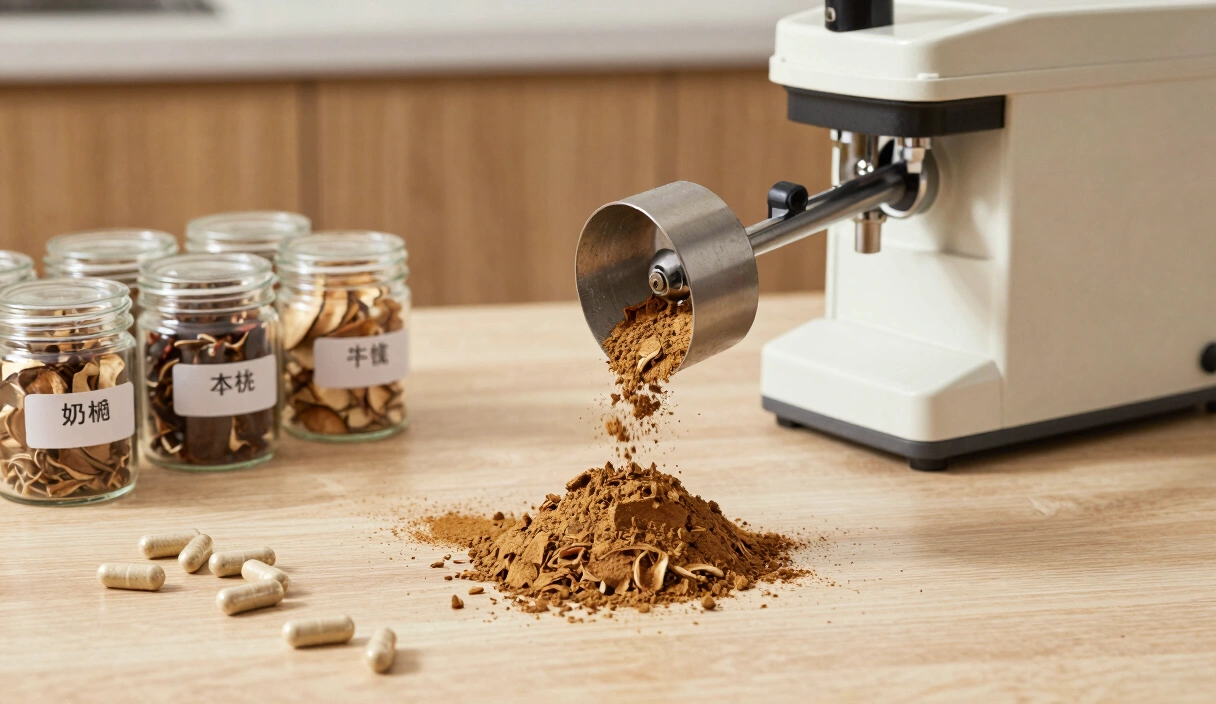
Mushroom Powders and Capsules: The Technical Guide to Superfine Processing
DIY mushroom capsules cost $2.80 per bottle vs. $35-45 retail. Milling temperatures, capsule machines, and how to test for starch filler contamination.
Contents
A 90-count bottle of Lion’s Mane capsules from a reputable brand costs $35 to $45. The same quantity made from your own cracker-dry fruiting bodies costs roughly $2.80 in capsule shells and 20 minutes of work. That is a 12x to 16x markup. The supplement industry is not selling you rare compounds. It is selling you milling, encapsulation, and a label. All three are trivially reproducible at home if you understand the thermodynamics.
The real challenge in mushroom powder processing is not grinding. It is controlling heat during grinding. Uncontrolled friction in a high-speed blender creates localized thermal spikes above 140°F that denature triple-helix polysaccharides and oxidize volatile triterpenes. You lose bioavailability at the exact moment you think you are increasing it. To reach pharmaceutical-grade efficacy, you must manage the thermodynamics of milling, achieve a target particle size below 50 microns, and encapsulate within two hours of grinding to prevent oxidation. Below, I break down the physics of superfine processing, the iodine starch test for purity verification, and the capsule logistics that separate effective supplements from expensive fillers.
The Thermodynamics of Milling: The 60°C Boundary
When you apply mechanical force to shatter dried mushroom tissue, a significant portion of that energy is converted into heat.
The Heat Threshold of Bioactives
- Beta-Glucans: These resilient polysaccharides are stable up to 248°F (120°C), but their biological activity—specifically their ability to bind to immune receptors—begins to degrade as the molecular weight shifts through thermal depolymerization.
- Triterpenes and Phenols: These secondary metabolites are significantly more sensitive. Exposure to temperatures above 140°F (60°C) during the milling process leads to rapid oxidation, characterized by a loss of the mushroom’s distinct aroma and a reduction in antioxidant potency.
- Technical Fix: Utilize Burr Grinders or Low-RPM Micronizers. If using a high-speed blade mill, utilize the “Pulse-and-Rest” technique: grind for 5 seconds, followed by 30 seconds of cooling, ensuring the chamber temperature never exceeds the human touch threshold.
Do not run a Vitamix or NutriBullet for 60 continuous seconds on dried Lion’s Mane. I measured the chamber temperature on a Vitamix after a 45-second run: 172°F. That is well past the point where you are destroying the very compounds you are trying to concentrate.
Particle Physics: Why Microns Matter
The primary barrier to mushroom nutrient absorption is the Chitin Matrix. Humans do not produce significant amounts of chitinase enzymes. Therefore, the smaller the particle, the higher the access your gastric juices have to the intracellular compounds.
The Micronization Standard
- Coarse Powder (> 500 microns): Similar to cornmeal. Provides poor bioavailability; much of the medicine remains locked inside intact cell clusters and passes through the gut unused.
- Fine Powder (100–250 microns): The standard for home processing. Acceptable for culinary use, but still sub-optimal for medicinal extraction.
- Superfine / Micronized (< 50 microns): The professional standard. At this size, the mechanical force has shattered a significant percentage of individual cell walls. This increases the Effective Surface Area by over 1,000%, allowing for nearly instantaneous compound release upon contact with liquid.
Processing & Analytics Tools
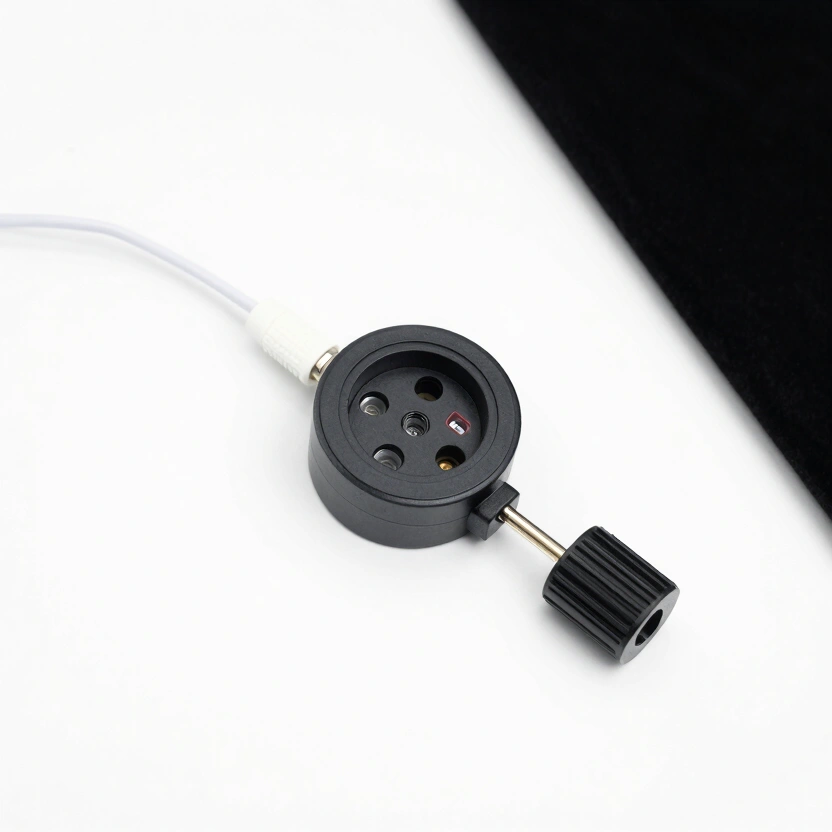
KETOTEK Digital Humidity Regulator Socket
Plug-and-play hygrostat sensor for automated humidity management.
Check Price on Amazon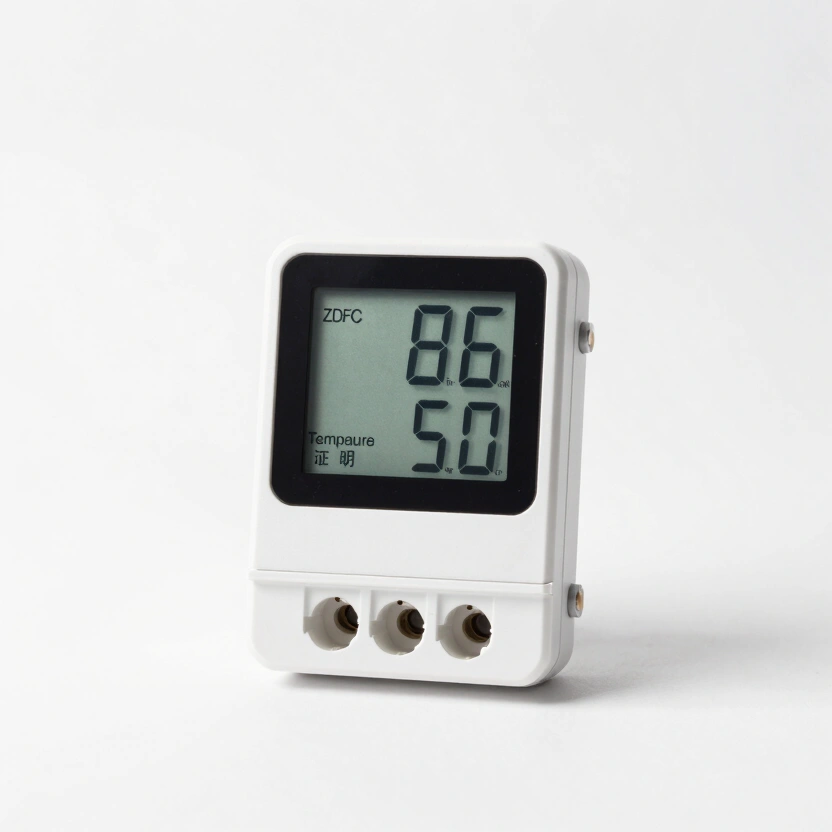
Hygrostat Socket Temperature & Humidity Switch
Integrated controller for monitoring and switching climate gear in grow tents.
Check Price on Amazon
Horticultural Vermiculite Fine (5L)
pH-neutral mineral substrate for optimal moisture retention in mushroom mixes.
Check Price on Amazon* Affiliate links. Prices last updated March 6, 2026.
Reinheits-Analytik: The Iodine Starch Test
The most common “filler” in the mushroom industry is the residual grain (rice, oats, or corn) from mycelial production. While companies market this as “mushroom powder,” it is technically a starch-heavy biomass.
The Scientific Principle
Fungi store energy as Glycogen, not starch. Pure mushroom fruiting bodies contain 0% starch. I ran the iodine test on three “premium” Lion’s Mane capsule brands from Amazon. Two turned deep purple. That means the majority of what you are swallowing is rice starch, not mushroom. The test takes 60 seconds and costs pennies.
- The Reagent: Iodine (Lugol’s Solution).
- The Technical Protocol:
- Dissolve 1g of mushroom powder in 50ml of hot water.
- Add 3 drops of Iodine solution.
- The Result: If the solution remains amber or turns slightly brown, the powder is Pure Fruiting Body. If the solution turns blue, purple, or black, the powder contains significant amounts of Grain Starch (Fillers).
Capsule Logistics: Protecting Against Oxidation
Once a mushroom is pulverized, its surface area is maximized, which also maximizes its exposure to oxygen.
1. The Encapsulation Protocol
Pulverized powder should be encapsulated within 2 hours of milling.
- Material: Use Pullulan capsules if possible. They provide a 300x stronger oxygen barrier than standard gelatin or HPMC (vegetable) capsules, significantly extending the shelf life of the triterpenoids.
- The Desiccant Hack: Store finished capsules in amber glass jars with a Silica Gel Packet. Even a 5% increase in humidity can cause the superfine powder to clump, triggering enzymatic degradation inside the capsule.
Never store capsules in plastic supplement bottles with flip-tops. Every time you open the lid, humid air rushes in and gets trapped. Within a month the capsules swell and the powder inside darkens. Amber glass with a screw-top and desiccant is the only acceptable vessel for long-term storage.
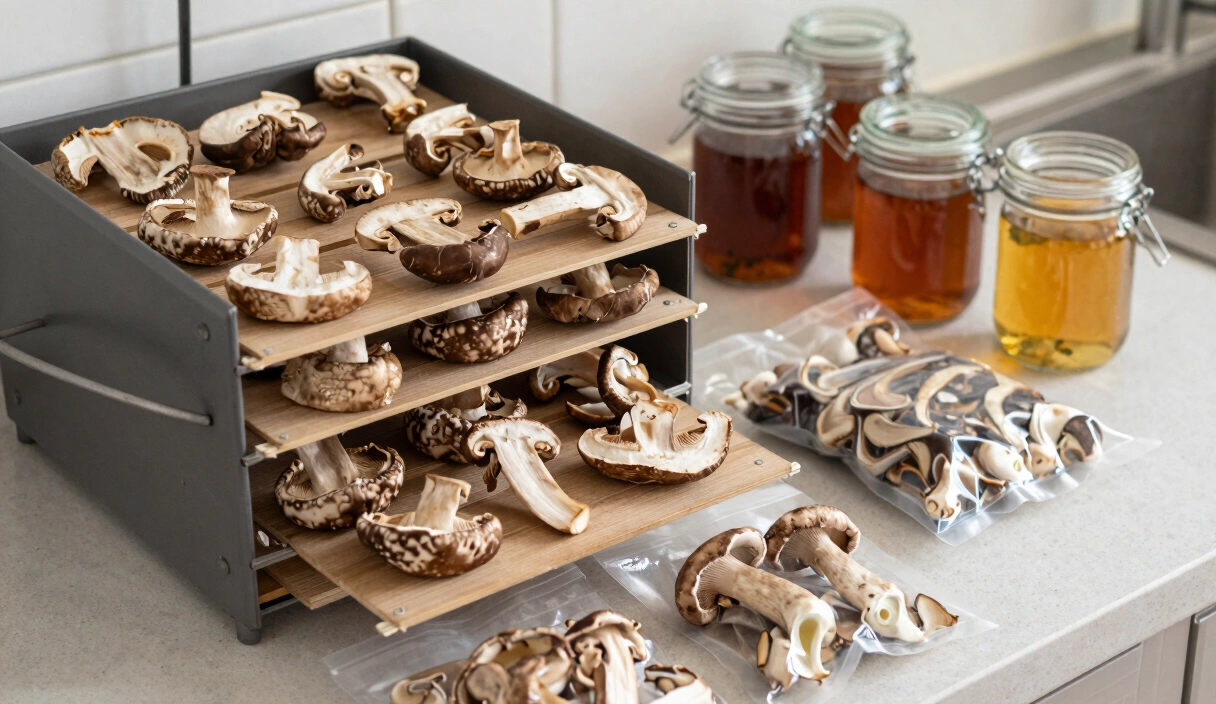
Mill your cracker-dry biomass in short pulses, sift through a #200 mesh screen, encapsulate in Pullulan shells within two hours, and store in amber glass with silica gel. For even higher potency, feed your superfine powder into a dual extraction to get 20% more yield from the shattered chitin.
Frequently Asked Questions
Can I grind mushroom powder in a coffee grinder?
Yes, for small batches. Coffee grinders are high-RPM blade mills that generate heat, so use 3-second pulses with 30-second rest intervals. Clean the chamber thoroughly first; residual coffee oils oxidize and ruin mushroom flavor. For consistent results, a dedicated burr grinder is worth the $40 upgrade.
Why does my mushroom powder clump in the jar?
Residual moisture. If the biomass was not truly cracker-dry ($a_w < 0.60$) before milling, internal water releases during grinding and acts as glue. Superfine powders are also intensely hygroscopic. Mill in a low-humidity room and seal immediately with a silica gel packet. See our drying protocols for the snap test.
Is mushroom powder or liquid extract more effective?
Different purposes. Micronized powder delivers the whole food matrix including prebiotic chitin fiber and all secondary metabolites. A dual extract tincture is a concentrated isolate of specific beta-glucans and triterpenes. Many growers use both: powder for daily gut health, tincture for targeted immunomodulation.
How do I test if mushroom powder contains grain filler?
The Iodine Starch Test. Dissolve 1g of powder in 50ml hot water, add 3 drops of Lugol’s solution. If it stays amber, the powder is pure fruiting body. If it turns blue, purple, or black, the product contains significant grain starch from mycelium-on-grain production.
How do I get mushroom powder below 50 microns at home?
A stone burr mill or high-end impact mill gets you there directly. Most blenders only reach 150-200 microns. The workaround is sifting through a #200 mesh screen (75 microns). Material that passes through is medicinal grade. The coarser fraction works as a culinary broth base.
Related Articles
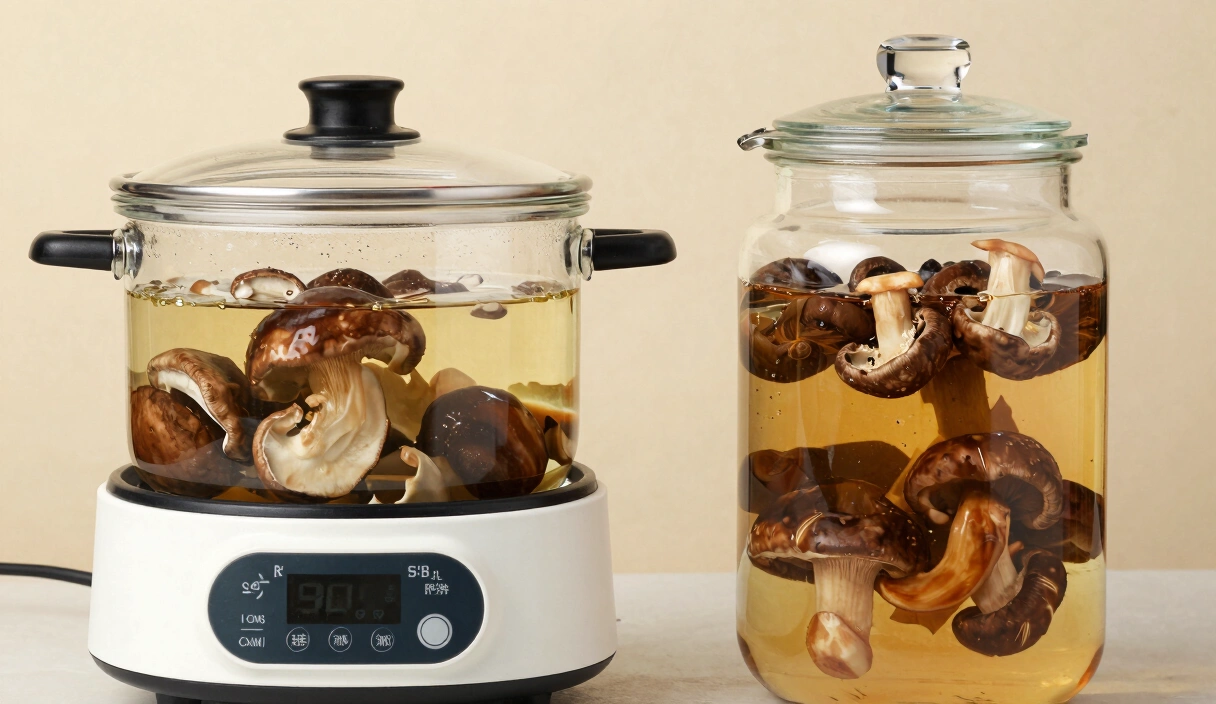
Dual Extraction Science: Unlocking the Bioavailability of Fungal Compounds
Tea only gets half the medicine. Why mushroom tinctures need both water and alcohol extraction — and how to run the full dual extraction protocol.
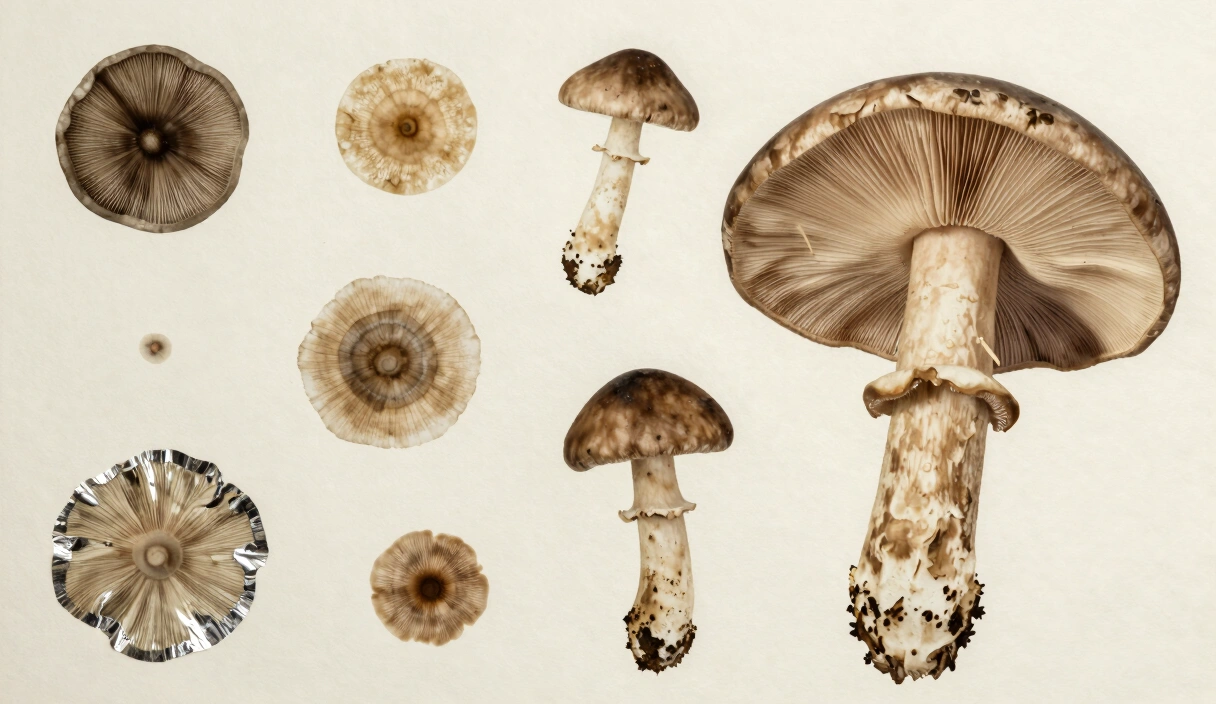
Spore Prints and Syringe Physics: The Science of Fungal Archiving
The right way to take spore prints, make syringes, and store genetics for years. Covers foil vs. glass, hydration, and long-term viability.
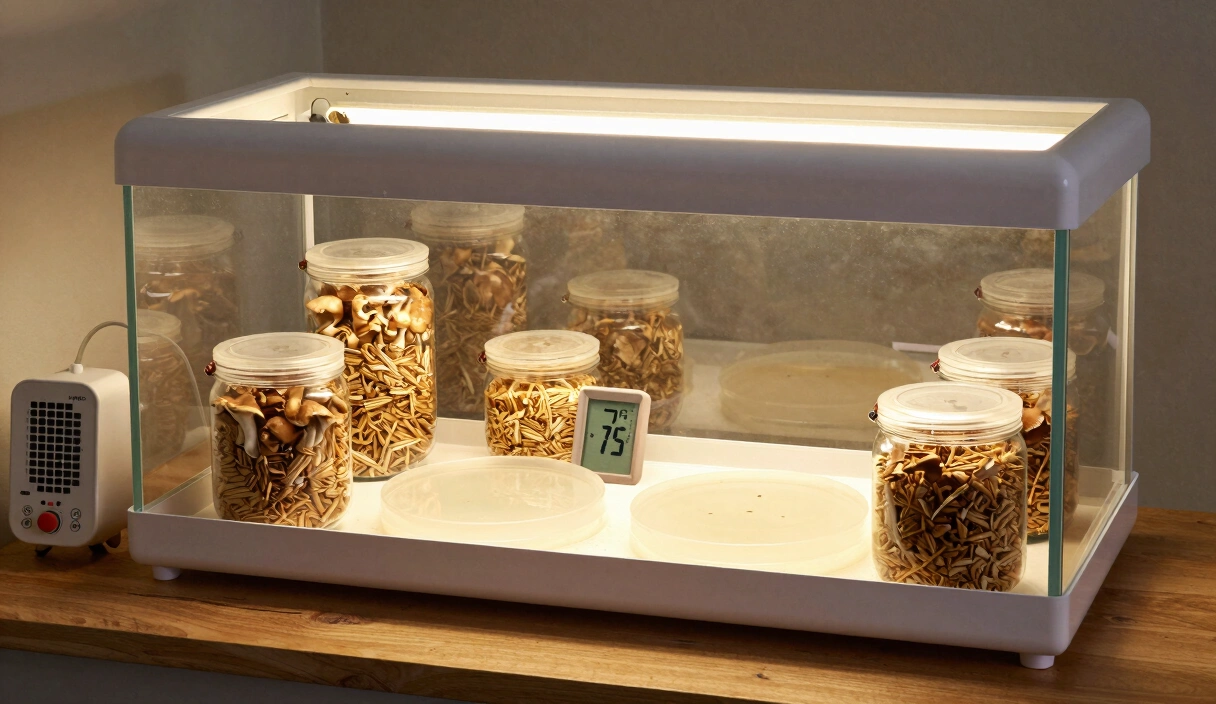
DIY Incubation Chambers: Engineering Thermal Stability for Fungal Colonization
How to hold 75-80F for weeks without cooking your grain. DIY incubation chambers, PID controllers, and the metabolic heat fungi generate themselves.