The Science of Chaga: Bioconversion, Betulinic Acid, and the Birch Host Dynamic
How birch trees convert betulin into betulinic acid — and why wild Chaga contains compounds that lab-grown mycelium simply cannot produce.
Contents
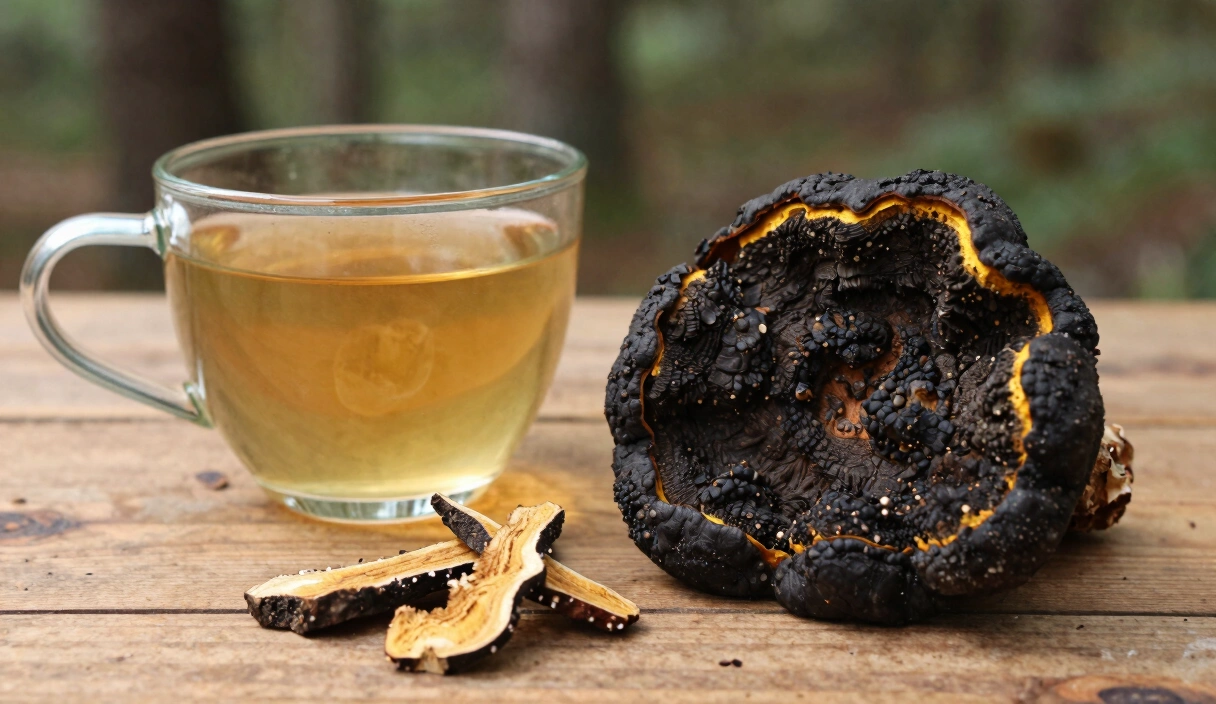
You spot it twenty feet up a paper birch in northern Minnesota: a blackened, cracked mass bulging from the trunk like a chunk of burnt charcoal. It looks like the tree has cancer. In a sense, it does. That mass is a Chaga sclerotium, a dense knot of Inonotus obliquus mycelium that has been parasitizing this birch for possibly 15 years. You pull out a hatchet, carve away a third of the conk leaving the rest to regrow, and crack it open. The interior is a vivid rusty orange, cork-like, and it smells faintly of vanilla and wet bark.
That exterior black crust is not dirt. It is a concentrated layer of fungal melanin with some of the highest antioxidant density measured in any organism. The science of Chaga centers on its role as a biotransformation engine. The fungus absorbs Betulin from birch bark and converts it through Cytochrome P450 oxidation into Betulinic Acid, a compound with documented anti-tumor and anti-inflammatory properties. Lab-grown Chaga on grain or sawdust tests at near-zero levels for betulinic acid because there is no birch host supplying the precursor. Below, I break down the molecular mechanisms of this bioconversion, the physics of melanin extraction, and why wild-harvested Chaga from a living birch is pharmacologically irreplaceable.
The Chemistry of the Host: The Betulin Pipeline
Birch trees produce a white, powdery triterpene called Betulin in their bark as a defense mechanism against insects and rot. While betulin itself has limited bioavailability in humans, the Chaga fungus possesses the specific Cytochrome P450 monooxygenases required to refine this raw material.
1. The C-28 Oxidation Mechanism
As Chaga hyphae penetrate the birch sapwood, they absorb betulin and transport it to the external “conk” (the sterile sclerotium).
- The Reaction: The fungus oxidizes the C-28 alcohol group of the betulin molecule, converting it into a carboxylic acid.
- The Result: Betulinic Acid. This compound is significantly more bioactive than its precursor, demonstrating potent anti-tumor, anti-viral, and anti-inflammatory properties.
- The Technical Implication: Because this process requires a constant flow of precursors from a living tree, lab-grown Chaga (grown on grain or sawdust) consistently tests at near-zero levels for betulinic acid.
Most supplement companies selling “Chaga” capsules are selling you mycelium grown on rice. They are not lying about the species name. They are omitting the fact that without a birch host, the flagship compound simply does not exist in the product. Read the label. If it says “mycelial biomass” instead of “wild-harvested sclerotium,” the betulinic acid content is functionally zero.
The Melanin Shield: Physics of Fungal Pigmentation
The most visible feature of Chaga is its charcoal-black exterior. This is a massive accumulation of Fungal Melanin—specifically 1,8-dihydroxynaphthalene (DHN) melanin.
1. Thermodynamic Stability
Chaga uses melanin as a high-density radiation shield. In the extreme cold of Arctic and Boreal forests, this black outer layer absorbs solar radiation, creating a slight thermal delta that allows enzymatic activity to continue even when ambient temperatures are well below freezing. I assumed the melanin was cosmetic, a side product of the fungus sitting in cold weather. I was wrong. The melanin is functional armor. It absorbs UV radiation, generates a thermal microclimate on the birch trunk, and accounts for the majority of Chaga’s antioxidant activity.
- Antioxidant Density: Chaga’s melanin complexes are responsible for its record-breaking ORAC (Oxygen Radical Absorbance Capacity) scores.
- Extraction Physics: Melanin is highly resistant to standard water and ethanol solvents. To unlock these compounds, technical processors utilize Alkaline Extraction or high-pressure decoctions.
Pure Fungal Compounds: Inotodiol and Polysaccharides
While betulinic acid is host-derived, Chaga also produces its own internal arsenal of secondary metabolites.
- Inotodiol: A lanostane-type triterpenoid produced exclusively by Inonotus obliquus. Unlike betulinic acid, Inotodiol is synthesized by the fungus regardless of the substrate, making it one of the few biomarkers of quality in lab-grown Chaga.
- Chromogenic Complex: A unique suite of water-soluble phenolic compounds that give Chaga tea its deep, ink-black color. These are the primary immunomodulators in traditional Chaga preparations.
Chaga Processing & Extraction Essentials
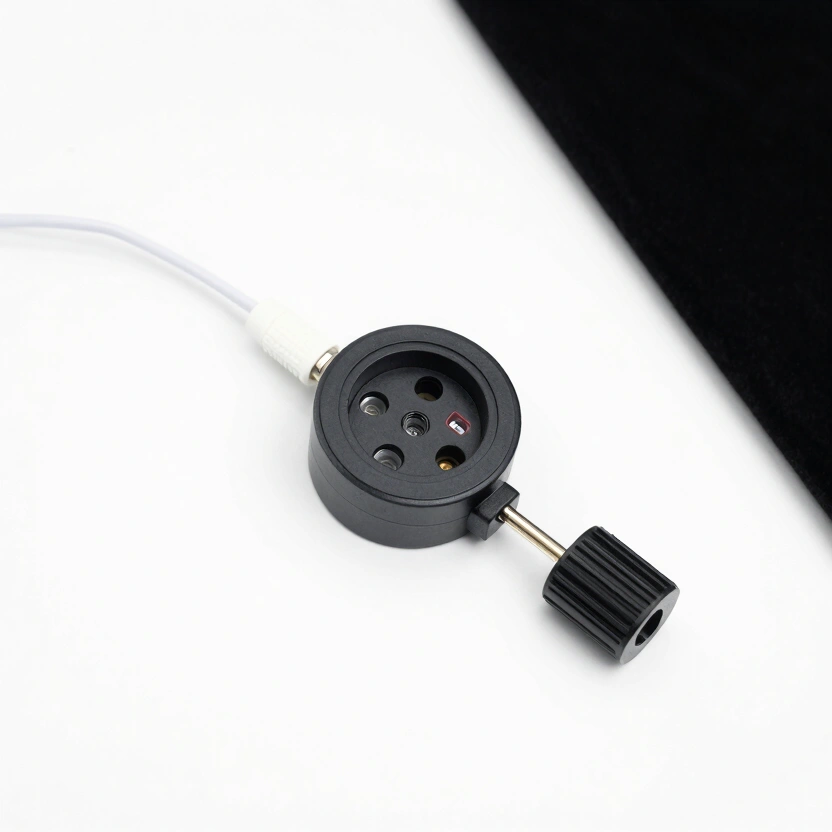
KETOTEK Digital Humidity Regulator Socket
Plug-and-play hygrostat sensor for automated humidity management.
Check Price on Amazon
Lion's Mane Mushroom Liquid Culture Making Kit
Professional kit for expanding and storing mushroom liquid cultures.
Check Price on Amazon
Sabouraud 2% Glucose Agar Plates (Pack of 20)
Sterile nutrient media plates for advanced microbiological cultures.
Check Price on Amazon* Affiliate links. Prices last updated March 6, 2026.
Extraction Masterclass: Breaking the Sclerotium
Chaga is physically the hardest fungus in cultivation. Its sclerotium is a mix of dense mycelium and oxidized birch lignin. Standard “steeping” is insufficient.
1. Pulverization Metrics
To achieve high yields, Chaga must be milled to a particle size of < 100 microns. (See our Mushroom Powders Guide for technical milling protocols).
2. The Dual-Stage Decoction
- Water Extraction: Simmer pulverized Chaga at 194°F (90°C) for a minimum of 24 hours. This breaks down the chitin and dissolves the chromogenic complexes and beta-glucans.
- Ethanol Extraction: Soak the residual biomass in 95% Ethanol for 4 weeks (or utilize UAE for 30 minutes). This isolates the lipophilic betulinic acid and inotodiol.
- The Precipitate Risk: Remember the 25% ethanol threshold. If your final blend exceeds 40% alcohol, you will lose your water-soluble polysaccharides to flocculation.
Sustainability and Ethics: The Slow Growth Problem
Chaga is a slow-growing parasite. A harvestable conk takes 10 to 20 years to develop. Contrary to the “superfood” marketing, Chaga is not an infinite resource. Commercial overharvesting in Siberia and Finland has already depleted several traditional collection zones. If you forage, the math is simple.
- The 20% Rule: Never harvest more than 20% of the Chaga conks in a single area.
- Host Preservation: Never use an axe or saw that penetrates the living wood of the birch. If you wound the tree too deeply, you invite secondary wood-rotting fungi that will kill the host and the Chaga colony.
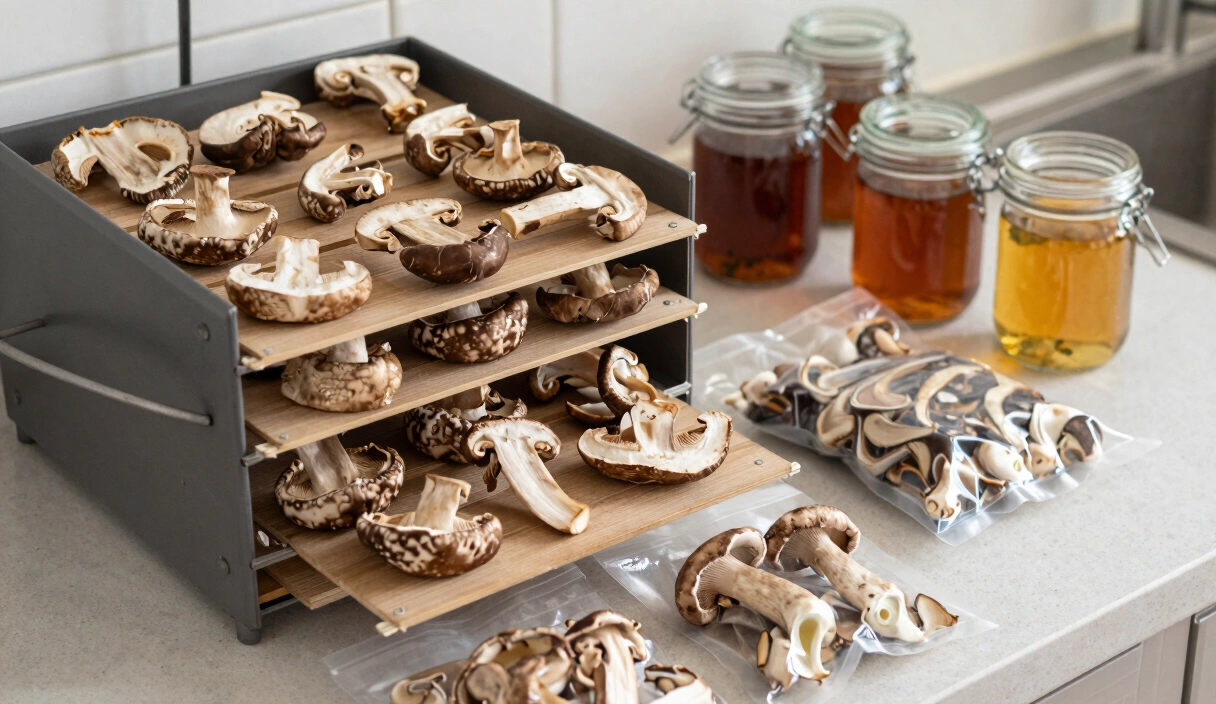
Source wild-harvested Chaga from a living birch, mill to under 100 microns, run a 24-hour water decoction followed by an ethanol maceration, and keep the final blend below 35% alcohol. For the milling protocol that preserves melanin integrity, see our mushroom powder processing guide.
Frequently Asked Questions
Can I grow Chaga at home on sawdust or grain?
You can grow Inonotus obliquus mycelium indoors, but it will not contain meaningful betulinic acid. That compound requires enzymatic conversion of betulin from a living birch host. For indoor medicinal cultivation, focus on Reishi or Lion’s Mane and source wild-harvested Chaga separately.
Is the black crust on Chaga mold or dirt?
Neither. That is the sclerotium, a concentrated layer of fungal melanin with record-breaking antioxidant density. Do not scrape it off. The black exterior is the most nutrient-dense part of the organism. Process the entire conk.
How do I distinguish Chaga from a tree burl?
A burl is covered in bark and composed of wood tissue. Chaga has no bark. It has a cracked, charcoal-like black surface. Cut into it: Chaga interior is rusty orange with a cork-like texture. If the interior looks woody with visible grain, it is a burl.
Why does my Chaga tea taste bitter?
Bitterness indicates high triterpene content, specifically inotodiol and betulinic acid. A bland Chaga tea likely has low medicinal potency. To improve flavor without diluting the compounds, blend with vanilla, cinnamon, or a small amount of coconut oil to emulsify the lipophilic triterpenes.
How long does it take for a Chaga conk to regrow after harvesting?
10 to 20 years for a full-sized harvestable conk. Always follow the 20% rule: never take more than a fifth of the conks in a single area, and never cut deep enough to wound the living birch sapwood. Overharvesting invites secondary wood-rot fungi that kill both the tree and the Chaga colony.
Related Articles
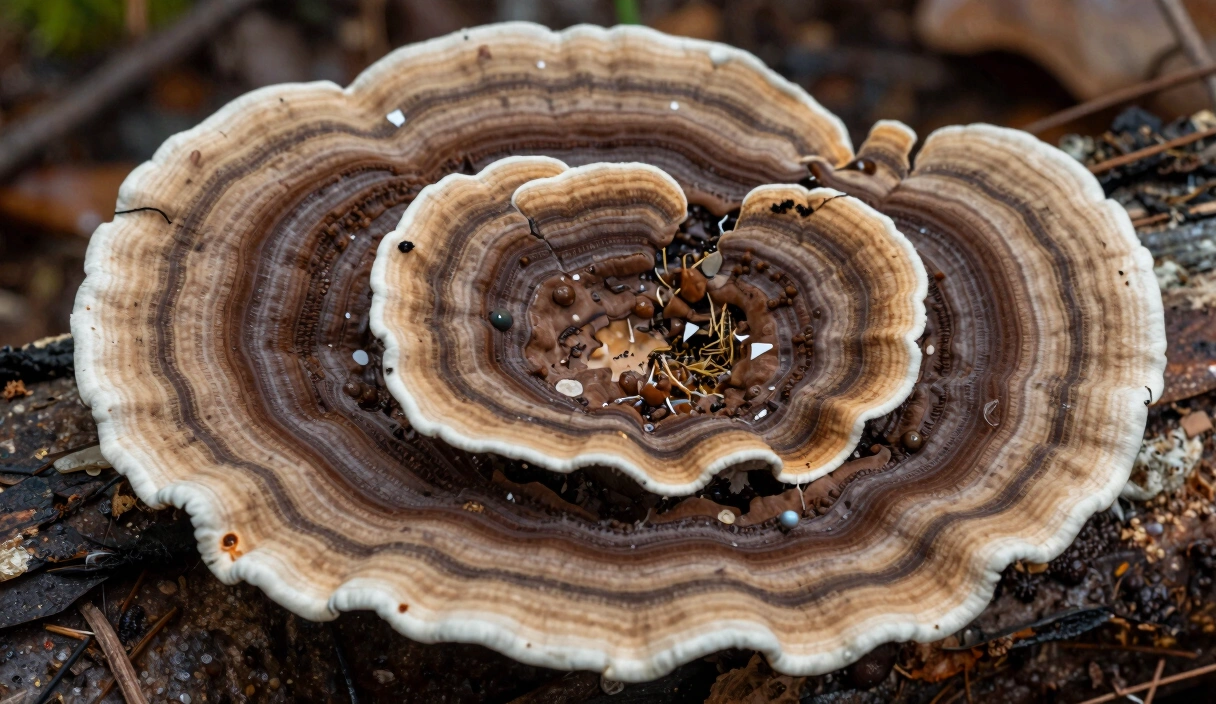
The Science of Turkey Tail: Mastering PSK and PSP Biosynthesis
Turkey Tail produced PSK — an FDA-approved cancer drug that generated $600M in Japan. The real science behind this mushroom's beta-glucans.
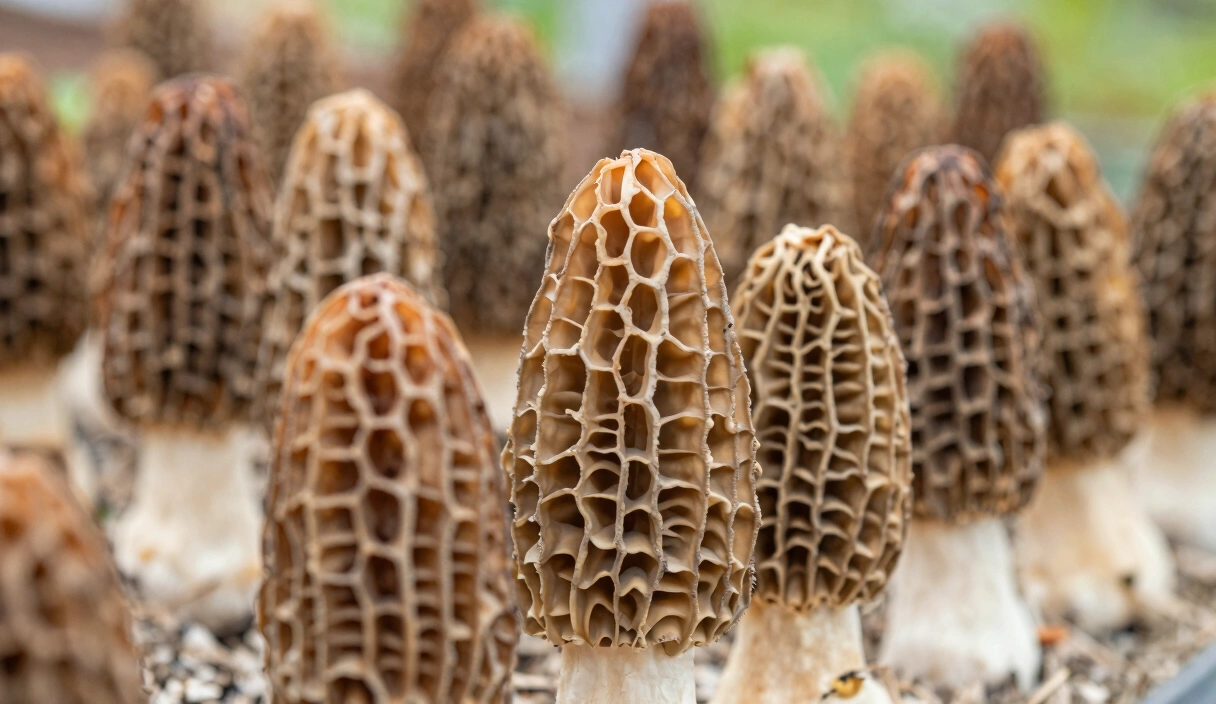
Morel Cultivation: Engineering the Sclerotia-to-Fruit Transition
Can you grow morels indoors? The honest answer involves sclerotia biology, hydrological shock timing, and a success rate that humbles most growers.
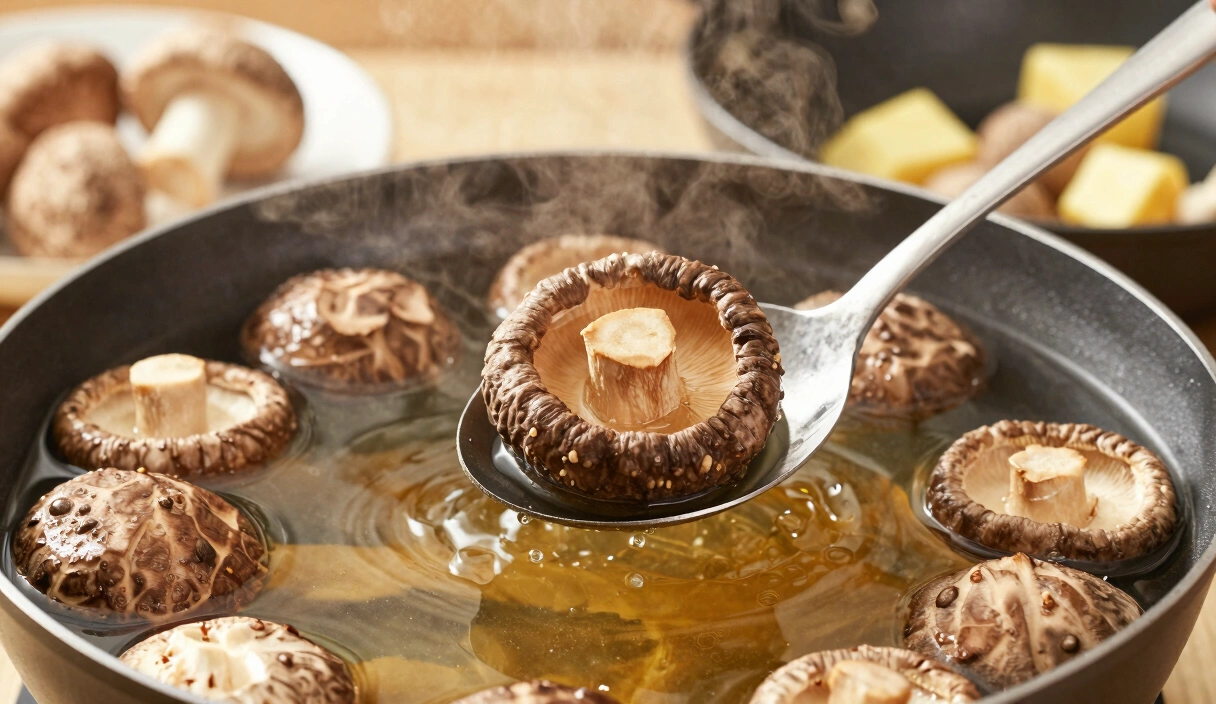
The Science of Umami: Culinary Physics and Fungal Biochemistry
Why mushrooms taste so savory. Glutamate levels, the dry-saute technique, and the Maillard reaction that turns a shiitake into something extraordinary.