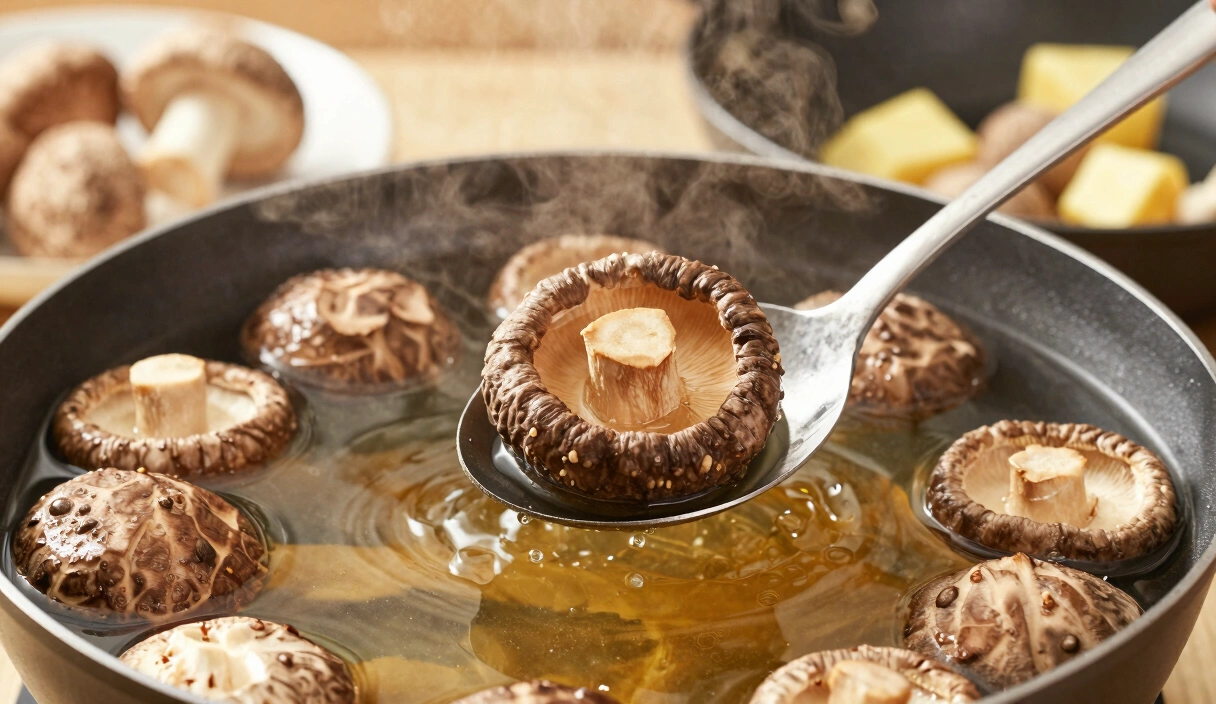
The Science of Umami: Culinary Physics and Fungal Biochemistry
Why mushrooms taste so savory. Glutamate levels, the dry-saute technique, and the Maillard reaction that turns a shiitake into something extraordinary.
Contents
Centuries before Kikunae Ikeda isolated glutamate in 1908, Chinese farmers in the Song Dynasty were sun-drying Shiitake on bamboo racks and grinding them into seasoning powder. They did not have a name for umami, but they understood the technique: slow dehydration at low heat concentrates flavor compounds by an order of magnitude. A dried Shiitake contains roughly 10x the Guanosine Monophosphate (GMP) of its fresh counterpart. Those medieval processors were performing enzymatic RNA hydrolysis without knowing it.
The science of umami in mushrooms is not about recipes. It is about molecular synergism, specifically the interaction between L-Glutamate and GMP on your T1R1 taste receptors and the precise management of the Maillard Reaction in a hot pan. Mushrooms are the only non-animal source of high-intensity savory flavor, but most cooks ruin them by crowding a pan and boiling them in their own water. Below, I break down the biochemistry of the “Umami Multiplier,” the physics of the steam barrier, and the dry-saute protocol that professional chefs use to bypass it.
The Biochemistry of the Multiplier: Glutamate and GMP
Human taste receptors for savory flavors (T1R1 and T1R3) are designed to detect L-Glutamate, an amino acid. However, mushrooms contain a “secret weapon” that standard vegetables lack: Guanosine Monophosphate (GMP).
Allosteric Modulation
The interaction between Glutamate and GMP is not additive; it is Synergetic.
- The Mechanism: When GMP molecules bind to the T1R1 receptor, they physically change its shape. This conformational shift increases the receptor’s affinity for Glutamate by up to 800%.
- The Technical Rationale: This is why a dish containing both Shiitake (high in GMP) and tomatoes (high in Glutamate) tastes significantly more “meaty” than either ingredient alone. You are literally re-engineering the sensitivity of your own tongue.
Picture a cast-iron pan, dry, smoking-hot, with a handful of sliced King Oysters going in with zero oil. For 90 seconds nothing happens. Then the squeaking starts as the water leaves the chitin. Then the edges turn mahogany in a single, fast wave. That sound and that color shift is the Maillard reaction happening in real time.
The Drying Boost: Enzymatic RNA Hydrolysis
Fresh mushrooms are delicious, but technical processors know that Dried Mushrooms (especially Shiitake and Porcini) are flavor-concentrates.
- The Science: During the slow dehydration process (120°F – 140°F), heat-activated enzymes called Nucleases begin to break down the long chains of fungal RNA into individual 5’-ribonucleotides like GMP.
- The Result: A dried mushroom can contain 10x the GMP of its fresh counterpart. When rehydrated, these nucleotides leach into the soaking liquid, creating a “Umami Broth” that is chemically identical to the base of many industrial flavor enhancers.
Processing & Extraction Gear
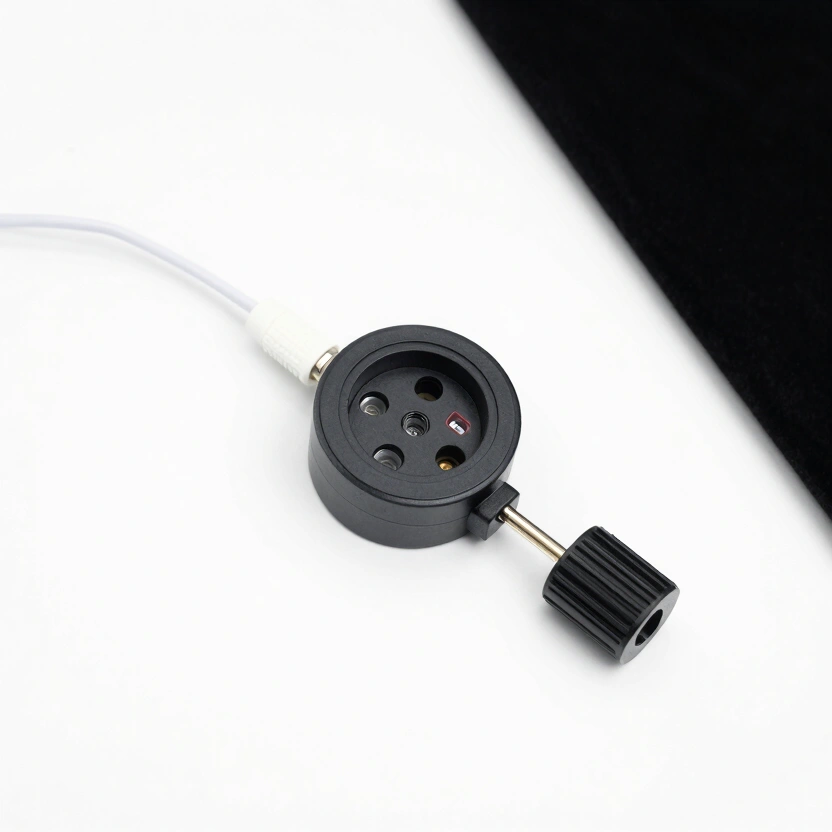
KETOTEK Digital Humidity Regulator Socket
Plug-and-play hygrostat sensor for automated humidity management.
Check Price on Amazon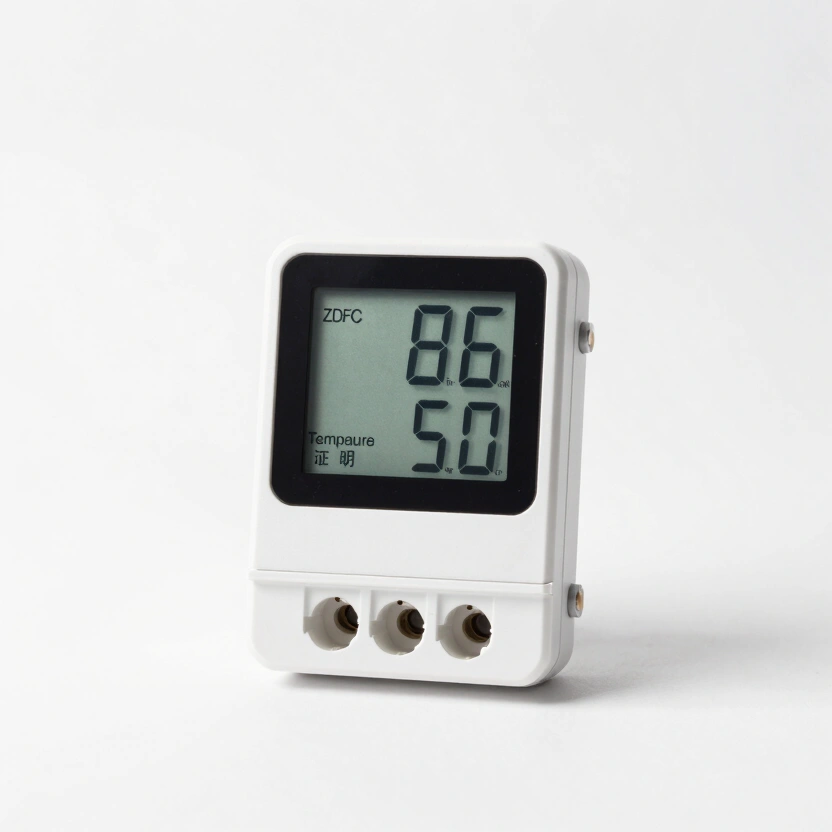
Hygrostat Socket Temperature & Humidity Switch
Integrated controller for monitoring and switching climate gear in grow tents.
Check Price on Amazon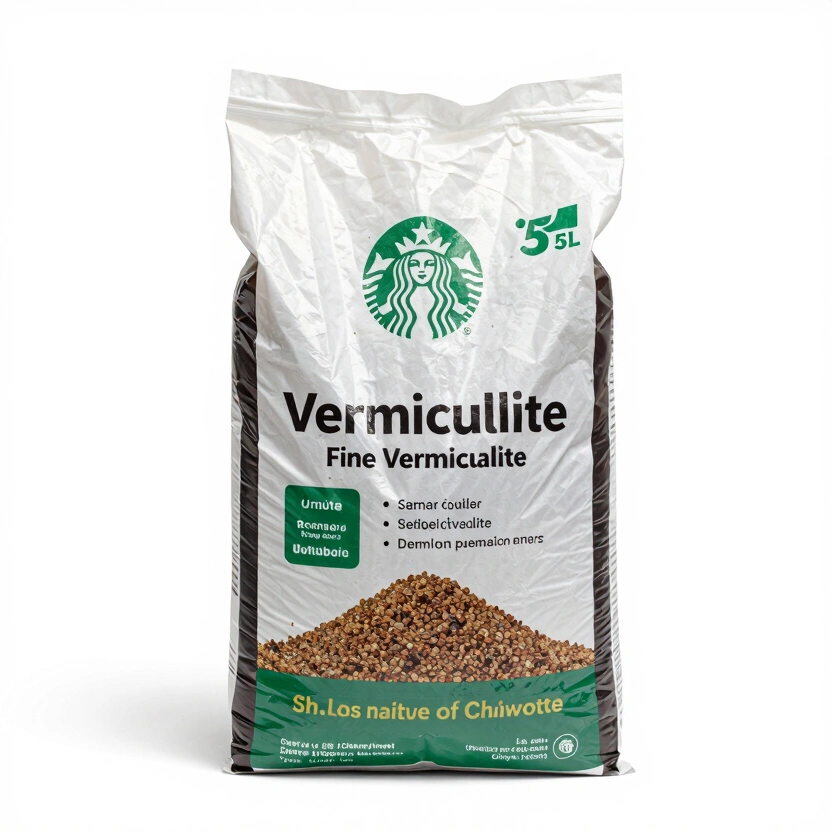
Horticultural Vermiculite Fine (5L)
pH-neutral mineral substrate for optimal moisture retention in mushroom mixes.
Check Price on Amazon* Affiliate links. Prices last updated March 6, 2026.
The Physics of the Pan: Bypassing the Steam Barrier
The primary challenge in cooking fresh mushrooms is their water content. If you place a large volume of sliced Oysters into a pan with oil, the temperature immediately crashes to 212°F (100°C)—the boiling point of water.
- The Problem: The Maillard Reaction—the chemical reaction between amino acids and sugars (Trehalose) that creates brown, savory compounds—requires temperatures of 285°F (140°C) or higher.
- The “Boiling” Trap: If your pan is crowded, the mushrooms simply boil in their own juices. They become rubbery, grey, and lack Umami.
I spent years wondering why my restaurant mushrooms never tasted like the ones at a ramen shop in Portland. The chef there told me one sentence: “I never put more than six pieces in the pan at once.” That was it. The entire secret was thermal headroom.
The Technical Solution: The Dry-Sauté Protocol
To reach the Maillard threshold, technical homesteaders use the Dry-Sauté method.
The Step-by-Step Workflow
- The Dry Start: Place sliced mushrooms in a wide, heavy-bottomed pan (cast iron or carbon steel) with Zero Oil.
- The Evaporation Phase: Apply medium-high heat. The mushrooms will begin to release their internal water. Without oil acting as a thermal barrier, this water evaporates rapidly.
- The Chitin Softening: As the water leaves, the cell walls (Chitin) collapse and soften. You will hear a characteristic “squeaking” sound as the mushrooms rub against the dry metal.
- The Oil Injection: Only once the pan is dry and the mushrooms have shrunk by 50% do you add your fat (butter or tallow) and salt.
- The Maillard Flash: With the water removed, the surface temperature of the mushroom quickly spikes to 300°F+, triggering the Maillard reaction. In 60 seconds, the mushrooms will turn deep mahogany brown and develop a complex, nutty aroma.
Chitin Management: The Acid and Time Factors
Chitin is a resilient polymer. To make thick-stemmed mushrooms like King Oysters tender, you must manipulate the pH. What surprises most cooks is that chitin does not soften the way plant cellulose does. You can simmer a King Oyster stem for 20 minutes and the texture barely changes. Acid or prolonged decoction is the only way to break those bonds without turning the surface to mush.
- Acidic Hydrolysis: Marinating mushrooms in a light acid (vinegar or wine) for 30 minutes before cooking begins to weaken the chitin bonds.
- Low and Slow: For woody mushrooms like Reishi or Turkey Tail, Umami is extracted via long-duration boiling (Decoction), which physically shatters the chitin matrix to release the trapped nucleotides.
Dry your Shiitake at 130-140°F to maximize GMP, then use the dry-saute method in cast iron with zero oil until the water evaporates and the Maillard reaction kicks in at 285°F+. For the ultimate umami base, save the rehydration liquid from your cracker-dry harvest and reduce it into a concentrated broth.
Frequently Asked Questions
Why do my mushrooms taste bitter after frying?
Over-pyrolysis. You crossed from Maillard browning into charring, which creates bitter alkaloids and destroys GMP. If mushrooms turn black before turning brown, your pan is too hot or your oil has a low smoke point. Switch to avocado oil or ghee and reduce heat slightly.
Do mushrooms naturally contain MSG?
Yes. Mushrooms are among the richest natural sources of free L-Glutamate. A Shiitake delivers the biological equivalent of MSG inside a whole-food matrix that also includes the GMP synergy multiplier. That is why mushrooms are the go-to umami source for chefs working without animal stocks or commercial flavor enhancers.
Should I wash mushrooms before cooking?
No. Mushrooms are porous and absorb water like a sponge. Extra water makes it nearly impossible to reach the 285°F Maillard threshold during dry-saute. Wipe with a soft brush or damp paper towel instead.
Do all mushrooms get more flavorful when dried?
Not all. Shiitake and Porcini gain a massive GMP boost from drying. Oysters and Lion’s Mane can lose their delicate floral notes. Use those species fresh for texture. Dry them only if you are making a flavor-base powder for soups.
Can I extract mushroom umami in a microwave?
Yes. Two to three minutes of microwaving ruptures cell walls and releases concentrated “Mushroom Liquor.” Collect it as a high-potency umami additive. The microwave will not trigger the Maillard reaction though, so you get savory depth without the roasted flavor profile of pan-searing.
Related Articles
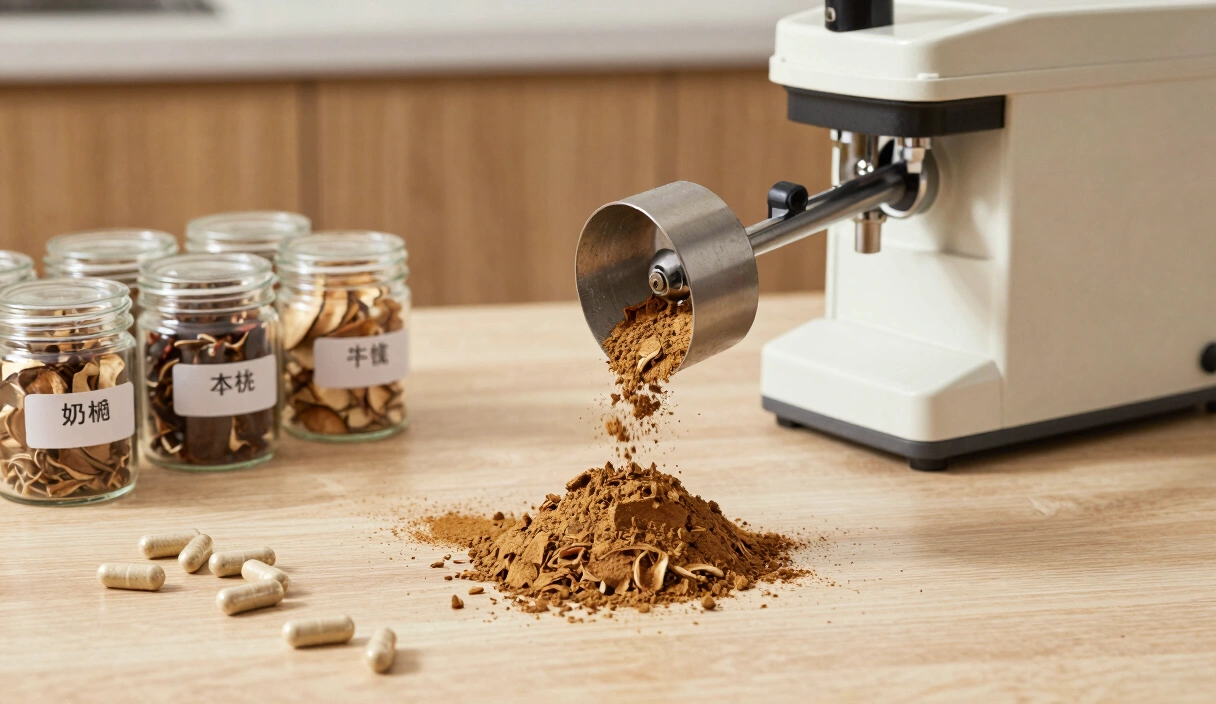
Mushroom Powders and Capsules: The Technical Guide to Superfine Processing
DIY mushroom capsules cost $2.80 per bottle vs. $35-45 retail. Milling temperatures, capsule machines, and how to test for starch filler contamination.
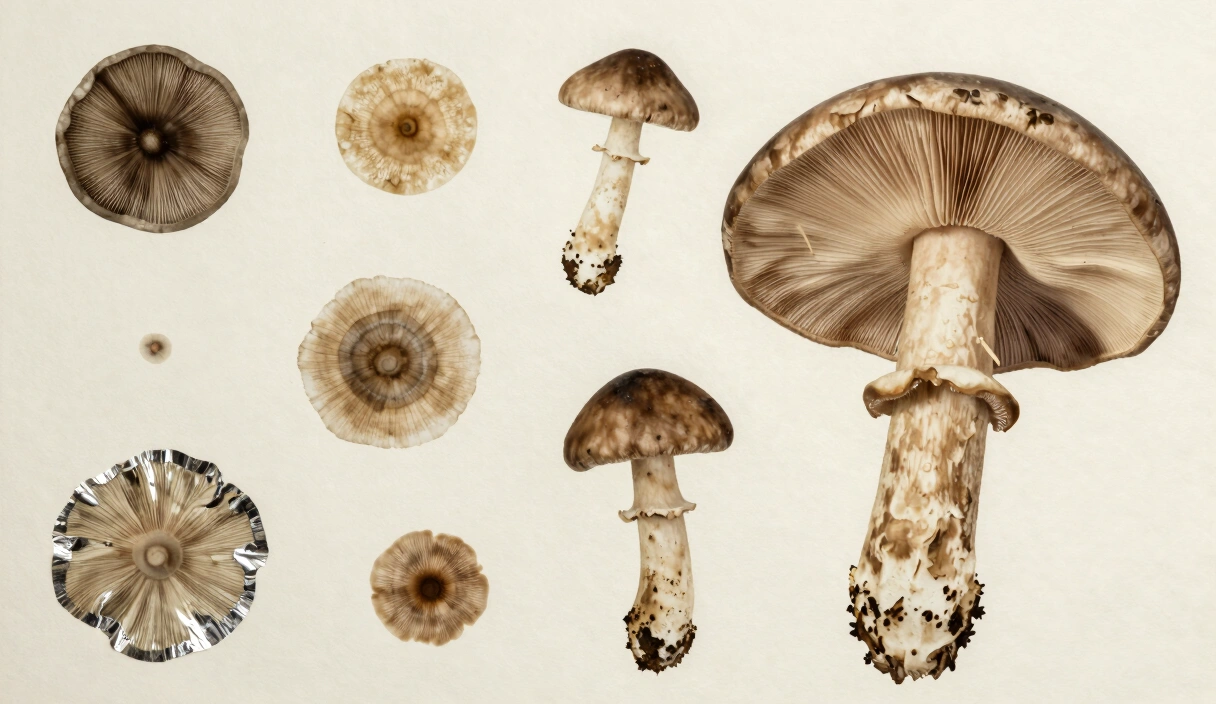
Spore Prints and Syringe Physics: The Science of Fungal Archiving
The right way to take spore prints, make syringes, and store genetics for years. Covers foil vs. glass, hydration, and long-term viability.
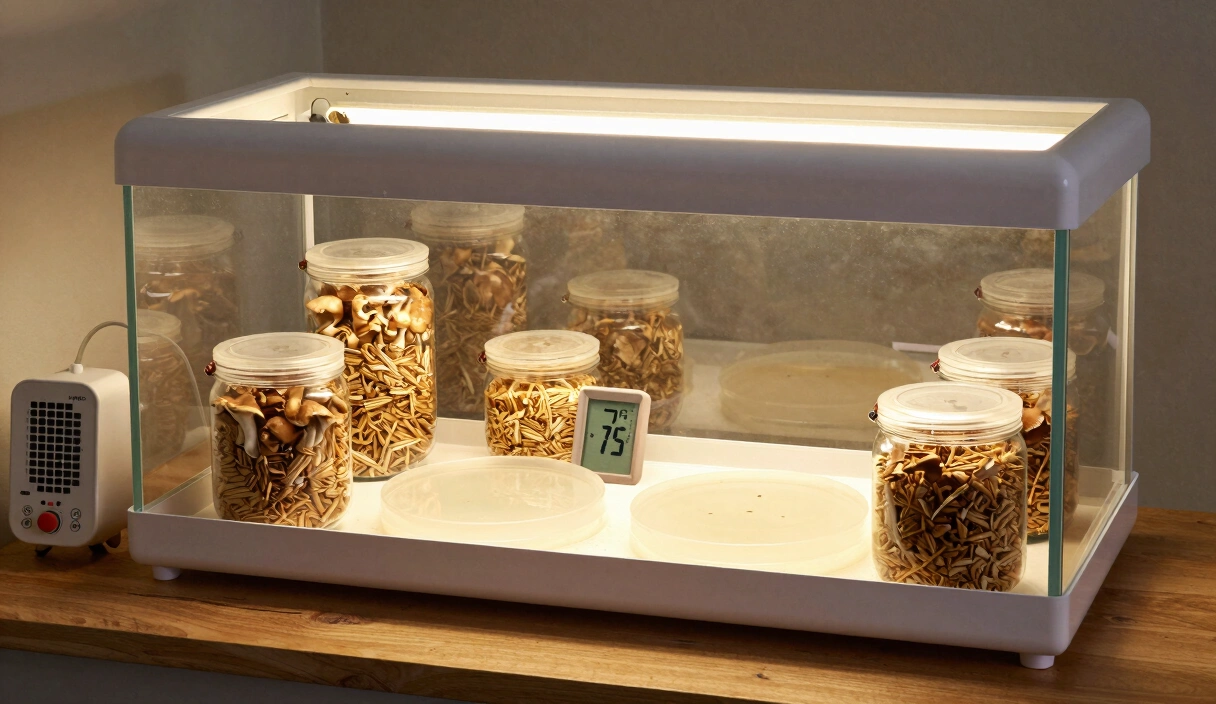
DIY Incubation Chambers: Engineering Thermal Stability for Fungal Colonization
How to hold 75-80F for weeks without cooking your grain. DIY incubation chambers, PID controllers, and the metabolic heat fungi generate themselves.