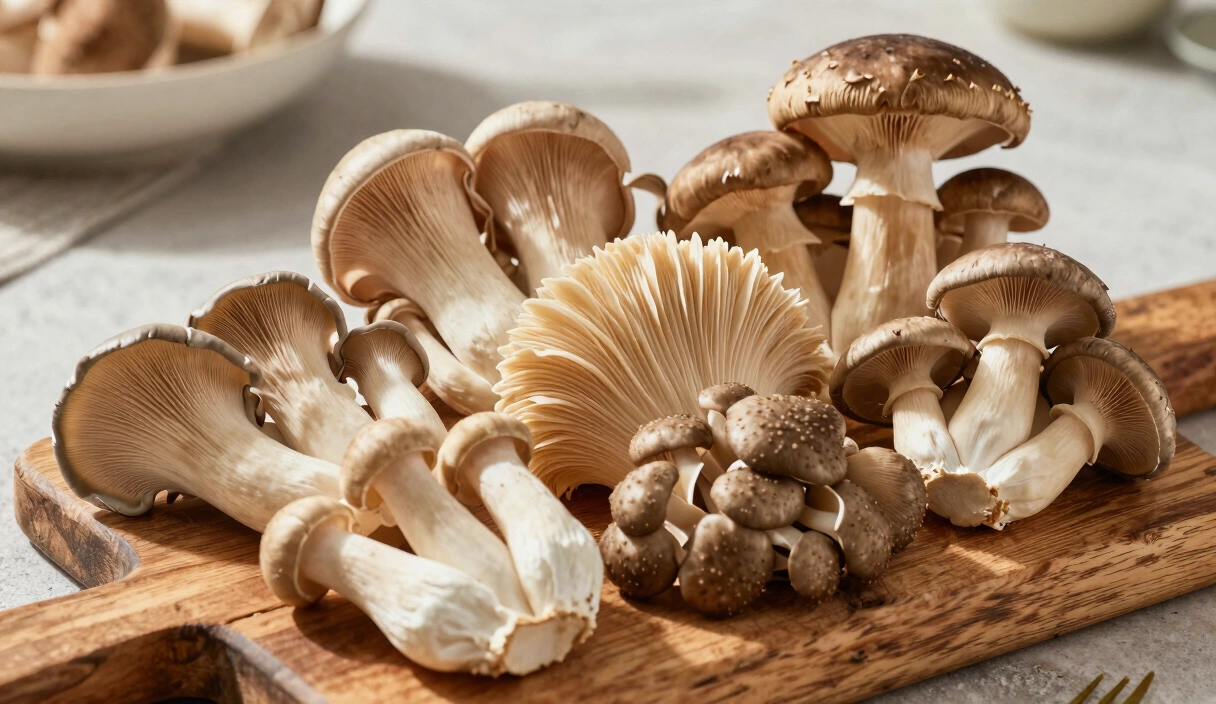
The Best Mushrooms to Grow at Home: A Technical Selection Guide
Which mushrooms are easiest to grow at home? A ranked comparison by CO2 sensitivity, temperature tolerance, and Biological Efficiency for beginners.
Contents
Entering the field of home mycology is often driven by a singular desire: to witness the “magic” of a mushroom appearing overnight. However, for the technical homesteader, the choice of species is not merely an aesthetic decision—it is a strategic one based on environmental control capacity, substrate availability, and desired Biological Efficiency (BE). Not all fungi are created equal; some are aggressive decomposers that can outrun contamination in a bucket of straw, while others are “finicky” laboratory subjects that require precise CO2 monitoring and multi-stage temperature shifts.
To maximize your success, you must match your genetics to your hardware. In this technical guide, we rank the best mushrooms to grow at home using professional metrics like colonization speed, CO2 sensitivity, and market value.
The Foundation: Understanding Biological Efficiency (BE)
Before we dive into specific species, you must understand how to measure your success. Professional mycologists use the Biological Efficiency formula: $$BE = \left( \frac{\text{Weight of Fresh Mushrooms}}{\text{Weight of Dry Substrate}} \right) \times 100$$ For home growers, a BE of 75% to 100% is considered excellent. As you select your species, remember that a “low difficulty” mushroom like the Oyster can often reach 150% BE, providing a much higher return on your substrate investment than rare exotics.
1. Oyster Mushrooms (Pleurotus Species): The Generalist
The Oyster mushroom is the undisputed king of beginner mycology. It is one of the most aggressive decomposers in the fungal kingdom, possessing a powerful enzymatic suite that allows it to colonize almost any cellulose-rich material.
Technical Profile:
- Difficulty: 1/10 (Beginner)
- Colonization Speed: 10–14 Days
- CO2 Sensitivity: Extremely High. If CO2 exceeds 800 ppm, Oysters will grow long, inedible stems and tiny caps.
- Substrate: Wheat straw, hardwood sawdust, or even cleaned cardboard.
| Variety | Best Temp | Trigger |
|---|---|---|
| Blue/Grey Oyster | 55–70°F | Cold Shock |
| Pink Oyster | 70–85°F | Heat Constant |
| Golden Oyster | 65–75°F | High Light (1000 Lux) |
Beginner Species Essentials
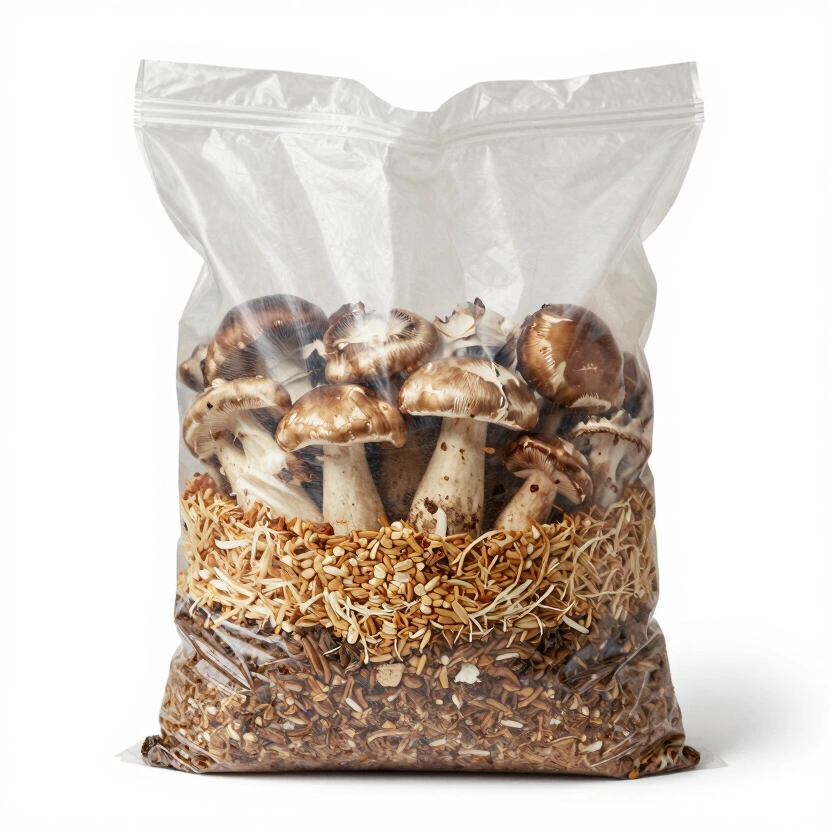
Superior Dung-Loving Mushroom Substrate & Milo Grain 6lb All-in-One Bag
Pre-sterilized all-in-one grow bag with coir, vermiculite, and gypsum formula.
Check Price on Amazon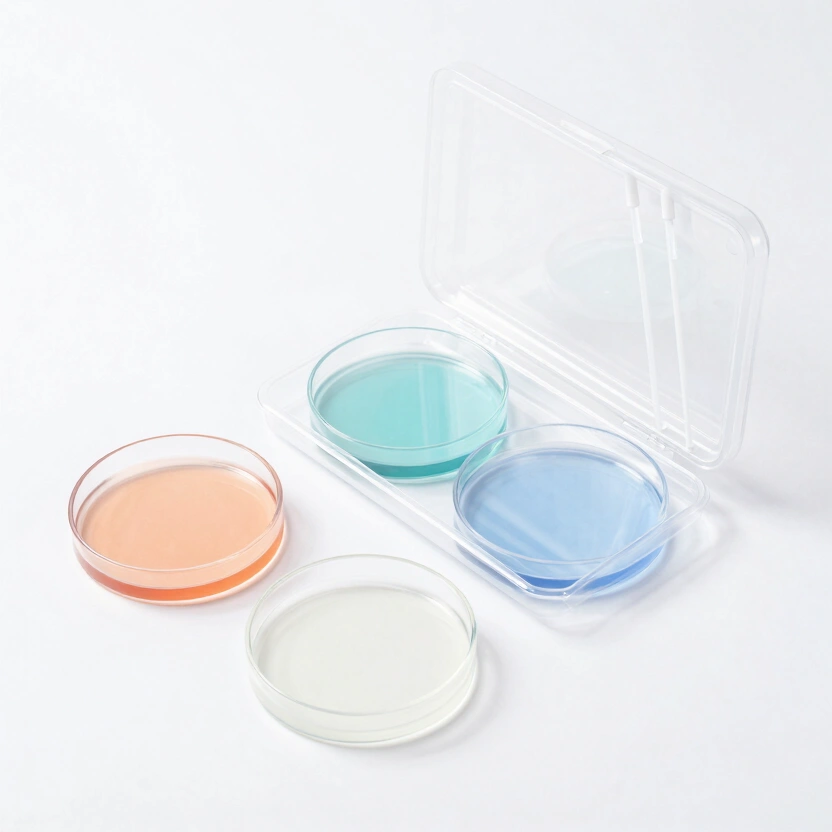
Nutrient Agar Petri Dishes Science Kit
Complete agar kit for home mycology experiments and culture isolation.
Check Price on Amazon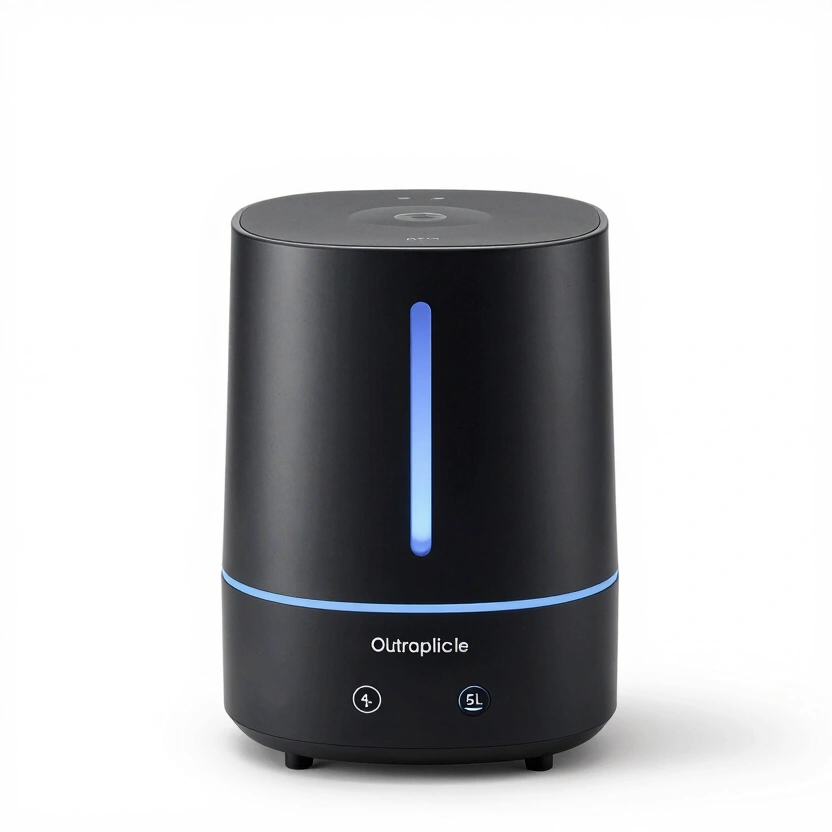
Spider Farmer Smart Ultrasonic Humidifier (5L)
Automatic humidifier with built-in hygrometer for precise fruiting chamber control.
Check Price on Amazon* Affiliate links. Prices last updated March 6, 2026.
2. Lion’s Mane (Hericium erinaceus): The Biohacker’s Choice
Lion’s Mane has exploded in popularity due to its neuroprotective compounds (Erinacines) and its unique, lobster-like culinary profile. Unlike Oysters, it is a slow, steady grower that requires high humidity.
Technical Profile:
- Difficulty: 4/10 (Intermediate)
- Colonization Speed: 21–28 Days
- Morphology: Look for the icicle-like “teeth.” If the mushroom looks like a cauliflower, your FAE is too low.
- Substrate: Masters Mix (50% Hardwood / 50% Soy Hulls) is mandatory for commercial-grade BE.
Lion’s Mane Cultivation Masterclass — A deep-dive into CO2 thresholds and Erinacine synthesis.
I lost my entire first Lion’s Mane block to Trichoderma because I skipped the SAB and tried open-air transfers in my kitchen. Expensive lesson. Worth every dollar.
3. Shiitake (Lentinula edodes): The Patient Classic
Shiitake mushrooms are a lesson in fungal maturity. Unlike the rapid “leap-off” of Oysters, Shiitake mycelium must undergo a process called Browning (pseudo-pycnidia formation) before it is ready to fruit.
Technical Profile:
- Difficulty: 6/10 (Advanced Beginner)
- Browning Phase: 4–8 weeks. The white block must turn chocolate brown and develop a “popcorn” texture.
- The Trigger: A 24-hour “Cold Dunk” in ice-cold water is often required to shock the block into fruiting.
- Substrate: Hardwood sawdust supplemented with 10% rice bran.
Fair warning: if you try to fruit a Shiitake block before it finishes browning, you will get a small, sad flush and a green mold takeover within a week. Patience is not optional with this species.
4. Reishi (Ganoderma lucidum): The Immortal Medic
If you are interested in medicinal mycology rather than culinary, Reishi is the gold standard. It is a “woody” mushroom that is dried and extracted rather than sautéed.
Technical Profile:
- Difficulty: 7/10 (Advanced)
- Growth Pattern: Can be grown in “Antler” form (high CO2) or “Conk” form (high FAE).
- Sterility: Requires high-level sterile technique because its long colonization time (2-3 months) provides a wide window for competitors to enter the block.
Here is something most guides leave out: Reishi antlers grown in sealed bags can actually contain higher triterpene concentrations than the classic conk form. The stressed, searching mycelium produces more secondary metabolites. Counter-intuitive, but the data backs it up.
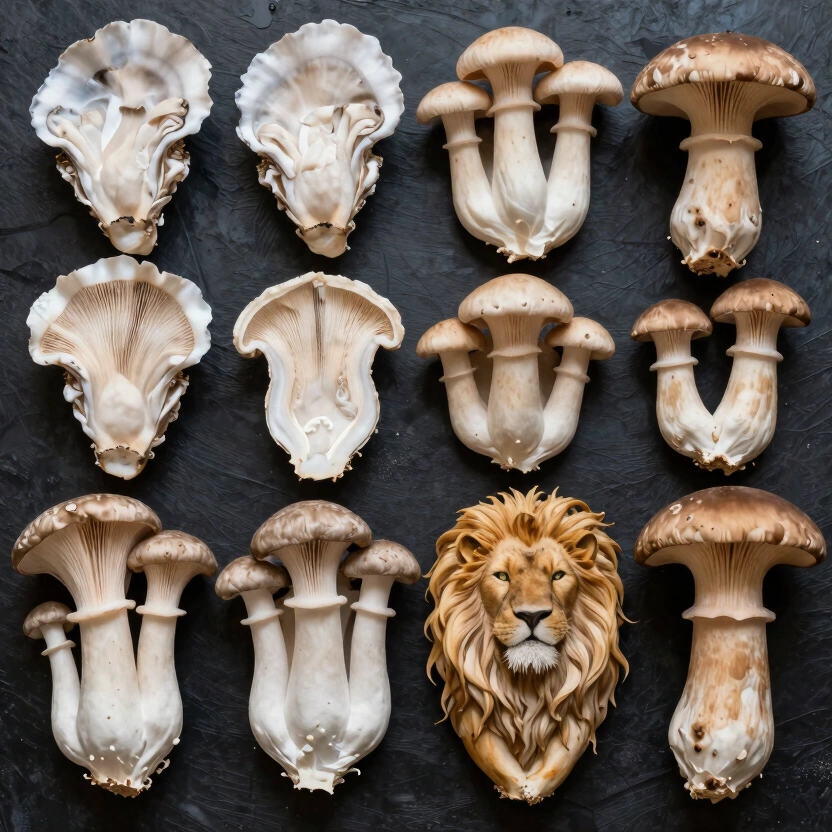
Technical Decision Matrix: ROI vs. Effort
| Species | Harvest Time | Market Value ($/lb) | Best Tek |
|---|---|---|---|
| Oyster | 3-4 Weeks | $10 - $12 | Vertical Bucket |
| Lion’s Mane | 5-7 Weeks | $20 - $25 | Monotub |
| Shiitake | 10-16 Weeks | $15 - $18 | Sawdust Block |
| Reishi | 12-20 Weeks | $30 - $40 | Sealed Bag |
If you matched your species to your climate and substrate budget, you are already ahead of most growers who pick based on Instagram aesthetics alone. Start with the ROI matrix above, lock your environmental setpoints, and run your first block—then refine from data, not guesswork. The 7 Stages of the Mushroom Lifecycle will walk you through inoculation to harvest for whichever species you choose.
Frequently Asked Questions
What mushroom species has the highest yield for beginners?
Blue Oyster (Pleurotus ostreatus) routinely hits 150% Biological Efficiency on pasteurized straw—no sterilization, no lab, just a bucket with holes. That kind of return-on-substrate is unmatched in home mycology. For a full breakdown of bucket technique, see our Mushroom Cultivation Techniques guide.
Do I need a sterile lab to grow Lion’s Mane at home?
A Still Air Box (SAB) will get you through grain-to-substrate transfers without a laminar flow hood. The real issue is that Masters Mix is nutrient-dense enough to grow Trichoderma faster than Hericium if your technique slips. Pre-colonized kits skip this step entirely, but you lose control over genetics and supplementation rates.
Can I fruit two species inside the same Monotub?
Bad idea. Pink Oysters want 75°F+; Blue Oysters prefer 60°F. Put them in the same box and one stalls while the other overruns. CO2 requirements clash too—Oysters need aggressive FAE that would desiccate a Lion’s Mane block in 48 hours.
Why did my Blue Oyster mushrooms come out pale white?
Temperature and light. Blue Oysters only produce that deep steel-blue pigment below 65°F. At 75°F, expect pale grey or white caps regardless of genetics. Bump up your light intensity to at least 500 Lux as well—low light compounds the color loss.
When should I harvest Shiitake off a sawdust block?
Watch the veil under the cap. The moment that thin membrane tears but the cap edges still curl slightly inward—that is your window. Wait until the cap goes flat and you get spore dump, shorter shelf life, and mushy texture.
Related Articles
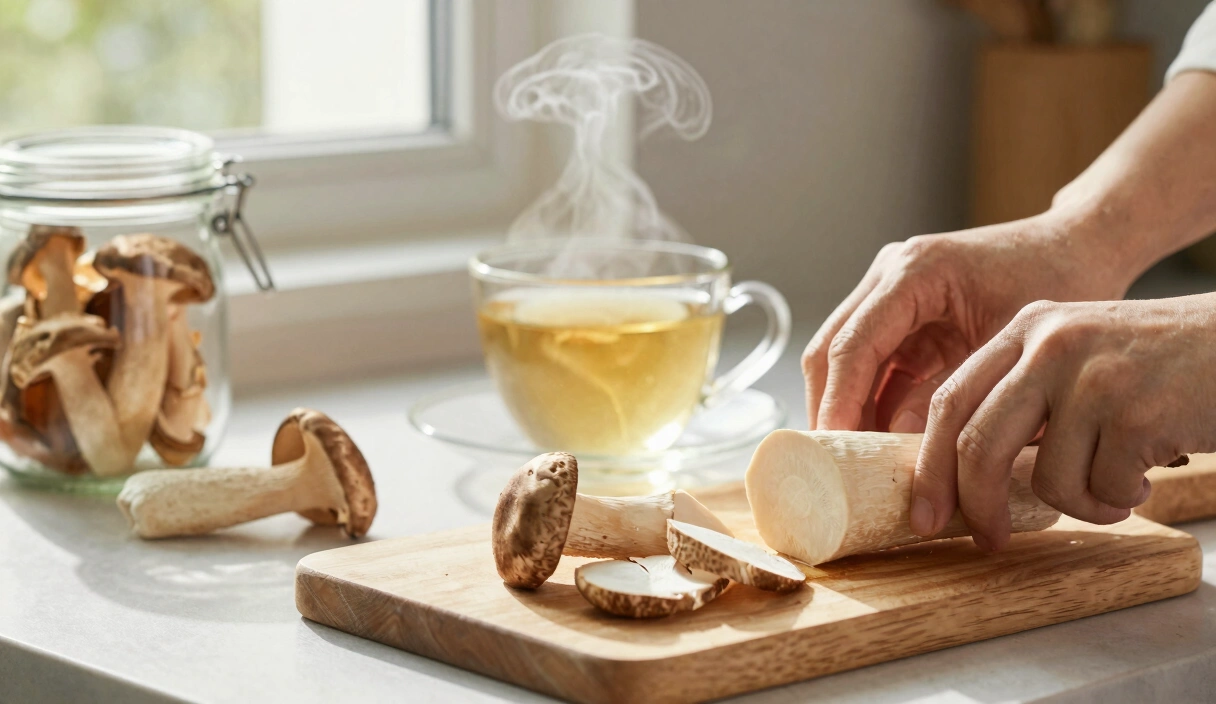
Lions Mane for Brain Health: The Mycelium vs. Fruiting Body Debate
Most people buying Lions Mane for their brain are throwing away the actual medicine. We explore why erinacines in the mycelium are the real keys to neurogenesis.
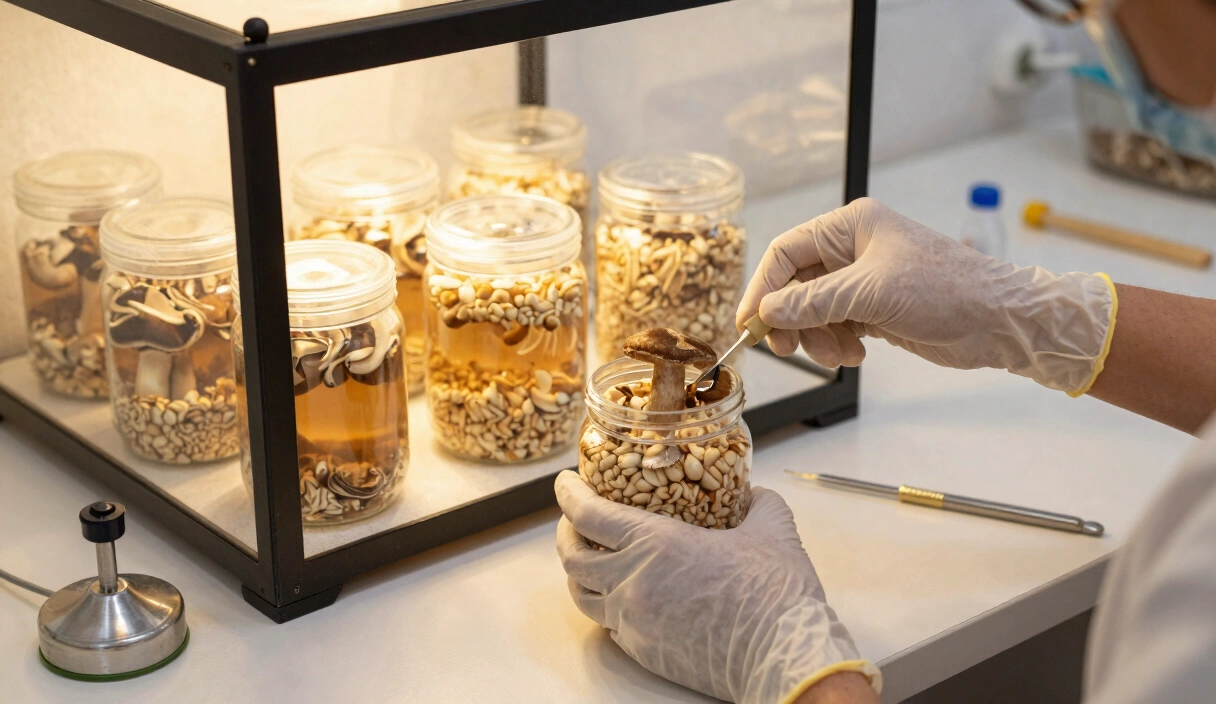
Top Mushroom Cultivation Techniques: A Technical Efficiency Comparison
Monotub, Bucket Tek, or PF Tek? A side-by-side comparison using Biological Efficiency and yield per square foot to find the best method for your space.
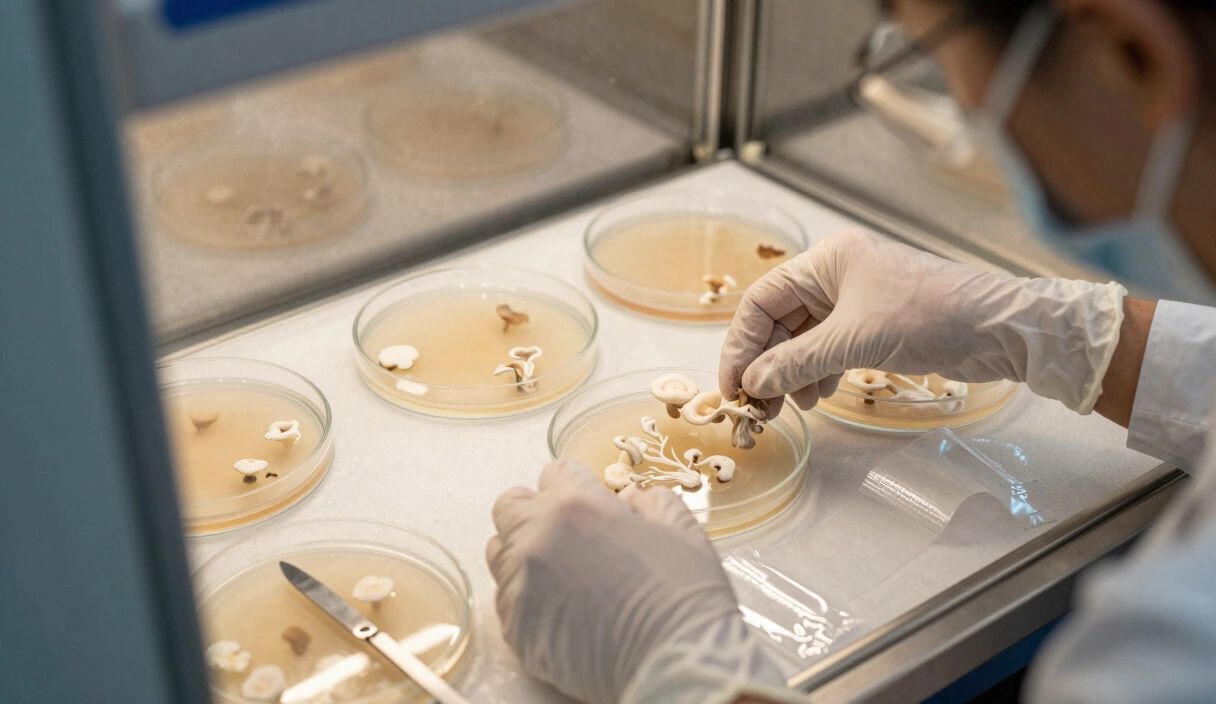
Mushroom Agar Work: The Complete Guide to Isolating, Storing, and Expanding Cultures
Master the "black belt" of mycology. From Fanny Hesse’s kitchen discovery to advanced genetic sectoring, we explore the physics, chemistry, and real-world hacks of agar work.