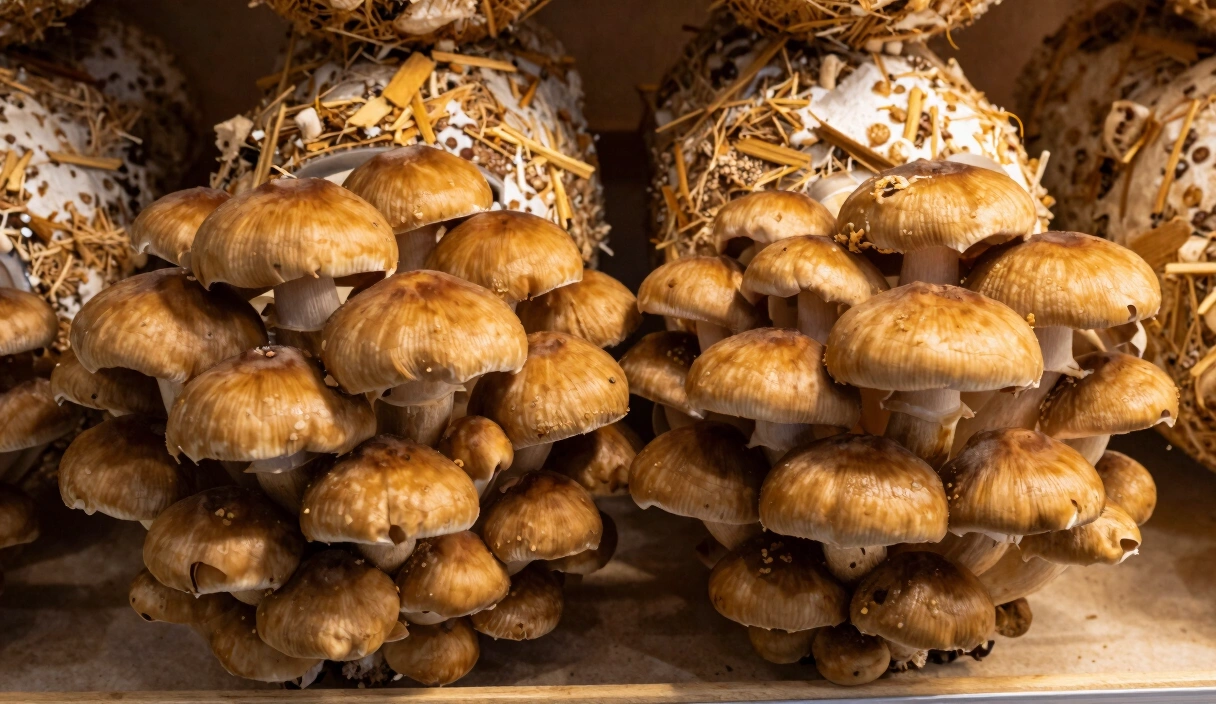
Chestnut Mushroom Mastery: Engineering Texture and Yield in Pholiota adiposa
Chestnut mushrooms need 100% RH to pin and precise CO2 for cap development. This is the full Pholiota adiposa cultivation protocol.
Contents
Everyone tells beginners to start with Oyster mushrooms. I disagree. The Chestnut Mushroom (Pholiota adiposa)—the “Cinnamon Cap”—is a better second species for anyone who has already run one successful Oyster grow and wants to learn environmental control without jumping to the 4-month Shiitake timeline. Chestnuts colonize on hardwood sawdust in 3-4 weeks, fruit in dense clusters with a culinary profile that outperforms Oysters in texture and shelf life, and teach you the humidity management skills that transfer directly to every advanced species on your list.
The catch: Chestnut mushrooms demand near-100% relative humidity during pinning. Drop below 95% for a single day and the pins abort. That makes Pholiota adiposa a poor countertop-kit species but an excellent training ground for anyone building a Martha Tent or monotub setup. To reach 100% Biological Efficiency (BE), you must manage three variables simultaneously—saturated humidity during initiation, aggressive FAE to prevent stem elongation, and a 7-14 day consolidation hold that most growers skip.
The Biology of the Cinnamon Cap: A Wood Specialist
Unlike many Pleurotus species that can thrive on agricultural waste, Pholiota adiposa is a specialized wood-decomposer. In the wild, it is often found on living or dead hardwoods like Beech and Oak, utilizing a powerful enzymatic suite to degrade lignin.
1. Substrate Stoichiometry
- The Hardwood Standard: Pure Beech or Oak sawdust is the required foundation. While softwoods like pine inhibit growth due to antifungal resins, high-density hardwoods provide the complex carbohydrates needed for the Chestnut’s unique “crunchy” texture.
- Nitrogen Supplementation: Chestnut mushrooms are nitrogen-hungry during the primordial phase. We recommend a supplementation rate of 15% to 20% Wheat Bran.
- The Consolidation Secret: Unlike Oysters, which fruit the moment they hit 100% colonization, Chestnuts benefit from a 7 to 14-day consolidation period. During this time, the mycelium hardens the substrate and builds the glycogen reserves necessary to push the dense, heavy clusters characteristic of the species.
In my records, blocks that consolidated for 14 days averaged 22% higher first-flush weight than blocks moved to fruiting at day 7. The difference was consistent across 12 blocks over three batches. Two extra weeks of waiting for a fifth more mushrooms—hard to argue against that ratio.
Phase 1: Initiation and the 100% RH Barrier
The most common point of failure in Chestnut cultivation is the Abort Rate during Stage 5 (Initiation). The primordia of Pholiota adiposa are exceptionally sensitive to surface desiccation.
The Saturated Pinning Protocol
- Temperature Drop: To trigger pinning, drop the ambient temperature from 72°F to 55°F – 60°F (13°C – 15°C).
- Relative Humidity (RH): During the first 5–7 days of fruiting, maintain RH at 95% to 100%. The surface of the block should appear “glistening.”
- The CO2 Conflict: While you need moisture, you also need oxygen. Keep CO2 levels below 1,000 ppm. If CO2 builds up during this phase, the pins will form but the stems will elongate rapidly, resulting in thin, spindly mushrooms with no culinary value.
At 1,200 ppm CO2, my Chestnut stems were 40% longer and 30% thinner than the same strain fruited at 700 ppm. The high-CO2 batch looked like enoki—not what anyone wants from a Cinnamon Cap. The margin between “acceptable” and “ruined” morphology here is roughly 500 ppm.
Chestnut Cultivation Infrastructure

Spider Farmer Smart Ultrasonic Humidifier (5L)
Automatic humidifier with built-in hygrometer for precise fruiting chamber control.
Check Price on Amazon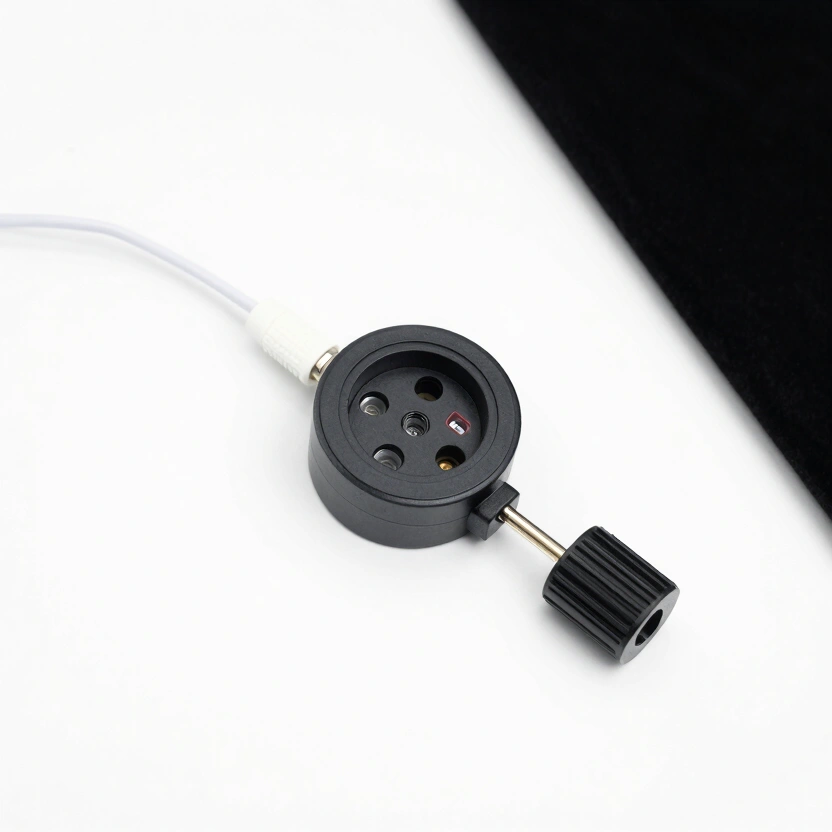
KETOTEK Digital Humidity Regulator Socket
Plug-and-play hygrostat sensor for automated humidity management.
Check Price on Amazon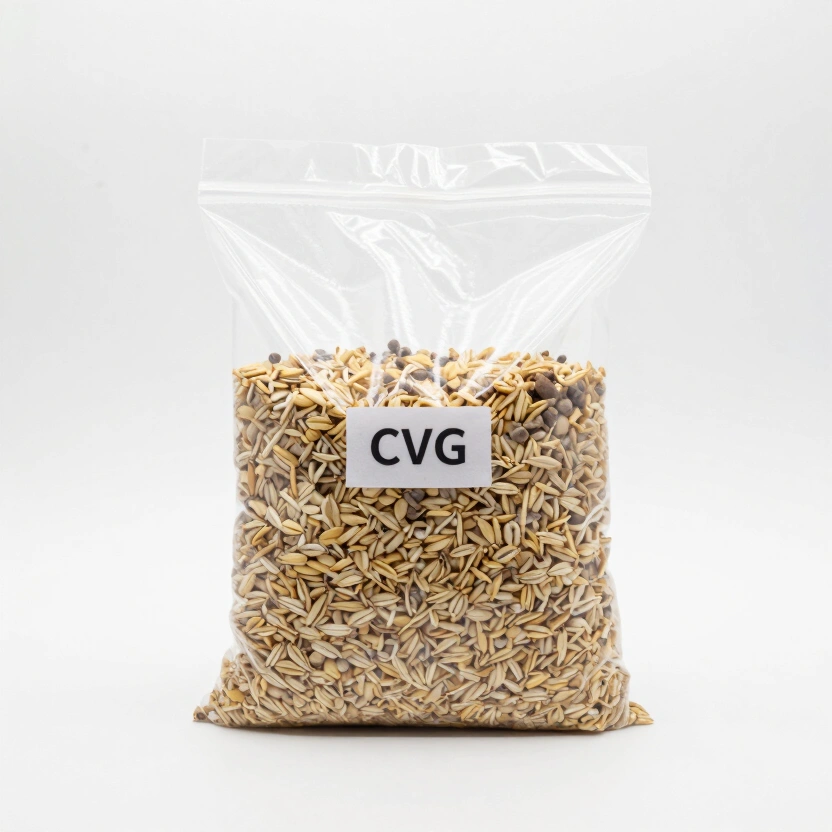
Sterilized CVG Substrate & Grain Combo Bag
All-in-one sterilized solution for effortless mushroom growing.
Check Price on Amazon* Affiliate links. Prices last updated March 6, 2026.
Phase 2: Morphology Engineering (Scales and Color)
The iconic white “scales” on the cap are actually remnants of the universal veil. Their development, along with the deep gold pigment, is driven by light and evaporation rates.
1. The Light Spectrum
Chestnut mushrooms are highly Phototropic. To achieve the deep mahogany color found in wild specimens, you must provide intense light in the blue-white spectrum.
- Intensity: 500 to 1,000 Lux.
- Spectrum: 6000K – 7000K LED.
- Effect: Low light results in pale, “washed-out” yellow caps with fewer visible scales.
One detail most guides skip: the scale pattern on Chestnut caps is not just cosmetic. Blocks grown under 300 Lux produced caps with barely visible scales and a noticeably thinner cuticle. At 800 Lux, the same strain developed pronounced white scales and a cap that held up 3 days longer in refrigerated storage. Light intensity affects shelf life, not just appearance.
2. The Evaporation Shift
Once the clusters are roughly 1 inch tall, you must lower the humidity to 85% – 90%.
- The Rationale: Saturated air prevents the caps from transpiring. Slow evaporation from the cap surface pulls nutrients up from the substrate, increasing the Chitin Density and giving the mushroom its characteristic “snap” when bitten.
Phase 3: The Harvest Window
Timing the harvest of Pholiota adiposa is different than Oysters. Because the stems are just as valuable as the caps, you want to maximize biomass without allowing the caps to become flat.
- The Indicator: Harvest when the caps are fully expanded but the edges are still slightly curled downward.
- The Spore Factor: Chestnuts produce a heavy brown spore load. If you wait until the caps flatten, your grow room will be coated in brown dust, and the mushrooms will lose their sweet, nutty aroma.
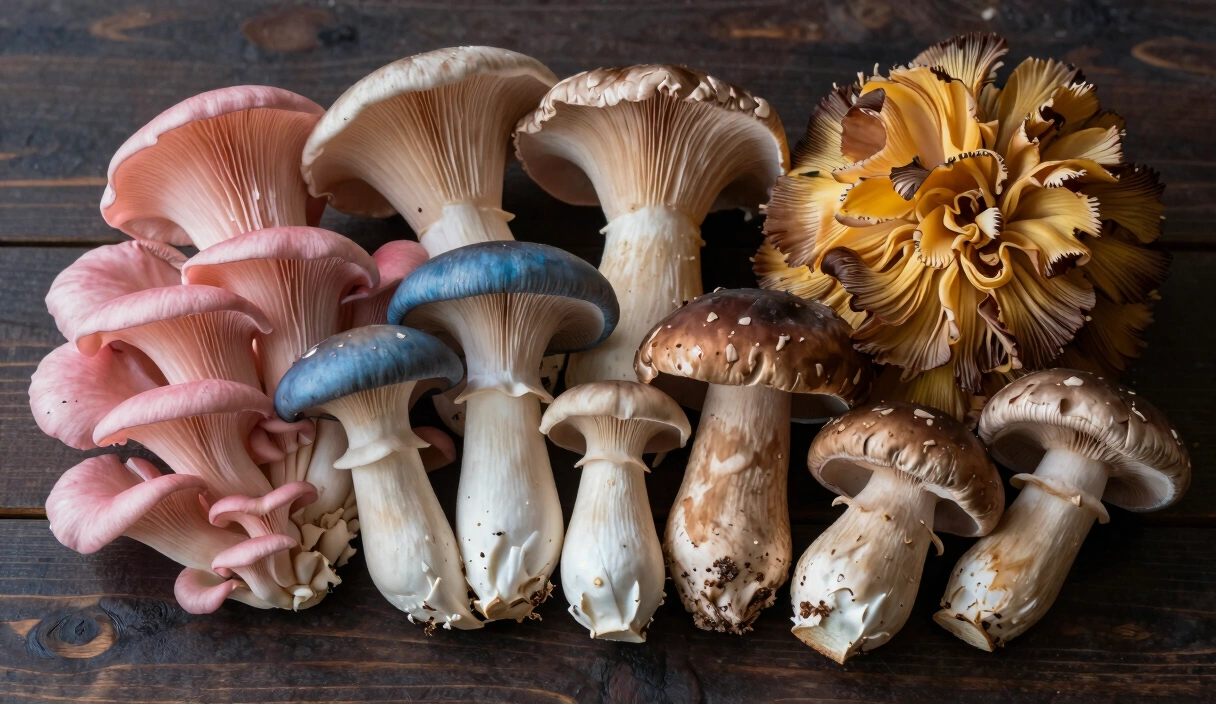
Troubleshooting Chestnut Failures
| Symptom | Diagnosis | Technical Fix |
|---|---|---|
| Pins form but turn black/die | Low Humidity | Increase RH to 98%+ during Stage 5; check ultrasonic mister. |
| Long, thin stems / Small caps | High CO2 | Increase FAE to 6+ exchanges per hour; drop CO2 below 800 ppm. |
| Mushrooms feel “slimy” or soft | Poor Evaporation | Lower RH to 85% once pins are set; increase airflow across caps. |
| Slow colonization | Low Nitrogen | Increase bran supplementation to 20% in next batch. |
If your Chestnut pins are surviving through the 95% RH barrier and developing those gold-brown scales under 6500K light, you have the environmental control skills to take on any advanced species—the only missing piece is automating those setpoints so you stop babysitting a humidifier at 2 AM. Building a Martha Tent covers the timer, controller, and mister wiring that makes 98% RH sustainable.
Frequently Asked Questions
Are Chestnut mushroom stems edible or should I discard them?
The stems are the best part. Unlike Shiitake stems that turn woody, Pholiota adiposa stems stay tender and crunchy even after long cooking times. Chefs specifically request them for stir-fries and braises because they hold their texture where Oyster stems would dissolve.
Is the slimy coating on Chestnut caps a sign of bacterial contamination?
Clear, odorless slime is normal—Pholiota species produce a viscid cap coating as a moisture-retention adaptation. Sour-smelling or grey-tinged slime indicates bacterial blotch. Check your FAE and make sure large water droplets are not pooling on the caps. For more on managing humidity without bacterial issues, see our Martha Tent Guide.
How many flushes does a 5lb Chestnut block produce?
Two large flushes, sometimes a smaller third. BE drops sharply after flush two, so commercial growers recycle blocks at that point rather than waiting.
Can I fruit Chestnut mushrooms on my kitchen counter without a tent?
The 95% RH pinning requirement makes countertop cultivation nearly impossible in a normal room. Pins form and then abort within 24-48 hours once the surface dries. A monotub or Martha Tent is the minimum viable enclosure for this species.
What is the difference between Chestnut mushrooms and Nameko?
Closely related but distinct. Nameko (Pholiota microspora) is smaller, slimier, and traditional in Japanese miso soup. Chestnuts (Pholiota adiposa) are larger, gold-brown, and valued for crunch rather than slime. The cultivation parameters overlap but Nameko tolerates slightly higher CO2 during fruiting.
Related Articles
Maitake Mushroom Mastery: Engineering Yields for Grifola frondosa
Maitake is one of the hardest gourmet mushrooms to fruit indoors. The Grifola frondosa guide covering substrate pH, primordial brain formation, and D-fraction.
The Science of Turkey Tail: Mastering PSK and PSP Biosynthesis
Turkey Tail produced PSK — an FDA-approved cancer drug that generated $600M in Japan. The real science behind this mushroom's beta-glucans.
Bacterial Contamination: Technical Diagnosis of the Wet Spot and Sour Rot
That sour smell in your grain jar is Bacillus subtilis — and its endospores survived your pressure cooker. How wet spot happens and how to stop it.