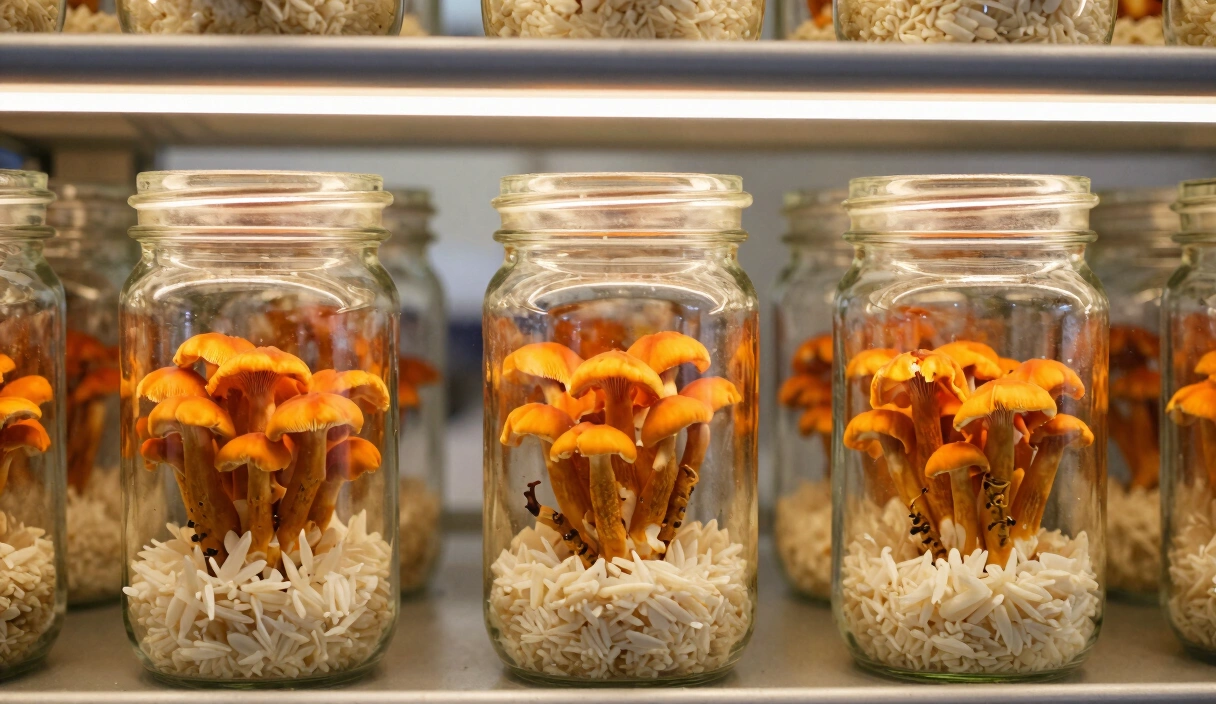
Cordyceps Militaris: The Laboratory Guide to High-Yield Vegan Cultivation
Growing Cordyceps militaris on rice substrate under 450nm LEDs. No insects required — just sterile technique, patience, and a humidity controller.
Contents
Walk into a Cordyceps militaris grow room at night and the scene looks like something from a science fiction film. Rows of mason jars sit on wire shelving, each one glowing faintly under strips of blue LED. Inside every jar, dozens of bright orange clubs rise from a bed of brown rice, their tips swollen with perithecia, the whole surface dusted with a fine carotenoid haze. The blue 450nm light gives the room an underwater quality. No soil, no logs, no insects – just rice, nutrient broth, and precisely calibrated photons.
This is modern cordyceps militaris cultivation: a species that once required a dead caterpillar on a Tibetan plateau, now grown vegan on kitchen-grade grain in a spare closet. The technical challenge is not substrate preparation – rice is simple. The challenge is light engineering and nitrogen stoichiometry. Without the correct blue wavelength triggering the White Collar-1 photoreceptor complex, the mycelium stays white and flat, never producing the cordycepin-rich stroma that make this species worth growing.
The Chemistry of the Bioreactor: The Vegan Substrate Uplift
While wild Cordyceps consumes an insect host, laboratory strains are grown on a starch-based medium, typically Brown Rice. However, rice alone lacks the complex nitrogen profile required for a high-BE (Biological Efficiency) harvest.
The Nutrient Solution Recipe (per 1kg of Dry Rice)
To “uplift” the rice into a high-performance medium, you must hydrate it with a technical nutrient broth:
- 1 Liter Distilled Water
- 20g Glucose (Energy)
- 10g Soy Peptone (Nitrogen source / Vegan alternative to silk pupae)
- 5g Yeast Extract (Trace minerals and B-vitamins)
- 1g Adenosine (Precursor for Cordycepin synthesis)
The Starch-Hydration Physics
The goal is to keep the rice kernels individual and separate. If the rice clumps into a “paste” during sterilization, gas exchange is restricted, and the mycelium will stall.
- Technical Tip: Simmer the rice for only 5 minutes before draining. Add the nutrient broth directly to the jars/bags at a ratio of 1 part broth to 1.5 parts dry rice.
Contrary to what most Cordyceps guides suggest, I have found that slightly under-hydrating the rice produces better results than hitting the exact recommended ratio. Clumpy, over-wet rice restricts gas exchange at the kernel level and consistently produces shorter, thinner stroma in my batches.
Light Engineering: The 450nm Trigger
Unlike most mushrooms that only require light as a directional signal, Cordyceps militaris uses light as a primary developmental switch.
1. The Dark Phase (Colonization)
For the first 10–14 days after inoculation, the jars must be kept in Total Darkness at 72°F (22°C). This encourages rapid, deep penetration of the mycelium into the rice bed without premature fruiting.
2. The Light Phase (Initiation)
Once the substrate is 100% colonized, you must trigger the orange pigmentation and stroma formation.
- The Spectrum: Blue light at 450 nanometers (nm) is the critical wavelength. Blue light activates the fungal photoreceptors (White Collar-1 complex), which upregulates the genes responsible for Cordycepin and Carotenoid synthesis.
- Intensity: 500 to 1,000 Lux.
- Photoperiod: 12 hours on / 12 hours off. Without this specific blue-light signal, the mycelium will remain white and flat, never producing the valuable stroma.
I wasted three months using “full spectrum” grow lights before switching to dedicated 450nm strips. The full-spectrum LEDs produced pale, stunted clubs that looked anemic. The blue-only strips triggered dense orange stroma within ten days. The wavelength specificity here is not a suggestion – it is the entire mechanism.
Cordyceps Lab Essentials
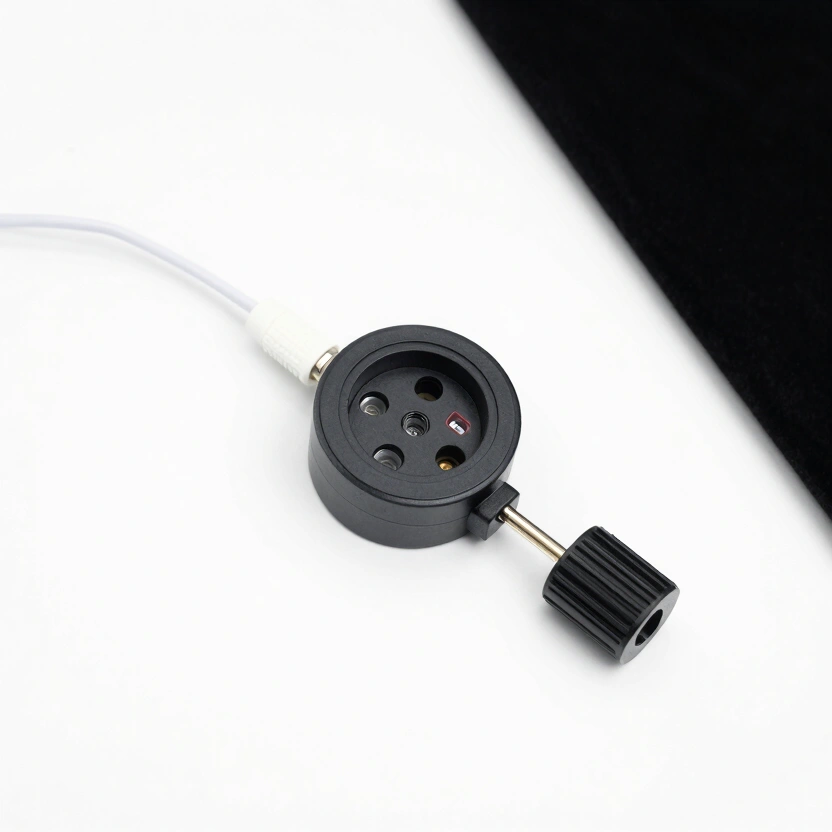
KETOTEK Digital Humidity Regulator Socket
Plug-and-play hygrostat sensor for automated humidity management.
Check Price on Amazon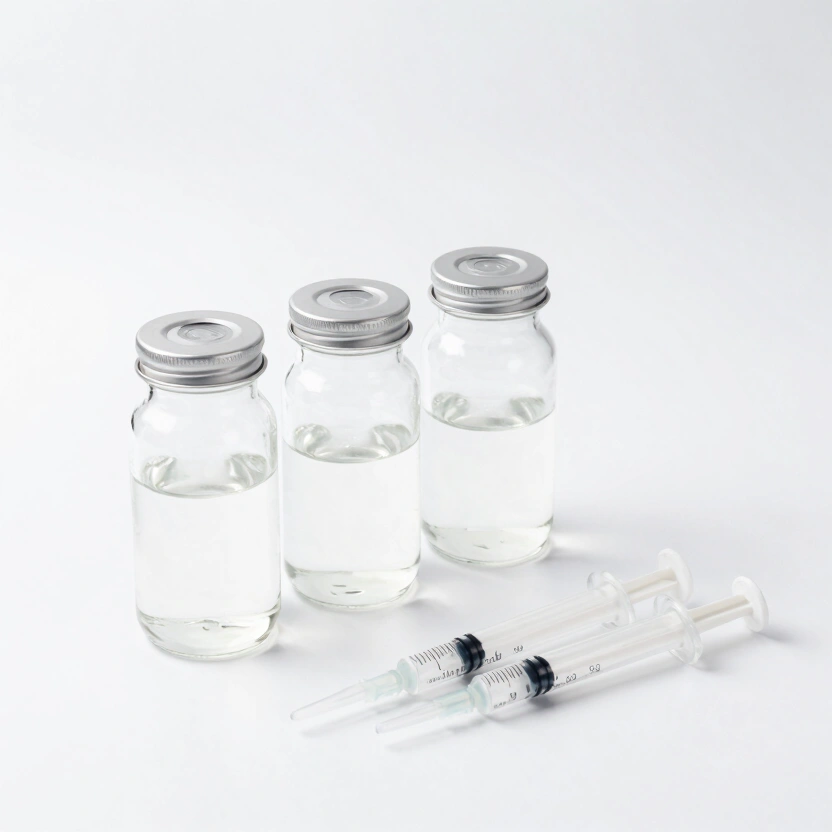
Lion's Mane Mushroom Liquid Culture Making Kit
Professional kit for expanding and storing mushroom liquid cultures.
Check Price on Amazon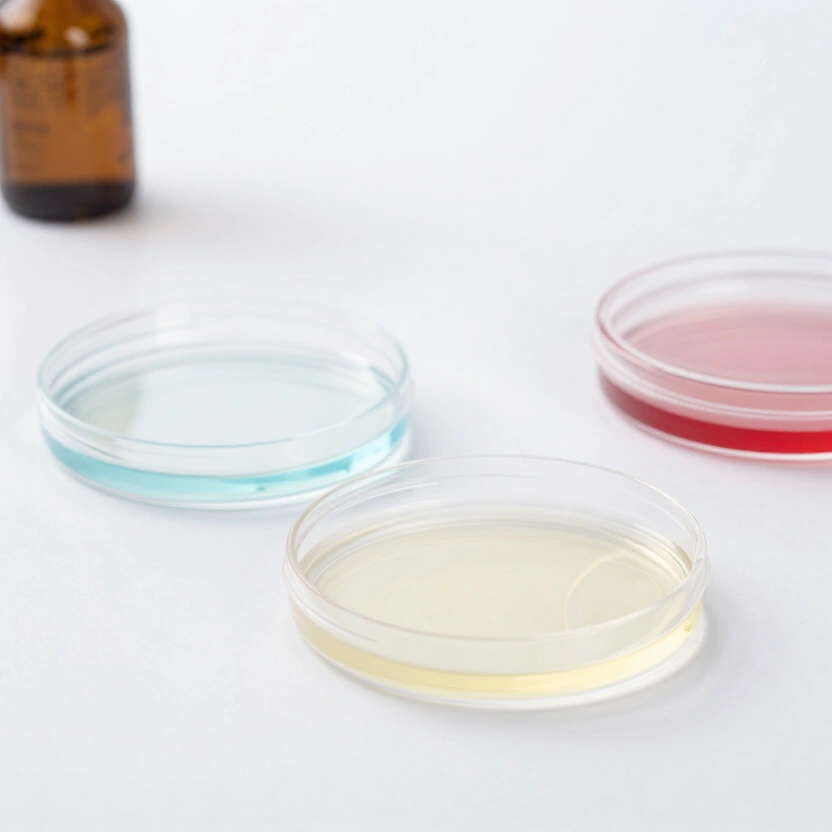
Sabouraud 2% Glucose Agar Plates (Pack of 20)
Sterile nutrient media plates for advanced microbiological cultures.
Check Price on Amazon* Affiliate links. Prices last updated March 6, 2026.
Climate Control: The Initiation Shock
Triggering Cordyceps to fruit requires a significant physiological “shock” to the system.
- The Temperature Drop: After the dark phase, drop the ambient temperature from 72°F to 64°F (18°C). This 8°F shift mimics the cooling of the mountain environment and signals the end of the vegetative cycle.
- Relative Humidity (RH): Maintain a steady 85% to 90% RH. Because Cordyceps jars are typically sealed with a filter patch, internal humidity is high, but the room air must be managed to prevent the filters from drying out.
Most people obsess over temperature and light and completely ignore the filter patch. A dried-out filter restricts gas exchange as effectively as sealing the jar with tape. I check filter moisture daily during the fruiting phase and mist the patches directly if the room drops below 80% RH.
Harvesting & Cordycepin Maximization
The concentration of Cordycepin peaks just before the stroma release their spores.
- Timing: Harvest when the orange “clubs” are 2–4 inches long and the tips appear slightly swollen or “bumpy” (the perithecia).
- Drying: Cordycepin is relatively heat-stable, but to maintain the vibrant orange color (Carotenoids), dry at 120°F (50°C) until $a_w < 0.60$. (See our Harvesting & Drying Guide for details).
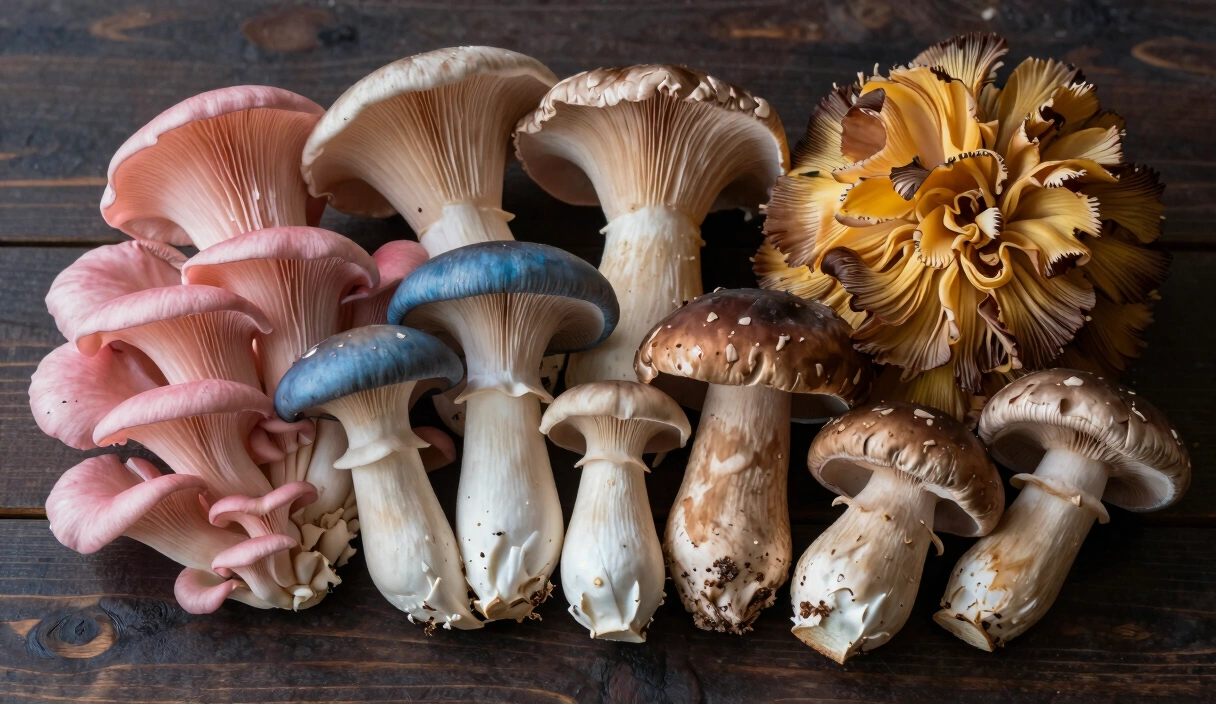
Cordyceps rewards sterile technique and punishes sloppy inoculation harder than almost any species – one contaminated jar in a batch of twenty will stay hidden until the light phase, then bloom green while surrounded by your best stroma. Lock down your aseptic workflow with a still air box build before scaling up your jar count.
Frequently Asked Questions
Brown rice vs white rice for cordyceps – which is better?
Brown rice wins. The husk and germ provide B-vitamins and trace minerals that white rice lacks. Rye is another strong option. The richer the grain’s nutrient profile, the higher the final cordycepin concentration in your stroma.
Why did my cordyceps mycelium revert from orange to white fuzz?
High CO2. If the air inside the jar goes stagnant during the light phase, the stroma stop developing and the fungus reverts to vegetative growth. Increase FAE or switch to jars with larger filter patches. For more on managing airflow in enclosed grows, see our Martha tent guide.
Is lab-grown cordyceps actually vegan?
Yes. Cordyceps militaris has the enzymatic flexibility to feed on plant-based starches and soy peptone instead of insect tissue. Traditional “Caterpillar Fungus” (Ophiocordyceps sinensis) is a different species and a different story entirely.
How do you test cordycepin levels at home?
You cannot, at least not with any simple home test. Professional labs use HPLC to measure milligrams of cordycepin per gram of dried mushroom. For home growers, the best proxy for quality is getting the inputs right: high-nitrogen substrate, 450nm blue light, and a strict 12/12 photoperiod.
Can cordyceps produce a second flush?
Rarely worth the effort. Cordyceps exhausts the nutrient broth in the rice during the first flush. A second attempt might yield a few stunted stroma, but your time is better spent starting a fresh batch. The spent rice makes excellent high-protein chicken feed.
Related Articles
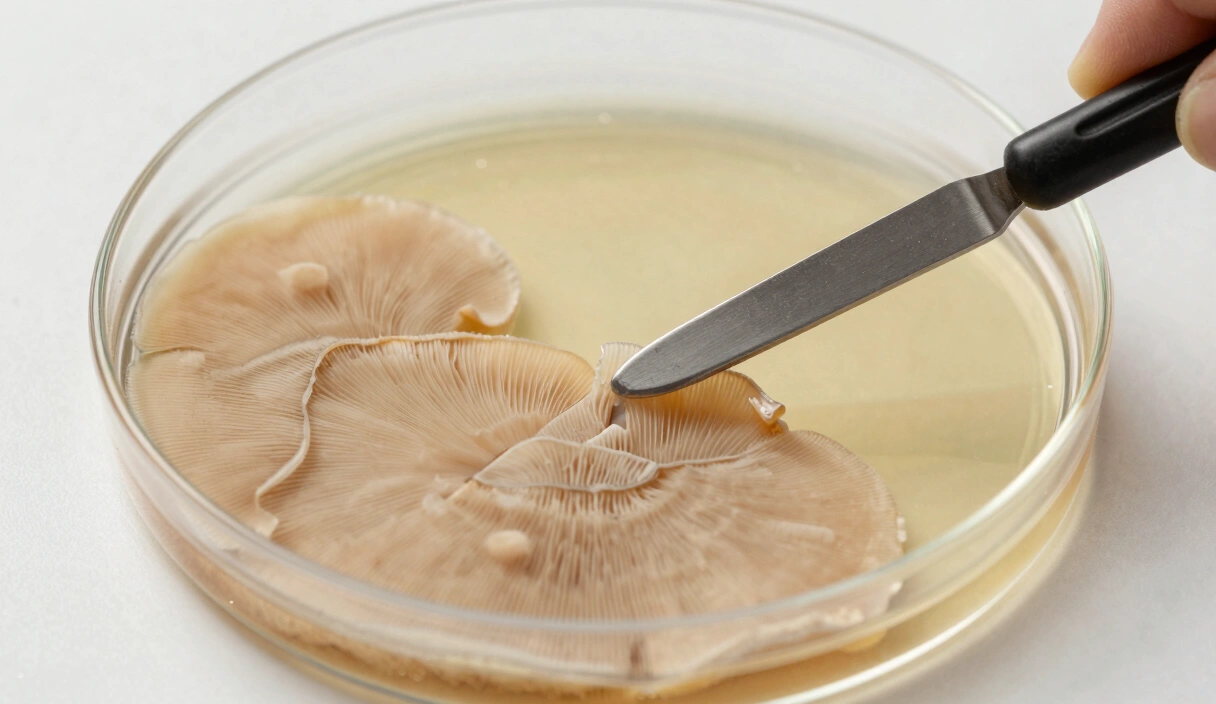
Strain Isolation and Sectoring: Mastering Mycelial Purity and Longevity
How to isolate fast-growing mushroom genetics on agar through sectoring. Includes transfer protocols and signs of mycelial senescence.
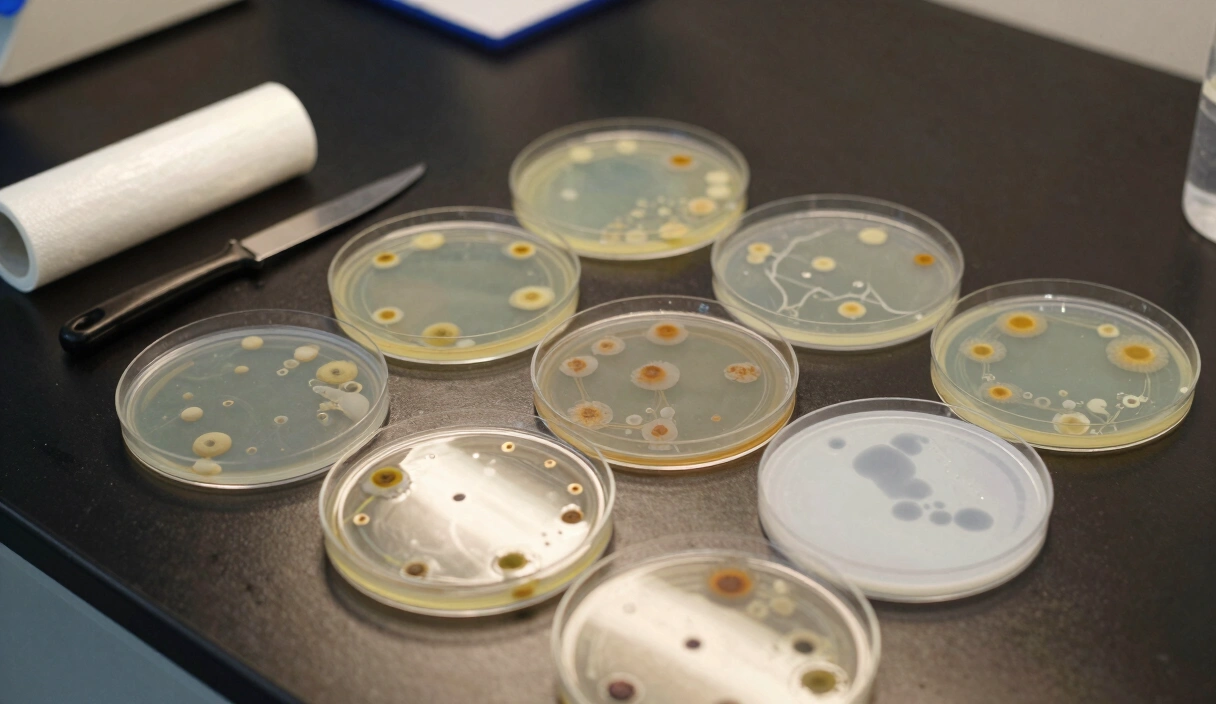
MEA vs. PDA: The Professional Laboratory Guide to Mushroom Agar Recipes
MEA, PDA, and antibiotic agar — five tested recipes with exact measurements for isolating clean mushroom cultures on plates.
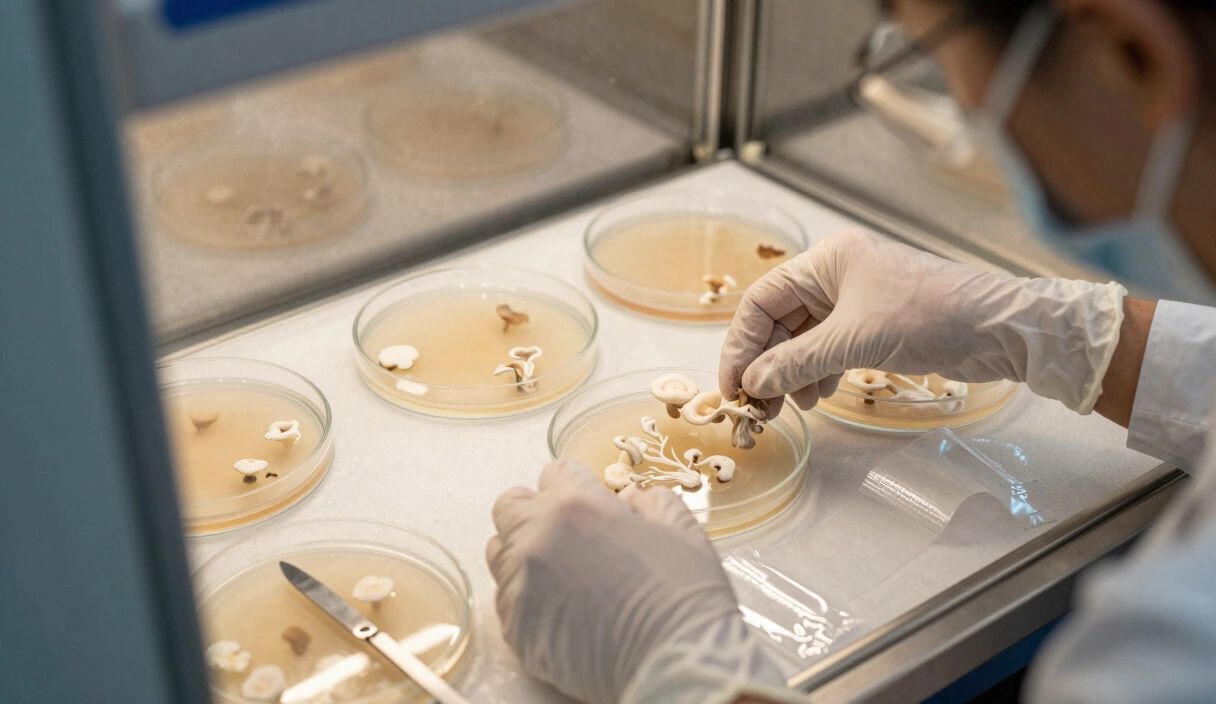
Mushroom Agar Work: The Complete Guide to Isolating, Storing, and Expanding Cultures
Master the "black belt" of mycology. From Fanny Hesse’s kitchen discovery to advanced genetic sectoring, we explore the physics, chemistry, and real-world hacks of agar work.