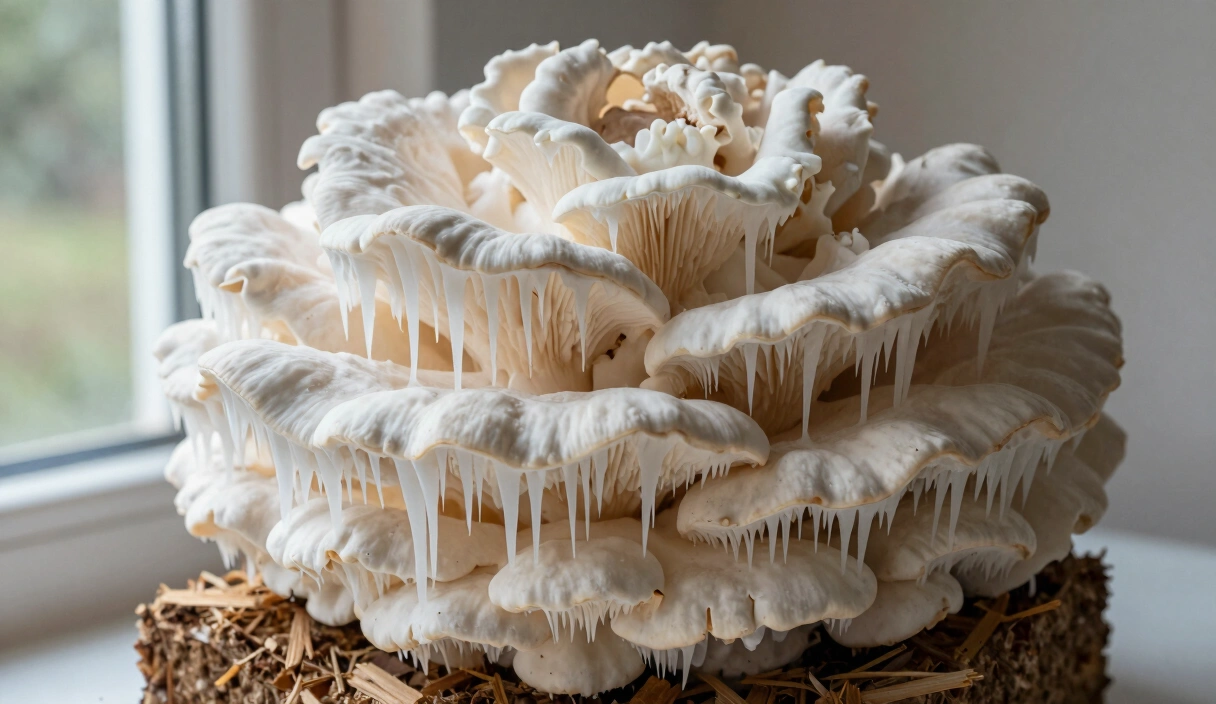
Lion's Mane Cultivation: The Data-Driven Guide to Hericium erinaceus
Lion's Mane needs CO2 below 800 ppm or it grows coral instead of spines. The complete Hericium erinaceus cultivation guide — substrate to harvest.
Contents
Lion’s Mane (Hericium erinaceus) is no longer just a rare forest find; it is the cornerstone of modern cognitive mycology. While amateur “grow kits” promise results with simple misting, the technical urban homesteader views the cultivation of this species as a precise engineering problem. To reach 100% Biological Efficiency (BE) and maximize the production of neuroprotective compounds, you must manage three critical variables: nitrogen availability in the substrate, CO2 concentrations during the primordia transition, and the distinct developmental paths of the mycelium versus the fruiting body.
Most cultivators focus solely on the “teeth”—the cascading white icicles of the mushroom. However, recent synthesis data (2024/2025) indicates that the most potent compounds for Nerve Growth Factor (NGF) stimulation, specifically Erinacines, are concentrated in the mycelium, not the fruit. If you are growing for health, your workflow must shift from simple biomass production to optimized secondary metabolite synthesis.
Historical Context: From Monks to Microchips
The use of Lion’s Mane dates back centuries in Traditional Chinese Medicine (TCM), where it was known as “Hou Tou Gu” (Monkey Head Mushroom). Historically, it was reserved for royalty and Buddhist monks, who consumed it to enhance focus during long meditation sessions.
The Western Renaissance
In the West, Lion’s Mane remained a culinary curiosity until the late 20th century. The real shift occurred when Japanese mycologists isolated Hericenones from the fruiting bodies in the 1990s, followed by the discovery of Erinacines in the mycelium. Today, it sits at the intersection of gourmet cuisine and biohacking, driven by its unique ability to cross the blood-brain barrier and stimulate neuronal repair.
The Chemistry of Substrate: The Masters Mix Standard
Lion’s Mane is a wood-decomposer, but plain hardwood sawdust is a recipe for mediocrity. To achieve commercial-grade density and high compound concentration, the Masters Mix (50/50 blend) is the non-negotiable standard.
The 50/50 Nitrogen Boost
- 50% Hardwood Pellets (Oak/Beech): Provides the lignin and cellulose required for structural growth.
- 50% Soybean Hulls: Provides a massive nitrogen injection.
- The Technical Rationale: Standard hardwood has a Carbon-to-Nitrogen (C:N) ratio of roughly 300:1. Lion’s Mane thrives when that ratio is compressed to 50:1 or 40:1. The soybean hulls act as the high-octane fuel that powers the rapid expansion of Hericium hyphae.
The Zinc-Sulphate (ZnSO4) Hack
Technical insight for the biohacker-cultivator: Adding 10mM of Zinc Sulphate to your substrate hydration water has been shown to increase Erinacin A production in the mycelium by up to 3x. This is the difference between growing food and growing medicine.
I tried the ZnSO4 protocol on three consecutive batches last year using a digital scale to hit the 10mM target precisely. The mycelium was noticeably denser by day 14 compared to my control bags. Anecdotal, sure—but 3-for-3 is enough to keep me doing it.
Essential Gear for Lion's Mane Success
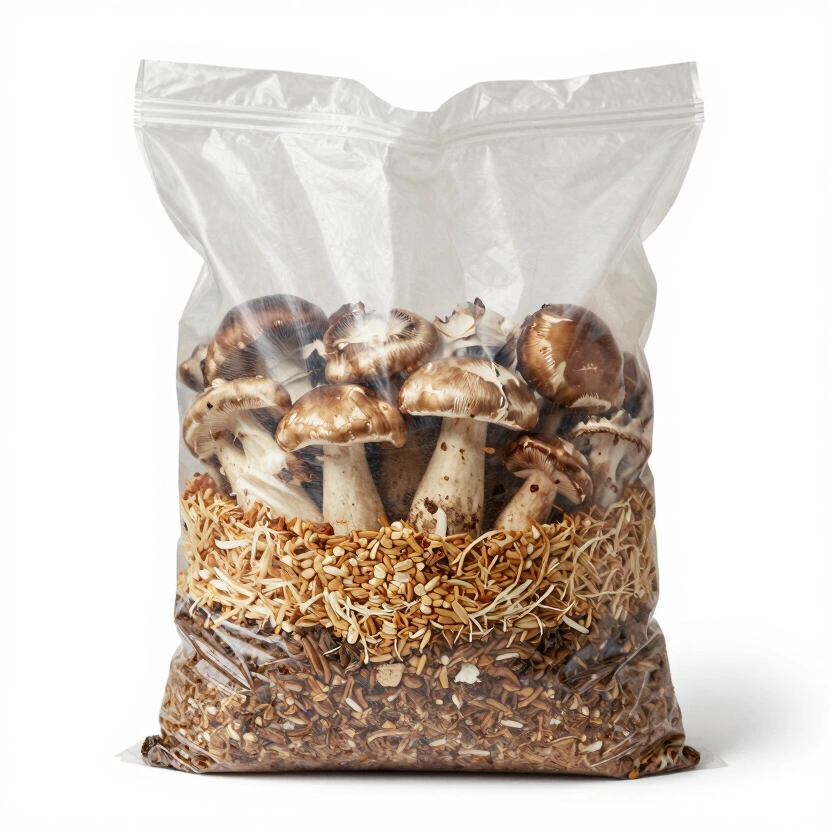
Superior Dung-Loving Mushroom Substrate & Milo Grain 6lb All-in-One Bag
Pre-sterilized all-in-one grow bag with coir, vermiculite, and gypsum formula.
Check Price on Amazon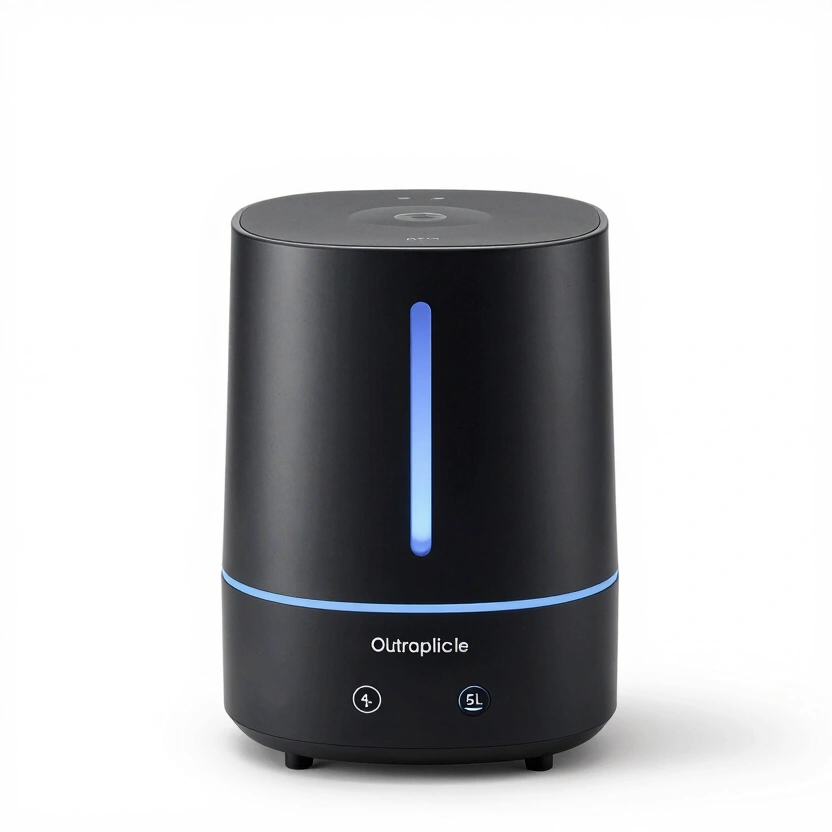
Spider Farmer Smart Ultrasonic Humidifier (5L)
Automatic humidifier with built-in hygrometer for precise fruiting chamber control.
Check Price on Amazon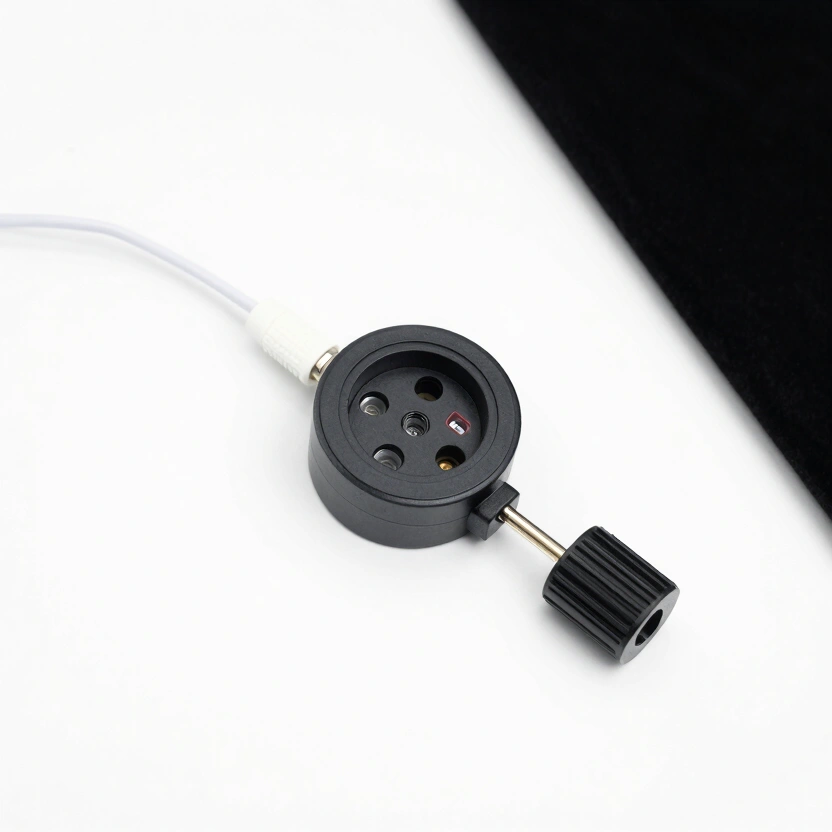
KETOTEK Digital Humidity Regulator Socket
Plug-and-play hygrostat sensor for automated humidity management.
Check Price on Amazon* Affiliate links. Prices last updated March 6, 2026.
Phase 1: Inoculation & The Translucent Myth
A common point of failure for beginners is misidentifying healthy Lion’s Mane mycelium as “weak” or “stalled.”
- Morphology: Unlike the aggressive, opaque white mat of the Oyster mushroom (Pleurotus), Hericium mycelium is naturally thin, wispy, and often translucent.
- The Inoculation Window: Use 5-10% Grain Spawn (Millet is preferred due to its 10x higher inoculation points compared to corn).
- Temperature Setpoint: Maintain 72°F (22°C). While the mycelium can survive higher temps, Thermogenesis (internal heat generation) in a large Masters Mix block can easily reach 85°F+, which inhibits the synthesis of Erinacines.
Do not underestimate thermogenesis. I once stacked four colonizing bags in a closet during July and measured the center bag at 91°F with an infrared thermometer. Two of the four stalled permanently. Spread your bags out with at least 4 inches of airspace between them.
Phase 2: The CO2 Threshold (The “Greenhouse” Trap)
The transition from mycelial growth to fruiting is where most grows fail visually. If your Lion’s Mane looks like a cauliflower or a coral instead of a pom-pom with teeth, your CO2 levels are too high.
Technical Parameters for Fruiting:
- CO2 Concentration: Must be kept below 800 ppm.
- The Logic: In the wild, Lion’s Mane grows high on the trunks of trees where air is plentiful. If CO2 builds up (as it does in poorly ventilated monotubs), the mushroom “thinks” it is still inside the tree and continues to grow in a branching, vegetative pattern searching for air.
- Fresh Air Exchange (FAE): Aim for 4–6 full air exchanges per hour.
Lighting & Spectrum
Lion’s Mane is not photosynthetic, but it is phototropic. It needs a signal to know where the “outside” is.
- Kelvin: 4000K to 6500K (Daylight Spectrum).
- Intensity: < 500 Lux. Too much light can cause a Pink Discoloration in the primordia—a stress response that, while not harmful, can indicate excessive heat or UV exposure.
Surprisingly, the pink discoloration that panics most beginners is actually one of Lion’s Mane’s least concerning phenotypic quirks. Meanwhile, the coral morphology everyone ignores until harvest day is the real yield killer.
Phase 3: Reading the Teeth (The Harvest Protocol)
Harvesting is a game of timing. The goal is to maximize weight without sacrificing shelf life or compound density.
- Stage 1 (The Pom-Pom): The mushroom is solid and white but smooth. Too early.
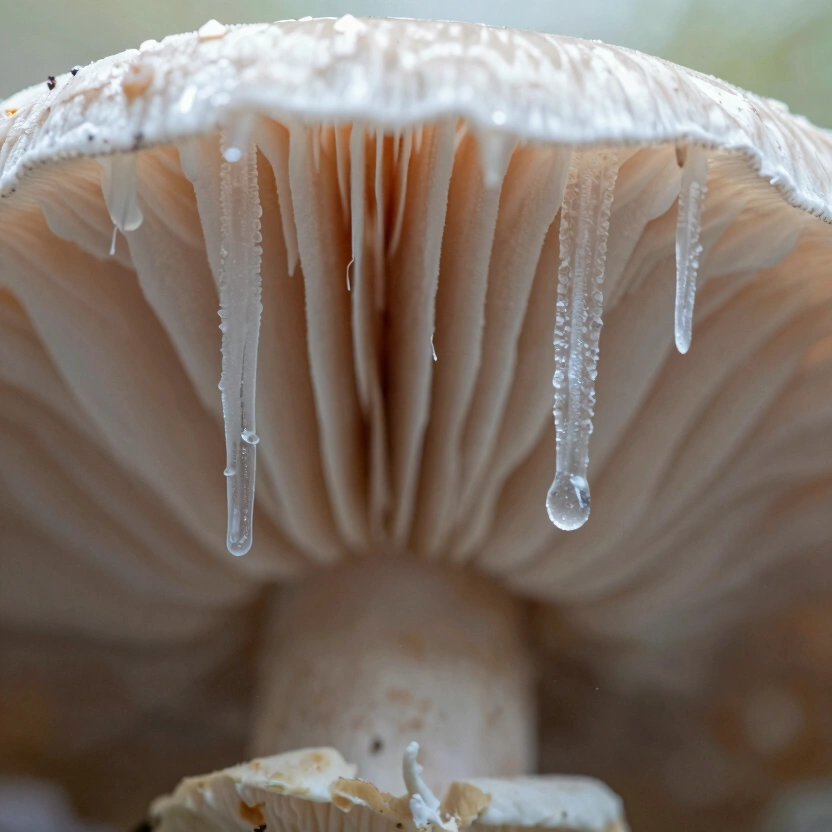
- Stage 2 (The Icicle): Spines (teeth) begin to emerge.
- Stage 3 (The Cascade): Teeth are 1/4 to 1/2 inch long. This is the Goldilocks Zone. The BE is high, and the flavor is at its peak lobster-like sweetness.
- Stage 4 (The Yellowing): The teeth begin to turn yellow or brown at the tips. This indicates the mushroom is releasing spores and drying out. Harvest immediately to prevent bitterness.
Troubleshooting: Scientific Diagnosis
- “My mushroom is pink/orange.”
- Diagnosis: Temperature stress or high UV light. Lower your grow room to 62°F (17°C) and reduce light intensity.
- “No teeth are forming.”
- Diagnosis: CO2 levels are likely > 1000 ppm. Increase FAE immediately.
- “Yellow patches on top.”
- Diagnosis: Low humidity (< 80%). The delicate teeth are drying out and dying. Increase your ultrasonic humidifier output.
Lion’s Mane is the ultimate test of a cultivator’s ability to manage an environment. It demands the sterility of a lab, the chemistry of a kitchen, and the observation skills of a biologist. By focusing on the Masters Mix and the 800 ppm CO2 limit, you move from accidental success to a repeatable, high-yield technical workflow.
The 800 ppm CO2 ceiling is the single parameter that separates a dense, toothed pom-pom from a branching coral disaster—and once you can hold that line consistently, your next step is preserving the genetics that performed best. Strain Isolation and Sectoring covers the agar workflow for cloning your top-performing fruit bodies.
Frequently Asked Questions
Why does my Lion’s Mane look like coral instead of a pom-pom?
CO2 above 800 ppm. The mushroom grows in a branching “search” pattern when it cannot find oxygen. Increase Fresh Air Exchange to 4-6 changes per hour. Once CO2 drops below the threshold, new growth will revert to the dense pom-pom form with proper teeth.
Can I grow Lion’s Mane on straw instead of Masters Mix?
Technically yes, practically no. Straw lacks the nitrogen density Hericium erinaceus needs—expect wispy growth, slow colonization, and tiny fruit bodies. Masters Mix (50/50 hardwood and soy hulls) compresses the C:N ratio to 40:1, which is where this species actually performs. Check our Substrate Guide for sourcing and hydration details.
Is the pink color on my young Lion’s Mane contamination?
Almost never. Cool temperatures or high-intensity light trigger a salmon-pink hue in young primordia. It fades to white as the teeth develop. Green, black, or slimy discoloration—that is contamination. Pink is just the mushroom being dramatic.
How many flushes will a 5lb Masters Mix block produce?
Two to three. The first flush typically yields 1.5 to 2 lbs, with diminishing returns after that. Unlike Shiitake, Lion’s Mane blocks do not need cold-dunking between flushes—just maintain high humidity and wait.
Should I eat the mycelium or the fruiting body for NGF benefits?
Erinacines (the compounds that stimulate Nerve Growth Factor) concentrate in the mycelium, not the fruit. But raw mycelium on grain is indigestible. Dual extraction—hot water followed by alcohol soak—on colonized grain or liquid culture is the standard method for accessing those compounds.
Related Articles
Lions Mane for Brain Health: The Mycelium vs. Fruiting Body Debate
Most people buying Lions Mane for their brain are throwing away the actual medicine. We explore why erinacines in the mycelium are the real keys to neurogenesis.
The Ultimate Mushroom Substrate Guide: Engineering High-Yield Growth Media
Not all substrates work for all species. C:N ratios, pH buffering, moisture content, and specific recipes matched to the mushrooms you're actually growing.
Oats vs. Rye vs. Millet: The Technical Guide to Mushroom Grain Spawn
Oats, rye, or millet? Each grain has different starch exposure, inoculation points, and colonization speed. Here's which one to use and why.