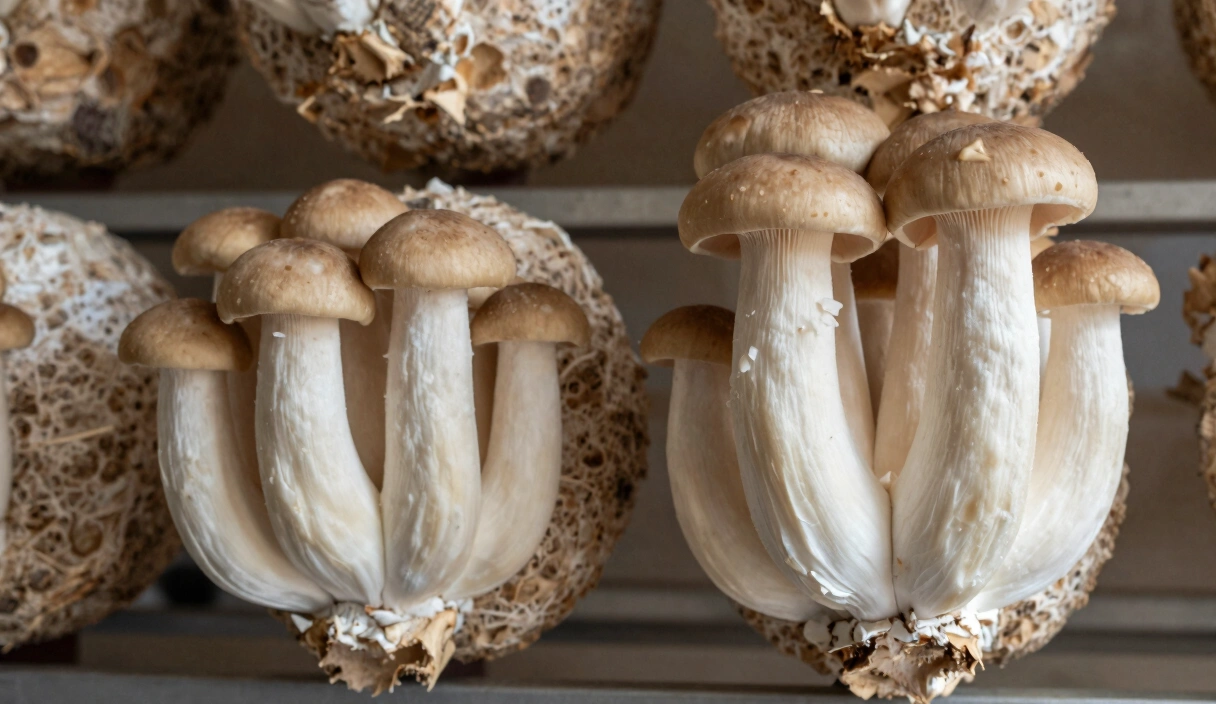
King Oyster Mastery: Engineering Hypertrophy and Texture in Pleurotus eryngii
Thick stems, dense texture, restaurant-grade slabs. How to grow King Oyster mushrooms by manipulating CO2, light, and casing layer depth.
Contents
You slice into a perfectly seared King Oyster steak and the knife meets resistance—real resistance, the kind you expect from scallops, not mushrooms. The cross-section is dense, white, and glossy with caramelized edges. No other cultivated mushroom delivers that texture. And no other species in the Pleurotus genus demands the level of environmental manipulation required to produce it.
The King Oyster (Pleurotus eryngii) is not grown for its cap. It is grown for its thick, meaty stem—a result of deliberate Stem Hypertrophy induced by holding CO2 between 1,800 and 2,400 ppm during the fruiting phase. Drop below 1,000 ppm and the energy shifts to the cap, giving you a mushroom that looks like a standard Blue Oyster with none of the culinary value you are after. To reach 100% Biological Efficiency (BE) and produce that restaurant-grade morphology, you must master two interventions: a Casing Layer for moisture regulation and a controlled high-CO2 environment during expansion. This guide covers both.
The Physics of Hypertrophy: The CO2 Lever
Fungi are highly plastic organisms; their shape is a direct response to the air chemistry surrounding them. In the wild, P. eryngii grows near the ground, often on the roots of plants in the Apiaceae family. It has evolved a “search response” to stagnant air.
The Elongation Mechanism
When CO2 concentrations rise, the fungus “assumes” it is trapped underground or in a deep crevice. To survive, it redirects all metabolic energy into the stipe, elongating the cells to reach higher, oxygen-rich air layers.
- The Commercial Range: To achieve the thick, fleshy stems required for culinary use, you must maintain CO2 levels between 1,800 and 2,400 ppm during the expansion phase.
- The Cap Suppression: At these levels, the development of the Pileus (cap) is inhibited. If CO2 drops below 1,000 ppm, the energy shifts back to the cap, resulting in a mushroom that looks like a standard Oyster—thin stem, large cap—which is technically a failure for this specific species.
I spent three months growing thin-stemmed King Oysters before I realized my grow tent had a gap in the zipper seal. The CO2 was leaking out faster than the mycelium could produce it. One strip of weatherseal tape fixed the morphology overnight.
The Casing Layer: Physics of the Micro-Climate
While most Oysters fruit directly from raw substrate, the King Oyster is a “top-fruiter” that benefits significantly from a Casing Layer—a non-nutritive, moisture-retentive topping applied after 100% colonization.
The Rationale
- Moisture Buffer: The casing layer prevents the high-nitrogen substrate from drying out during the intense metabolic heat of the first flush.
- Evaporation Trigger: The porous structure of the casing material (typically peat moss or coco coir mixed with lime) facilitates a steady rate of surface evaporation, which is the primary signal for Stage 5 (Initiation).
- pH Purity: A casing layer buffered to pH 7.5–8.0 using Calcium Carbonate protects the sensitive primordia from bacterial blotch.
The MycoTechnic Casing Recipe
- 10 Parts Peat Moss or Shredded Coco Coir
- 1 Part Vermiculite (for aeration)
- 0.5 Part Calcium Carbonate (to buffer acidity)
- Water: Hydrate until the mix reaches “Field Capacity” (1-3 drops escape when squeezed).
King Oyster Climate Controls
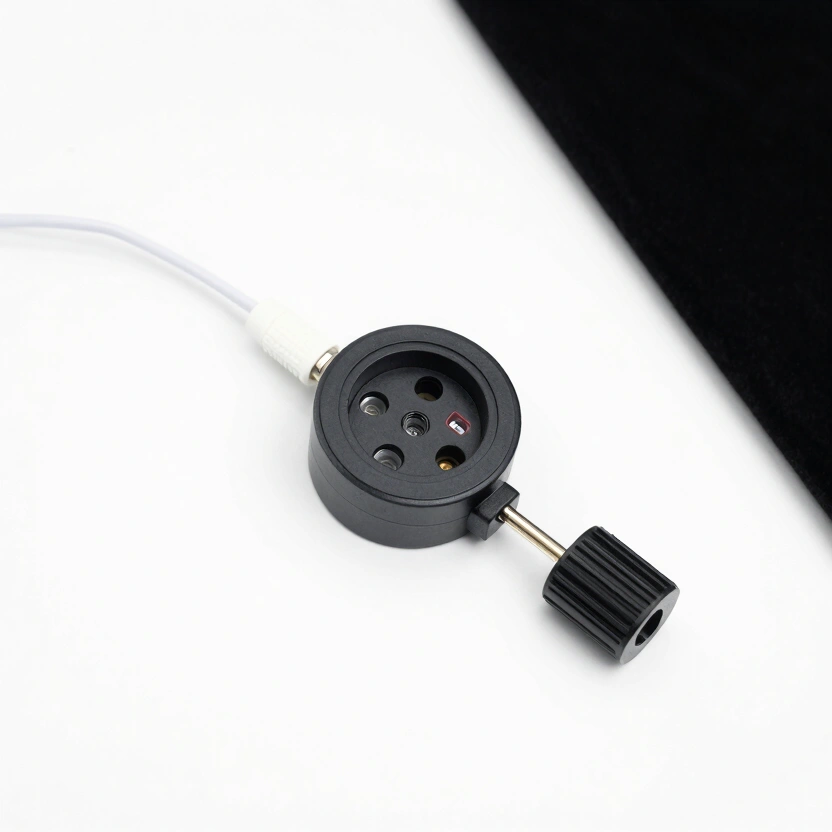
KETOTEK Digital Humidity Regulator Socket
Plug-and-play hygrostat sensor for automated humidity management.
Check Price on Amazon
Spider Farmer Smart Ultrasonic Humidifier (5L)
Automatic humidifier with built-in hygrometer for precise fruiting chamber control.
Check Price on Amazon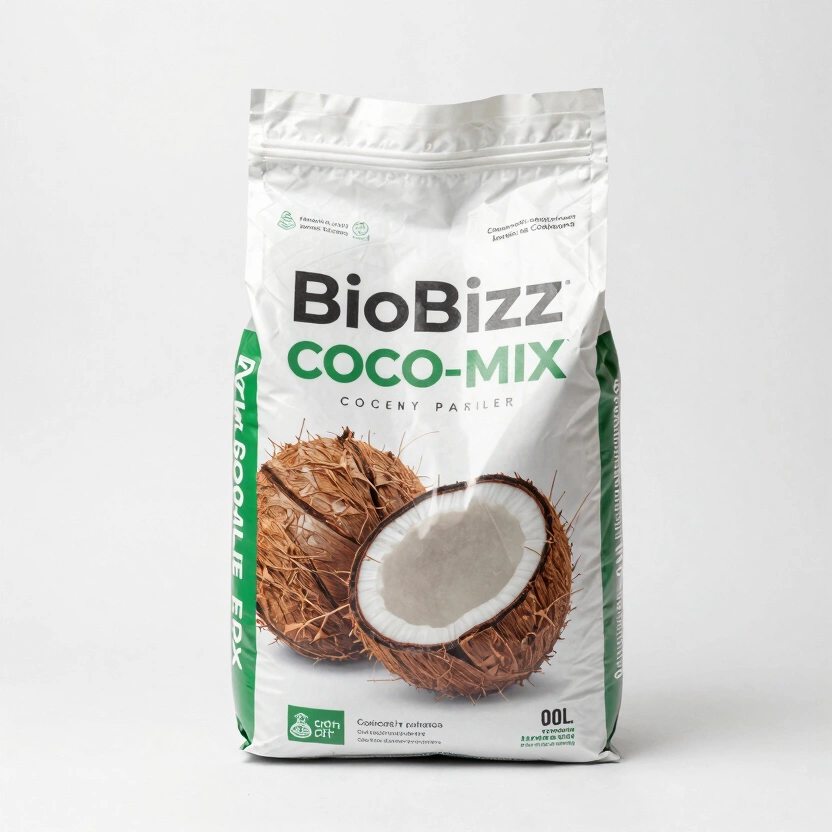
BioBizz Coco-Mix Pure Coconut Fibre Substrate (100 Liters)
High-quality coconut fibre substrate, perfect for building a moisture-retentive CVG mix.
Check Price on Amazon* Affiliate links. Prices last updated March 6, 2026.
Substrate Engineering: Optimizing Chitin Density
The “meatiness” of a King Oyster is a result of high Chitin Density in the cell walls. This is achieved through a high-carbon, moderate-nitrogen substrate.
- The Recipe: Masters Mix (50% Hardwood / 50% Soy Hulls) is the elite standard.
- The Rationale: The soy hulls provide the nitrogen required for rapid expansion, while the hardwood lignin provides the structural building blocks for the dense stipe.
- Density Metric: Aim for a substrate compaction of roughly 0.6g per cm³. Over-compaction leads to anaerobic rot; under-compaction leads to “airy,” low-quality mushrooms.
I measured compaction on my first ten bags with a kitchen scale and a ruler. Tedious, but the bags at 0.55-0.65 g/cm³ outperformed the loosely packed ones by nearly 30% in first-flush weight. The data made me a convert.
Environmental Setpoints for Success
| Phase | Temp (°F) | Humidity (RH) | CO2 (ppm) | Light |
|---|---|---|---|---|
| Inkubation | 72–75 | 60% | > 5,000 | Dark |
| Pinning | 58–62 | 95% | 600–1,000 | 12/12 LED |
| Fruiting | 62–66 | 85–90% | 1,800–2,400 | 12/12 LED |
Technical Insight: The temperature drop during pinning (Stage 5) is non-negotiable. P. eryngii requires a “Cold Shock” to move out of the vegetative state. Once pins are established, the temperature can be raised slightly to accelerate expansion.
I ignored the cold shock step on my second King Oyster run, thinking the CO2 management alone would be enough. The block sat for three weeks producing nothing but aerial mycelium. Frustrating, but it proved the point: temperature drop initiates the reproductive switch; CO2 only shapes what comes after.
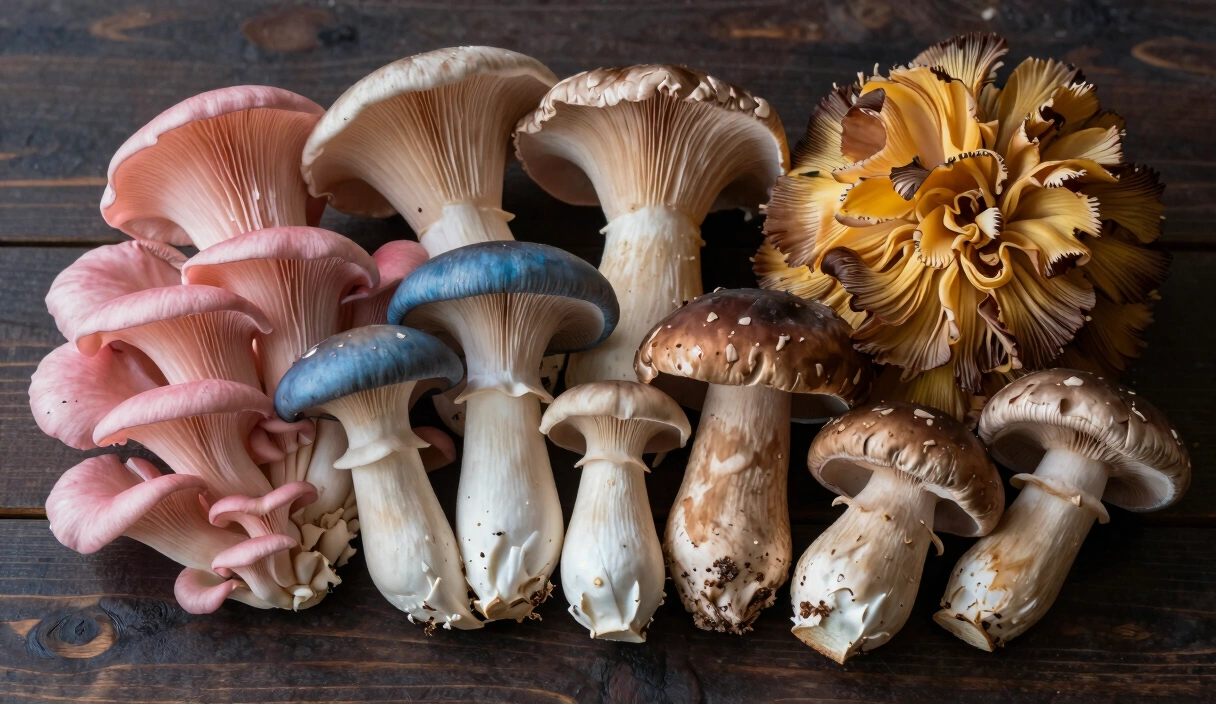
Holding CO2 at 2,000 ppm in a passive monotub is borderline impossible—most consistent King Oyster producers automate that parameter with a controller and solenoid valve inside a sealed Martha Tent. Building a Martha Tent walks you through the wiring, sensor placement, and the FAE schedule that keeps stems thick without starving the mycelium.
Frequently Asked Questions
Why are my King Oysters growing like antlers instead of thick stems?
CO2 above 5,000 ppm. The mushroom loses its ability to differentiate stem from cap and reverts to branching vegetative growth. King Oysters want high CO2, but not that high—bring levels down to the 1,800-2,400 ppm range and increase FAE slightly.
Do King Oysters actually need a casing layer?
Not strictly, but skipping it in a home environment is asking for aborts. Without a casing layer, the substrate surface dries out between mistings, and pins stall. A thin layer of peat/lime mix adds a 15-20% yield bump on the first flush and costs almost nothing. See our Masters Mix Masterclass for the full substrate and casing recipe.
Can I grow King Oysters in a passive Monotub?
Technically yes. Practically, it is a fight. Passive monotubs fluctuate between too much FAE (CO2 crashes below 1,000 ppm, caps grow large) and too little (CO2 spikes past 5,000 ppm, antler forms appear). An automated Martha Tent with a CO2 controller produces far more consistent results.
When should I harvest King Oyster mushrooms?
Stem size, not cap size. Once stems reach 4-6 inches and the cap levels out but the edges have not yet curled upward, cut the cluster. Wait for sporulation and the stem turns woody—worthless for the sear-and-serve preparation this species is known for.
What causes the yellow-green discoloration at the bottom of my King Oyster block?
Anaerobic drainage failure. CO2 is 1.5x denser than air, so it pools at the bottom of bags and tubs. Combined with standing water, that creates an oxygen-free zone where bacteria colonize fast. Elevate your bags on a wire rack and ensure drainage holes are clear.
Related Articles
The Economics of Mycology: Small-Scale Mushroom Business ROI
The real numbers behind starting a mushroom farm. Production costs per 5lb block, energy bills, and profit margins at farmers market prices.
Reishi Cultivation: Engineering Antlers and Conks through CO2 Manipulation
Reishi antlers contain 20-40% more triterpenes than conks — and they're actually easier to grow. CO2 manipulation, morphogenesis, and harvest timing.
The Monotub Masterclass: Engineering Fresh Air Exchange for High-Yield Grows
Everything about monotub design — hole placement, polyfill density, and the convection physics that make or break your first bulk grow.