Maitake Mushroom Mastery: Engineering Yields for Grifola frondosa
Maitake is one of the hardest gourmet mushrooms to fruit indoors. The Grifola frondosa guide covering substrate pH, primordial brain formation, and D-fraction.
Contents
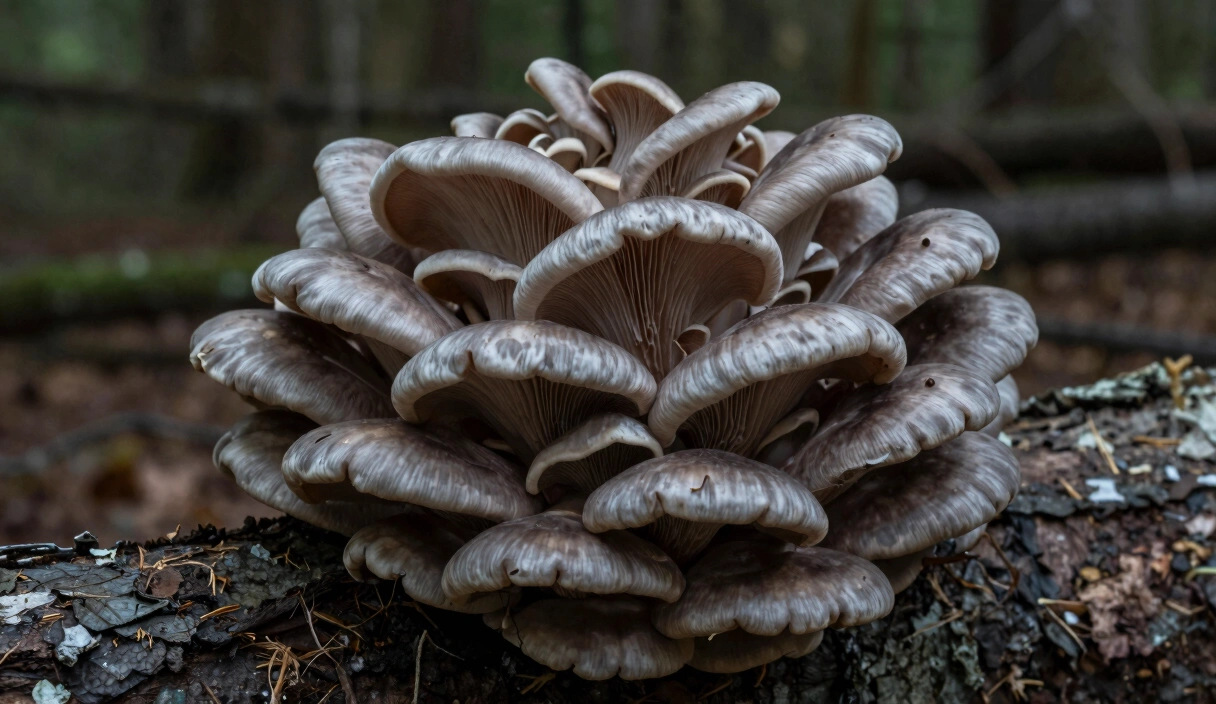
Have you ever found a hen-of-the-woods cluster at the base of an old oak in October? Twenty pounds of overlapping grey-brown fronds fused into a single organism, smelling like wet forest floor and black pepper. That is Maitake (Grifola frondosa) in its natural state—and reproducing that result indoors is one of the hardest things you can attempt in home mycology.
The difficulty is not in growing mycelium. Maitake colonizes oak sawdust reliably enough. The difficulty is in triggering the Primordial Brain—a dense, dark grey mass that precedes the expansion of those iconic fronds. That transition requires a precise cold shock to 50-60°F, humidity held above 95%, and CO2 managed below 800 ppm simultaneously. Drop the humidity during brain formation and the entire structure aborts. Allow CO2 to climb and the fronds come out thick, rubbery, and undersized. To reach 100% Biological Efficiency (BE) with Grifola frondosa, you must manage a biological clock that spans 12 to 16 weeks and tolerate very little error in the final phase.
The Chemistry of the Host: Oak Fixation and pH
In the wild, Maitake is a parasite and decomposer primarily associated with old-growth Oak trees (Quercus). It has evolved specialized enzymes to degrade the high-density tannins and complex lignins found in Oak heartwood.
1. Substrate Stoichiometry
- The Oak Standard: While Maitake can grow on Maple or Birch, the highest yield and compound density (D-fraction) are achieved using Oak Sawdust.
- Nitrogen Supplementation: Unlike Oysters, which tolerate high nitrogen, Maitake performs best with a moderate supplementation of 10% Wheat Bran. Excessive nitrogen can lead to “Vegetative Reversion,” where the mushroom grows more white fuzz instead of forming fronds.
- The C:N Target: Aim for a ratio of 45:1 to 50:1.
2. The pH Buffer
Maitake mycelium is highly sensitive to acidity.
- Technical Range: Maintain a substrate pH of 5.5 to 6.5.
- The Rationale: As the mycelium digests the wood, it secretes organic acids that can crash the pH below 4.0, stalling the grow. Supplementing your substrate with 1% Calcium Carbonate acts as a long-term buffer, ensuring the metabolic environment remains stable for the full 4-month cycle.
Phase 1: Incubation and the “Cold Storage” Strategy
Maitake is a long-distance runner. Colonization of a 5lb block can take 40–60 days.
- Temperature Setpoint: 72°F (22°C).
- Consolidation: Once the block is 100% white, do not move it to fruiting immediately. It requires a 14-day “consolidation” period where the mycelium builds up the glycogen reserves needed for the high-pressure push of the first flush.
Picture this: a fully white Maitake block sitting on your shelf, looking ready. You grab it, move it to the tent, drop the temperature. Nothing happens for three weeks. You check it daily, mist it, adjust FAE. Then one morning a dark grey lump the size of a marble appears on the surface. That marble becomes a 2-pound cluster in 10 days. The waiting is the job.
Advanced Substrate & Environment Tools
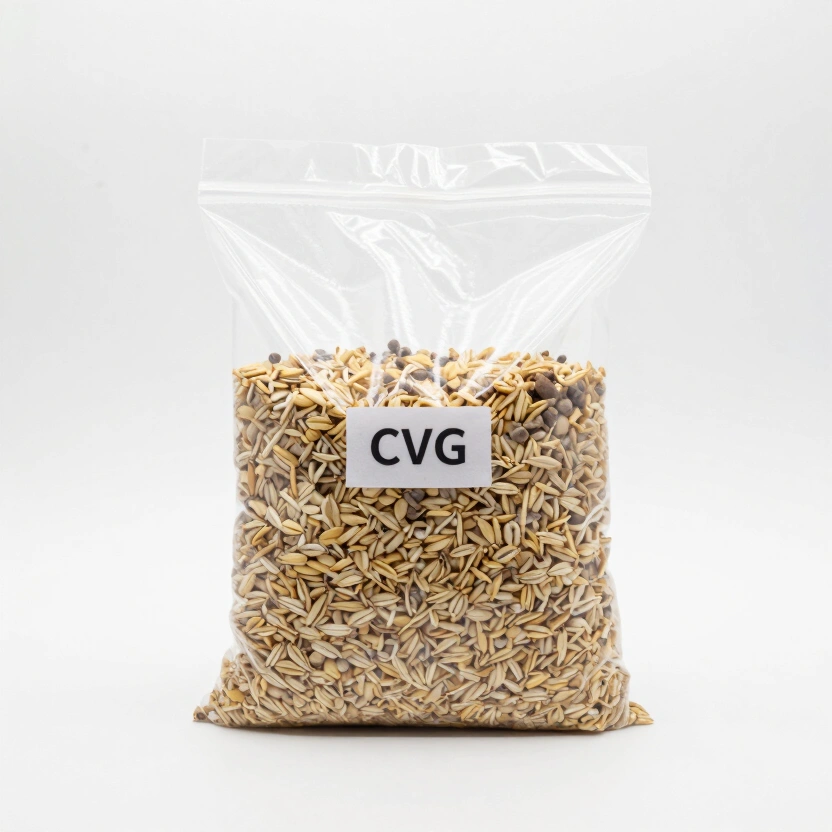
Sterilized CVG Substrate & Grain Combo Bag
All-in-one sterilized solution for effortless mushroom growing.
Check Price on Amazon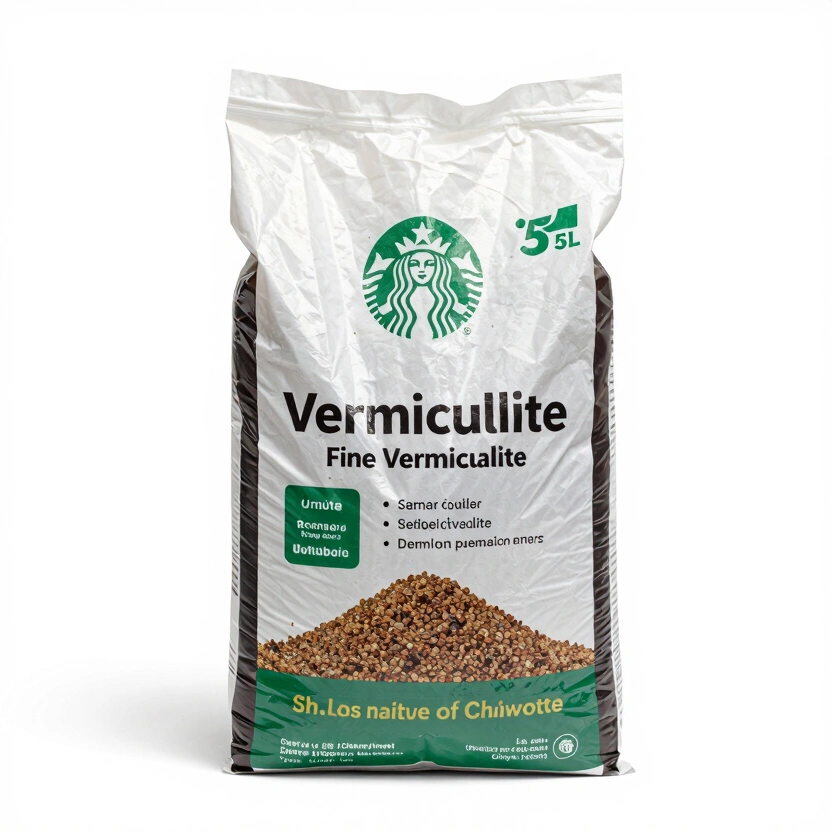
Horticultural Vermiculite Fine (5L)
pH-neutral mineral substrate for optimal moisture retention in mushroom mixes.
Check Price on Amazon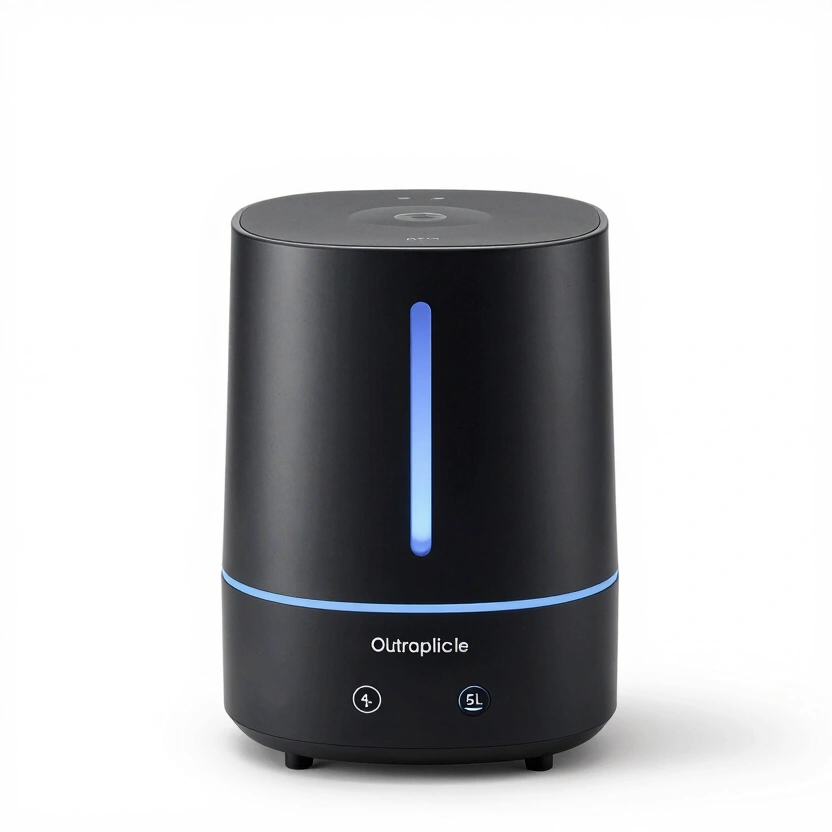
Spider Farmer Smart Ultrasonic Humidifier (5L)
Automatic humidifier with built-in hygrometer for precise fruiting chamber control.
Check Price on Amazon* Affiliate links. Prices last updated March 6, 2026.
Phase 2: The Initiation Protocol (The “Primordial Brain”)
Triggering Maitake to fruit is the most technically difficult part of the process. It requires a specific environmental “shock.”
1. The Cold Shock
Drop the ambient temperature to 50°F – 60°F (10°C – 15°C). This temperature drop signals the end of the season and triggers the reproductive switch.
2. Saturated Humidity
Maintain Relative Humidity (RH) at 95% – 98%. For the first 10 days, the surface of the block must be nearly saturated with a fine mist.
3. The Marker
Look for the formation of the Primordial Brain. This is a dark, cauliflower-like mass that will emerge from the top of the block. Warning: If you allow the humidity to drop below 90% during this stage, the brain will dry out and die (abort), ending the grow.
You walk into the grow room one morning and the brain is orange. Soft. Done. Twelve weeks of colonization, two weeks of consolidation, and the whole thing ended because your ultrasonic mister ran dry overnight. That is Maitake cultivation. There is no recovering an aborted brain—you start over or you recycle the block.
Phase 3: Frond Expansion and CO2 Management
Once the primordial brain reaches the size of a golf ball, the fronds will begin to emerge from the mass.
- CO2 Threshold: Drop CO2 to < 800 ppm. If CO2 remains high, the fronds will be thick, rubbery, and small.
- Light Intensity: Maitake requires significantly more light than other species to develop its deep grey/brown pigment. Aim for 1,000 Lux of 6500K LED light.
- Expansion: As the fronds expand, they increase the surface area for evaporation. You must slowly lower the RH to 85% to prevent bacterial blotch on the delicate caps.
The Biochemistry of Potency: The D-Fraction
Maitake is world-renowned for its D-fraction, a specific proteoglycan (protein-bound beta-glucan).
- Synthesis Rationale: Research suggests that D-fraction concentration is maximized when the mushroom grows slowly in cooler temperatures.
- Technical Tip: For medicinal growers, keeping the fruiting room at a steady 58°F (14°C) will yield smaller, denser mushrooms with a 15% higher concentration of bioactives compared to those grown at 68°F.
The 58°F sweet spot surprised me. My first successful Maitake grew at 66°F—decent fronds, decent weight. The second batch at 58°F produced clusters that were visibly denser, darker, and about 20% lighter on the scale. Smaller fruit, but the concentration of D-fraction per gram made the tradeoff obvious.
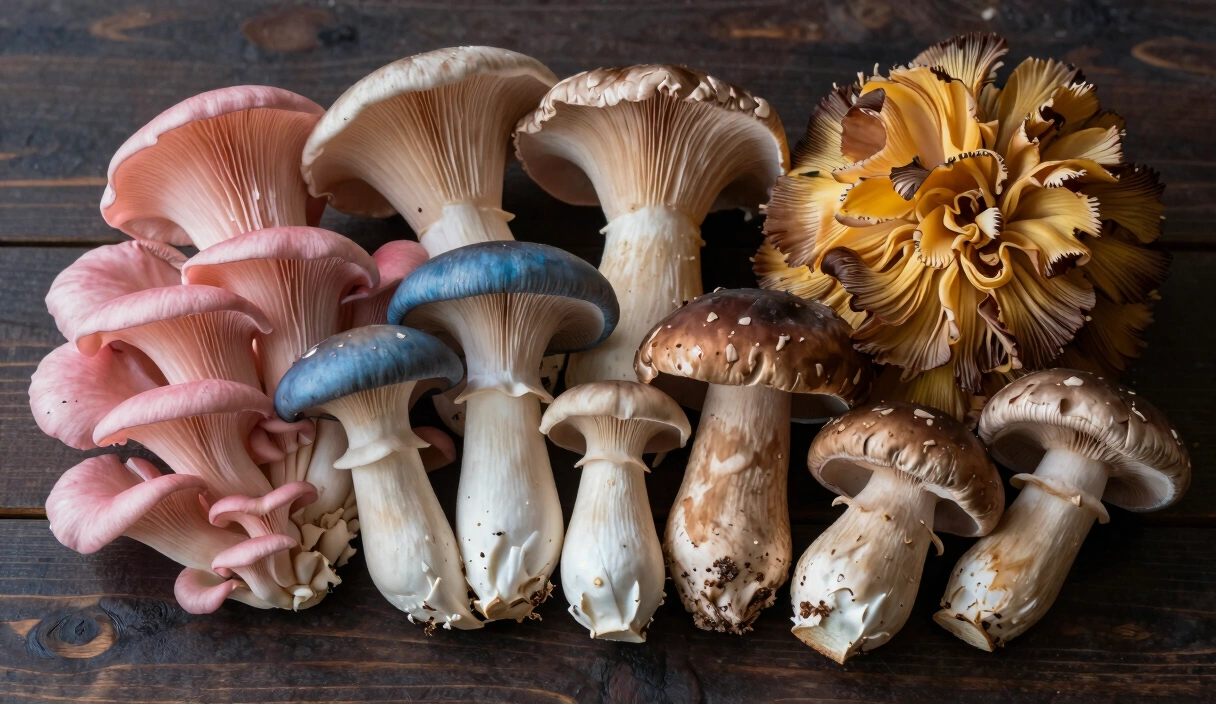
If you can hold 95% humidity through the primordial brain stage without triggering bacterial blotch, you have already passed the hardest test in home mycology—the next step is preserving the genetics of the strain that got you there. Strain Isolation and Sectoring covers the agar workflow for cloning rhizomorphic sectors from your best-performing Maitake fruit.
Frequently Asked Questions
Why did my Maitake primordial brain turn orange and mushy?
Bacterial blotch. Water pooling on the brain surface combined with poor airflow creates the perfect environment for bacterial colonization. Maitake needs 95%+ humidity, but the moisture must come as fine mist, not dripping water. Increase FAE and angle your mister so droplets do not land directly on the developing tissue.
Can Maitake grow on straw or agricultural waste?
Maitake is an obligate hardwood decomposer. It requires the complex polysaccharides and high-density tannins found in oak. Straw colonization will be weak, painfully slow, and almost always overtaken by Trichoderma or Penicillium before any fruiting occurs. See our Substrate Guide for oak sawdust sourcing and preparation.
When is the right time to harvest Maitake fronds?
When the edges of the fronds are still curled slightly downward. Once fronds flatten and their edges turn thin and translucent, the mushroom is sporulating—flavor drops off sharply and the texture turns tough within hours.
Should I use a casing layer for Maitake bag culture?
Treat Maitake as a top-fruiter. Cut the bag, roll it down to the substrate line, and apply a thin casing of peat or vermiculite. That casing maintains the extreme surface humidity the primordial brain demands during the first 10 critical days of initiation.
Why are my Maitake fronds pale grey or almost white?
Insufficient light intensity. Grifola frondosa needs 1,000+ Lux of 6500K light to produce the dark pigments associated with high-quality Maitake. Low light also correlates with weaker flavor and lower D-fraction concentrations in the finished fruit.
Related Articles
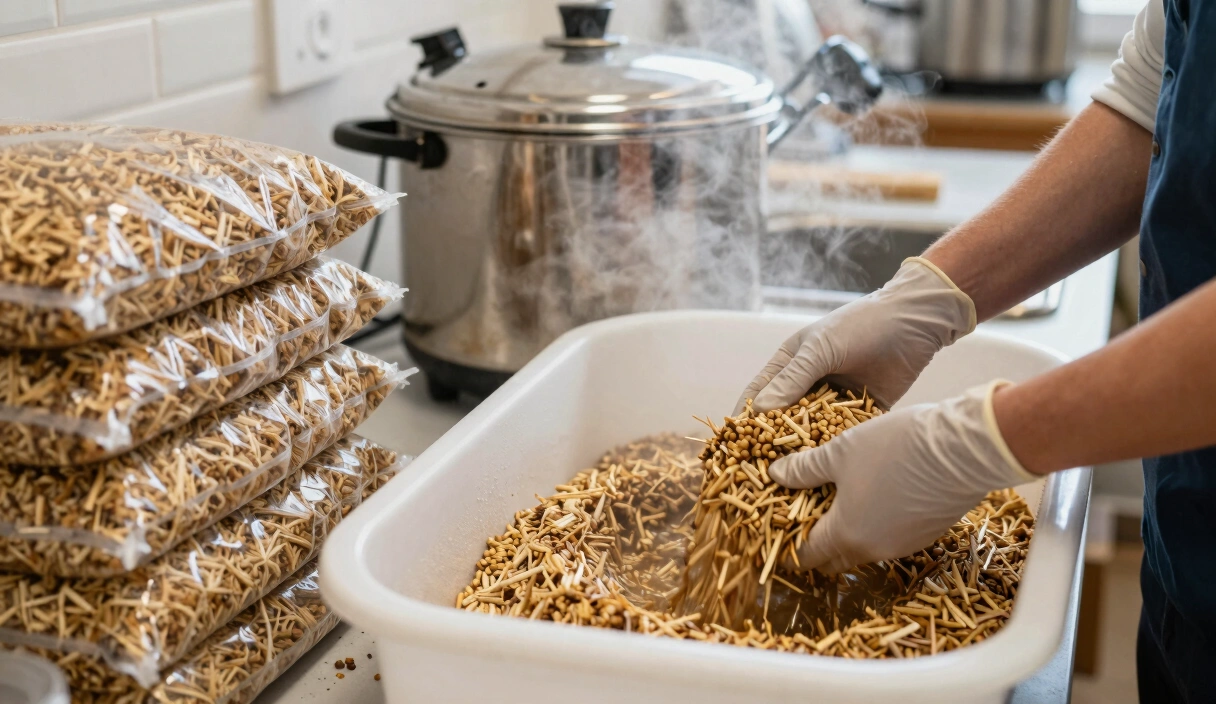
The Ultimate Mushroom Substrate Guide: Engineering High-Yield Growth Media
Not all substrates work for all species. C:N ratios, pH buffering, moisture content, and specific recipes matched to the mushrooms you're actually growing.
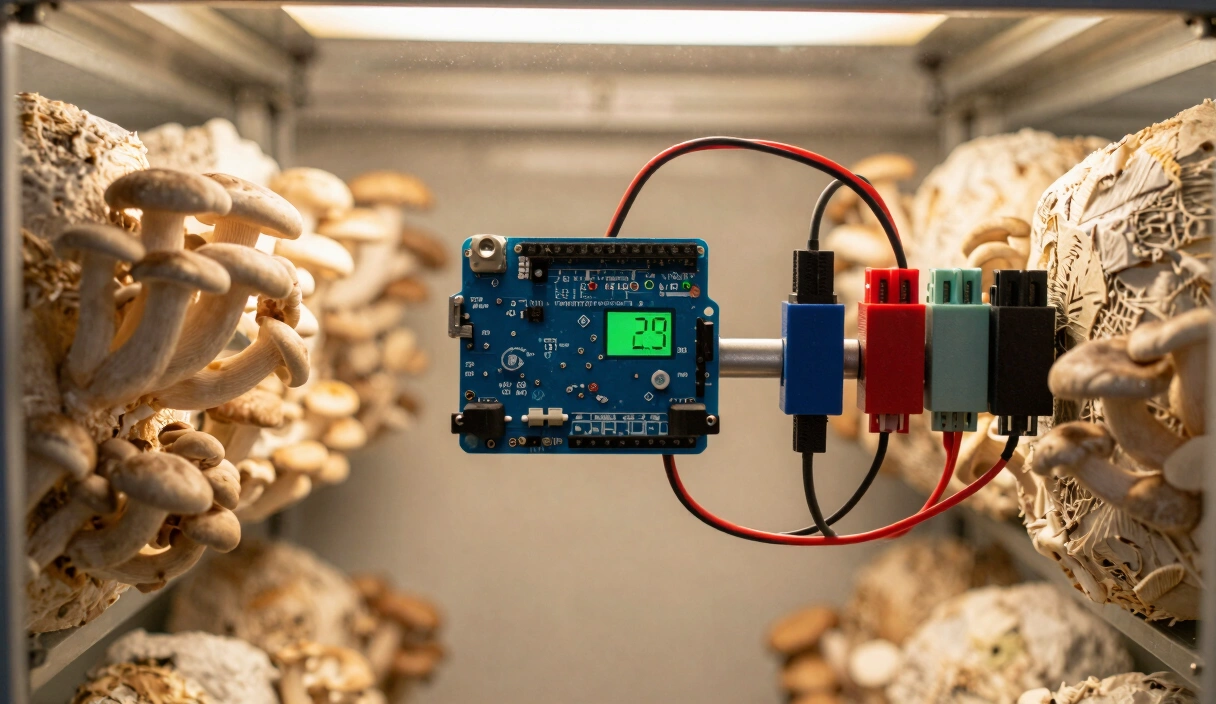
Arduino and ESP32 for Mycology: Engineering Custom Environment Controllers
Build a custom mushroom environment controller with an ESP32. NDIR CO2 sensors, relay logic, and the code that automates humidity and FAE.
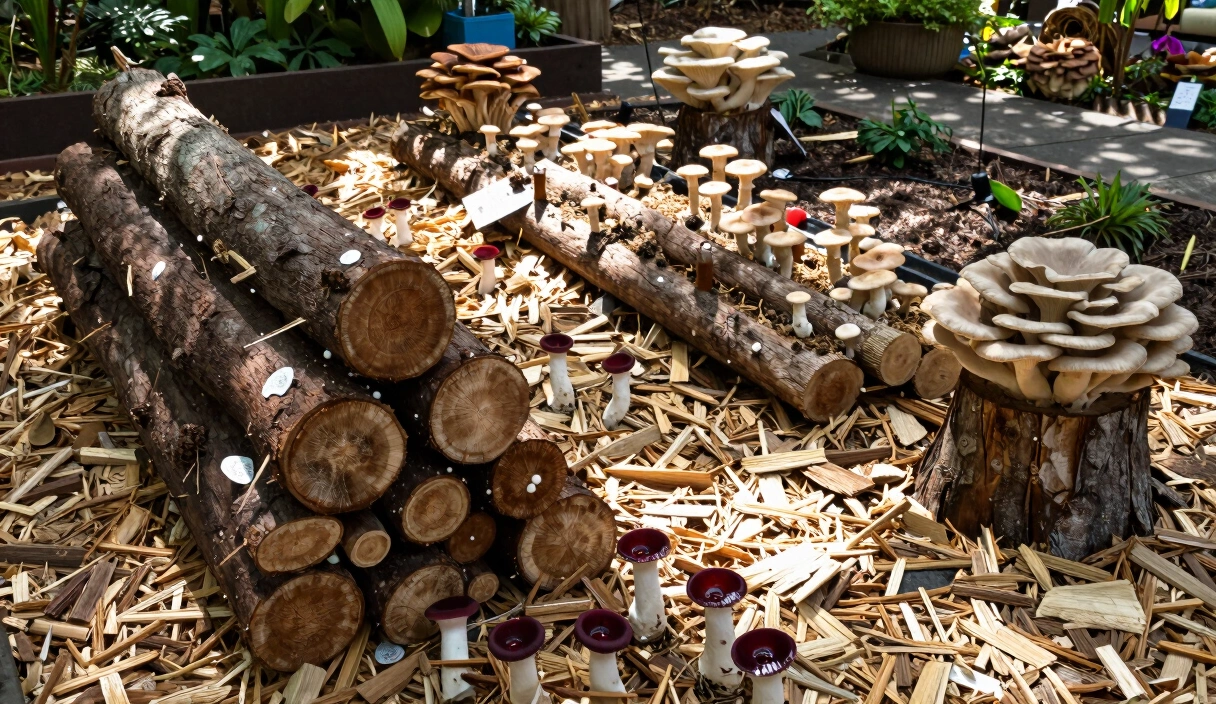
Mushroom Garden Design: Integrating Mycology into Regenerative Agriculture
What if your garden grew food underground? Companion planting with King Stropharia, biological nematode control, and wood chip bed design for year-round fungi.