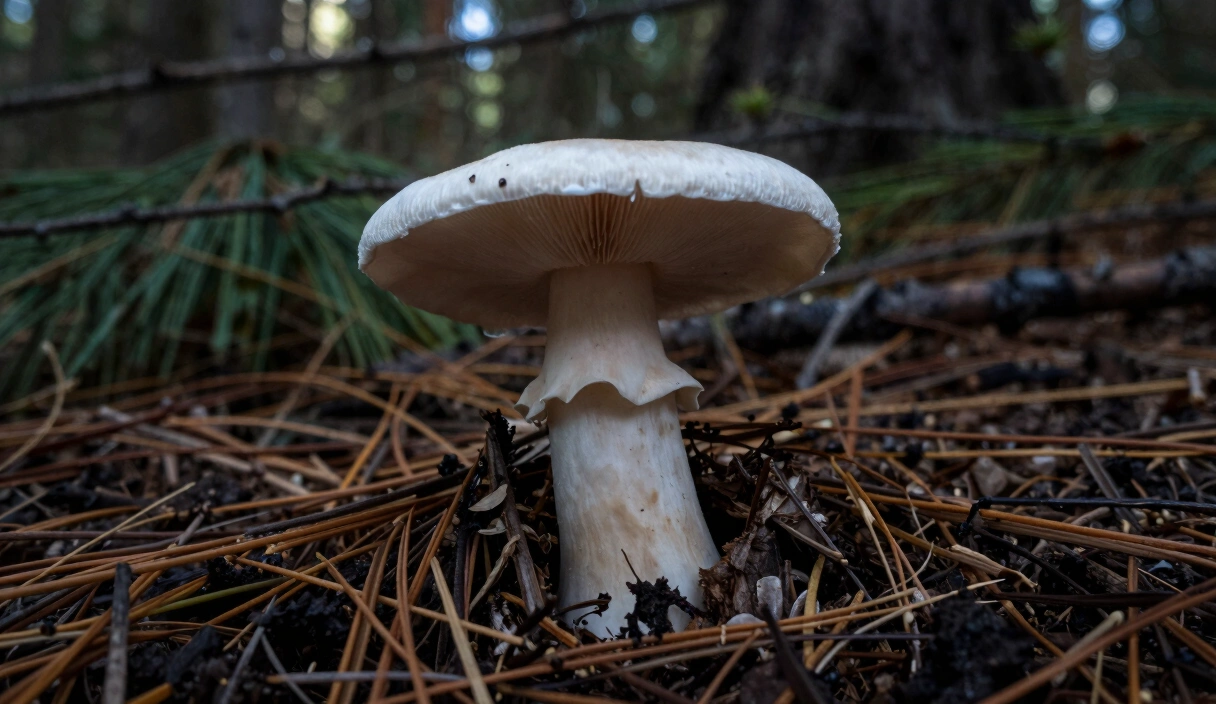
Matsutake & Mycorrhizal Complexity: The Final Frontier of Mushroom Cultivation
Matsutake can't be farmed — it needs a living tree and soil biology that no lab can replicate. Here's the science behind why.
Contents
Matsutake does not deserve the mystique. The thousand-dollar-per-pound price tag, the reverential Japanese foraging rituals, the breathless food-magazine profiles – all of it obscures a straightforward biological reality. Tricholoma matsutake is an obligate ectomycorrhizal fungus that cannot survive without a living pine host. That is not romantic. It is a dependency problem. And it is the single reason this species has resisted every attempt at industrial cultivation while Oyster and Shiitake growers scale up in shipping containers.
Strip away the cultural mythology and what remains is a genuinely fascinating technical challenge. Matsutake mushroom cultivation fails not because the fungus is “mysterious” but because replicating the chemical dialogue between fungal hyphae and Pinus densiflora root systems requires ecological engineering that no indoor lab can currently achieve. The Hartig net formation, the Shiro colony dynamics, the auxin signaling – these are solvable biochemistry problems, not spiritual ones. Understanding them clearly is the first step toward the inoculation protocols that represent the current state of the art.
The Biology of Symbiosis: The Hartig Net
Unlike decomposers that eat dead wood, Matsutake forms a sophisticated partnership with its host tree.
1. The Intercellular Interface
When a Matsutake hypha encounters a pine root, it does not penetrate the individual plant cells. Instead, it weaves a complex web between the cortical cells of the root. This structure is known as the Hartig Net.
- The Nutrient Exchange: Through this net, the tree provides the fungus with a steady supply of Sucrose and Glucose (the products of photosynthesis). In return, the fungus utilizes its high-surface-area mycelial network to pull Nitrogen and Phosphorus from the soil, providing the tree with nutrients its own roots could never reach.
- Enzymatic Suppression: A key technical difference in ECM fungi is the suppression of cellulase enzymes. If the Matsutake were to produce the same aggressive enzymes as an Oyster mushroom, it would kill the host root, terminating its own food supply.
Think about how unusual that is. Every other cultivated species in my grow room is an aggressive decomposer that digests its substrate. Matsutake evolved to suppress its own digestive toolkit to keep its host alive. It is the only mushroom I have studied that succeeds by choosing not to eat.
2. The Auxin Trigger
Matsutake mycelium secretes Indole-3-Acetic Acid (IAA), a plant hormone.
- The Effect: This hormone triggers the pine root to grow in a “dichotomous” (forked) pattern. These short, branched roots provide the maximum surface area for the Hartig net to form. If your pine seedlings lack these Y-shaped roots, the mycorrhizal bond has not been established.
The Shiro: The Sovereign Fungal Colony
The most distinctive feature of Tricholoma matsutake is the formation of the Shiro (meaning “white place” in Japanese). The Shiro is a dense, white mass of mycelium that occupies the soil around the host tree.
1. Chemical Dominance
Within the Shiro, the Matsutake fungus is an absolute sovereign. It secretes specialized antibiotics and VOCs (Volatile Organic Compounds) like Methyl Cinnamate that suppress the growth of other fungi and bacteria.
- Technical Rationale: The Shiro creates a low-competition zone where the Matsutake can monopolize the tree’s carbon output.
Picture digging into the soil inside a Shiro: white threads everywhere, the smell of cinnamon and turpentine, and not a single competing organism visible. It looks sterile, almost clinical. Meanwhile, the soil six inches outside the ring is teeming with normal forest life. The chemical warfare boundary is that sharp.
2. Bacterial Synergy
While it suppresses most bacteria, the Shiro actively recruits “Helper Bacteria” (primarily of the genus Paenibacillus). These bacteria assist in the breakdown of inorganic phosphorus and provide specific growth factors that accelerate the expansion of the Shiro.
Environmental Monitoring for Forest Systems
Sterilized CVG Substrate & Grain Combo Bag
All-in-one sterilized solution for effortless mushroom growing.
Check Price on Amazon
Spider Farmer Smart Ultrasonic Humidifier (5L)
Automatic humidifier with built-in hygrometer for precise fruiting chamber control.
Check Price on Amazon
KETOTEK Digital Humidity Regulator Socket
Plug-and-play hygrostat sensor for automated humidity management.
Check Price on Amazon* Affiliate links. Prices last updated March 6, 2026.
Why Indoor Cultivation Fails: The Photosynthesis Barrier
For decades, labs have attempted to grow Matsutake on artificial substrates. While mycelial growth is achievable, Sporocarp (Mushroom) Formation is near-impossible in a sterile bag.
1. The Carbon Flux Requirement
A fruiting Matsutake requires a massive, sustained “Carbon Pulse” from the host tree. During the fruiting season, the tree may redirect up to 40% of its daily photosynthetic sugar production into the Shiro.
- The Physics: An indoor substrate block is a closed energy system. It contains a finite amount of sugar. Matsutake requires the Active Pipeline of a living tree to build the internal hydraulic pressure needed to push a dense, woody mushroom through the soil.
2. The Soil-Atmosphere Signal
Matsutake fruiting is triggered by a precise drop in soil temperature combined with a high-oxygen signal. In a sealed bag, these environmental gradients are absent, leading to a permanent vegetative state.
Controlled Inoculation: The Modern Myco-Forest Protocol
The current “Gold Standard” for Matsutake production is the Seedling Transfer Method.
- In-Vitro Inoculation: Pine seedlings are grown in sterile conditions and inoculated with a pure Matsutake dikaryon.
- Verification: After 4 months, the seedlings are checked under a microscope for the presence of the Hartig net and dichotomous branching.
- Out-Planting: These “Super-Seedlings” are moved to managed forest plots with low existing fungal diversity.
- Site Prep: The soil must be well-drained, sandy, and low in nutrients. High-nitrogen fertilizers will cause the tree to “reject” the fungal partner, as the tree no longer needs the fungus to find nutrients.
Here is the frustrating paradox: the better you “feed” the tree, the less it needs the fungus, and the partnership collapses. Every instinct from saprophytic cultivation – supplement the substrate, add nitrogen, boost nutrition – works against you with mycorrhizal species.
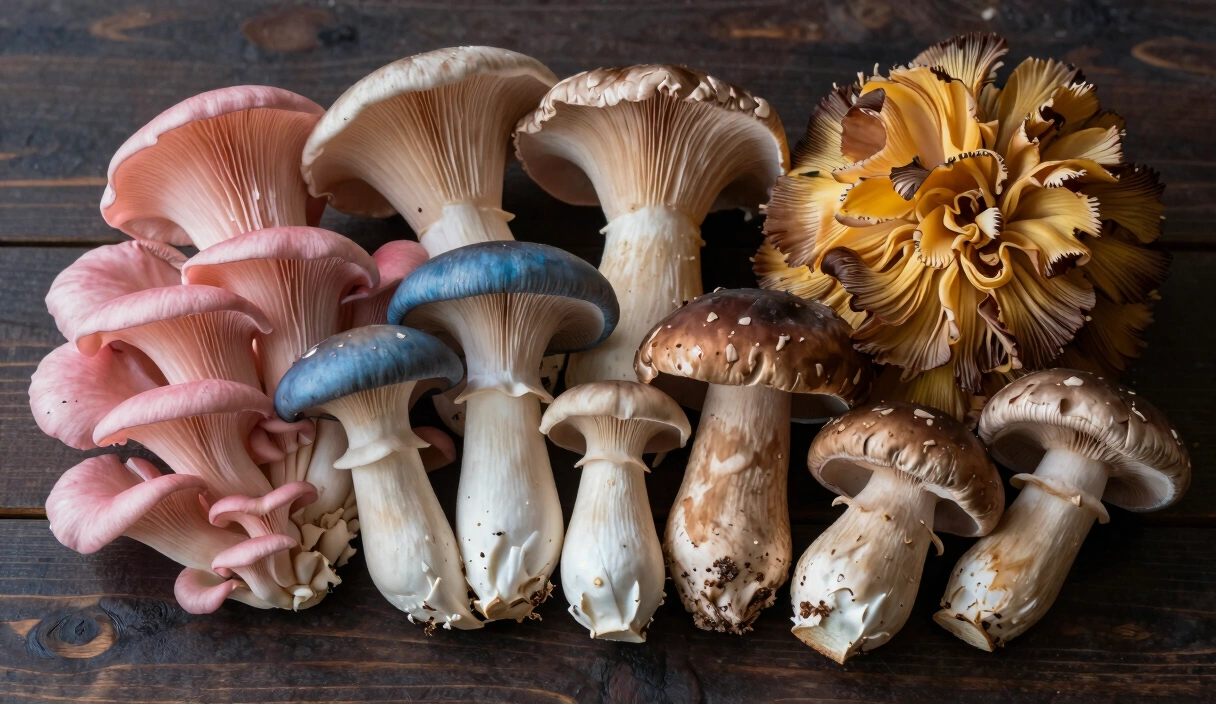
Matsutake is not a species you will grow in a garage, but understanding its mycorrhizal biology changes how you think about every other fungal-plant interaction in your outdoor projects. If you are ready to apply these principles practically, start with our mushroom garden design guide and the companion-planting strategies that make mycorrhizal systems work.
Frequently Asked Questions
Why are matsutake mushrooms so expensive?
Pure supply constraint. The entire global harvest comes from wild foraging because no one has cracked indoor cultivation. Add declining Japanese pine forests (Pine Wilt Nematode, climate shifts) and you get a seasonal commodity that regularly exceeds $1,000 per pound.
Can you buy matsutake spores and grow them in your yard?
You can buy spore slurries, but success rates are near zero without a compatible healthy pine and the specific soil microbiology required to form a Shiro. Pre-inoculated pine seedlings planted in managed forest plots represent the only technically sound approach. See our mushroom lifecycle guide for context on how the ECM lifecycle differs from saprophytic species.
Does matsutake grow on trees other than Japanese red pine?
Yes. American Matsutake (Tricholoma magnivelare) bonds with Tanoak and Madrone in the Pacific Northwest. European species associate with pine and spruce. The most prized culinary specimens, though, always come from Pinus densiflora stands.
How do you find a matsutake Shiro in the wild?
Look for a “fairy ring” of white mycelium just below the leaf litter. Soil inside a mature Shiro feels drier and powdery compared to surrounding ground, and you will notice a complete absence of other mushrooms or weeds inside the ring – the Matsutake’s antibiotic secretions clear everything else out.
What is the best way to store fresh matsutake?
Never wash them. The cinnamon-like aroma is a volatile compound that evaporates fast. Wipe with a damp cloth, wrap individually in paper towels, and seal in a container in the refrigerator. For long-term storage, flash-freeze or dry at very low temperatures to preserve the aromatic profile.
Related Articles
The Log Inoculation Masterclass: Engineering High-Yield Outdoor Mushroom Beds
Drill, plug, wax, wait. The log inoculation method produces shiitake for 4-6 years from a single hardwood log. Moisture, spawn depth, and timing protocols.
Mushroom Breeding: The Science of Strain Crossing and Hybrid Vigor
Crossing mushroom strains for better yields. Monokaryotic isolation, clamp connection verification, and what hybrid vigor actually means for growers.
Shipping Container Lab: Engineering a High-Volume Cleanroom from Scratch
An ISO 7 mushroom lab inside a shipping container for under $8,000. HVAC overpressure, spray foam insulation, and ACH calculations included.