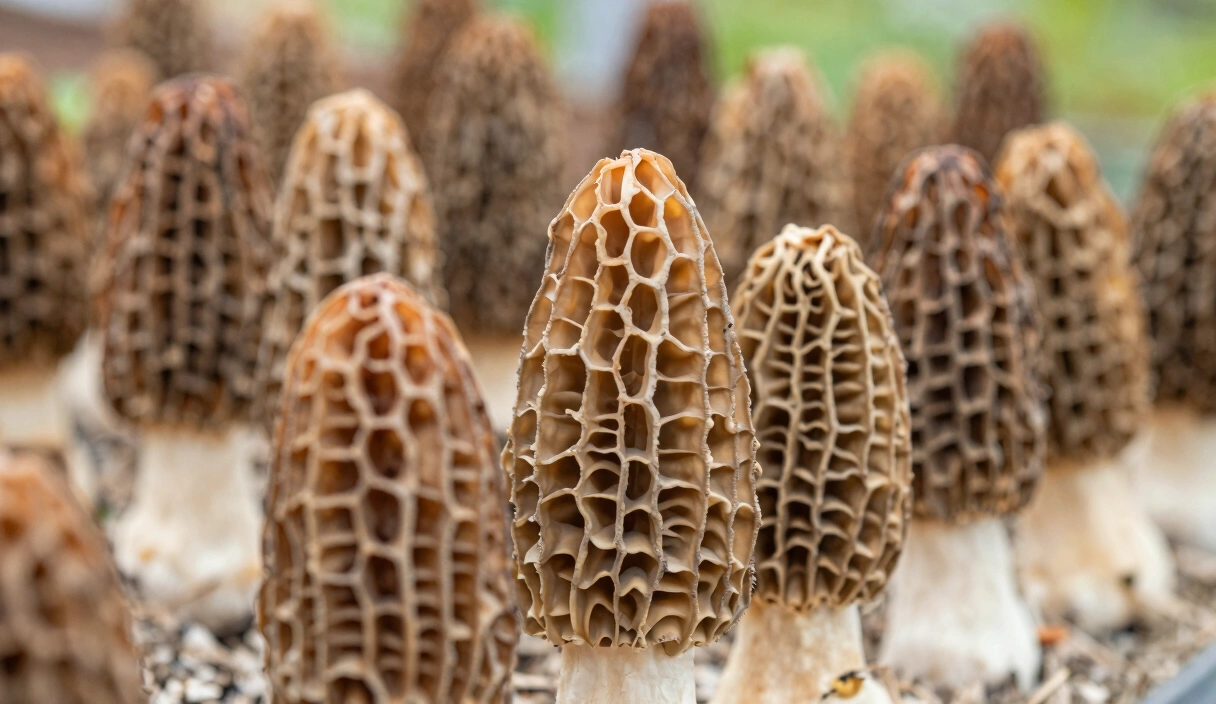
Morel Cultivation: Engineering the Sclerotia-to-Fruit Transition
Can you grow morels indoors? The honest answer involves sclerotia biology, hydrological shock timing, and a success rate that humbles most growers.
Contents
Can you actually grow morel mushrooms indoors? Five years ago I would have said no with absolute confidence. The internet was littered with failed attempts, vague “morel slurry” recipes, and forum threads that ended in frustration. Then Chinese commercial growers cracked the code using the Nutrient Depletion Model and exogenous feeding bags, and suddenly Morchella importuna went from a foraging trophy to a cultivatable crop. The answer is yes – but the process has almost nothing in common with growing Oysters or Shiitake.
Morels do not fruit from mycelium the way most cultivated species do. They require an intermediate survival structure called a sclerotium – a dense, lipid-loaded nodule that acts as a biological battery. You feed the fungus, let it bank energy into sclerotia, rip the food source away, flood the bed with water to simulate snowmelt, and hope the MAPK signaling pathway fires correctly. It is the most demanding cultivation protocol in amateur mycology, and the failure rate is still high enough to keep most growers humble.
The Biology of the Sclerotium: The Fungal Battery
A Morel mushroom does not grow directly from vegetative mycelium in the same way a Lion’s Mane does. It requires a precursor state: the Sclerotium.
1. Lipid and Glycogen Sequestration
The sclerotium is a hardened mass of mycelium designed to survive winter. During the “Loading Phase,” the fungus acts as a high-speed nutrient pump, pulling carbon and nitrogen from a primary source and concentrating it into these dark, dense nodules.
- The Technical Rationale: Without a high-density sclerotium, the fungus lacks the hydraulic pressure required to inflate the complex honeycomb structure of the pileus (cap).
- Lipid Density: High-yield morel strains are characterized by their ability to convert up to 20% of their sclerotial dry weight into storage lipids.
Data point worth noting: a 2022 study from Kunming Institute of Botany measured sclerotial lipid content across 14 Morchella importuna strains and found a 3x variation in storage lipid density between the highest and lowest performers. Genetics matter here more than in almost any other cultivated species.
2. The Pseudosclerotia Distinction
Technical growers distinguish between “true” sclerotia (dense balls) and “pseudosclerotia” (crust-like mats). For indoor cultivation, the goal is the formation of a uniform layer of pseudosclerotia across the substrate surface, which acts as the “launchpad” for the primordia.
The Nutrient Depletion Model: Managing the “Hunger Trigger”
The most significant breakthrough in morel cultivation is the understanding that Morchella only fruits when it perceives its food source is exhausted.
The Carbon-to-Nitrogen (C:N) Inversion
In the first phase (Colonization), we provide a rich, high-nitrogen medium (often utilizing the Exogenous Nutrient Bag method).
- Phase 1 (Loading): Mycelium colonizes the soil and enters the nutrient bag to “feed.”
- Phase 2 (Depletion): After 15–20 days, the nutrient bag is removed. This sudden drop in available nitrogen signals to the fungus that its host environment is dying, triggering a survival-fruiting response.
- The Switch: This metabolic shift from anabolic growth to reproductive catabolism is governed by the MAPK (Mitogen-Activated Protein Kinase) pathway, which upregulates the genes responsible for stipe and pileus differentiation.
Precision Tools for Morel Induction
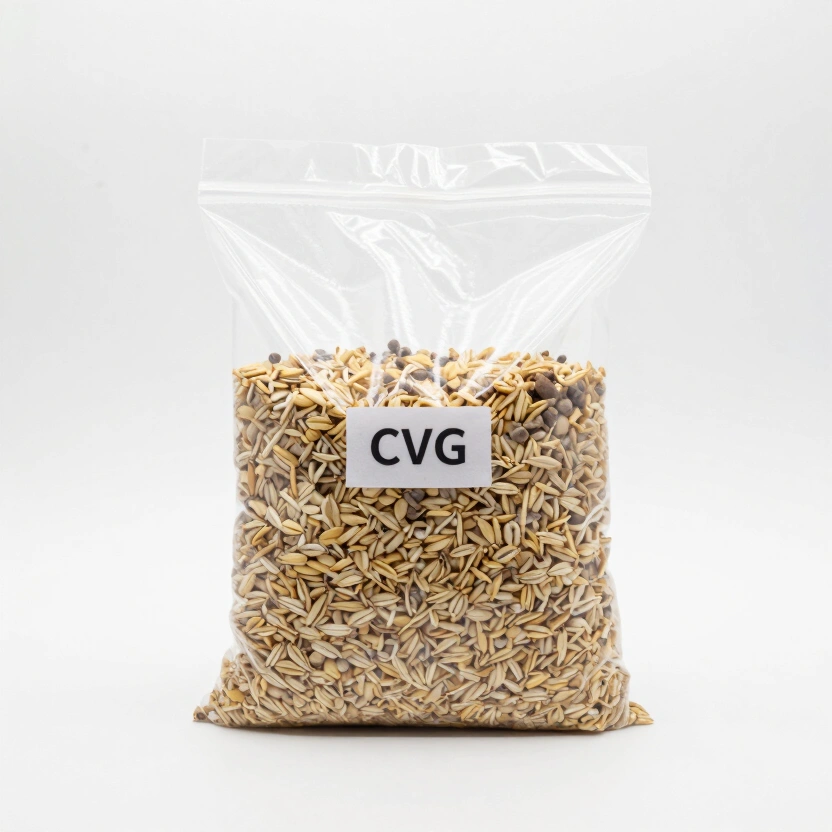
Sterilized CVG Substrate & Grain Combo Bag
All-in-one sterilized solution for effortless mushroom growing.
Check Price on Amazon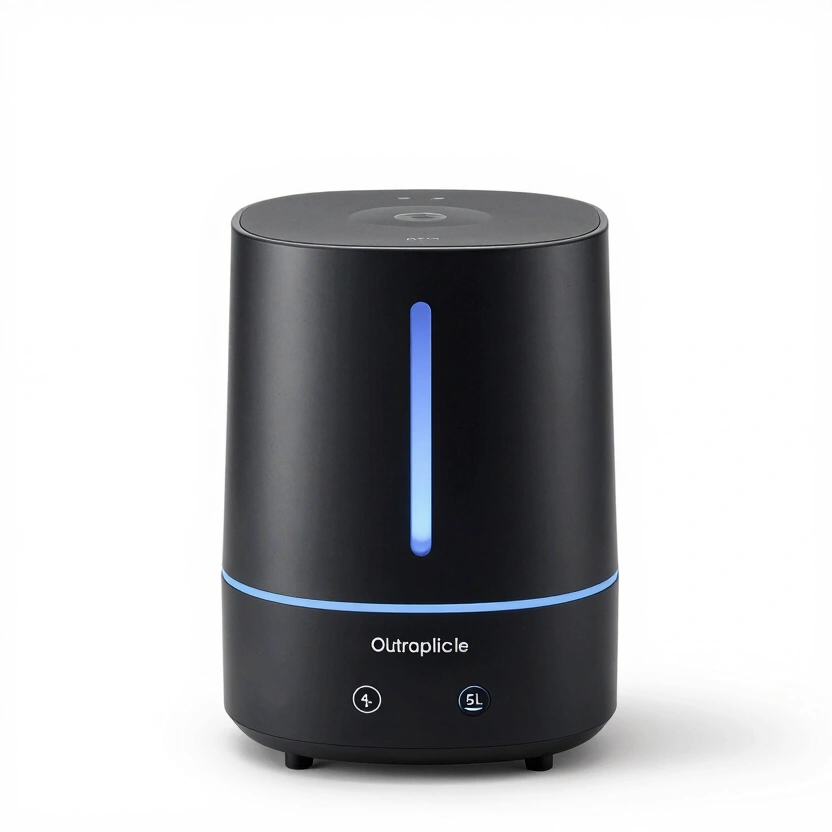
Spider Farmer Smart Ultrasonic Humidifier (5L)
Automatic humidifier with built-in hygrometer for precise fruiting chamber control.
Check Price on Amazon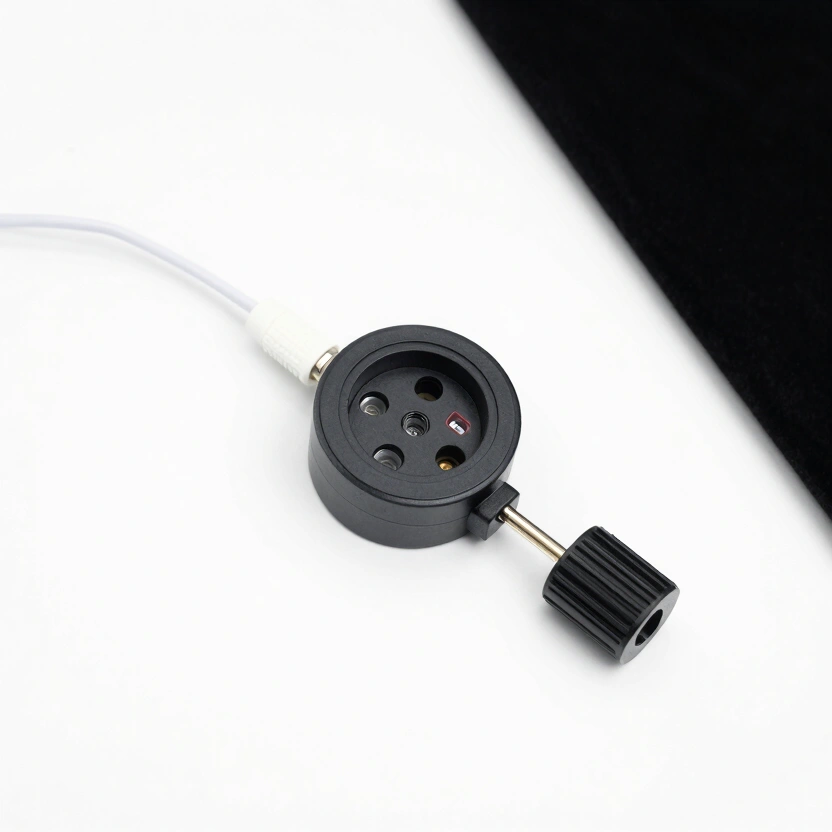
KETOTEK Digital Humidity Regulator Socket
Plug-and-play hygrostat sensor for automated humidity management.
Check Price on Amazon* Affiliate links. Prices last updated March 6, 2026.
Phase 3: The Hydrological Shock (Simulated Snowmelt)
In the wild, morels fruit in the spring as the ground thaws. Technical growers simulate this through a Water Shock.
- Saturation: Once the exogenous bags are removed and the soil has consolidated, the beds are flooded with filtered water for 12 to 24 hours.
- The Physics: This flood does two things: it leaches away any remaining surface nutrients (reinforcing the depletion signal) and it provides the massive volume of water the fungus needs to build the fruiting bodies.
- Evacuation: The water must be drained completely. If the soil remains waterlogged (anaerobic), the sclerotia will rot rather than fruit.
I have lost two entire morel beds to this exact mistake – left the water standing six hours too long because I went to bed instead of draining. Sclerotia that took three weeks to build turned to black mush overnight. Set an alarm. Drain on schedule.
Environmental Setpoints: The Spring Signal
| Phase | Temp (°F) | Humidity (RH) | CO2 (ppm) | Light |
|---|---|---|---|---|
| Inkubation | 68 – 72 | 60% | > 5,000 | Dark |
| Induction | 50 – 55 | 95% | < 800 | 12/12 LED |
| Fruiting | 58 – 62 | 85 – 90% | 600 – 800 | 12/12 LED |
Technical Insight: Morchella is extremely sensitive to CO2. If levels exceed 1,000 ppm during the primordia stage, the “Pins” (which look like tiny white spears) will never expand into caps. High-volume Fresh Air Exchange (FAE) is mandatory.
Soil Engineering and the Bacterial Synergy
Unlike wood-decomposers, morels require a complex soil matrix.
- Substrate Composition: A mix of 60% sandy loam, 20% peat moss, and 20% aged hardwood chips, buffered to a pH of 7.5 to 8.0 with Calcium Carbonate.
- The Pseudomonas Factor: Research in China has shown that the presence of certain Stickstofffixierende Bakterien (like Pseudomonas species) in the soil can increase primordia density by 30%. These bacteria appear to stimulate the fungal protease activity, making soil nitrogen more available for fruiting body construction.
The 30% primordia density increase from Pseudomonas inoculation is one of the most underreported findings in modern morel research. Most Western growers are still sterilizing their soil and killing the exact bacterial partners that Chinese commercial operations deliberately cultivate.
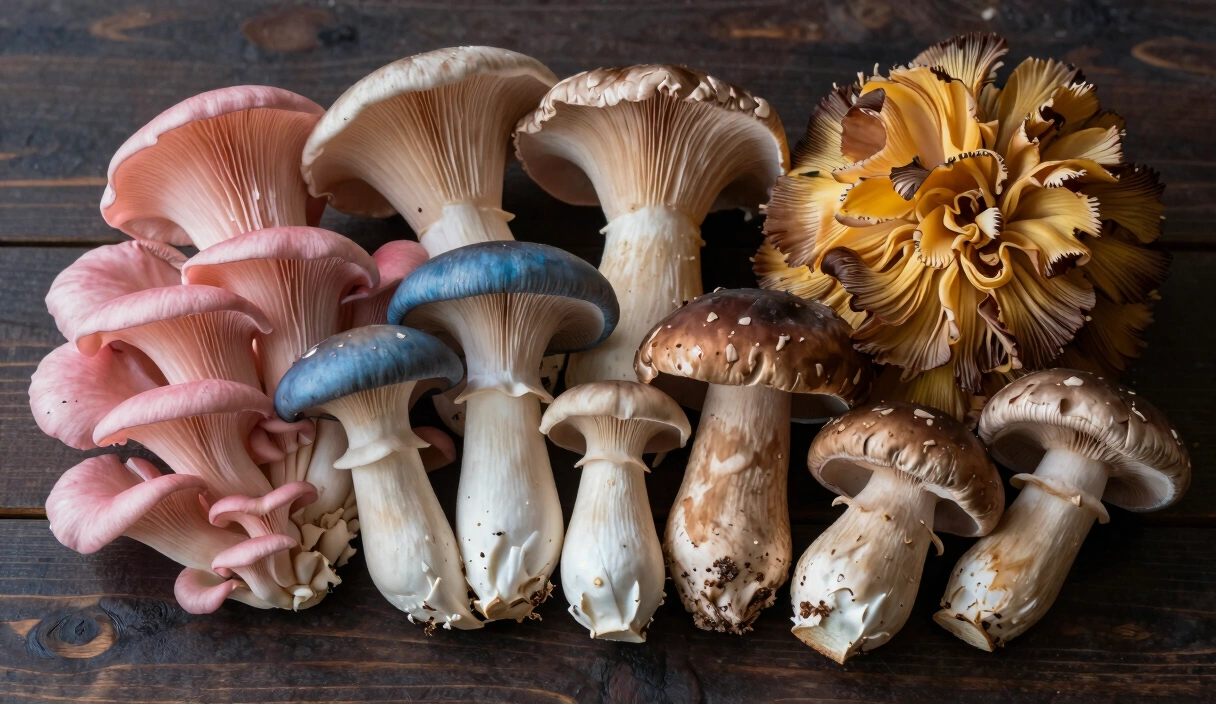
Morel cultivation is 90% preparation and 10% fruiting – if your sclerotia are underdeveloped or your genetics are wrong, no amount of hydrological shock will save the run. Before attempting your first bed, invest the time in strain isolation and sectoring to verify your culture actually produces dense, dark sclerotia on agar.
Frequently Asked Questions
Why can’t you grow morels in a regular monotub?
A monotub mixes the food into the substrate permanently. Morels need the food source to be external so you can physically remove it and trigger the depletion response. You also need 4 to 6 inches of soil depth for the secondary mycelial network, which is deeper than standard monotub setups allow.
What goes inside the exogenous nutrient bags for morels?
Wheat, rice husks, and cottonseed hulls – sterilized at 15 PSI. The bags sit on top of colonized soil for about two weeks while the mycelium feeds into them. Removing the bags simulates the death of the nutrient source and triggers the survival-fruiting switch.
Can you grow morels outdoors with a spore slurry?
You can try. Success rates are low because you have no control over nutrient depletion timing or hydrological shock. Indoor controlled environments or screen-house field cultivation remain the only reliable approaches for repeatable harvests.
Why did my morel pins abort and turn white?
Stagnant air or humidity below 80%. Morel pins are fragile enough to abort within 24 hours of FAE failure. Maintain 90% RH with at least 6 full air exchanges per hour during the spear stage.
How do you test if morel genetics can actually fruit?
Grow the strain on Sclerotia-Inducing Agar (SIA). If dense, dark brown nodules appear within 14 days, the culture has fruiting potential. Flat white fuzz with no nodule formation means the strain is vegetative-only and will never produce mushrooms regardless of your environmental control.
Related Articles
The Science of Umami: Culinary Physics and Fungal Biochemistry
Why mushrooms taste so savory. Glutamate levels, the dry-saute technique, and the Maillard reaction that turns a shiitake into something extraordinary.
Mushroom Powders and Capsules: The Technical Guide to Superfine Processing
DIY mushroom capsules cost $2.80 per bottle vs. $35-45 retail. Milling temperatures, capsule machines, and how to test for starch filler contamination.
Spore Prints and Syringe Physics: The Science of Fungal Archiving
The right way to take spore prints, make syringes, and store genetics for years. Covers foil vs. glass, hydration, and long-term viability.