Reishi Cultivation: Engineering Antlers and Conks through CO2 Manipulation
Reishi antlers contain 20-40% more triterpenes than conks — and they're actually easier to grow. CO2 manipulation, morphogenesis, and harvest timing.
Contents
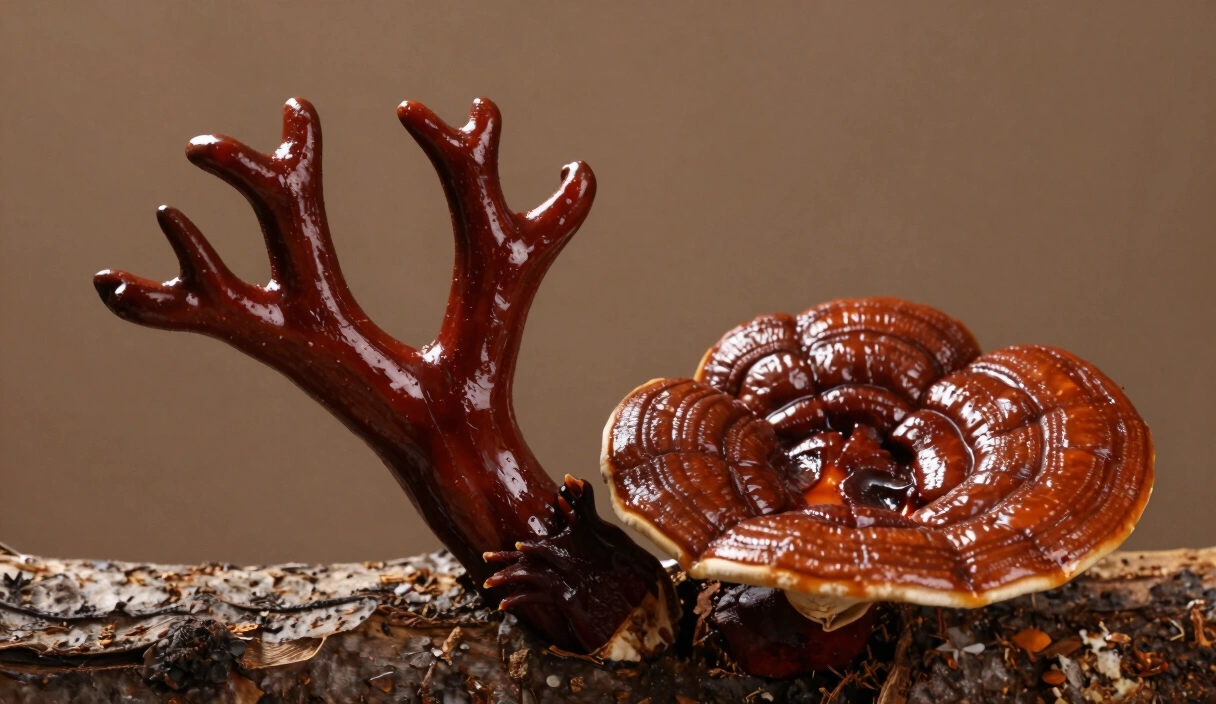
Most cultivators assume the classic Reishi conk—the flat, varnished shelf you see in every Traditional Chinese Medicine catalog—is the most potent form of Ganoderma lucidum. The data says otherwise. Recent triterpene analyses show that the antler form, which never develops a cap and remains in a perpetual vegetative “search” state, can concentrate Ganoderic Acids at levels 20-40% higher than mature conks. The stressed, CO2-trapped mycelium produces more secondary metabolites precisely because it never reaches reproductive maturity.
That single finding reframes the entire cultivation strategy for Reishi. Instead of chasing the photogenic shelf mushroom, medicinal growers can deliberately engineer antlers by sealing bags and holding CO2 above 2,000 ppm—a simpler protocol that produces a more potent product. Whether you want antlers or conks, though, the underlying biology is the same: Ganoderma uses CO2 concentration as a positional marker to decide if it is still underground or has reached open air. This guide breaks down the CO2 thresholds, phototropic signals, and substrate chemistry required to steer that decision.
The Biology of Morphogenesis: The CO2 Signal
In the wild, Reishi typically grows at the base of hardwood trees or on buried roots. It has evolved a sophisticated environmental sensing mechanism to determine if it is still underground or has reached the open air.
The Elongation Response
Fungi utilize CO2 as a positional marker. Because CO2 is 1.5x denser than air, it pools in hollow logs and underground cavities.
- High CO2 (> 2,000 ppm): The fungus “assumes” it is trapped. It suppresses the development of the Pileus (cap) and focuses all its metabolic energy on the elongation of the stem. This results in the Antler form.
- Low CO2 (< 800 ppm): The drop in CO2 signals that the fungus has reached the surface. The apical growth at the tips stops, and the cells begin to divide laterally, forming the broad, flat shelf known as a Conk.
Engineering Antlers: The Search for Air
To grow Reishi antlers, you must simulate an air-starved environment while maintaining high humidity.
- Vessel: Use tall, polypropylene grow bags. After inoculation and 100% colonization, do not remove the block from the bag. Instead, simply “burp” the bag or make a tiny 1-inch slit at the top.
- CO2 Setpoint: Target 2,000 to 5,000 ppm. If levels exceed 10,000 ppm, growth may stall entirely.
- Light Requirement: Reishi is highly Phototropic. It will grow directly toward your light source. Use a 6500K LED positioned directly above the bag to encourage straight, vertical antlers.
Contrary to what most forums suggest, antler cultivation is actually easier than conk production for home growers. You do not need a Martha Tent, a CO2 controller, or constant FAE management. Seal the bag, point a light at it, and let the mycelium do the work. The “advanced” form is the simpler protocol.
Engineering Conks: The Classic Shelf
To transition from an antler to a conk, or to grow conks from the start, you must provide high-volume Fresh Air Exchange (FAE).
- The Initiation Trigger: Once the antlers reach 3–4 inches in length, or immediately after colonization, remove the top of the grow bag or move the block into a Martha Tent.
- CO2 Setpoint: Maintain levels below 800 ppm.
- RH Management: Conks are highly sensitive to drying out at the leading edge. Maintain a Relative Humidity of 85% to 90%. If the white “growing edge” turns brown or orange prematurely, your humidity is too low.
Reishi Environmental Controls
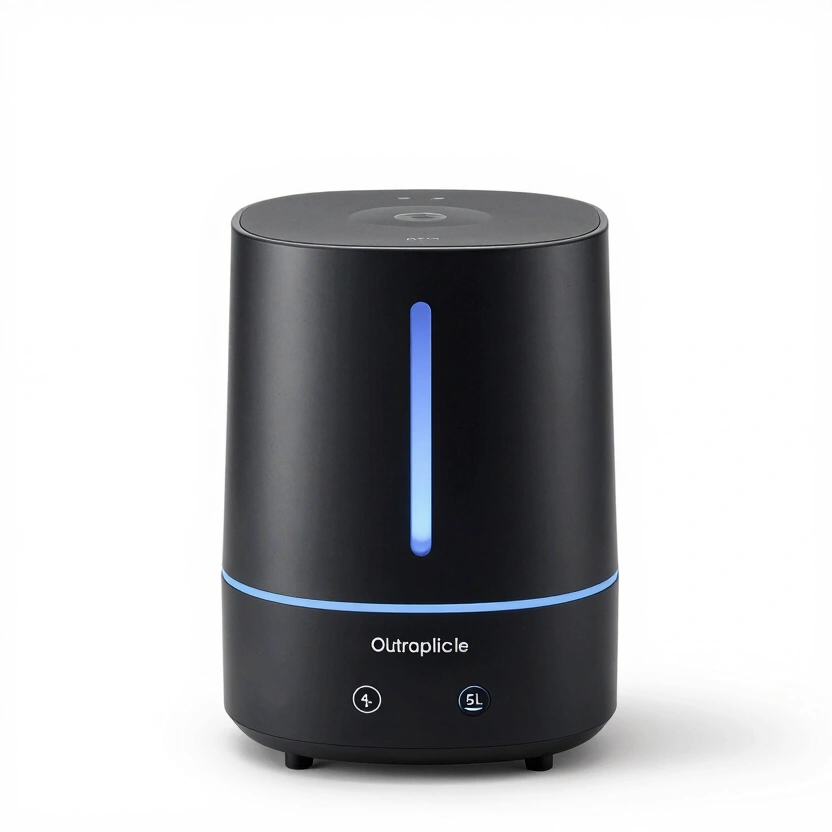
Spider Farmer Smart Ultrasonic Humidifier (5L)
Automatic humidifier with built-in hygrometer for precise fruiting chamber control.
Check Price on Amazon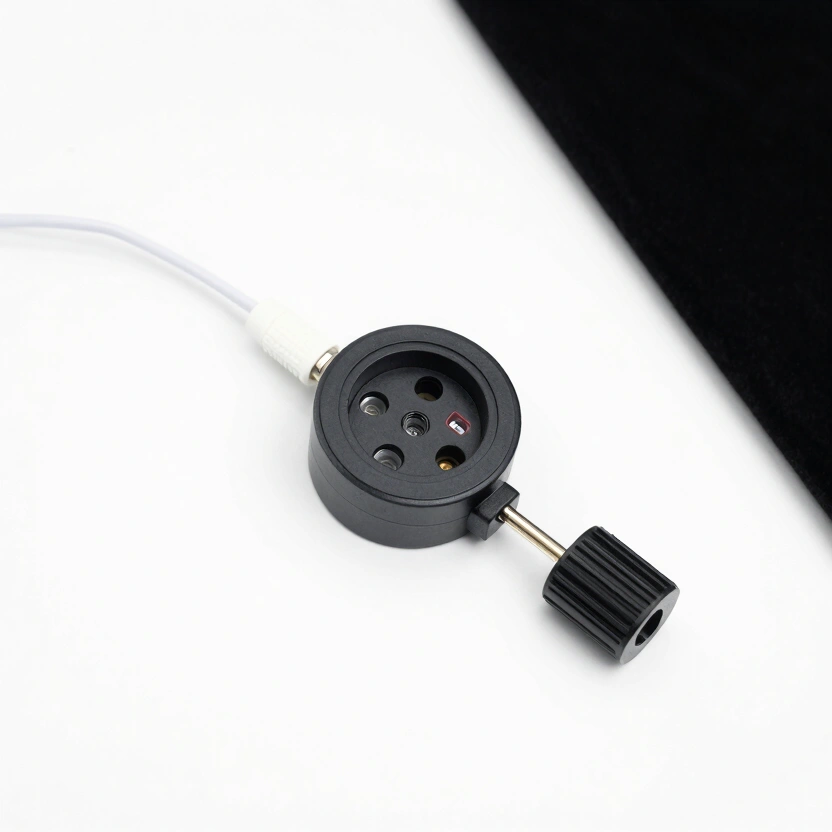
KETOTEK Digital Humidity Regulator Socket
Plug-and-play hygrostat sensor for automated humidity management.
Check Price on Amazon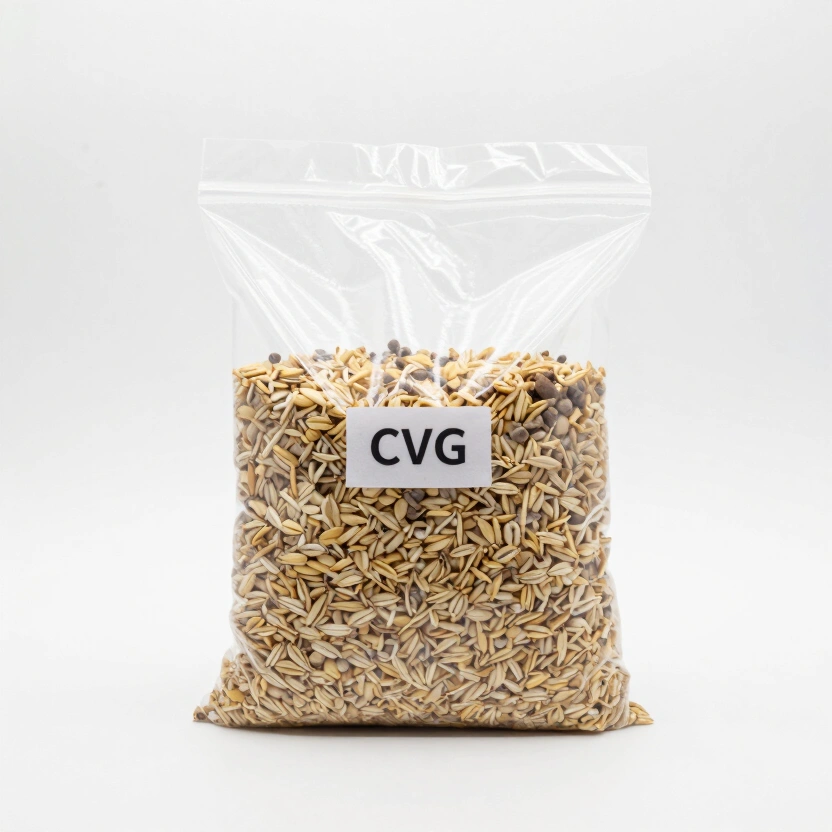
Sterilized CVG Substrate & Grain Combo Bag
All-in-one sterilized solution for effortless mushroom growing.
Check Price on Amazon* Affiliate links. Prices last updated March 6, 2026.
The Chemistry of Potency: Ganoderic Acids
The medicinal value of Reishi lies in its Triterpenes, primarily Ganoderic Acids A, B, and C. These compounds are responsible for the mushroom’s bitter taste and its anti-inflammatory properties.
Substrate Optimization
While Reishi can grow on plain sawdust, the synthesis of Ganoderic acids is enhanced by specific precursors in the substrate.
- Hardwood Base: Oak or Beech sawdust provides the necessary lignin for structural density.
- Supplementation: Adding 10% wheat bran or rice bran provides the nitrogen boost required for biomass expansion.
- Trace Minerals: Research suggests that supplementing with Zinc and Magnesium can increase the concentration of Ganoderic acid A by up to 20% by acting as co-factors for the enzymes in the mevalonate pathway.
I added 5g of food-grade MgSO4 per kilogram of substrate on my last four Reishi runs. The varnish layer developed noticeably faster—roughly 10 days earlier than my unsupplemented controls. Not a controlled study, but enough to justify the $3 bag of Epsom salt.
The Varnish Factor: Light and Pigmentation
The iconic “varnished” look of Reishi is a layer of dense, pigmented hyphae. This is not just for show; it is a UV-protective layer.
- Spectrum: Blue light (approx. 450nm) has been shown to stimulate the production of the deep red and maroon pigments in the “varnish” layer.
- Harvest Indicator: Reishi is ready for harvest when the white growing edge disappears and the entire conk or antler is covered in the shiny, pigmented varnish. For conks, wait until the underside (the pore surface) begins to release a thick layer of cocoa-brown spores.
Do not harvest antlers too early just because they look “done.” Unlike culinary species where timing is measured in hours, Reishi antlers continue synthesizing triterpenes for weeks after the exterior varnishes over. Patience with this species is not a virtue—it is a dosing decision.
Whether you grew antlers in a sealed bag or engineered a full conk with the varnish layer intact, the raw material is inedible until it is properly dehydrated and extracted—chitin and lignin do not break down in your stomach. Harvesting and Drying Protocols covers the dehydration targets and dual-extraction method that unlock the Ganoderic Acids you spent 3-5 months producing.
Frequently Asked Questions
Why is my Reishi antler growing sideways or back into the substrate?
Phototropism failure. Reishi grows toward the strongest light source, and if your room is dark or the light comes from the side, the antler will chase it laterally or even dive back down. Position a 6500K LED directly above the fruiting surface, running 12 hours per day.
Can Reishi grow on straw?
Reishi is an obligate wood decomposer—it needs the lignin and cellulose density of hardwood to build its woody structure. Straw produces weak, translucent growth that never forms a real fruit body or meaningful Ganoderic acid concentrations. Stick to Oak or Beech sawdust. For substrate ratios, see our Mushroom Substrate Guide.
Is the brown dust coating everything near my Reishi block a contamination?
That is spore release, not contamination. Mature Reishi conks dump billions of cocoa-brown spores that settle on every nearby surface. Healthy sign—but wear an N95 mask and run a HEPA filter. Inhaling concentrated Reishi spores causes respiratory irritation even in healthy people.
How should I consume Reishi if I cannot eat it raw?
Dual extraction. Boil dried, sliced Reishi in water for 2-4 hours to pull out water-soluble polysaccharides, then soak the remains in high-proof alcohol (minimum 40% ABV) for 4-6 weeks to extract the alcohol-soluble triterpenes. Combine both liquids for a full-spectrum tincture.
How long does a Reishi conk take from inoculation to harvest?
Three to five months total. Colonization runs 4-6 weeks, and the fruiting phase adds another 8-12 weeks depending on whether you are growing antlers (faster) or full conks (slower, with spore release at the end).
Related Articles
The Monotub Masterclass: Engineering Fresh Air Exchange for High-Yield Grows
Everything about monotub design — hole placement, polyfill density, and the convection physics that make or break your first bulk grow.
Dual Extraction Science: Unlocking the Bioavailability of Fungal Compounds
Tea only gets half the medicine. Why mushroom tinctures need both water and alcohol extraction — and how to run the full dual extraction protocol.
Harvesting and Dehydration Protocols: The Science of Fungal Preservation
When to pick, how to dry, and what water activity level keeps mushrooms shelf-stable. Dehydrator settings, snap tests, and storage mistakes to avoid.