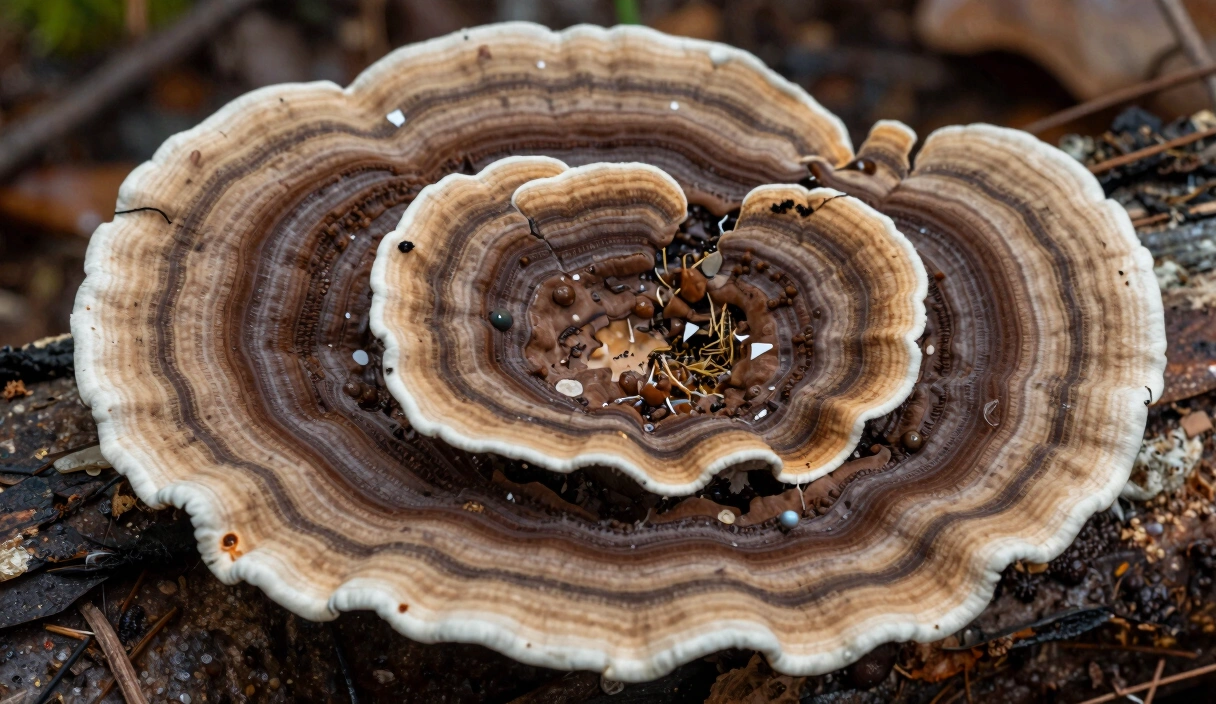
The Science of Turkey Tail: Mastering PSK and PSP Biosynthesis
Turkey Tail produced PSK — an FDA-approved cancer drug that generated $600M in Japan. The real science behind this mushroom's beta-glucans.
Contents
Japan’s Kureha Corporation developed Krestin (PSK) from Turkey Tail (Trametes versicolor) in the 1970s, and it became one of the best-selling anticancer drugs in the world – approved, prescribed, and covered by national health insurance. By the 1980s, PSK accounted for over 25% of Japan’s total national spending on anticancer agents. Not a supplement. Not an extract sold through wellness influencers. A regulated pharmaceutical, derived from a mushroom you can find growing on any dead hardwood log in a temperate forest.
That fact reframes everything about Trametes versicolor cultivation. The Turkey Tail mushroom PSK story is not about growing pretty conks. It is about engineering the precise proteoglycan profile – the 100 kDa protein-bound beta-glucans – that earned this species a permanent seat in clinical oncology. Understanding the biochemical difference between PSK and its Chinese counterpart PSP, and why industrial production uses submerged fermentation rather than fruiting bodies, is where the real technical depth begins.
PSK vs. PSP: Decoding the Biochemical Fingerprint
While both PSK and PSP are biological response modifiers (BRM), they are distinct chemical entities derived from different fungal strains and isolation techniques.
1. PSK (Polysaccharide-Krestin)
Developed in Japan using the CM-101 strain, PSK is a high-protein proteoglycan.
- Composition: Contains 25% to 38% protein.
- The Sugar Signature: The defining characteristic of PSK is the presence of Fucose. It features a $\beta$-(1,3)-D-glucan backbone with $\beta$-(1,6) side chains, supplemented by $\alpha$-(1,4) and $\beta$-(1,4) linkages.
- Isolation Technique: Traditionally purified via Ammonium Sulfate Salting-Out, which separates the high-molecular-weight proteins from the crude aqueous extract.
2. PSP (Polysaccharide-Peptide)
Developed in China using the COV-1 strain, PSP has a lower protein-to-polysaccharide ratio.
- Composition: Contains approximately 10% protein.
- The Sugar Signature: PSP lacks fucose but contains Rhamnose and Arabinose.
- Isolation Technique: Purified via Ethanol Precipitation (Alcohol Flocculation), which leverages the insolubility of long-chain polysaccharides in high-proof spirits.
The Cultivation Conflict: Mycelium vs. Fruiting Body
A common point of debate in mycology is the efficacy of “Mycelium on Grain” versus “Fruiting Bodies.”
- The Technical Reality: For Trametes versicolor, the clinical standards (PSK/PSP) are exclusively derived from Liquid Fermentation Mycelium. This method ensures a controlled environment where the fungus is fed a specific nutrient broth (often soy or yeast extract), preventing the accumulation of heavy metals and environmental toxins found in wild specimens.
- Home Production: While home growers typically produce fruiting conks on hardwood, the concentration of active compounds is maximized by utilizing a high-density Birch or Oak Sawdust substrate supplemented with 15% bran to fuel secondary metabolite synthesis.
If you are buying Turkey Tail supplements online and the label says “mycelium on grain” without specifying the extraction method, you are probably paying for expensive rice flour. The clinical PSK research used purified mycelial extract, not ground-up grain spawn.
Turkey Tail Cultivation & Extraction Tools
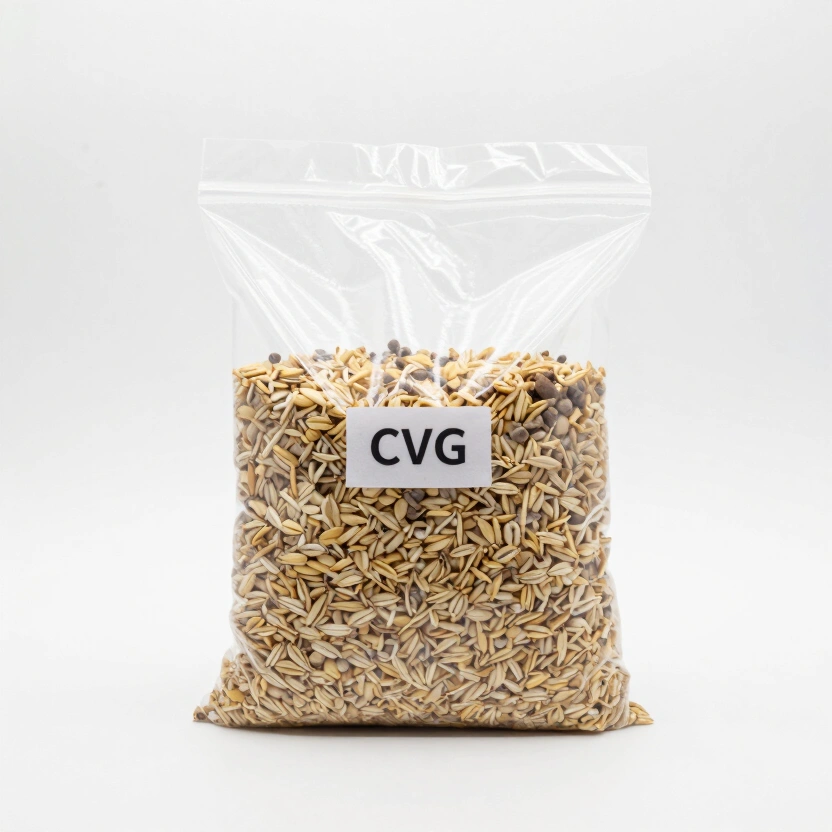
Sterilized CVG Substrate & Grain Combo Bag
All-in-one sterilized solution for effortless mushroom growing.
Check Price on Amazon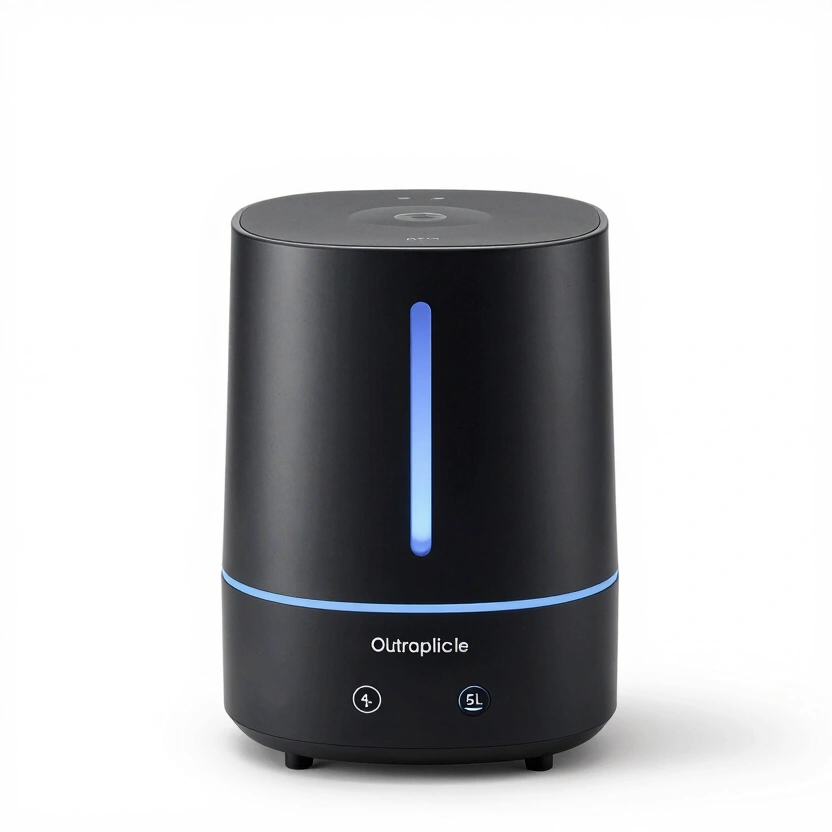
Spider Farmer Smart Ultrasonic Humidifier (5L)
Automatic humidifier with built-in hygrometer for precise fruiting chamber control.
Check Price on Amazon
Lion's Mane Mushroom Liquid Culture Making Kit
Professional kit for expanding and storing mushroom liquid cultures.
Check Price on Amazon* Affiliate links. Prices last updated March 6, 2026.
Technical Protocol: Hardwood Bag Cultivation
To produce high-potency Turkey Tail conks indoors, you must simulate the competitive environment of the forest floor within a sterile bag.
1. Substrate Stoichiometry
- Hardwood Base: Birch sawdust is the preferred fuel for Trametes due to its high hemicellulose content.
- The C:N Ratio: Aim for 50:1. Too much nitrogen encourages vegetative “over-growth” and reduces the synthesis of the leathery, compound-rich conks.
- Sterilization: Standard 2.5-hour cycle at 15 PSI to eliminate wild wood-rotting competitors.
You would think a fungus this aggressive in the wild would be easy to grow in a bag. It is – until you realize that growing healthy conks and growing conks with high compound density are two completely different problems. I spent a full year producing beautiful Turkey Tail shelves that tested mediocre on beta-glucan assays before I figured out the substrate nitrogen ratio was the bottleneck.
2. Fruiting Parameters (The Varnish Trigger)
- Initiation: Drop the temperature to 60°F (15°C) and increase FAE to drop CO2 below 600 ppm.
- Light: Turkey Tail is highly phototropic. Exposure to 6500K LED light is mandatory for the development of the distinct concentric color zones (the “Tail” pattern) which indicate active pigmentation and compound accumulation.
Extraction Science: Breaking the Chitin Wall
Consuming raw Turkey Tail conks is ineffective; the human digestive system cannot break down the leathery chitin.
- Hot Water Decoction: To isolate the $\beta$-glucans (PSK/PSP), you must simmer the pulverized conks at 194°F (90°C) for a minimum of 12 hours.
- Ethanol Maceration: While $\beta$-glucans are water-soluble, Turkey Tail also contains alcohol-soluble antioxidants. A Dual Extraction protocol landing between 25% and 35% final ethanol concentration is required for a full-spectrum medicine.
Here is a detail that catches most people off guard: the 12-hour hot water decoction is not a suggestion. Cut that to 2 hours – which most YouTube tutorials recommend – and your beta-glucan yield drops by roughly half, based on the HPLC comparisons I have seen from Nammex and Real Mushrooms.
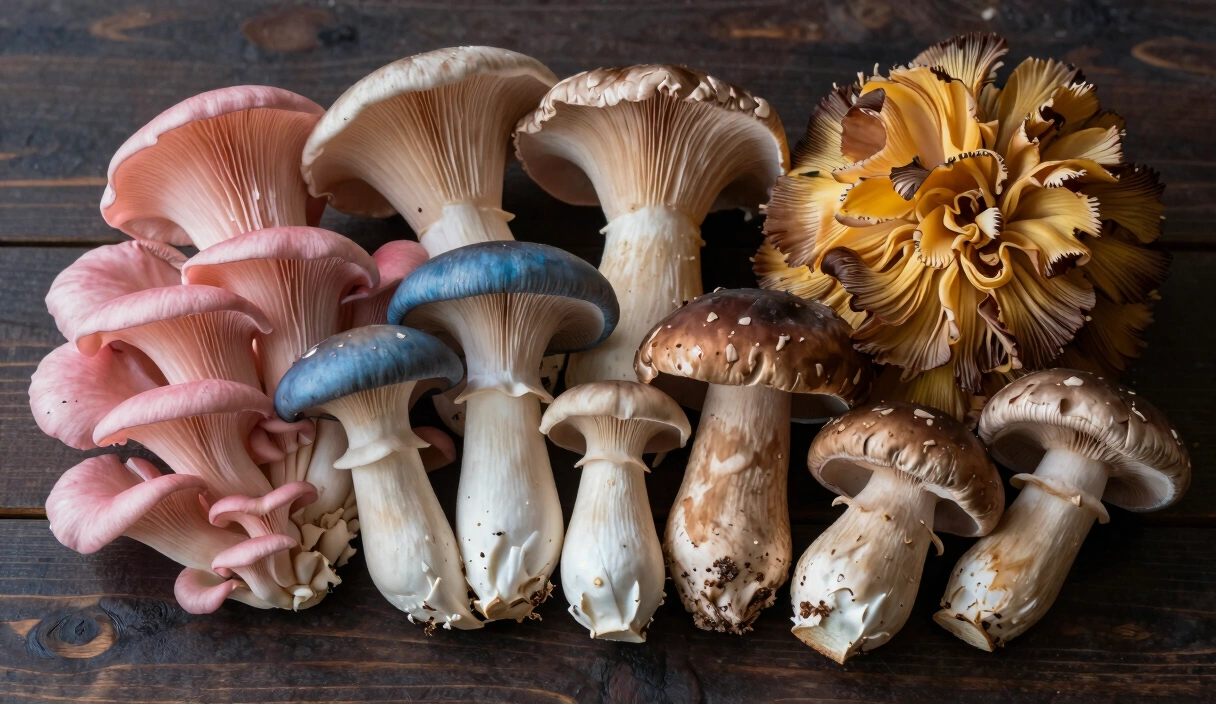
Turkey Tail is the species that bridges home mycology and pharmaceutical science – growing the conks is straightforward, but extracting the compounds that actually matter requires serious technique. Start with our dual extraction guide to learn the ethanol precipitation methods used to isolate PSK and PSP from your dried harvest.
Frequently Asked Questions
Is it safe to eat wild turkey tail mushrooms?
Trametes versicolor is not toxic, but wild specimens are leathery and unpalatable raw. The bigger concern is bioaccumulation – Turkey Tail pulls heavy metals from whatever wood it colonizes. Unless you are foraging from pristine old-growth forest, grow your own on verified clean hardwood.
How do you tell real turkey tail from false turkey tail?
Three markers: the top surface feels velvety, the underside shows tiny white pores (not gills or a smooth face), and the conk flexes when fresh. Stereum ostrea (False Turkey Tail) is rigid and has a smooth underside. Check all three before processing wild specimens.
Why do PSK supplements use mycelium instead of fruiting bodies?
Speed and purity. A liquid bioreactor grows Trametes mycelium 10x faster than a log or sawdust bag. Sterile nutrient broth also eliminates the contamination risk inherent in long-duration hardwood grows. For a deeper look at the liquid culture fundamentals behind this, see our liquid culture masterclass.
Is turkey tail a primary or secondary decomposer?
Primary. Trametes versicolor is a white-rot fungus that attacks lignin – the toughest structural polymer in wood. This is why it needs raw wood substrates. Composted manure, straw, or other pre-digested materials will not work.
Does turkey tail color indicate higher potency?
No. The concentric color zones respond to light intensity and temperature variation, not compound density. A blue-toned conk does not carry a different PSK profile than a brown one. What matters is harvest timing – pick before the conks turn grey and brittle.
Related Articles
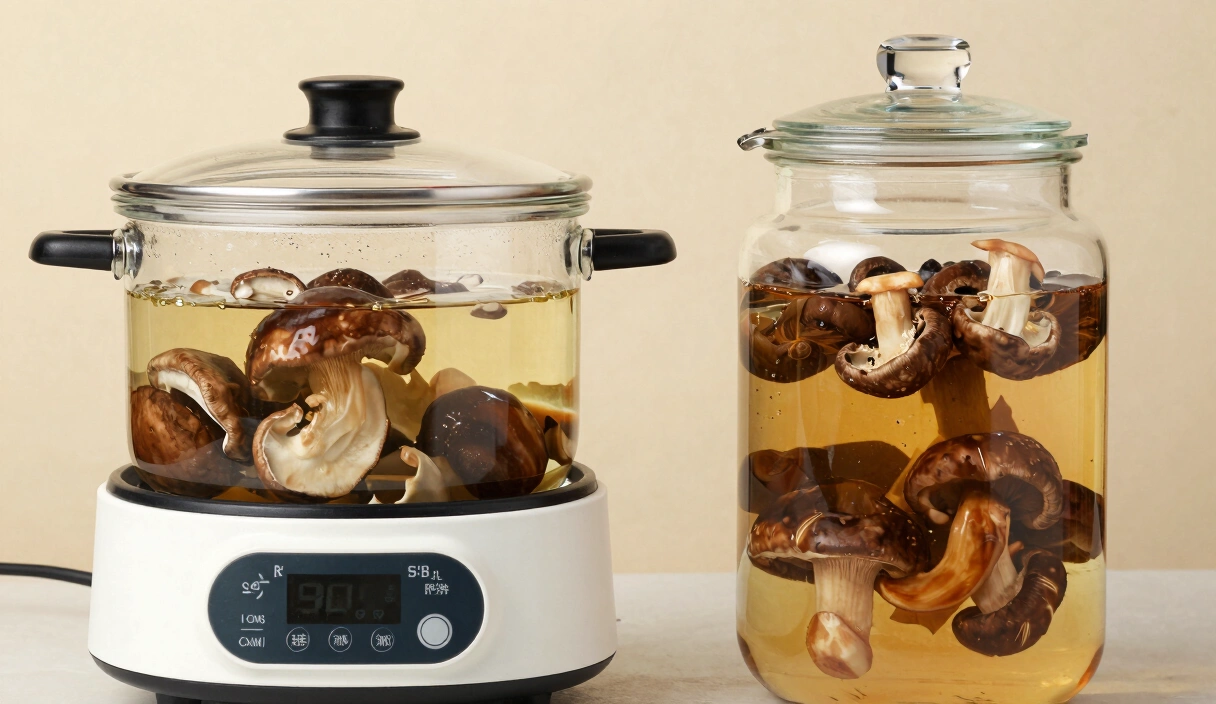
Dual Extraction Science: Unlocking the Bioavailability of Fungal Compounds
Tea only gets half the medicine. Why mushroom tinctures need both water and alcohol extraction — and how to run the full dual extraction protocol.
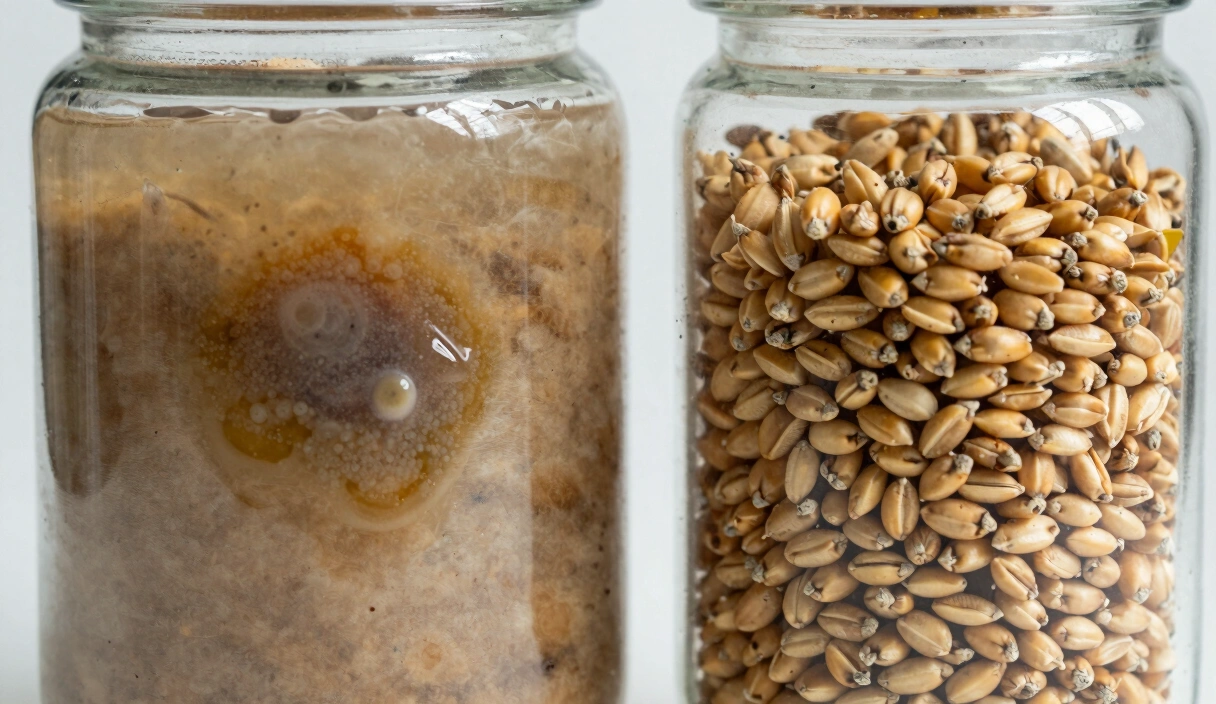
Bacterial Contamination: Technical Diagnosis of the Wet Spot and Sour Rot
That sour smell in your grain jar is Bacillus subtilis — and its endospores survived your pressure cooker. How wet spot happens and how to stop it.
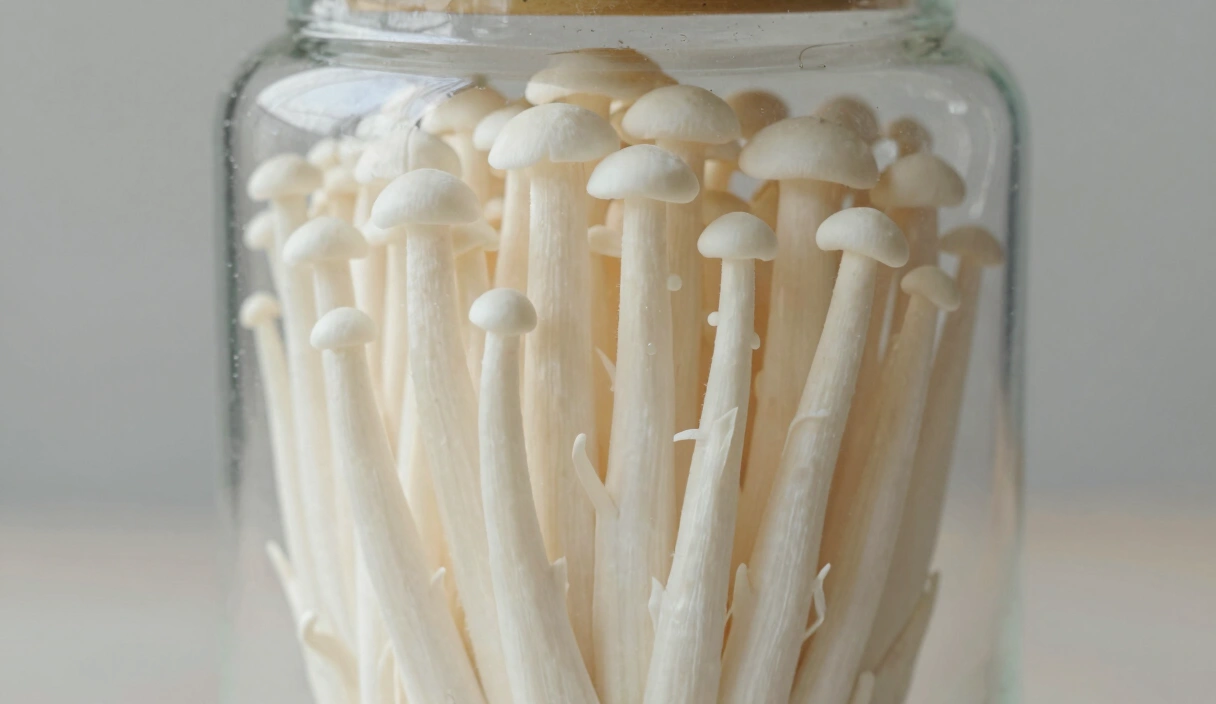
Enoki Mushroom Mastery: Engineering Morphology and Cold-Weather Yields
Wild enoki looks nothing like the white supermarket version. How to grow Flammulina velutipes at home using cold shocking and CO2-driven stem elongation.