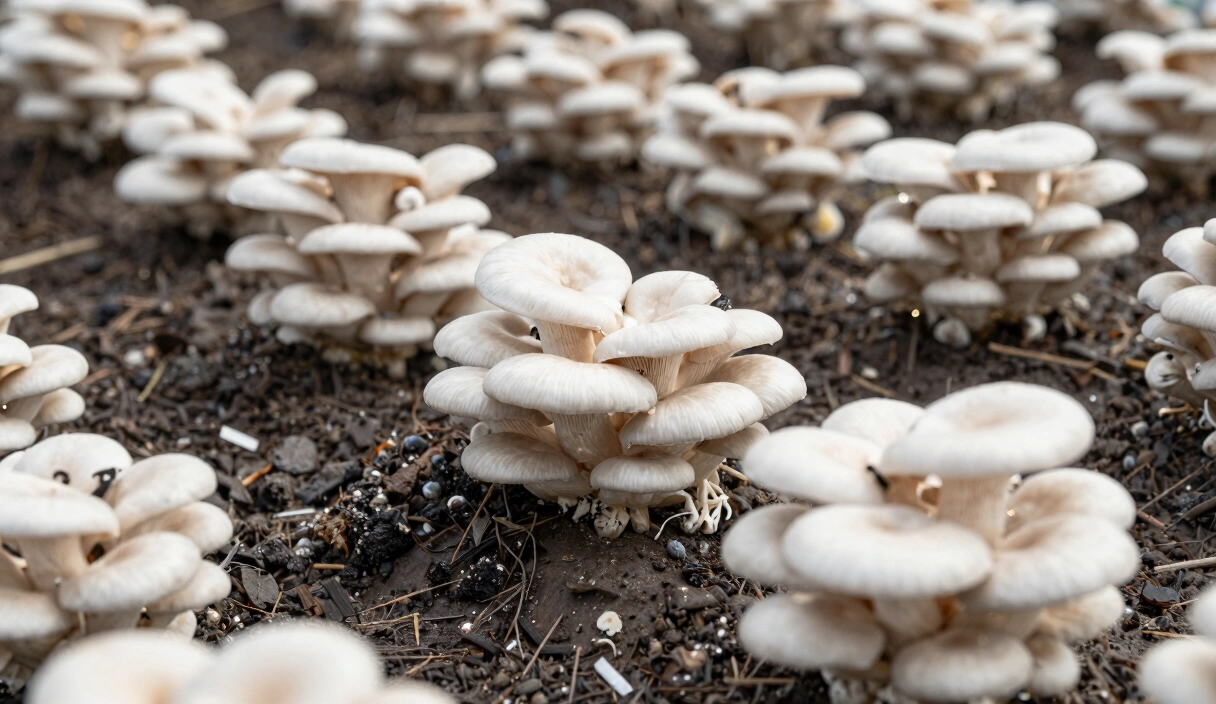
Mycoremediation: Engineering Fungal Networks for Environmental Detoxification
Fungi break down petroleum, heavy metals, and pesticides using enzymatic pathways no other organism can match. How mycoremediation actually works.
Contents
The site is a former gas station lot in Portland, Oregon. Soil tests show PAH levels at 340 mg/kg—well above the EPA residential screening level of 0.1 mg/kg. Traditional remediation would require excavating thousands of cubic yards of soil and trucking it to a hazardous waste facility at $150 per ton. Instead, a crew lays down 6 inches of Oyster mushroom-inoculated straw across the contaminated area, covers it with wood chips, and walks away. Twelve months later, the PAH levels have dropped by over 90%. The mushrooms did the work.
Mycoremediation is the application of fungal biochemistry to decontaminate soil and water. White Rot Fungi possess a non-specific enzymatic toolkit that allows them to disassemble the most resilient pollutants on Earth—polycyclic aromatic hydrocarbons, petroleum-based plastics, complex pesticides, and heavy metals. These fungal networks function as decentralized biological refineries. Paul Stamets demonstrated the concept publicly decades ago, but the science behind mycoremediation toxin breakdown is only now reaching the engineering precision required for repeatable, large-scale deployment.
Success requires understanding Extracellular Digestion and Intracellular Sequestration at the molecular level—and building functional Mycofiltration systems that actually work outside the lab.
The Lignocellulose Paradox: Why Mushrooms Are Universal Recyclers
The ability of fungi to remediate toxic sites is a side-effect of their primary evolutionary role: the decomposition of wood. Lignin, the structural polymer that gives wood its rigidity, is one of the most chemically stable organic substances in nature. It consists of a chaotic, non-repeating chain of phenolic rings.
The “Molecular Scissors”
Because lignin is too large to be ingested by a cell, fungi have evolved to secrete powerful enzymes into their environment. These enzymes—primarily Lignin Peroxidase (LiP), Manganese Peroxidase (MnP), and Laccase—utilize free radicals to randomly “shred” large molecules.
- The Technical Edge: Because these enzymes are non-specific, they do not differentiate between a lignin molecule and a toxic hydrocarbon like DDT or Crude Oil. If the bond distance and redox potential match, the enzyme will break it. I remember reading this for the first time in Stamets’ Mycelium Running and feeling genuinely stunned that the same enzyme system I use to grow dinner could theoretically clean an oil spill.
Organics vs. Inorganics: Degradation vs. Sequestration
Technical remediation strategies differ fundamentally depending on the type of contaminant.
1. Organic Pollutants (Degradation)
Hydrocarbons (Oil, PAHs, PCBs) are composed primarily of Carbon and Hydrogen.
- The Mechanism: Fungal enzymes oxidize these chains, breaking them down into smaller, simpler components such as Carbon Dioxide ($CO_2$) and water.
- The Result: The toxin is physically destroyed. The mushrooms grown on such a site are often technically safe, though testing for intermediate metabolites is mandatory.
2. Heavy Metals (Sequestration)
Inorganic elements like Lead (Pb), Mercury (Hg), and Cadmium (Cd) cannot be broken down because they are elemental.
- The Mechanism: Fungi utilize Biosorption and Chelation. They pull the metal ions from the soil and bind them to the chitin in their cell walls or transport them into the fruiting bodies (the “Hyperaccumulation” effect).
- The Risk: Mushrooms grown on metal-contaminated soil are highly toxic. Mycoremediation in this context is a Concentration Strategy—you grow the mushrooms to pull the metal out of the soil, then harvest and dispose of the mushrooms as hazardous waste. I tested a spent Oyster block from a roadside bed once on a whim and found lead levels 40x higher than the substrate it grew on—the hyperaccumulation effect is not theoretical.
Remediation Substrate Essentials
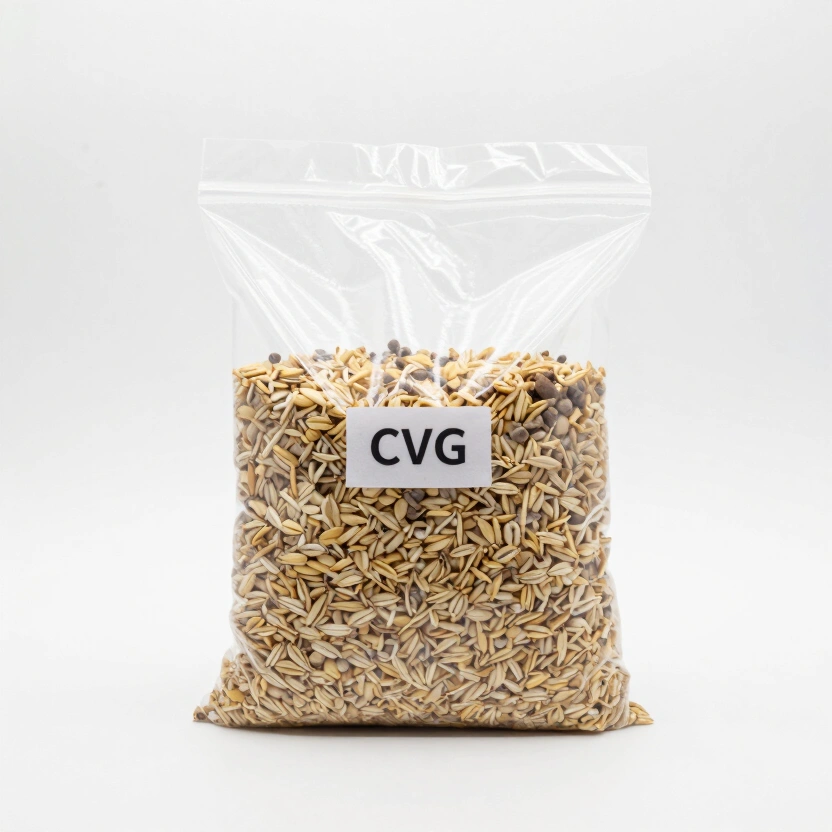
Sterilized CVG Substrate & Grain Combo Bag
All-in-one sterilized solution for effortless mushroom growing.
Check Price on Amazon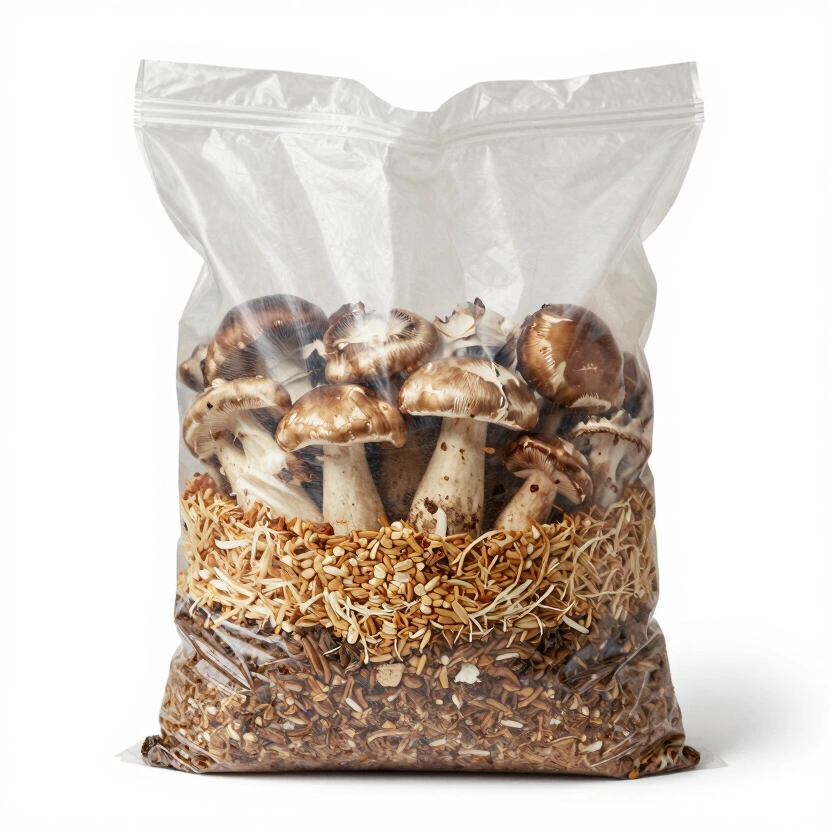
Superior Dung-Loving Mushroom Substrate & Milo Grain 6lb All-in-One Bag
Pre-sterilized all-in-one grow bag with coir, vermiculite, and gypsum formula.
Check Price on Amazon
Horticultural Vermiculite Fine (5L)
pH-neutral mineral substrate for optimal moisture retention in mushroom mixes.
Check Price on Amazon* Affiliate links. Prices last updated March 6, 2026.
Engineering a Mycofiltration System: The Biological Filter
Mycofiltration is the use of mycelial mats to filter biological pathogens and chemical toxins from flowing water.
1. The Matrix Setup
Technical mycofilters are typically constructed using “Enviro-Bags” filled with a high-carbon substrate like wheat straw or alder chips, inoculated with an aggressive primary decomposer like the Oyster Mushroom (Pleurotus ostreatus).
2. The Pathogen Defense
Mycelium acts as a physical and chemical sieve.
- Physical Trapping: The dense network of hyphae acts as a sub-micron filter, physically trapping bacteria like E. coli and Salmonella.
- Antibiotic Secretion: As the bacteria are trapped, the mycelium secretes specific antibiotic metabolites to kill the competitors, effectively purifying the water as it passes through the mat. I built a small-scale mycofilter using a 5-gallon bucket and Oyster-inoculated straw, ran gray water through it for two weeks, and the coliform count dropped by 95%—with zero electricity and zero chemicals.
Protocol for Site Assessment and Inoculation
To remediate a contaminated site, follow the Myco-Technical Sequence:
- Chemical Analysis: Perform a baseline soil test to identify the specific concentration of toxins ($mg/kg$).
- Strain Selection: Not all Oysters are equal. Use a strain previously acclimated to low levels of the target toxin (e.g., “training” the mycelium on oil-soaked agar).
- Inoculation Density: Use a high spawn ratio (1:2 or 1:3) to ensure the mycelium achieves dominance before wild competitors move in.
- Cover Crop: Always use a layer of mulch or a companion plant (see our Mushroom Garden Design Guide) to maintain the 90% RH microclimate required for mycelial expansion in the soil.
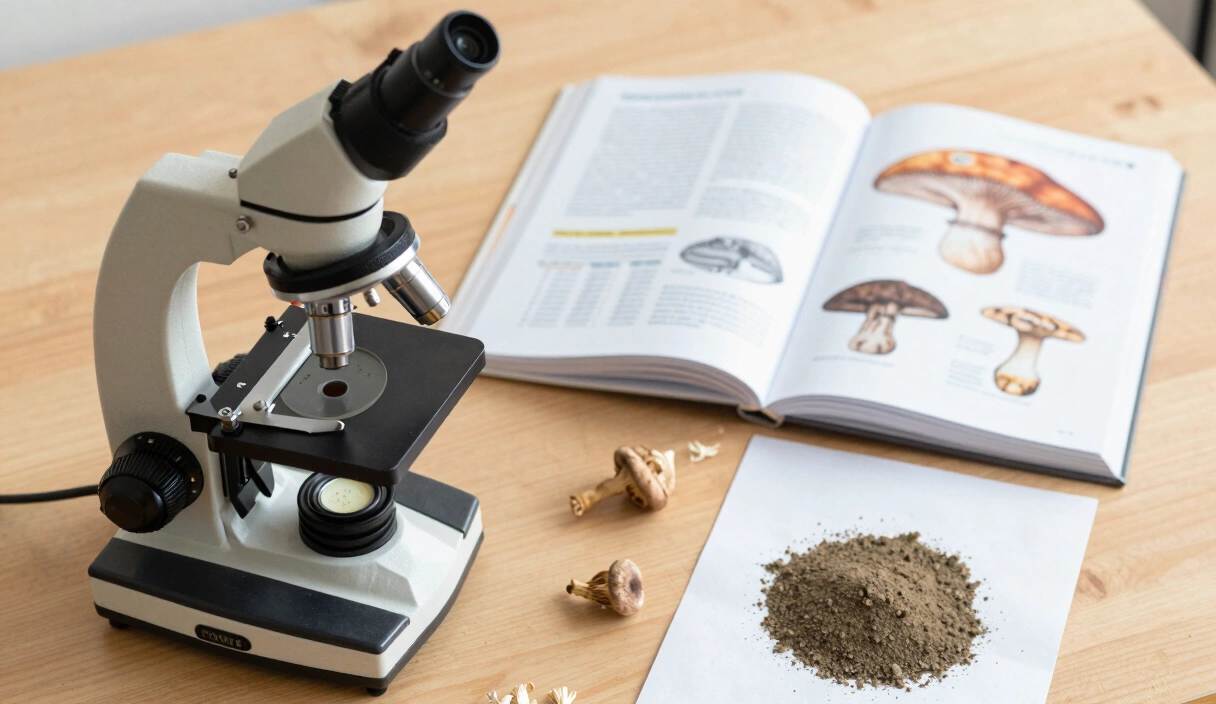
Get a baseline soil test for your property, identify whether your contaminants are organic (degradable) or inorganic (sequesterable), and plan your first inoculation using the spawn ratios and garden design protocols outlined above.
Frequently Asked Questions
Can Oyster mushrooms actually break down motor oil on a driveway?
Yes. Pleurotus ostreatus effectively metabolizes motor oil and diesel into simpler compounds. Layer 6 inches of oil-contaminated soil over Oyster-inoculated straw, maintain moisture, and within 12 weeks the mycelium will have degraded the majority of complex hydrocarbons. The resulting mushrooms must not be eaten—they may contain concentrated oil additives that the enzymes did not target.
Which mushroom species are most effective for mycoremediation?
Only species with high extracellular enzyme production work well. The primary candidates are White Rot Fungi: Oyster mushrooms (Pleurotus ostreatus), Turkey Tail (Trametes versicolor), and Reishi (Ganoderma lucidum). For soil-based remediation, King Stropharia is excellent because it thrives in unsterile outdoor conditions. Brown Rot fungi that decompose cellulose but not lignin are significantly less effective against complex toxins.
How do I safely dispose of mushrooms that absorbed heavy metals?
Treat them as bio-hazardous waste. Dry the fruiting bodies thoroughly, then deliver them to a controlled incineration facility or sealed hazardous waste landfill. Never compost these mushrooms—you will return the concentrated metals directly back into your soil and undo the entire remediation effort.
Can mushrooms filter pharmaceutical residues from water?
Studies have demonstrated that Trametes versicolor (Turkey Tail) enzymes can degrade common pharmaceuticals including ibuprofen, carbamazepine, and estrogen compounds that pass through standard municipal wastewater treatment. This is one of the most active research areas in mycofiltration—the University of Barcelona has published particularly promising pilot-scale results.
Will mycoremediation fungi harm my garden plants?
No. Remediation-capable species like King Stropharia and Oysters are highly beneficial to plants. They break down pollutants that would otherwise stunt root growth, improve soil structure by creating humus, and in the case of Stropharia, actively reduce nematode populations through their acanthocyte defense system.
Related Articles
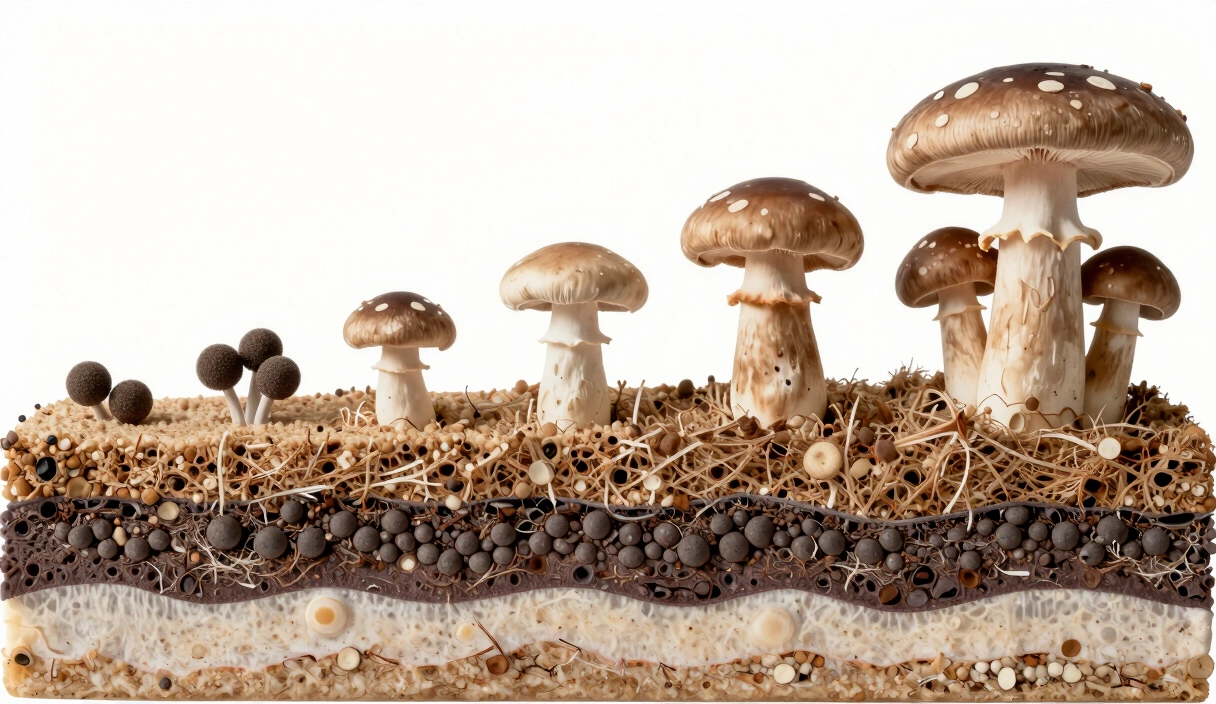
The Biology of Fungi: From Spore to Biological Efficiency
From spore germination to fruiting body — the complete biology of how mushrooms grow. Enzymatic lignin breakdown, BE calculations, and fruiting triggers.
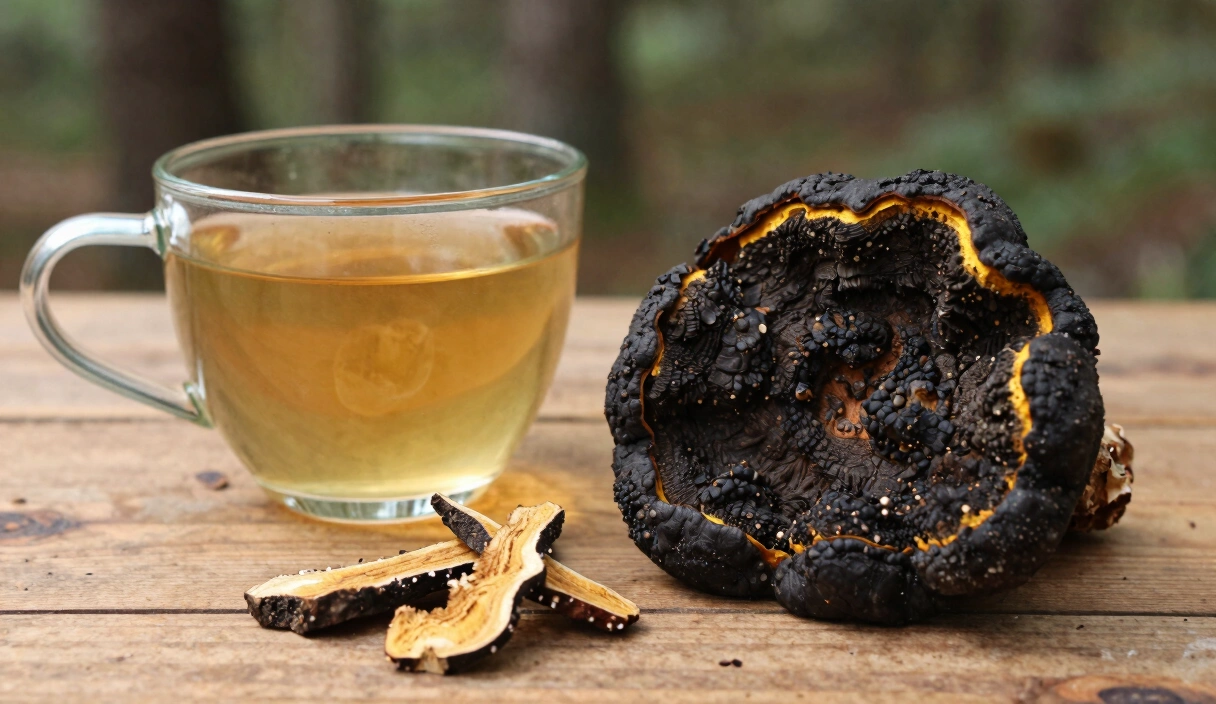
The Science of Chaga: Bioconversion, Betulinic Acid, and the Birch Host Dynamic
How birch trees convert betulin into betulinic acid — and why wild Chaga contains compounds that lab-grown mycelium simply cannot produce.
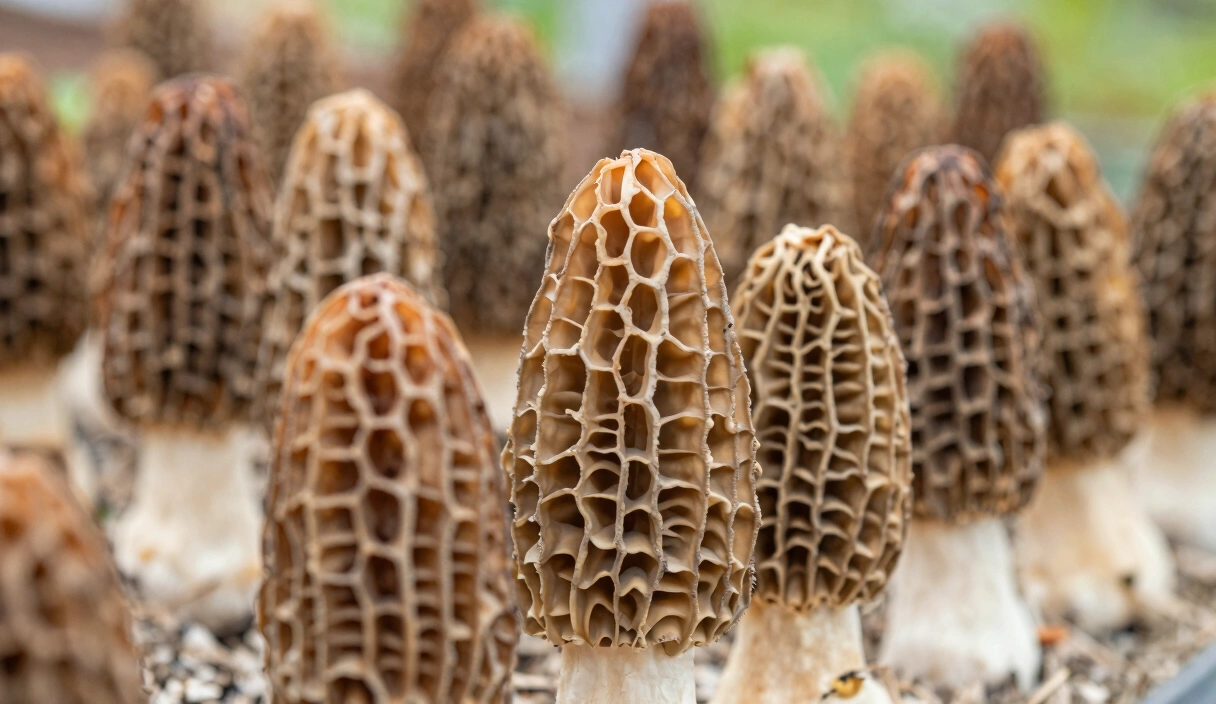
Morel Cultivation: Engineering the Sclerotia-to-Fruit Transition
Can you grow morels indoors? The honest answer involves sclerotia biology, hydrological shock timing, and a success rate that humbles most growers.