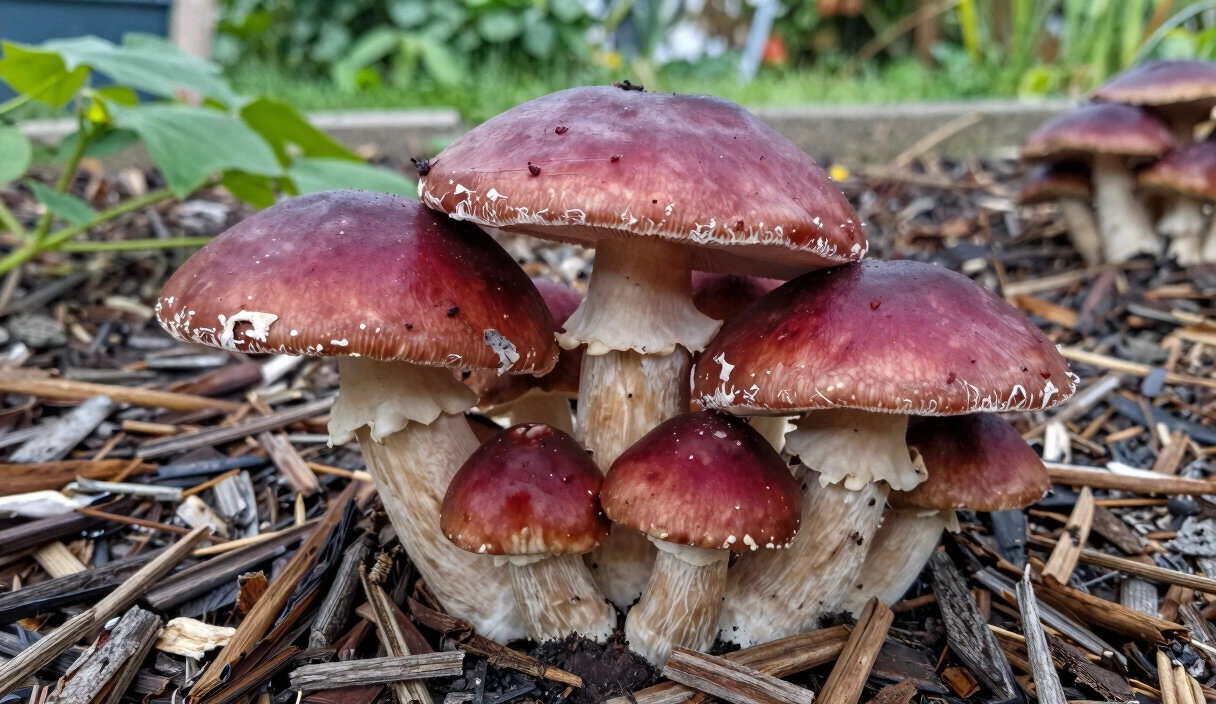
Commercial King Stropharia: Engineering Large-Scale Outdoor Production
Wine Cap mushrooms produce 5-8 lbs per 10 square feet of wood chips with almost zero maintenance. Spawn rates, bed prep, and multi-acre scaling math.
Contents
A single acre of correctly engineered King Stropharia wood-chip beds can produce upwards of 5,000 lbs of fresh mushrooms per season. At farmers market prices of $8-$12/lb, that is $40,000 to $60,000 in gross revenue from an organism that requires no electricity, no sterile lab, and no climate control—just wood chips, water, and patience.
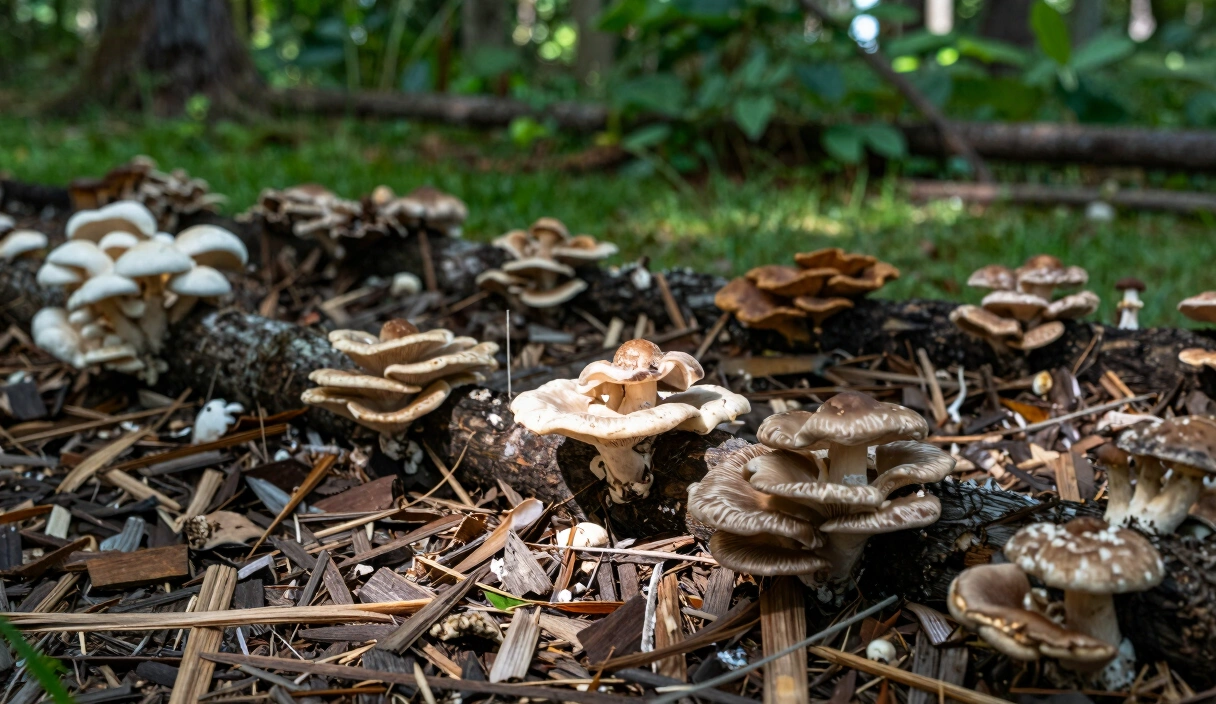
King Stropharia (Stropharia rugosoannulata), the Wine Cap, is the ultimate bridge between waste management and high-margin food production. Commercial-scale king stropharia field cultivation leverages the industrial volume of the timber and arboriculture industries, transforming low-value carbon waste into high-fertility humus while producing a gourmet crop. For the modern farmer, scaling Stropharia is not an exercise in biology alone. It is Logistical Engineering: managing the flow of hundreds of cubic meters of substrate and optimizing the Spawn-to-Substrate Ratio for competitive dominance in unsterile soil.
Moving beyond the garden patch means calculating volume requirements, managing hydrological cycles of multi-ton chip piles, and engineering a soil microbiome that favors fungal expansion over weed growth.
Logistical Engineering: Calculating the Substrate Load
The primary challenge of commercial Wine Cap production is the sheer volume of material. Unlike indoor blocks, outdoor beds require a critical mass to maintain the 90% RH micro-climate required for Stage 5 (Initiation).
1. The Volume Equation
For commercial yields, a bed depth of 6 to 8 inches (15-20 cm) is the non-negotiable standard.
- The Formula:
Area (sq ft) x Depth (ft) = Total Cubic Feet. - Scale Metric: To cover 1,000 sq ft at an 8-inch depth, you require approximately 660 cubic feet (approx. 19 cubic meters) of fresh hardwood chips.
- Partikel-Physik: Aim for “Arborist Grade” chips with a size distribution of 10mm to 50mm. Fine sawdust will compact and become anaerobic, while larger logs offer too little surface area for rapid “Leap-off.” Walk up to a fresh chip pile sometime, grab a handful, and really look at the variety—bark strips, leaf fragments, wood chunks of different sizes. That heterogeneity is the point. Uniform particle sizes are for indoor blocks, not field beds.
2. The Spawn Rate Mathematics
In unsterile field conditions, the Inoculation Density is your primary defense against wild “trash fungi.”
- Standard Rate: Aim for a 5% to 10% spawn rate by volume.
- Technical Protocol: For every 10 cubic meters of chips, you must utilize at least 500 to 1,000 liters of Sawdust Spawn. Utilizing lower rates increases the colonization time, exposing the substrate to competitive molds and reducing the first-year ROI.
Substrate Chemistry: Hardwood vs. Softwood
While Oysters are generalists, Stropharia rugosoannulata is a hardwood specialist.
- The Preferred Host: Maple, Oak, Beech, and Poplar offer the highest concentrations of hemicellulose and available nitrogen.
- The Softwood Conflict: Avoid Pine, Spruce, and Fir. These species contain Terpenes and Resins that are chemically antifungal. In a large-scale field, a 20% inclusion of softwood is tolerable, but anything higher will stunt the mycelial expansion and crash the Biological Efficiency (BE).
Large-Scale Outdoor Inoculation Tools
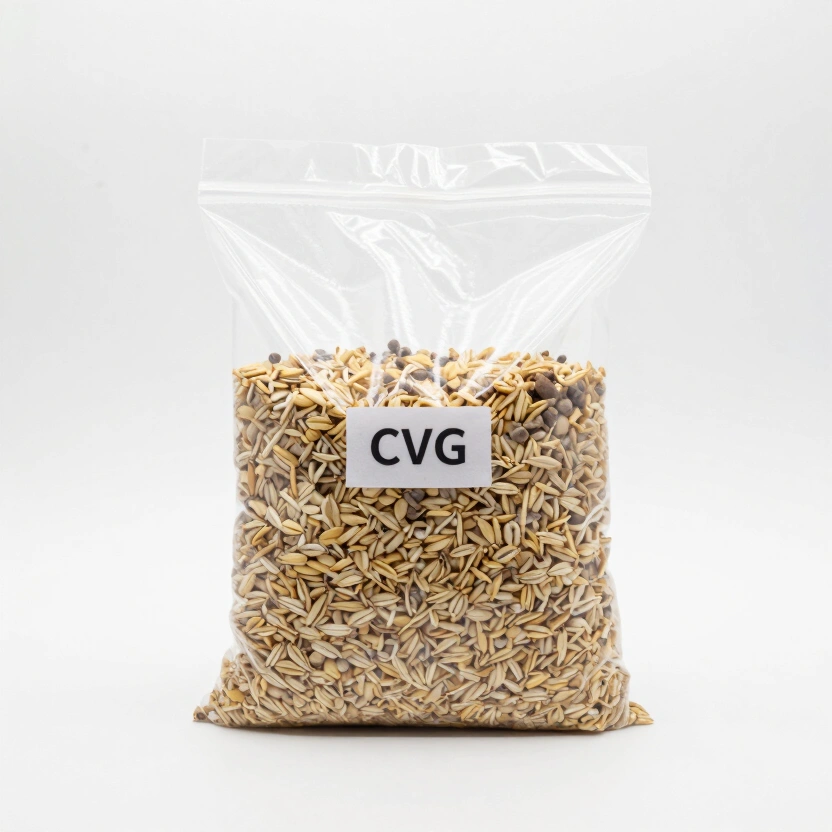
Sterilized CVG Substrate & Grain Combo Bag
All-in-one sterilized solution for effortless mushroom growing.
Check Price on Amazon
Horticultural Vermiculite Fine (5L)
pH-neutral mineral substrate for optimal moisture retention in mushroom mixes.
Check Price on Amazon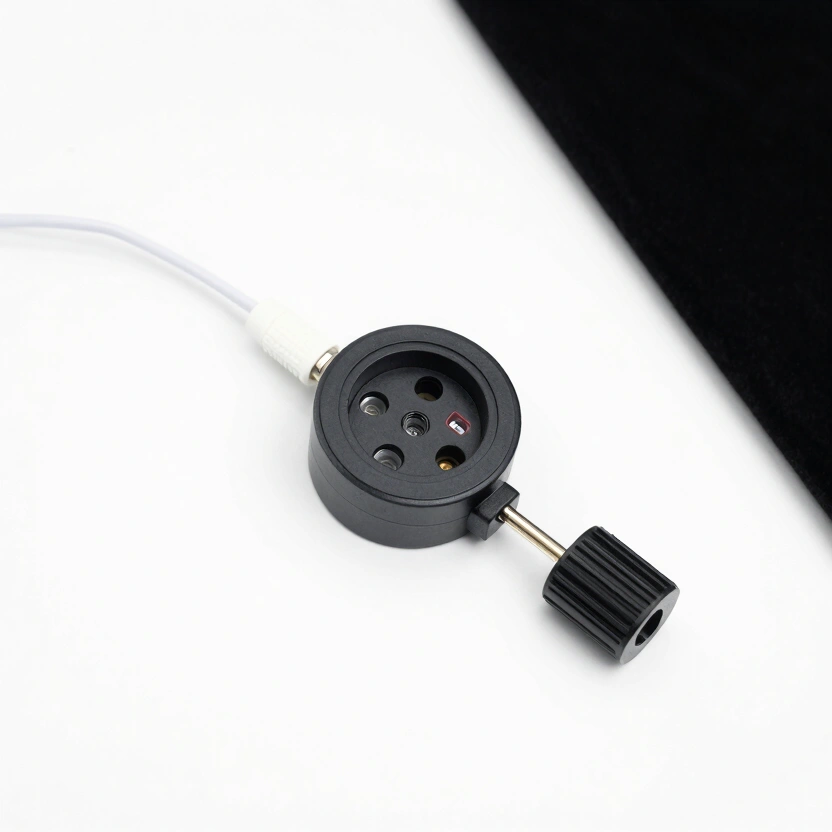
KETOTEK Digital Humidity Regulator Socket
Plug-and-play hygrostat sensor for automated humidity management.
Check Price on Amazon* Affiliate links. Prices last updated March 6, 2026.
Field Inoculation: The Mechanical Protocol
For plots larger than 500 sq ft, manual layering is inefficient. Professional growers utilize Mechanical Integration.
- Site Prep: Scalp the vegetation to the soil level. Do not till; tilling destroys the existing soil structure and releases dormant weed seeds.
- The Base Layer: Spread a layer of unprinted, industrial brown cardboard. This acts as a biological “anchor” and a physical weed barrier.
- Mixing: Use a skid-steer or front-end loader to mix the sawdust spawn directly into the fresh wood chips before spreading. This ensures a 3D inoculation lattice, allowing the mycelium to expand in all directions simultaneously.
- Hydration: Immediately after spreading, irrigate the beds to Field Capacity. A 1,000 sq ft bed can absorb over 500 gallons of water during the initial set.
Soil-Biology Uplift: The Mycoremediation Bonus
One of the greatest technical advantages of large-scale Wine Cap production is the Humus Formation Rate.
- The Bio-Converter: Stropharia is a high-speed enzyme factory. Within 12–18 months, 8 inches of raw wood chips will be converted into 3 inches of nutrient-rich, black “Myco-Soil.” Dig your hands into a Wine Cap bed after one full season and feel the difference—the top layer is still recognizably wood chips, but three inches down you hit crumbly, dark humus that smells like a forest floor after rain.
- Nematode Management: The mycelium produces star-shaped Acanthocytes that physically rupture the digestive tracts of soil-dwelling nematodes, providing a natural pest-control service for subsequent vegetable crops.
Harvest Management and Spore Control
Commercial harvesting requires a daily cycle during the “Flush Peaks” (Spring and Fall).
- The Grade A Window: Harvest just as the burgundy cap separates from the stem and the veil is visible. These “Buttons” have the longest shelf life and the highest culinary value.
- The Spore Load: Mature Wine Caps produce a massive purple-black spore deposit. Walk through a neglected bed after a missed harvest and your boots come up stained dark purple from the spore mat. If you miss the harvest window by 24 hours, the spores will coat the bed, signaling the mycelium to slow down production and potentially triggering respiratory allergies in the harvest crew.
Calculate the cubic footage of chips you need for your target bed area, call two local arborists for fresh hardwood chip delivery quotes, and plan your first 500 sq ft test bed using the spawn rates above before committing to a full-acre garden integration.
Frequently Asked Questions
Can I grow commercial Wine Caps on pure straw instead of wood chips?
Straw colonizes fast but lacks the structural lignin needed for multi-year production. A straw-only bed delivers one massive flush and decomposes within 6 months. For commercial field-scale operations, use a 20% straw / 80% hardwood chip blend to get rapid leap-off from the straw combined with the long-term durability of wood. That ratio gives you the best of both substrates.
How do I prevent wild fungi from outcompeting my Wine Cap spawn?
Dominance comes from spawn density and substrate freshness. Use chips less than 2 weeks from the chipper (before wild spores have established) and a high spawn rate of 10% by volume. At that inoculation density, the Stropharia mycelium establishes territorial dominance before Turkey Tail or Stereum can gain a foothold. Skimping on spawn rate to save money is the most common commercial mistake.
What is the shelf life of fresh Wine Cap mushrooms after harvest?
Wine Caps stored at 38F (3C) in breathable packaging last 5 to 7 days—shorter than Shiitake. Commercial producers should focus on direct-to-restaurant or farmers market channels where product moves within hours of harvest. Dehydration is a viable backup for oversupply, but dried Wine Caps lose their distinctive texture.
Do commercial Wine Cap beds need re-inoculation every season?
No. Stropharia rugosoannulata is a perennial crop. Add 2-3 inches of fresh hardwood chips to the bed surface each autumn and the existing mycelium will migrate upward into the new food source within weeks. A well-managed commercial bed can remain productive for a decade without purchasing new spawn.
Should I test my soil for heavy metals before establishing a commercial Wine Cap operation?
Absolutely. Wine Caps are hyperaccumulators—they concentrate lead, cadmium, and other metals from surrounding soil into their fruiting bodies. Any land with a history of industrial use, proximity to major roads, or pre-1978 structures should be tested before growing edible crops. If metals are present above safe thresholds, treat the project as a mycoremediation site and do not sell the mushrooms for human consumption.
Related Articles
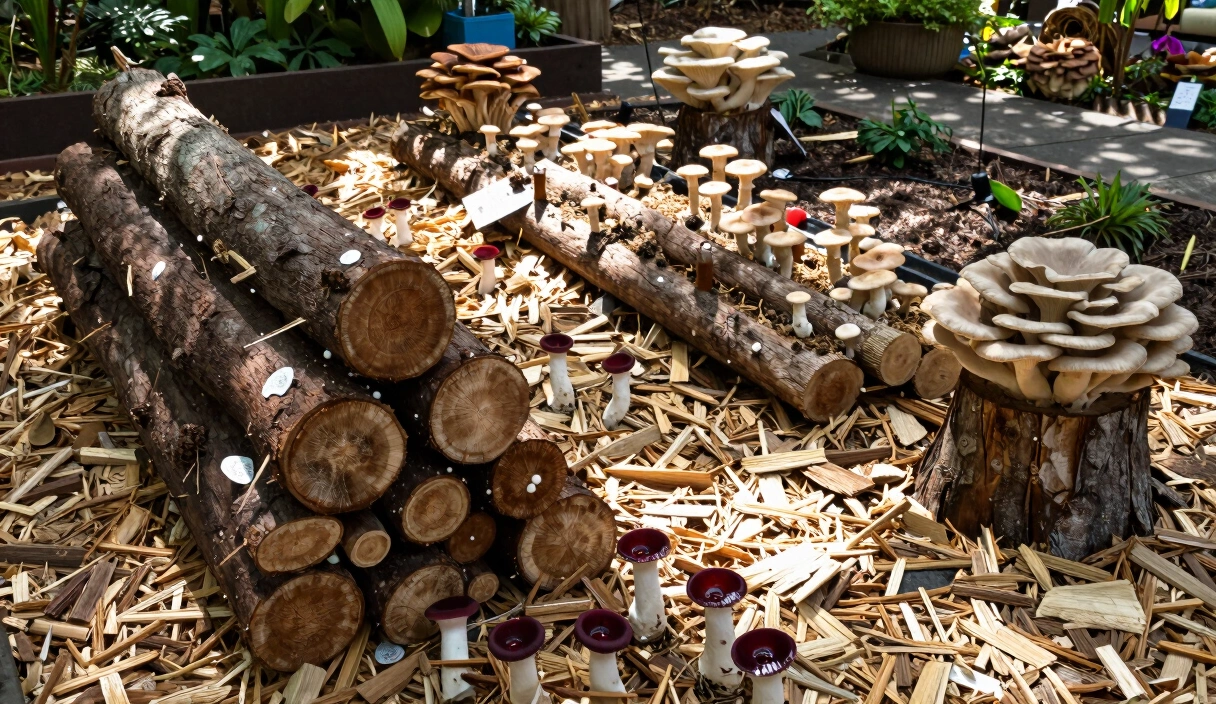
Mushroom Garden Design: Integrating Mycology into Regenerative Agriculture
What if your garden grew food underground? Companion planting with King Stropharia, biological nematode control, and wood chip bed design for year-round fungi.
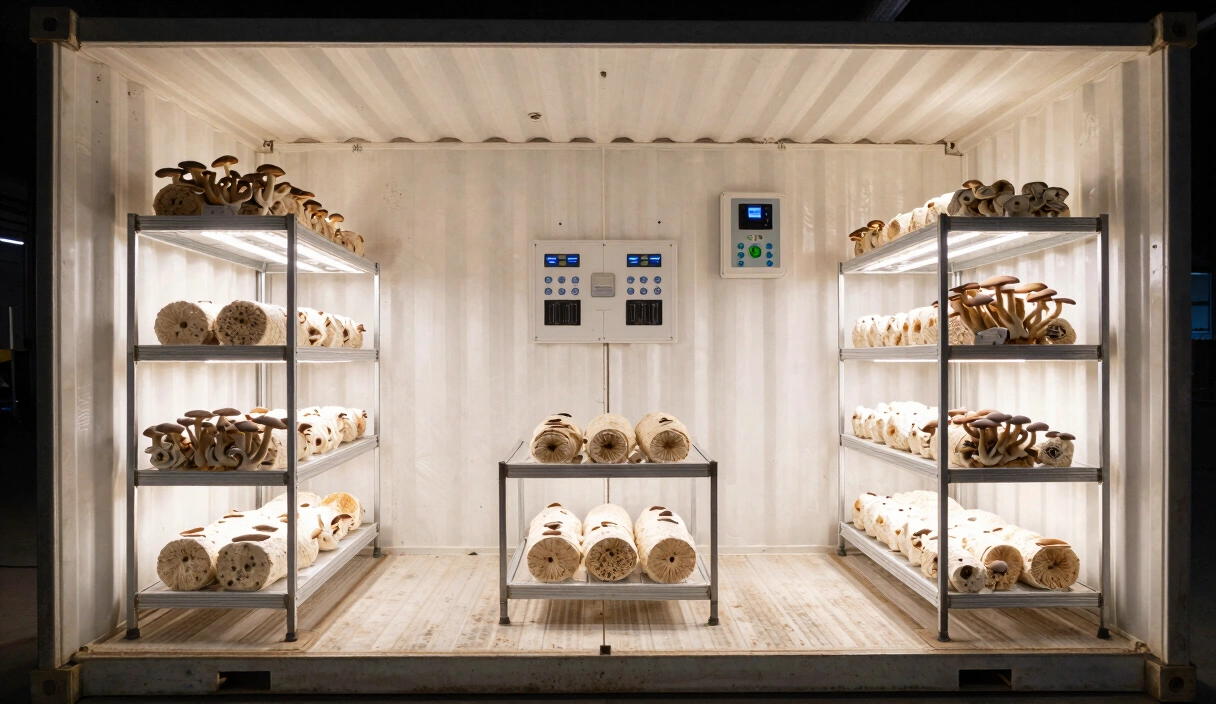
Shipping Container Lab: Engineering a High-Volume Cleanroom from Scratch
An ISO 7 mushroom lab inside a shipping container for under $8,000. HVAC overpressure, spray foam insulation, and ACH calculations included.
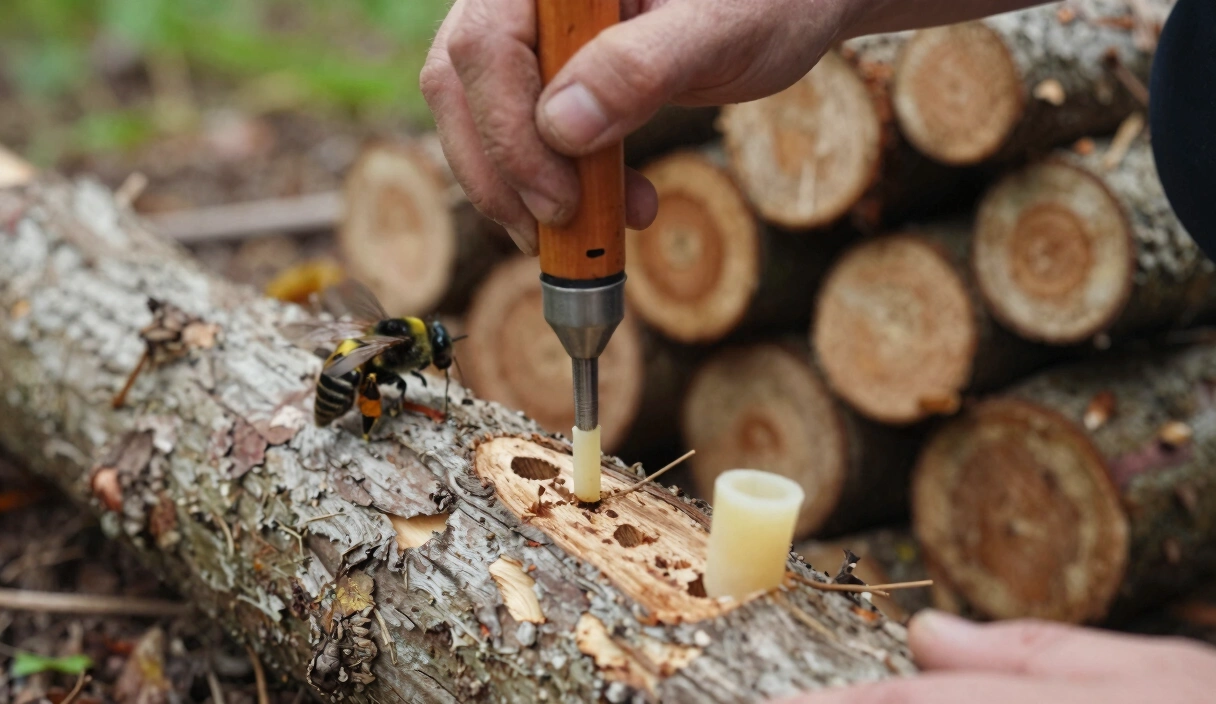
The Log Inoculation Masterclass: Engineering High-Yield Outdoor Mushroom Beds
Drill, plug, wax, wait. The log inoculation method produces shiitake for 4-6 years from a single hardwood log. Moisture, spawn depth, and timing protocols.