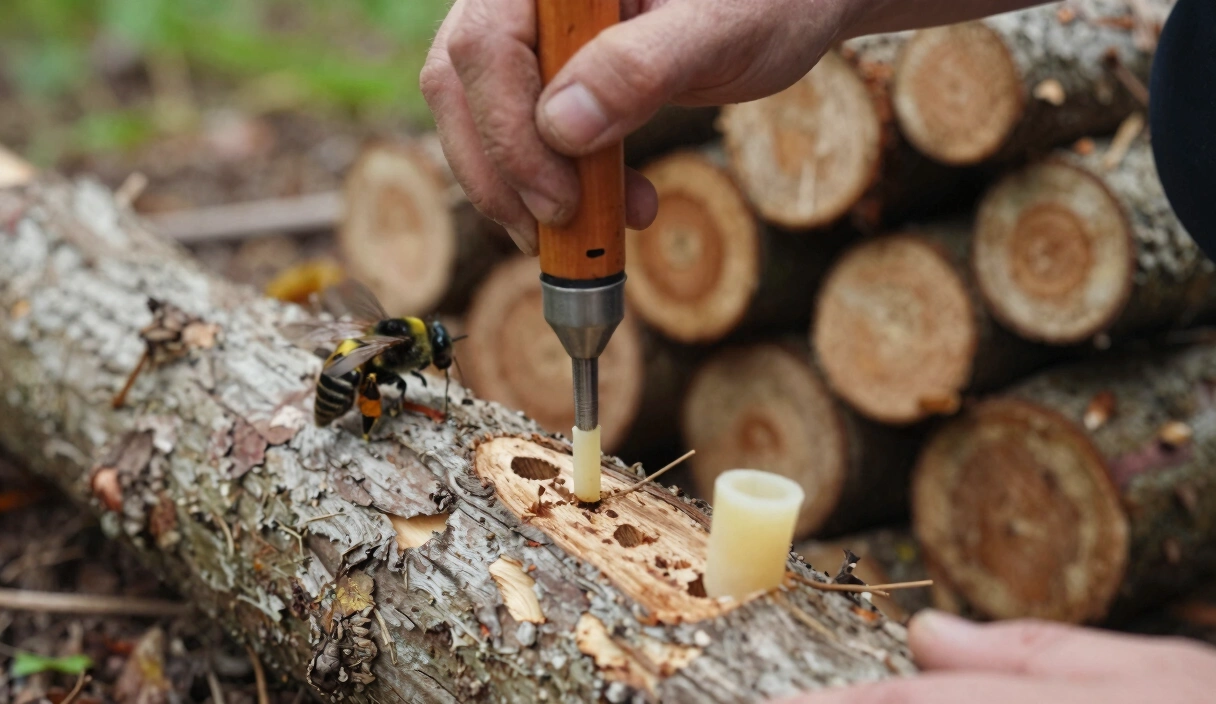
The Log Inoculation Masterclass: Engineering High-Yield Outdoor Mushroom Beds
Drill, plug, wax, wait. The log inoculation method produces shiitake for 4-6 years from a single hardwood log. Moisture, spawn depth, and timing protocols.
Contents
Japanese farmers have been growing Shiitake on oak logs since at least the 1600s, when cultivators in the Oita Prefecture discovered that scoring the bark of freshly felled shii trees and placing them in shaded forest clearings reliably produced flushes for years. They called the practice hodan cultivation. The fundamental technique has barely changed in four centuries—what has changed is our understanding of why it works.
Log inoculation is the most energy-efficient, long-term production system for high-value species like Shiitake (Lentinula edodes) and Reishi (Ganoderma lucidum). A correctly engineered mushroom log is a biological battery that can provide harvests for 3 to 7 years with zero electricity, zero sterile technique, and zero climate control. But success in forest farming is not a matter of luck. It is a calculation of Log Moisture Content (LMC), sapwood-to-heartwood ratios, and the suppression of wild fungal competitors.
Managing the transition from living tree to fungal bioreactor requires precision in wood hydration physics, winter felling timing, and sealing protocols.
The Physics of Wood: LMC and Nutrient Density
Wood is not a uniform medium. For a mushroom dikaryon, the log consists of two distinct zones with completely different biological values.
1. Sapwood (The Fuel Zone)
The Sapwood is the outer, lighter-colored ring of the tree. It contains the vascular tissue responsible for transporting water and nutrients. For the mycologist, this is the only zone that matters.
- Technical Rationale: Sapwood is rich in simple sugars and easily accessible cellulose. Fungi lack the metabolic speed to digest the dense, resin-filled Heartwood efficiently.
- The Ratio: When selecting logs, aim for a diameter of 4 to 6 inches (10-15 cm). Cornell University’s mushroom log research found that logs in this size range produce 2.3x more mushrooms per pound of wood than 8-inch diameter logs over a 5-year cycle. This size provides the optimal ratio of sapwood to heartwood, ensuring that 80% of the log volume is usable biomass for the fungus.
2. Log Moisture Content (LMC)
The single most common cause of log failure is dehydration.
- The Target: Your LMC must remain between 35% and 45% during inoculation.
- The Danger Zone: If the LMC drops below 25%, the mycelium will desiccate and die. If it exceeds 60%, the wood becomes anaerobic, allowing bacteria to rot the core before the mycelium can colonize it.
- The Management: Freshly felled healthy trees have an LMC of roughly 45–50%. We recommend a “Resting Period” of 2 weeks after felling to allow the tree’s natural antifungal defenses to subside, but you must inoculate before the 6-week mark.
Timing the Harvest: The Sap-Rest Principle
Commercial log growers strictly follow the calendar. The best logs are felled during the Dormant Phase (late autumn to early spring).
- Bark Adhesion: During winter, the tree’s sugars are stored in the wood, and the bark is tightly bonded to the sapwood. In the spring, when the sap begins to flow, the bark becomes “loose” and prone to peeling.
- The Technical Limit: Bark is the “skin” of your bioreactor. If the bark peels off, the log will dry out instantly, and your Biological Efficiency (BE) will crash. Always inoculate dormant-felled logs.
The Technical Inoculation Protocol
To introduce the fungus, you must bypass the bark’s physical barrier.
1. The Diamond Bohrplan (Drill Pattern)
Do not drill random holes. Use a staggered Diamond Pattern.
- Spacing: Holes should be 6 inches apart in a row, with 2 inches between rows.
- Depth: Drill 1 inch deep (25mm) to ensure the spawn makes direct contact with the nutrient-rich sapwood interface.
2. Plug Spawn vs. Sawdust Spawn
- Plug Spawn: Pre-inoculated wooden dowels. Highly resistant to drying and mechanical stress. Best for beginners.
- Sawdust Spawn: Inoculated hardwood sawdust applied with a spring-loaded tool. Technical Edge: Sawdust spawn offers 10x more inoculation points and faster colonization (Leap-off), but requires immediate waxing. Field trials at the University of Vermont Extension showed sawdust-inoculated logs reaching first harvest an average of 3 months earlier than plug-inoculated logs of the same species and diameter.
Outdoor Inoculation Gear
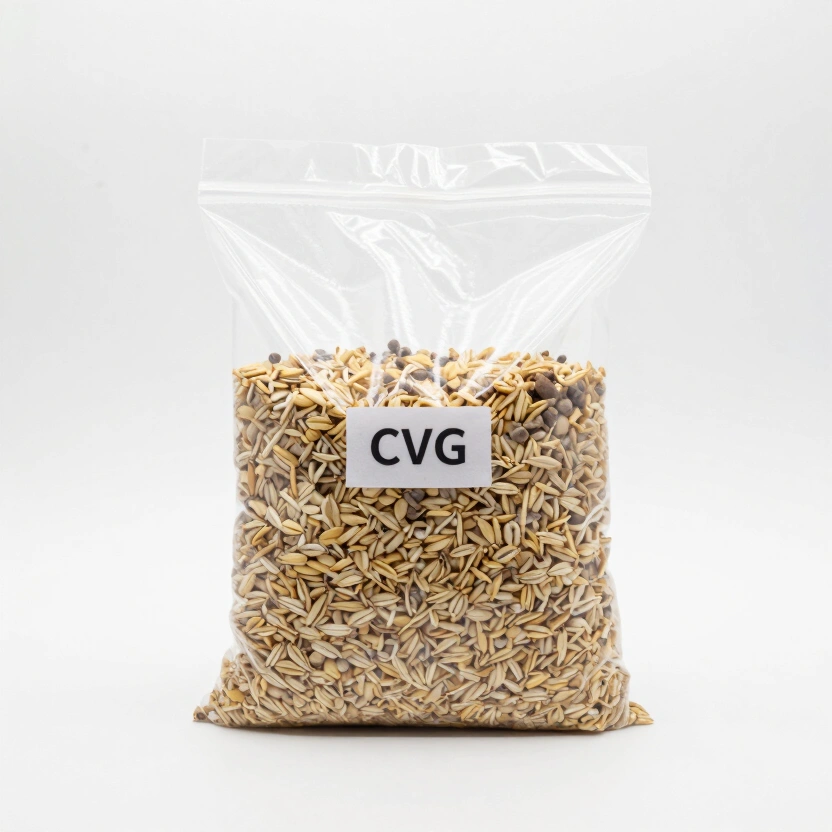
Sterilized CVG Substrate & Grain Combo Bag
All-in-one sterilized solution for effortless mushroom growing.
Check Price on Amazon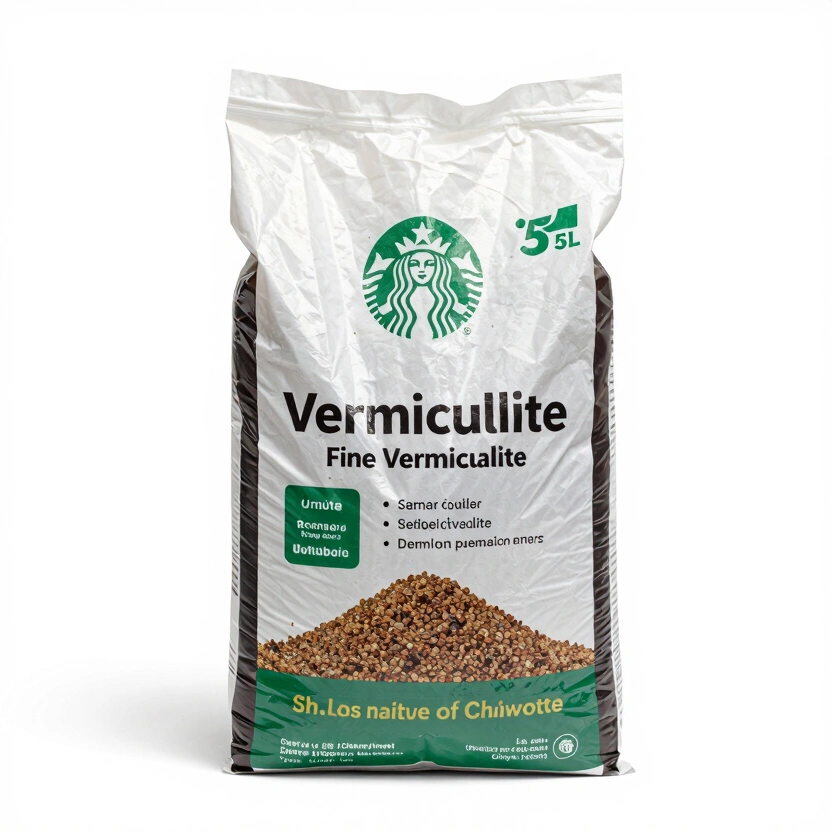
Horticultural Vermiculite Fine (5L)
pH-neutral mineral substrate for optimal moisture retention in mushroom mixes.
Check Price on Amazon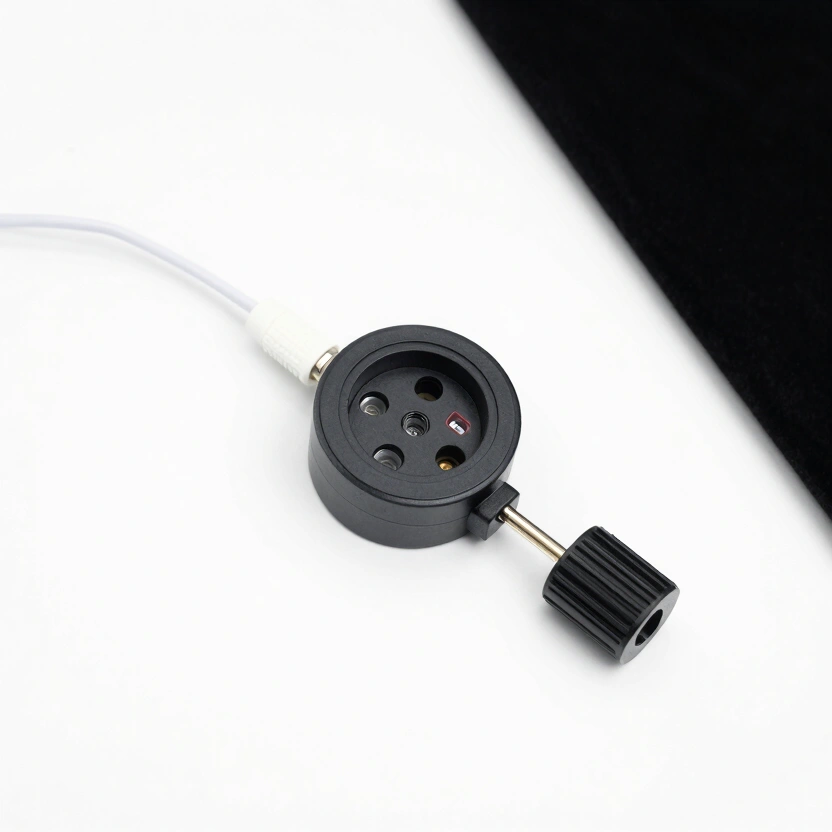
KETOTEK Digital Humidity Regulator Socket
Plug-and-play hygrostat sensor for automated humidity management.
Check Price on Amazon* Affiliate links. Prices last updated March 6, 2026.
Sealing the Bioreactor: The Wax Protocol
Every hole you drill is a wound that can allow wild “trash fungi” (like Turkey Tail or Stereum) to enter.
- The Material: Use Food-Grade Cheese Wax or Beeswax. Avoid paraffin, as it becomes brittle and cracks in the sun.
- The Application: Heat the wax to 250°F (120°C) and seal every inoculation site and the cut ends of the log. This creates a hermetic seal, locking in the LMC and locking out competitors.
Incubation (The Spawn Run)
Once inoculated, the logs must enter a state of Passive Incubation.
- The Stack: Use the “Crib Stack” (log cabin style) for the first 6 months. This maximizes airflow and prevents the logs from touching the soil, which is a source of bacterial contamination.
- The 12-Month Clock: Shiitake logs typically require a full year to colonize. USDA Forest Service data indicates that dormant-felled oak logs inoculated in March and crib-stacked in 80% shade reach harvestable colonization by the following February in USDA zones 5-7. You will know the log is ready when you see white mycelial “bloom” on the cut ends.
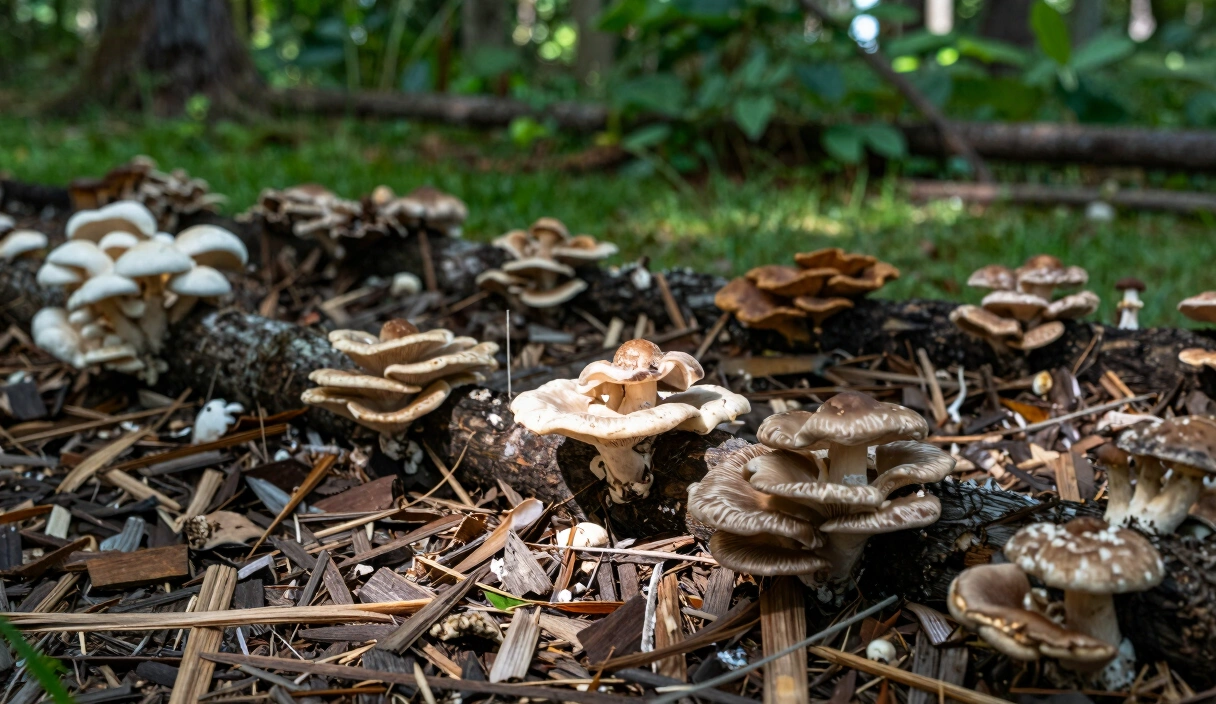
Source 10 freshly felled oak logs this winter, drill your first diamond pattern, seal with cheese wax, and set a calendar reminder for 12 months—then read the Shiitake Mastery guide to learn the cold-shock fruiting trigger you will need when those logs are ready.
Frequently Asked Questions
Can I use wood from a tree that died naturally or fell in a storm?
No. A tree dead for more than 3 months is already colonized by wild fungi that have claimed the sapwood. Even if the log looks clean externally, “trash fungi” like Turkey Tail and Stereum have established invisible territorial networks inside. Your Shiitake spawn will lose the resource war. Only use green wood from living trees felled specifically for cultivation.
Which wood species produce the best Shiitake yields on logs?
Oak (White or Red) is the global gold standard—dense, durable, and capable of supporting harvests for 5-7 years. Beech, Sugar Maple, and Alder are strong alternatives. Avoid all softwoods (Pine, Spruce, Cedar) as their natural terpenes and resins are actively antifungal and will kill your spawn. For Oyster mushrooms on logs, softer hardwoods like Poplar and Willow work well but decompose in 2-3 years.
How do I know if my inoculated log has dried out too much?
Check the cut ends. If the wood appears grey, cracked, and brittle, the LMC has dropped below the critical 25% threshold. Healthy colonizing logs should have tan, slightly moist-looking end grain. During summer droughts, mist logs for 4-6 hours once per week using a sprinkler on a timer. Never soak logs for extended periods during incubation—waterlogging creates anaerobic conditions that rot the core.
How long does it take before an inoculated log produces its first mushrooms?
Shiitake logs typically need a full 12-month spawn run before they are ready to fruit. Oak logs are slower than Alder or Maple due to higher density. After the colonization year, you can trigger fruiting with a 24-hour cold-water soak (the “cold shock” method) or simply wait for natural spring and fall temperature swings to initiate pinning.
Is plug spawn or sawdust spawn better for log inoculation?
Plug spawn (pre-inoculated wooden dowels) is more forgiving for beginners—resistant to drying and mechanical damage. Sawdust spawn colonizes logs significantly faster due to 10x more inoculation points per hole, but requires immediate waxing because exposed sawdust desiccates within hours. For operations over 50 logs, sawdust spawn with a palm inoculator is the clear winner on speed and cost per log.
Related Articles
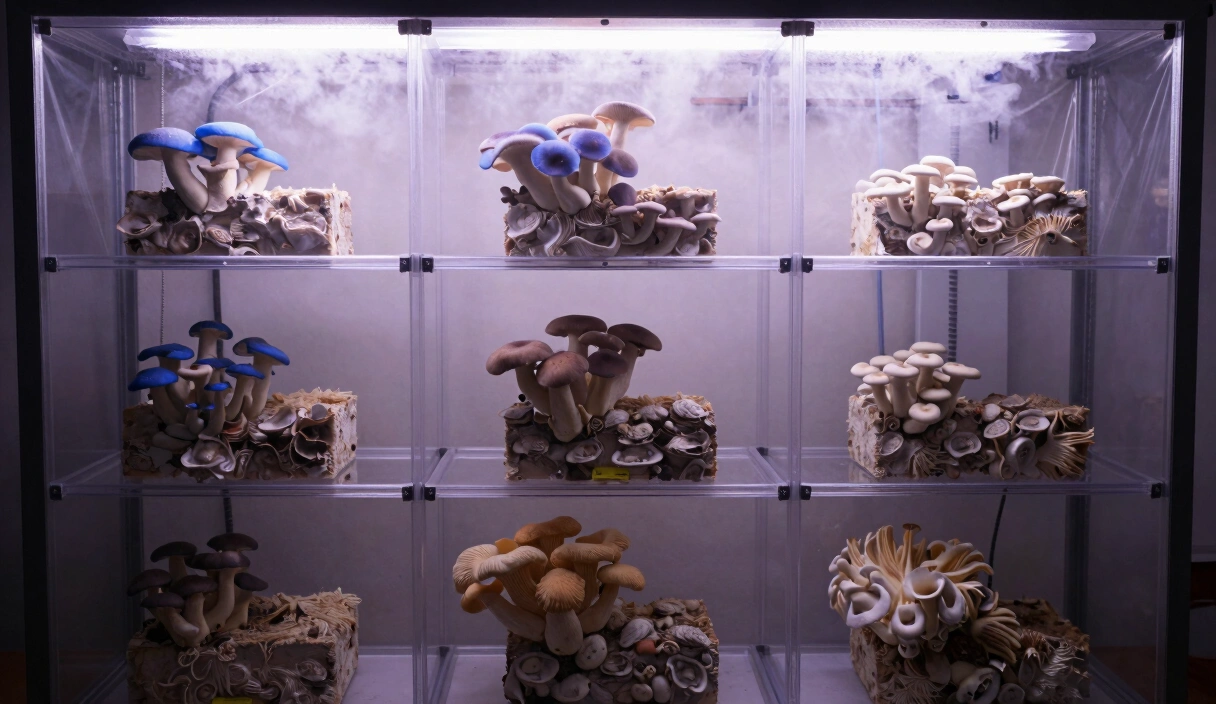
Building a Martha Tent: The Professional Guide to Automated Fruiting
How to build a Martha tent fruiting chamber with automated humidity, FAE, and sensor monitoring. Includes parts list and wiring diagram.
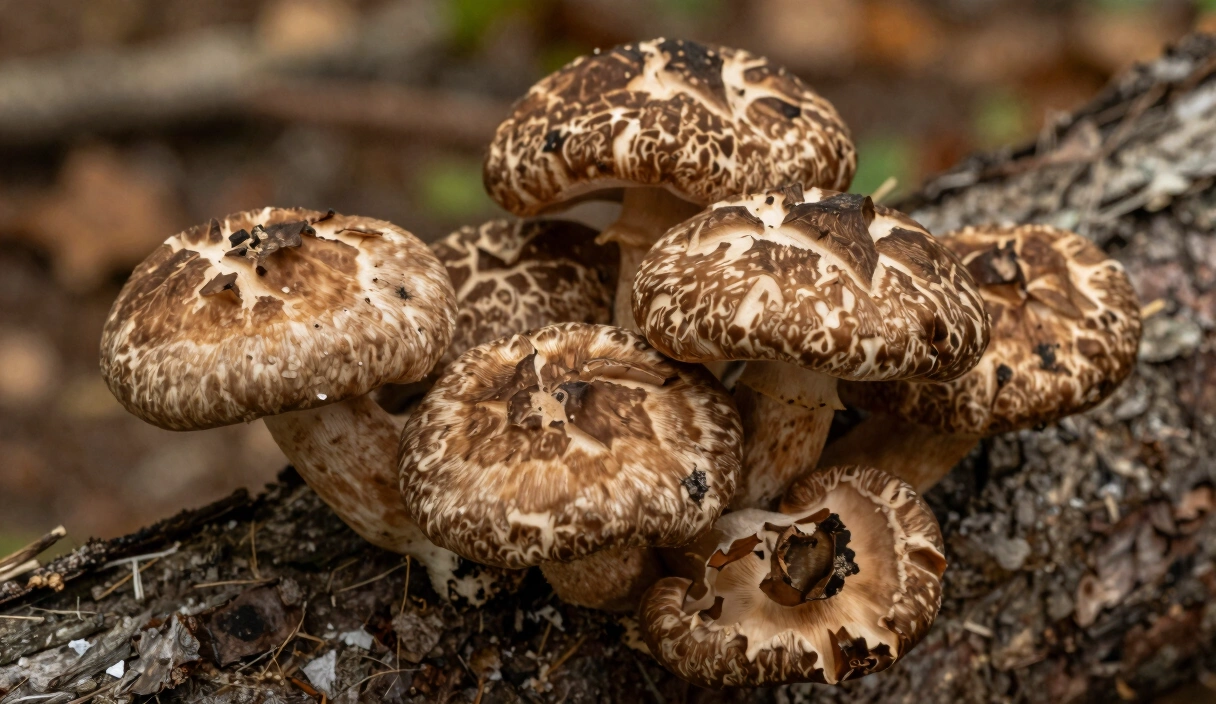
Shiitake Mushroom Mastery: Engineering the Browning and Cold Shock Process
Shiitake cultivation hinges on the browning phase most growers rush through. Cold shocking, donko vs. koshin grades, and sawdust block optimization.
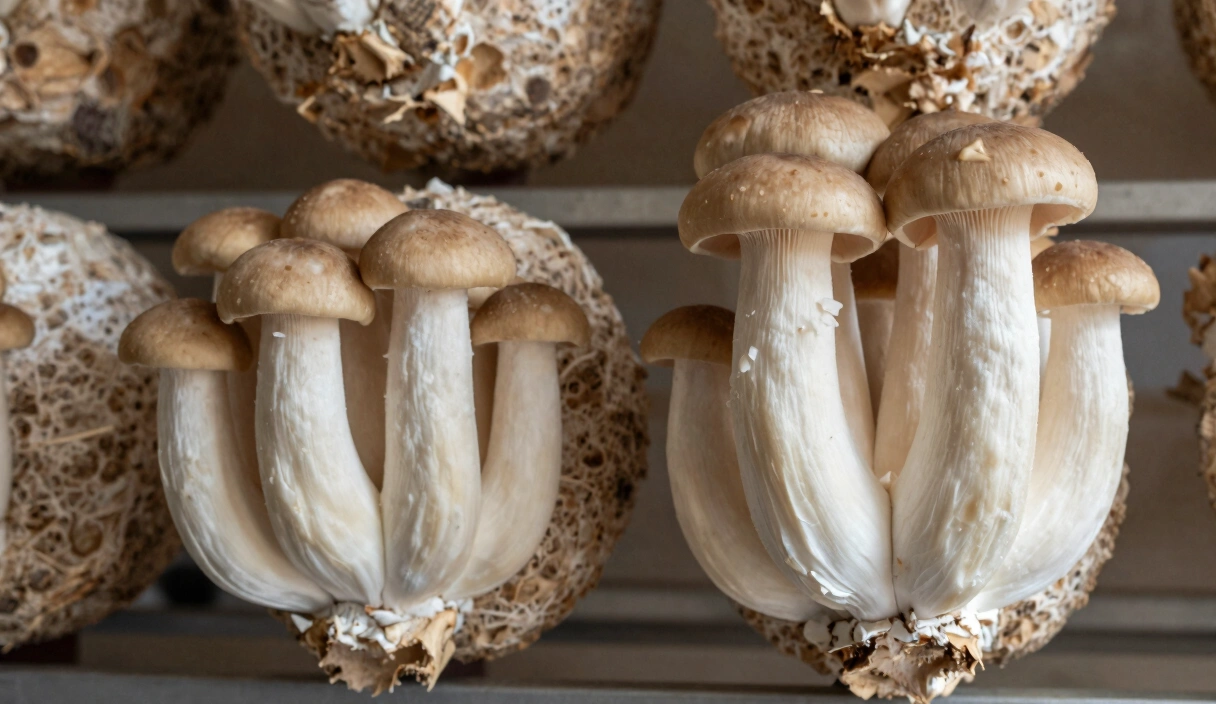
King Oyster Mastery: Engineering Hypertrophy and Texture in Pleurotus eryngii
Thick stems, dense texture, restaurant-grade slabs. How to grow King Oyster mushrooms by manipulating CO2, light, and casing layer depth.