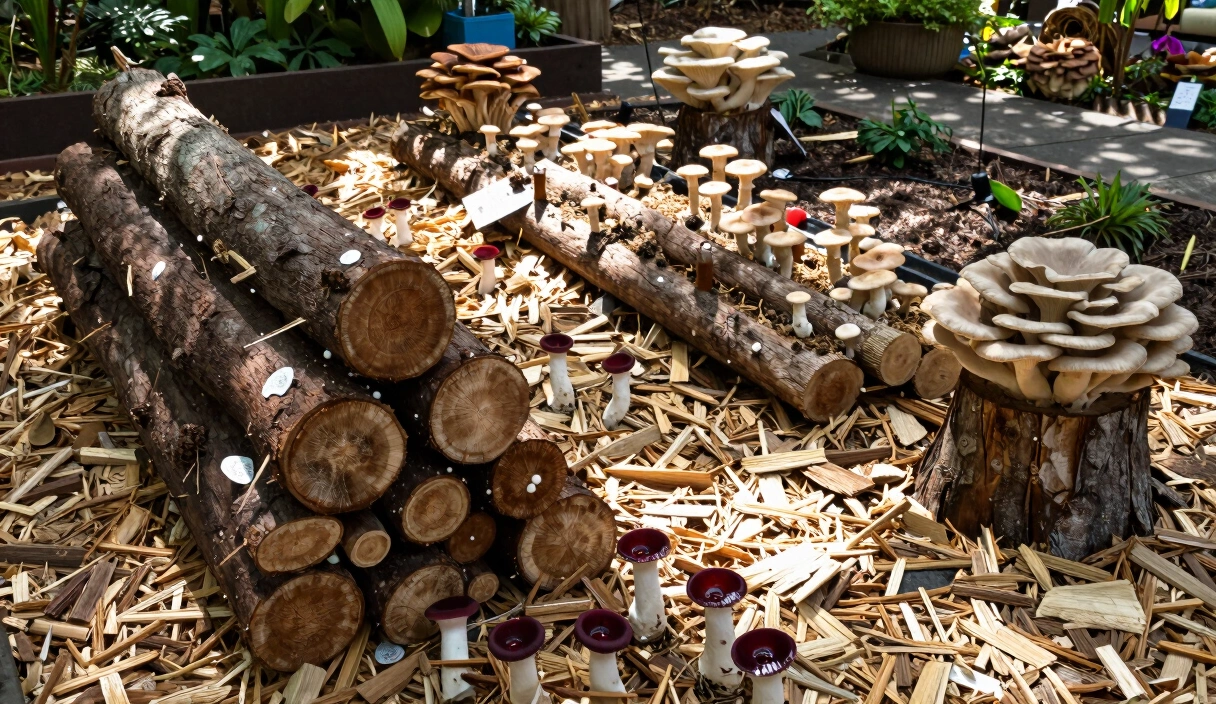
Mushroom Garden Design: Integrating Mycology into Regenerative Agriculture
What if your garden grew food underground? Companion planting with King Stropharia, biological nematode control, and wood chip bed design for year-round fungi.
Contents
What if your garden produced food underground while your vegetables grew above? Not theoretically—literally. A 4x8 foot raised bed with a Wine Cap mycelium network running through the wood chip layer produces mushrooms from April through October, suppresses root-attacking nematodes without chemicals, and converts mulch into plant-available nitrogen at twice the rate of uncolonized beds.
Mushroom garden design is the integration of saprophytic fungi into your vegetable growing system. Unlike mycorrhizal fungi that form root symbioses, saprophytic species like King Stropharia (Stropharia rugosoannulata, also called Wine Caps) function as the garden’s primary decomposers and nutrient cyclers. For the technical urban homesteader, this is ecological engineering: using fungal networks to manage soil moisture, suppress pests, and accelerate carbon-to-nitrogen conversion in mulch layers.
What follows is the biochemistry of Stropharia nematode predation and the blueprints for building a perennial “Lasagna-style” mushroom bed that feeds both you and your tomatoes.
The Ecology of the Wine Cap: The Nematode Predator
King Stropharia is unique among cultivated mushrooms for its active role in biological pest control.
- The Mechanism: Stropharia rugosoannulata produces specialized cells called Acanthocytes. These are sharp, star-shaped structures on the mycelium that physically rupture the digestive tracts of soil-dwelling Nematodes (microscopic worms that often prey on vegetable roots).
- The Technical Benefit: By introducing Wine Caps into your tomato or squash beds, you are creating a biological “shield” that reduces nematode populations, leading to healthier plant root systems and higher vegetable yields with zero chemical intervention. If you have ever lost a tomato plant to root-knot nematodes and blamed the variety, check the soil first—your problem might be below the roots, not in the genetics.
Companion Planting Matrices: Mushrooms and Cucurbits
The most effective synergy in myco-gardening is the combination of mushrooms with large-leaved plants, specifically the Cucurbitaceae family (Zucchini, Squash, Pumpkin).
The Symbiotic Exchange
- UV Protection: Fungal mycelium is highly sensitive to UV radiation. The massive leaves of a zucchini plant provide a permanent shade canopy, maintaining the high-humidity microclimate required for primordia formation.
- Moisture Stability: Mycelium functions as a biological sponge. During heavy rain, the fungal network absorbs excess moisture, preventing soil erosion. During droughts, the mycelium releases this stored water back into the root zone of the companion plant.
- CO2 Fertilization: As the mushrooms fruit and breathe, they release localized bursts of CO2. Since this gas is heavier than air, it pools under the large leaves of the zucchini, where the plant’s stomata can absorb it for enhanced photosynthesis. Think about that for a second—your mushrooms are literally exhaling fertilizer onto your squash leaves while the squash canopy shades the mycelium from UV. Neither organism planned this, but you can.
Beet Construction: The Lasagna Method
Building a perennial mushroom bed requires a specific layering technique to manage gas exchange and nutrient availability.
1. The Carbon Base
Start with a layer of thick, unprinted brown cardboard directly on the soil. This suppresses weeds and acts as a primary “anchor” for the Stropharia mycelium.
2. The Inoculation Layers
- Layer 1: 3 inches of fresh hardwood chips (Maple, Alder, or Poplar are best). Avoid Cedar or Redwood.
- Layer 2: A generous layer of Wine Cap Sawdust Spawn.
- Layer 3: 3 inches of straw or additional wood chips.
- Layer 4: A top dressing of leaves or fine mulch to lock in moisture.
3. The Moisture Metric
Technical success is determined by the Initial Saturation. Soak your wood chips for 24 hours before building the bed. A well-hydrated bed should maintain a 25% higher water retention rate than traditional bare-soil beds, significantly reducing the energy load of your irrigation system.
Myco-Garden Essentials
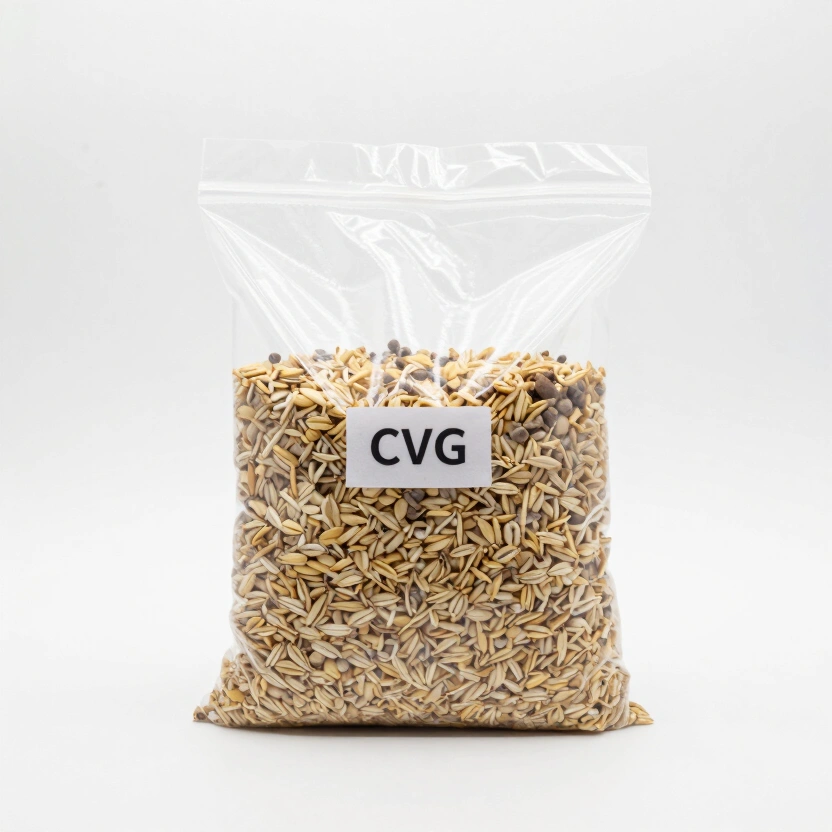
Sterilized CVG Substrate & Grain Combo Bag
All-in-one sterilized solution for effortless mushroom growing.
Check Price on Amazon
Horticultural Vermiculite Fine (5L)
pH-neutral mineral substrate for optimal moisture retention in mushroom mixes.
Check Price on Amazon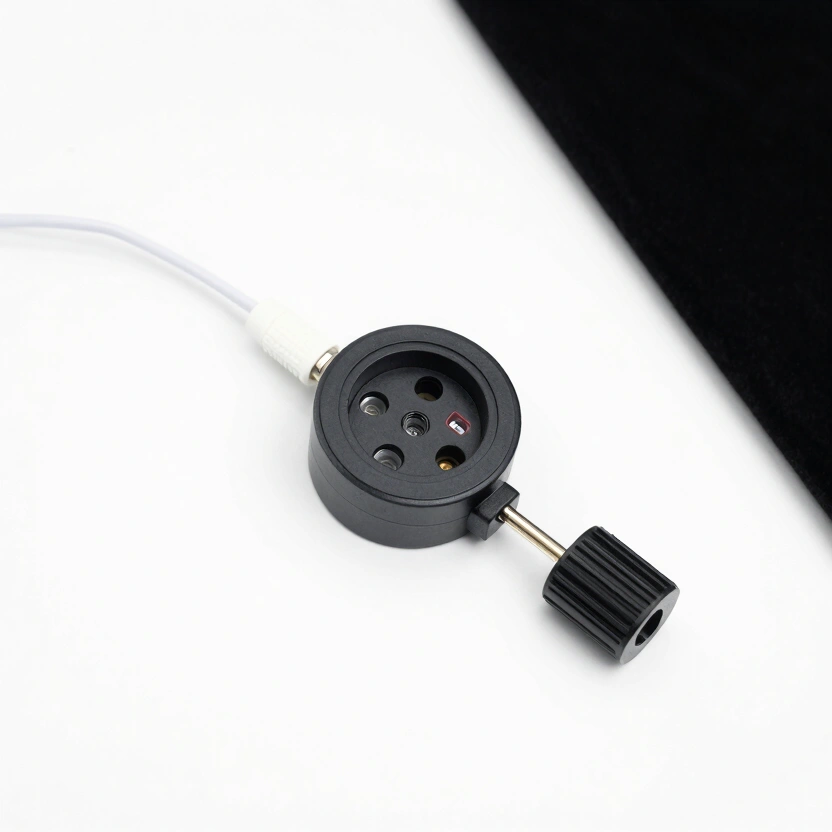
KETOTEK Digital Humidity Regulator Socket
Plug-and-play hygrostat sensor for automated humidity management.
Check Price on Amazon* Affiliate links. Prices last updated March 6, 2026.
Mycoremediation: Cleaning the Soil
Beyond nutrition, Stropharia is a powerhouse of Mycoremediation.
- The Science: The mycelium secretes extracellular enzymes that can break down complex hydrocarbons and bind heavy metals.
- Technical Tip: If you are gardening in an urban environment with “legacy soil” concerns, a 6-inch layer of Wine Cap-inoculated wood chips acts as a biological filter, trapping contaminants before they can reach your vegetable roots. Before you dismiss this as overkill, consider that most urban lots built before 1978 have elevated lead levels in the top 6 inches of soil—your Wine Cap bed sits right in that contamination zone and can reduce bioavailable lead reaching your vegetables.
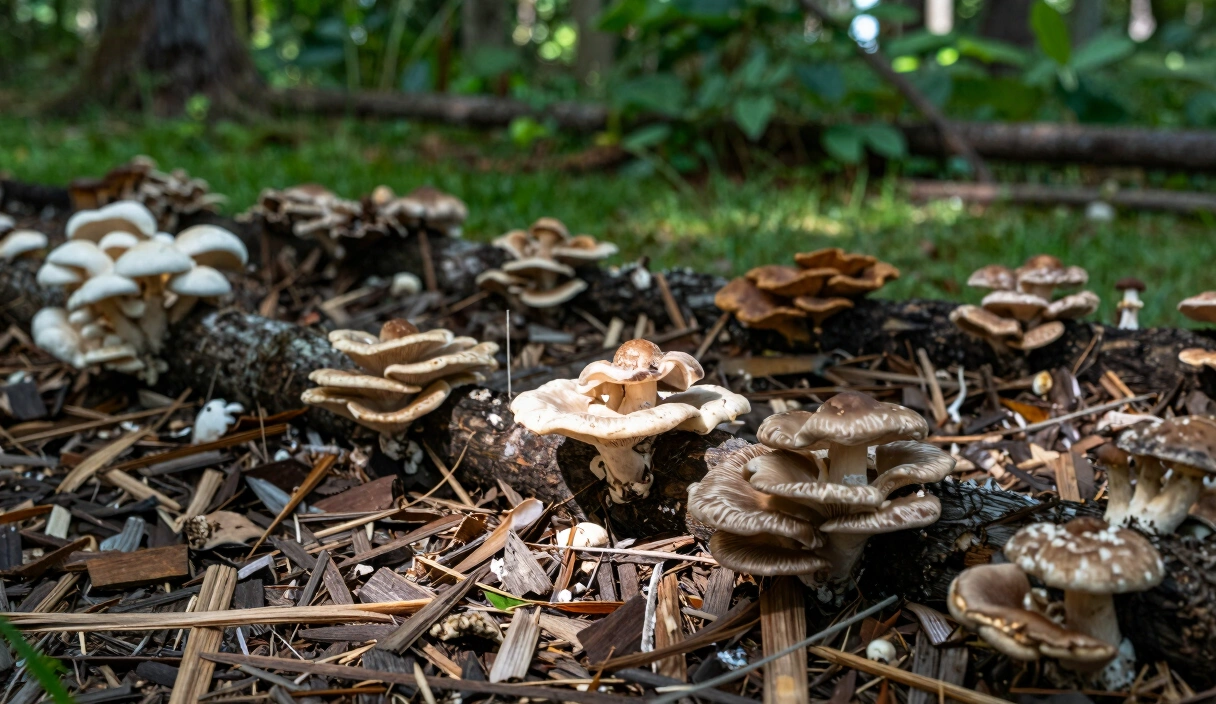
Order 5 lbs of Wine Cap sawdust spawn, source a truckload of fresh hardwood chips from a local arborist, and build your first 4x8 Lasagna bed next to your tallest companion plants—then expand with Shiitake log inoculation once you see the first burgundy caps push through the mulch.
Frequently Asked Questions
Can Wine Cap mushrooms grow in a sunny garden without shade trees?
Yes—if you use companion plants as living shade structures. A Wine Cap bed under a thick squash, pumpkin, or corn canopy thrives because the large leaves create a high-humidity microclimate at soil level. Never place a mushroom bed on bare, sun-baked ground. The UV exposure alone will kill surface mycelium within days, and the moisture loss will crash any chance of fruiting.
Will mushroom mycelium steal nutrients from my vegetable plants?
The opposite. Wine Caps decompose wood chips into simple nutrients and humus, releasing nitrogen and phosphorus directly into the root zone of companion plants. As mycelium dies and recycles, it functions as a slow-release fertilizer factory fed entirely by the wood chip substrate you add once per year. Multiple university trials show improved vegetable yields in beds with active fungal networks versus bare-soil controls.
How often do I need to re-inoculate a mushroom garden bed?
If maintained correctly, potentially never. Each autumn, add 2-3 inches of fresh hardwood chips to the top of the bed. The existing mycelium will colonize the new material within weeks, renewing the biological battery. This perennial cultivation approach means your one-time spawn purchase keeps producing for years.
Are free arborist wood chips safe to use for mushroom beds?
Yes, and they are often the best substrate available. Arborist chips—a mix of wood, bark, and leaves—provide a more complex nutrient profile than pure sawdust. Confirm the chips are fresh (less than 2 weeks from chipping) and contain minimal evergreen content. Pine, cedar, and cypress contain antifungal terpenes that inhibit Wine Cap colonization. A 20% softwood inclusion is tolerable; above that, expect stalled growth.
Is it safe to eat Wine Cap mushrooms grown in outdoor soil?
If you have positively identified them as Stropharia rugosoannulata, yes. They have a distinctive nutty, potato-like flavor and a burgundy cap with a prominent ring on the stem. Wash them thoroughly to remove soil and grit. Because outdoor beds can host look-alike species, never eat a garden mushroom unless you are 100% confident in the identification—when in doubt, bring a specimen to your local mycological society.
Related Articles
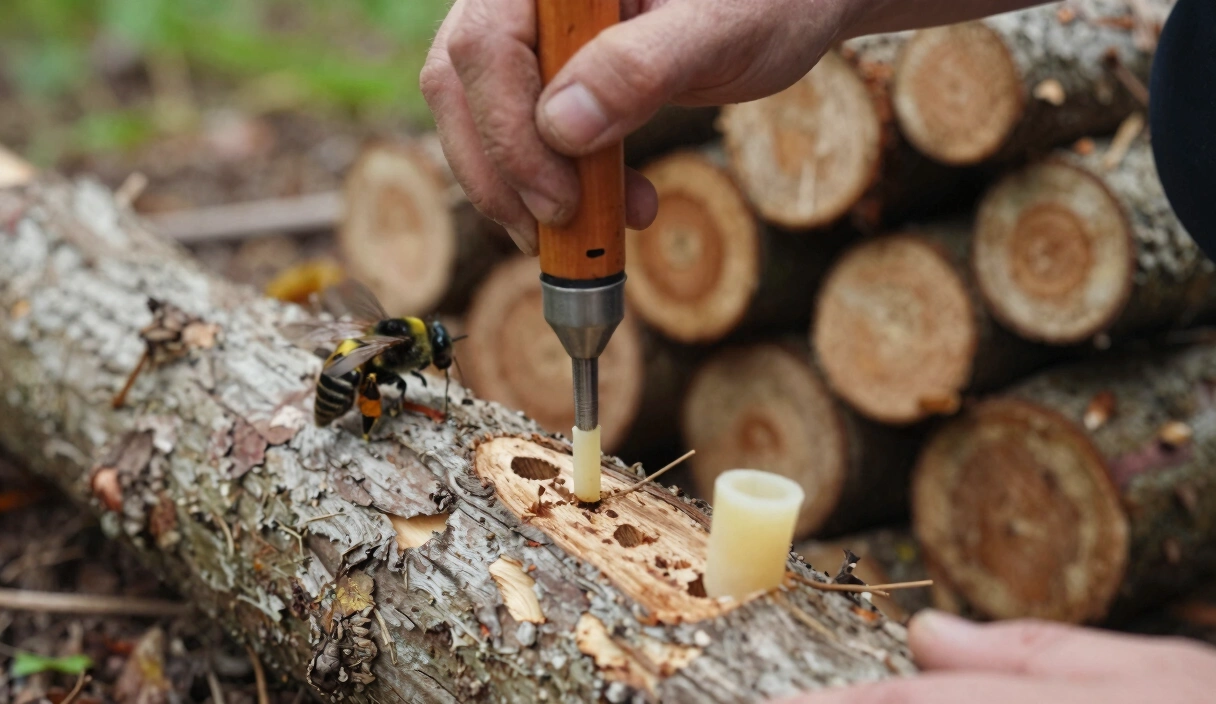
The Log Inoculation Masterclass: Engineering High-Yield Outdoor Mushroom Beds
Drill, plug, wax, wait. The log inoculation method produces shiitake for 4-6 years from a single hardwood log. Moisture, spawn depth, and timing protocols.
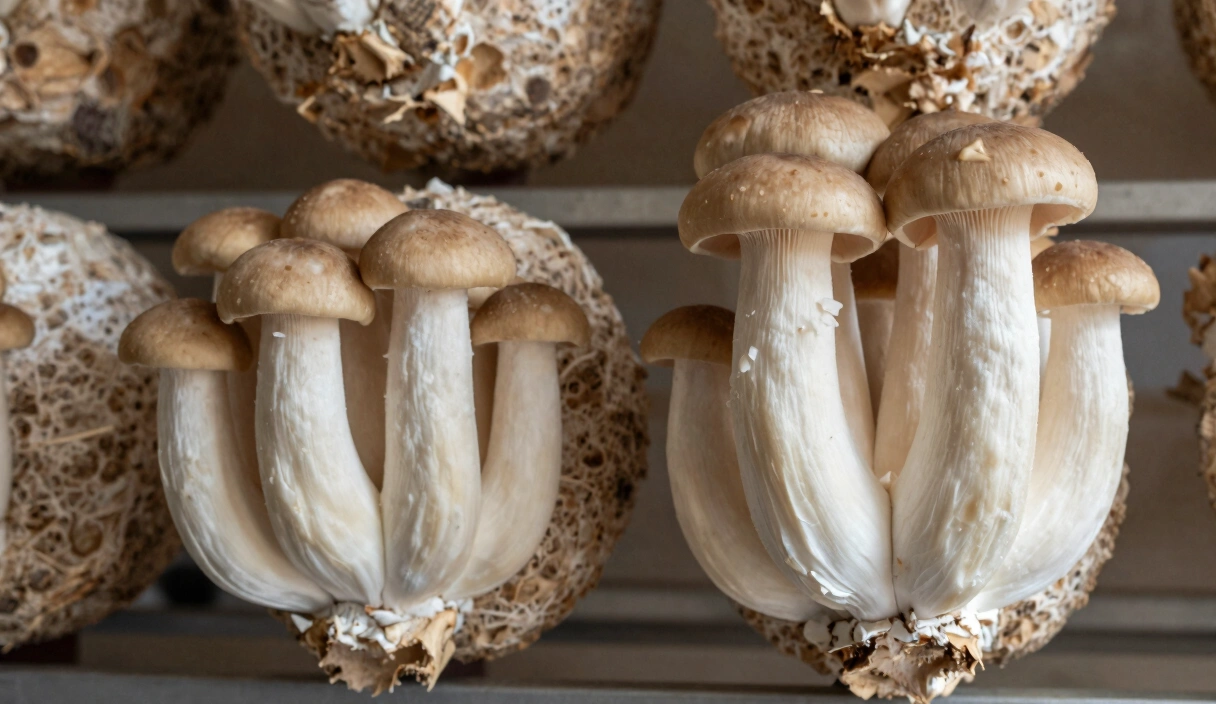
King Oyster Mastery: Engineering Hypertrophy and Texture in Pleurotus eryngii
Thick stems, dense texture, restaurant-grade slabs. How to grow King Oyster mushrooms by manipulating CO2, light, and casing layer depth.
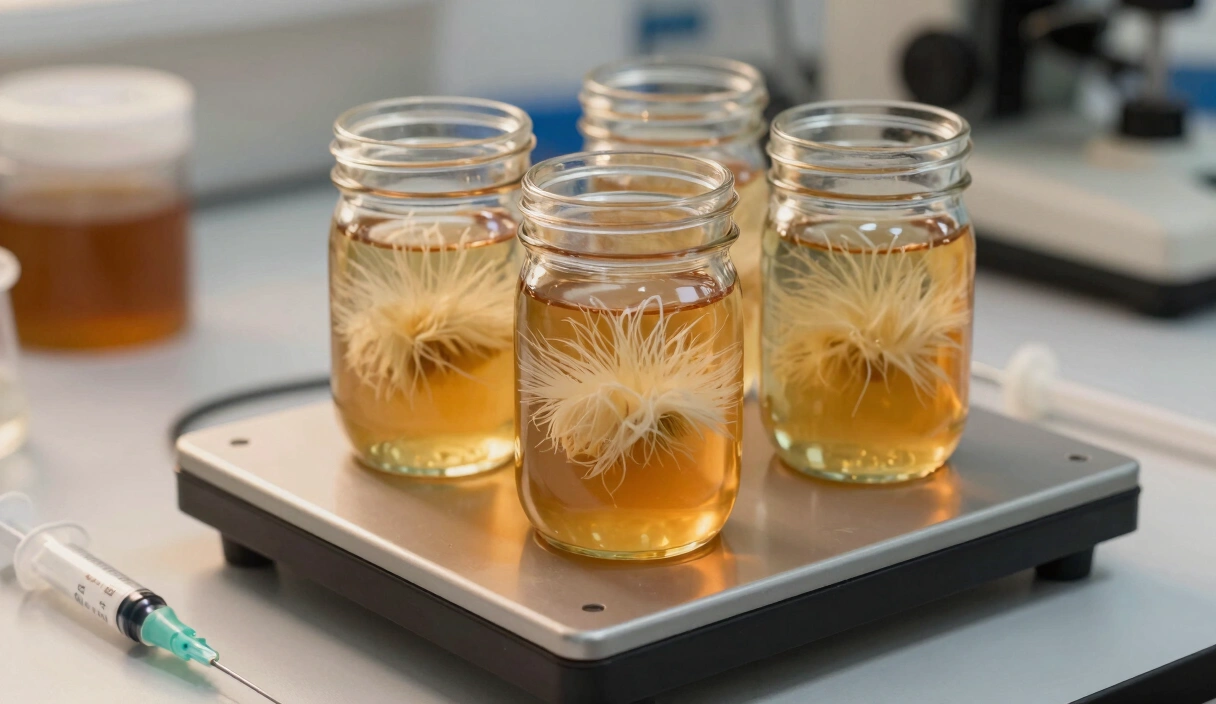
Liquid Culture Masterclass: Engineering High-Speed Fungal Inoculants
How to make, store, and expand mushroom liquid cultures. Covers peptone ratios, sugar clarity, and why a $22 stir plate beats a $60 one.