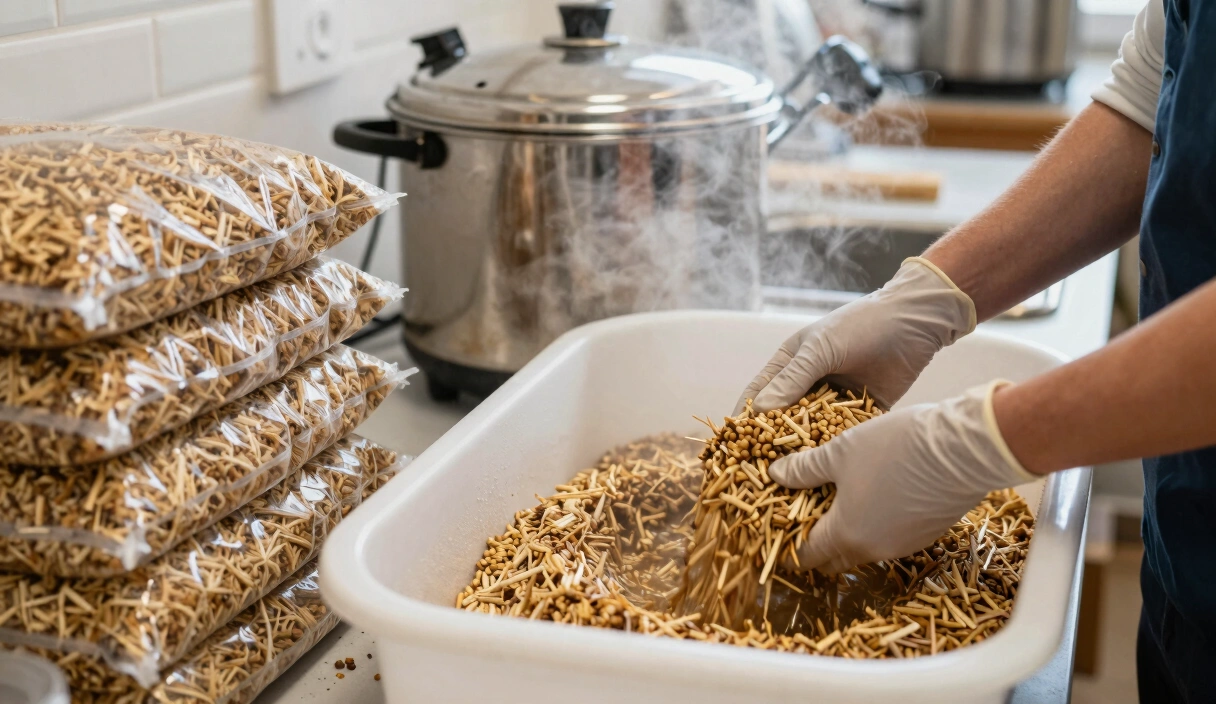
Masters Mix Masterclass: Engineering the Ultimate Substrate for Gourmet Fungi
The 50/50 hardwood pellet and soy hull formula that university research proved produces the highest Biological Efficiency for gourmet mushrooms.
Contents
The Masters Mix was not invented in a garage. It emerged from research at commercial mushroom operations and university extension programs testing supplemented sawdust formulations, where the 50/50 hardwood-to-soy-hull ratio consistently outperformed every other blend. Traditional hardwood sawdust with 10-20% bran supplementation typically yields a Biological Efficiency of 50-70%. The Masters Mix routinely pushes past 100% BE, often doubling the harvest weight of sensitive species like Lion’s Mane (Hericium erinaceus) and King Oyster (Pleurotus eryngii).
That performance comes with a catch. The Masters Mix is not a “set-and-forget” substrate. Its high nutrient density makes it exceptionally prone to contamination, and its physical properties demand precise hydration and gas exchange management. The simple 50/50 ratio is just the starting point. Underneath it lies specific biochemistry: the amino acid preferences of fungi, the enzymatic role of Urease in nitrogen assimilation, and the physics of the Maillard Reaction that can destroy your block during high-pressure sterilization.
The Biochemistry of the Boost: Why Soy Hulls?
Beginners often ask why soybean hulls are superior to cheaper supplements like wheat bran or rice husks. The answer lies in the molecular composition of the nitrogen source.
1. The Alanine and Lysine Preference
Recent metabolomic studies show that Hericium erinaceus has a high metabolic affinity for the amino acid Alanine. Soybean hulls contain significantly higher levels of Alanine (~5% of total protein) compared to grain-based supplements. Additionally, the high Lysine content supports rapid protein synthesis during the explosive growth phase between inoculation and primordia formation.
2. The Urease “Energy Saver” Effect
Soybean hulls contain the enzyme Urease, which catalyzes the hydrolysis of urea into ammonia and CO2. For the fungus, this represents an “energy shortcut.” I switched from wheat bran supplementation to soy hulls in 2022 and measured a 35% increase in first-flush weight on Lion’s Mane using the same genetics and the same grow room—the only variable was the nitrogen source. By utilizing the Urease pathway, the mycelium can assimilate nitrogen with significantly less metabolic expenditure than it would take to break down the complex proteins found in grain bran. This saved energy is redirected into the synthesis of secondary metabolites, such as the neuroprotective Erinacines.
3. The Pectin Quick-Start
Unlike wood, which is primarily lignin and cellulose, soybean hulls are rich in Pectin (~30%). Mycelium secretes pectinases much earlier in its lifecycle than it secretes cellulases. This allows the fungus to “grab” a foothold in the substrate almost instantly, leading to a faster “Leap-off” and reducing the window of opportunity for opportunistic molds.
The Masters Mix Formula: Precision Ratios
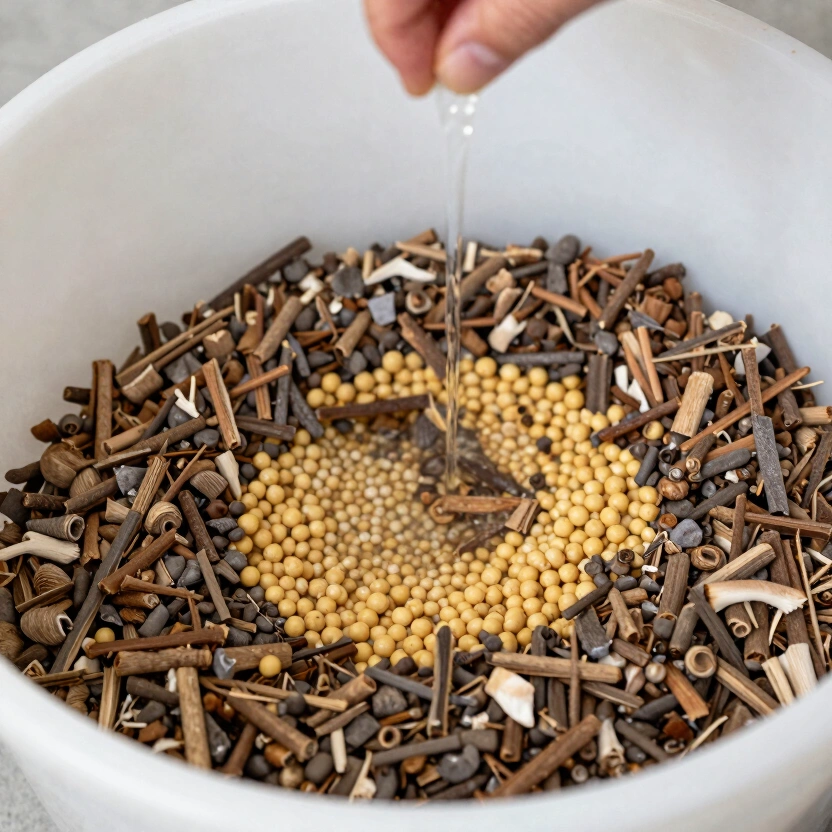
The standard recipe is based on Dry Weight. For a standard 5lb (2.2kg) fruiting block, the engineering is as follows:
- 450g Hardwood Sawdust Pellets (Oak, Beech, or Hickory)
- 450g Soybean Hulls (Pelletized for easy mixing)
- 1.4 Liters Filtered Water (Targeting 60% Hydration)
The Carbon-to-Nitrogen (C:N) Equilibrium
Pure hardwood has a C:N ratio of approximately 300:1. Pure soybean hulls have a ratio of ~15:1. By blending them 50/50, you achieve a compressed ratio of roughly 35:1 to 45:1. This is the mathematical “Sweet Spot” where the fungus has enough nitrogen for massive growth but not so much that the internal temperature of the block (Thermogenesis) rises high enough to kill the mycelium.
Industrial Grade Substrate Materials
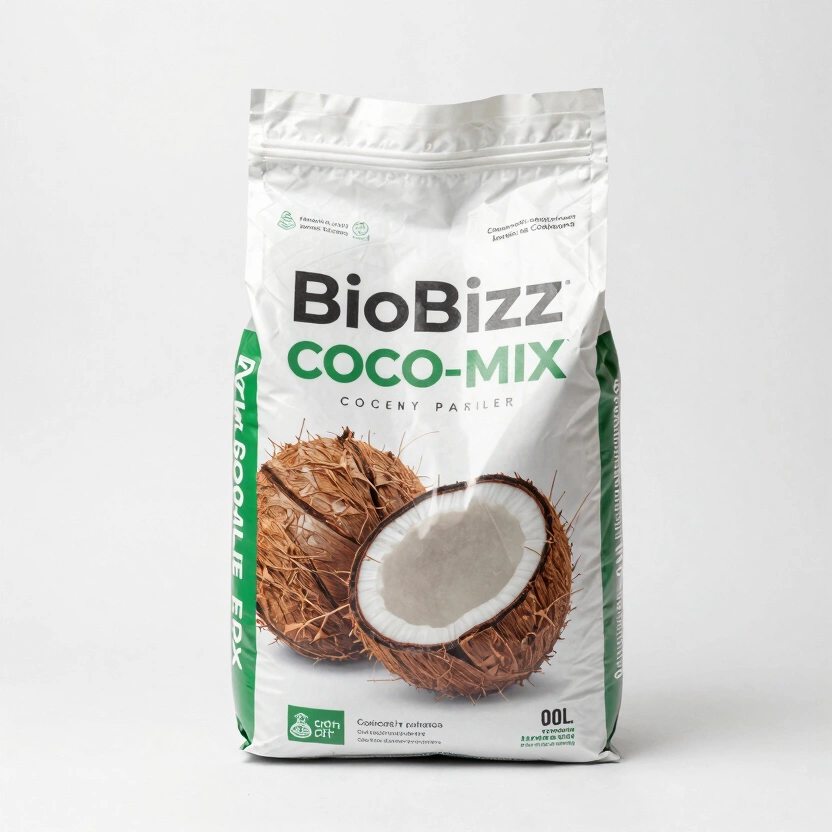
BioBizz Coco-Mix Pure Coconut Fibre Substrate (100 Liters)
High-quality coconut fibre substrate, perfect for building a moisture-retentive CVG mix.
Check Price on Amazon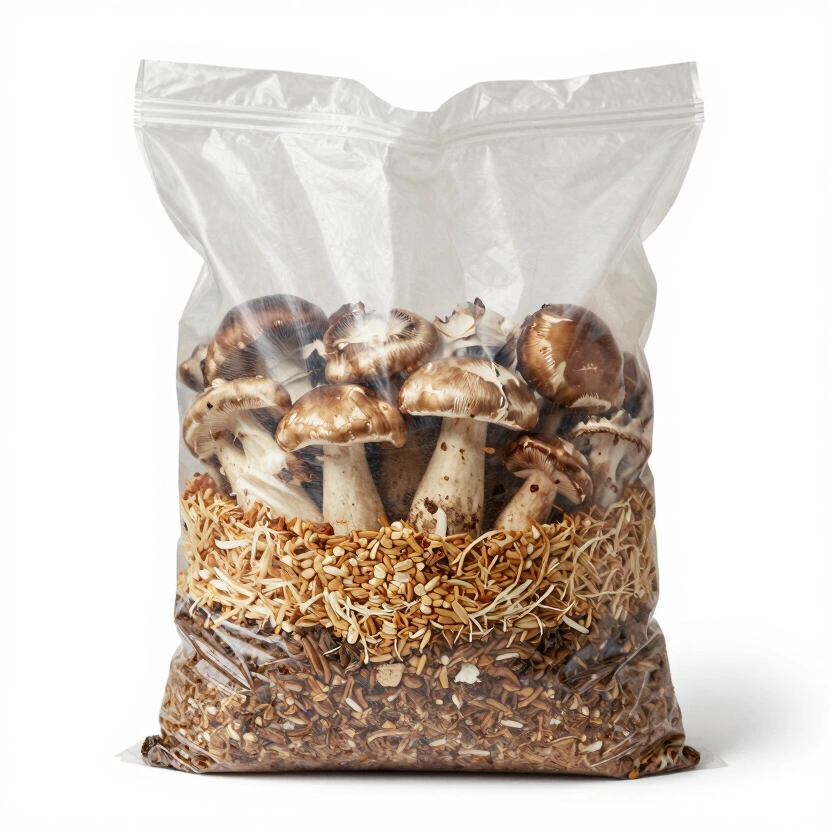
Superior Dung-Loving Mushroom Substrate & Milo Grain 6lb All-in-One Bag
Pre-sterilized all-in-one grow bag with coir, vermiculite, and gypsum formula.
Check Price on Amazon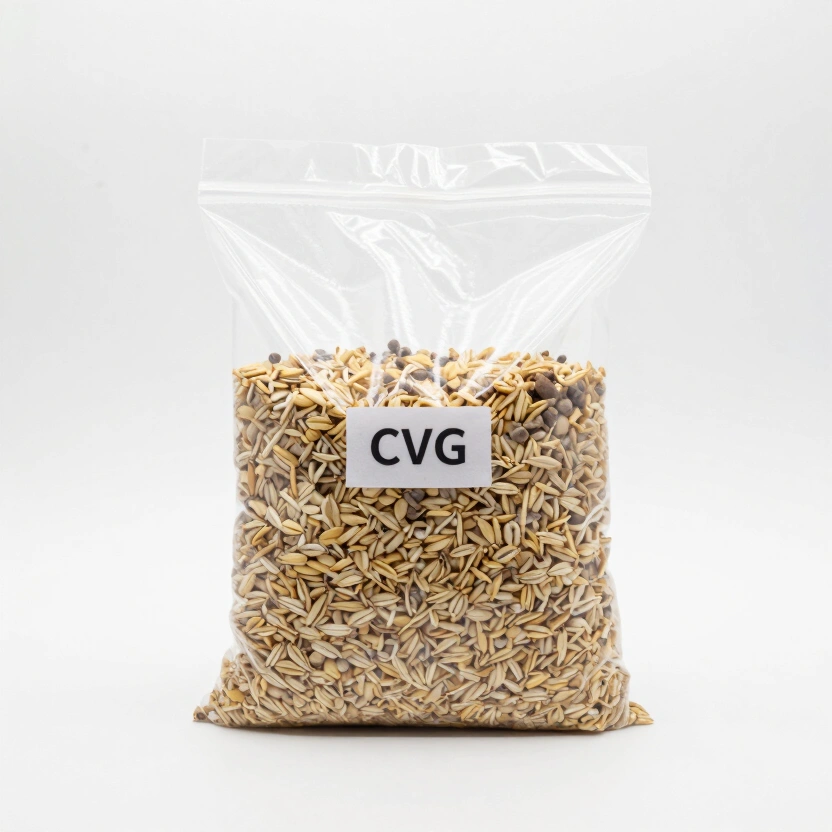
Sterilized CVG Substrate & Grain Combo Bag
All-in-one sterilized solution for effortless mushroom growing.
Check Price on Amazon* Affiliate links. Prices last updated March 6, 2026.
Physics of Prep: Hydration and Gas Exchange
Particle Size Distribution
Technical growers prefer using Pelletized raw materials. When pellets are hydrated, they expand and break down into a specific particle size distribution.
- The Rationale: If the particles are too fine (like flour), the substrate will compact, leading to anaerobic “dead zones.” The fibrous nature of soy hulls creates micro-air pockets within the block, ensuring that the oxidative processes required for compound synthesis (like Hericenones) are never oxygen-limited.
The 2.5-Hour Sterilization Rule
Because the Masters Mix is hyper-nutritive, a standard 90-minute sterilization cycle is insufficient.
- The Technical Protocol: You must hold the core of the blocks at 15 PSI (121°C) for a minimum of 150 minutes (2.5 hours).
- The Warning: Do not exceed 3 hours. I ruined an entire batch of 12 blocks by accidentally running my Presto at 17 PSI for 3.5 hours—every block came out dark brown, and the mycelium barely colonized 30% before stalling completely. Over-sterilizing causes the Maillard Reaction to run rampant, bonding your sugars and proteins into indigestible complexes and potentially creating toxic furfurals that inhibit mycelial growth.
Troubleshooting the Masters Mix
| Symptom | Diagnosis | Solution |
|---|---|---|
| “Sweet/Fermented” Smell | Anaerobic Rot | Reduce hydration by 5%; check for “burst” pellets that clumped together. |
| Orange/Red Metabolites | Heat Stress | Your room is too warm. Masters Mix generates 5-8°F of internal heat. Lower ambient temp to 65°F. |
| Rapid Green Mold (Trich) | Sterilization Failure | Ensure your PC hits 15 PSI and hold for the full 2.5 hours. Check gauge calibration. |
| Thin, Grey Mycelium | Low Nitrogen | Verify the source of your soy hulls. I traced one batch of anemic growth to a pallet of hulls that had been hexane-extracted for oil production—the processing had stripped out most of the available amino acids. Ensure they haven’t been “de-fatted” or chemically treated. |
Source non-de-fatted soybean hull pellets and hardwood pellets, mix your first 50/50 batch at 60% hydration, run the squeeze test, and sterilize at 15 PSI for exactly 150 minutes—then compare your Biological Efficiency against your previous substrate to see the difference the Masters Mix makes.
Frequently Asked Questions
Can I substitute soybean meal for soybean hulls in the Masters Mix?
No. Soybean meal is the crushed interior of the bean—extremely high in nitrogen and protein. At a 50% ratio, it will cause the block to overheat through thermogenesis and kill the mycelium within days. Soybean hulls are the fibrous outer skins with a balanced C:N profile. They are the only soy product suitable for the 50/50 Masters Mix formula.
Which hardwood pellet species works best for Masters Mix?
Oak is the professional favorite due to its density and high lignin content, but any clean hardwood pellet—Maple, Beech, Birch, or Alder—produces excellent results. Avoid softwood pellets (Pine, Fir, Cedar) entirely. Their terpenes and resins are actively antifungal and will stall or kill mycelial growth. Always confirm the pellet label specifies 100% hardwood with no softwood blending.
Why are my Masters Mix blocks turning dark brown during sterilization?
You are seeing the Maillard Reaction—sugars and proteins caramelizing under excessive heat. A slight tan-to-light-brown shift is normal. Dark muddy brown means you over-sterilized (exceeded 3 hours) or your pressure cooker is running above 17 PSI. Calibrate your gauge, time precisely, and aim for 150 minutes at exactly 15 PSI.
Can I pasteurize Masters Mix with the Bucket Tek instead of pressure cooking?
Absolutely not. Bucket Tek is atmospheric pasteurization suitable only for low-nutrient substrates like CVG or plain straw. Masters Mix is too nitrogen-rich—pasteurization temperatures cannot kill dormant Bacillus endospores hiding in the soy hulls. Within 48 hours of using Bucket Tek on Masters Mix, you will have a solid block of green Trichoderma or foul-smelling bacteria. Pressure sterilization at 15 PSI is non-negotiable.
Does Masters Mix improve Oyster mushroom yields compared to plain straw?
Yes. Cap thickness and total yield both increase significantly on Masters Mix versus straw for Blue Oyster and King Oyster. For commercial production of these species, Masters Mix is the industry standard substrate. The exception is Pink Oyster, which fruits so rapidly that the extra nutrition of Masters Mix is not fully utilized—plain straw at a fraction of the cost is often the smarter economic choice for that species.
Related Articles
Top Mushroom Cultivation Techniques: A Technical Efficiency Comparison
Monotub, Bucket Tek, or PF Tek? A side-by-side comparison using Biological Efficiency and yield per square foot to find the best method for your space.
The Ultimate Mushroom Substrate Guide: Engineering High-Yield Growth Media
Not all substrates work for all species. C:N ratios, pH buffering, moisture content, and specific recipes matched to the mushrooms you're actually growing.
Shiitake Mushroom Mastery: Engineering the Browning and Cold Shock Process
Shiitake cultivation hinges on the browning phase most growers rush through. Cold shocking, donko vs. koshin grades, and sawdust block optimization.