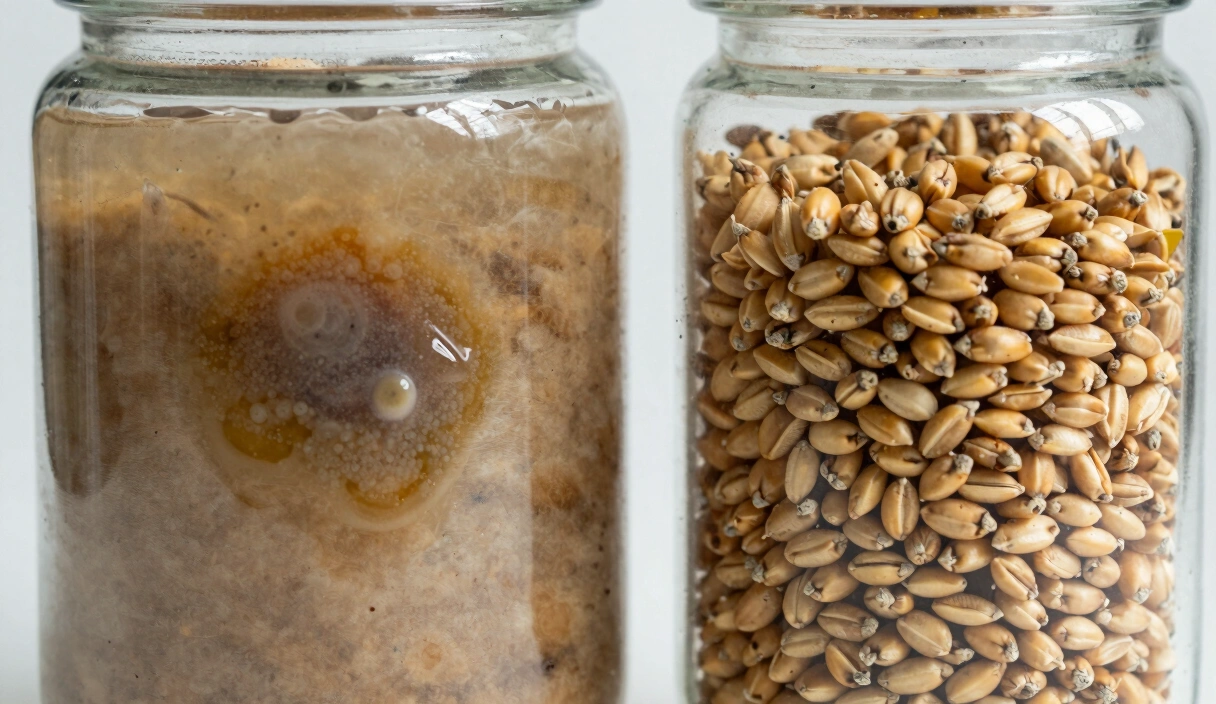
Bacterial Contamination: Technical Diagnosis of the Wet Spot and Sour Rot
That sour smell in your grain jar is Bacillus subtilis — and its endospores survived your pressure cooker. How wet spot happens and how to stop it.
Contents
Why does your grain smell like sour beer? You followed the sterilization protocol, you hit 15 PSI, and the jar looked perfectly clean when you inoculated it. Ten days later, the mycelium is stalling in patches and there is a faint vinegar tang when you crack the lid. That is not a fungal competitor. That is Bacillus subtilis—and it was already in your grain before you ever turned on the pressure cooker.
Bacterial contamination in mushroom cultivation, known colloquially as “Wet Spot” or “Sour Rot,” is a failure of sterilization physics, not sterile technique. Unlike fungal competitors that announce themselves with colorful sporulation, bacteria operate as a translucent metabolic weight. They slow colonization, induce hypoxic stress in the mycelium, and survive standard pressure cooking cycles through the production of heat-resistant Endospores.
Eliminating Bacillus requires understanding the thermodynamics of the endospore and the mechanical necessity of the 24-hour hydration soak.
The Biology of the Survivor: The Heat-Resistant Endospore
The primary reason Bacillus subtilis is the nemesis of mycologists is its ability to enter a cryptobiotic state. When environmental conditions become harsh (such as during the drying of grain), the bacteria create an Endospore—a stripped-down, dormant cell with a highly resilient protein coat.
1. Thermal Death Time (TDT)
A vegetative bacterial cell dies instantly at 176°F (80°C). An endospore, however, can survive boiling water for hours.
- The 15 PSI Standard: At 250°F (121°C), the TDT for Bacillus endospores is approximately 15–20 minutes.
- The Matrix Problem: In a quart jar packed with grain, the center of the jar may take 40 minutes to reach 121°C. Picture the inside of that jar: dense, packed kernels with tiny air pockets between them, steam slowly working its way inward while a pocket of endospores at the exact center sits untouched for the first half-hour. This is why a 90-minute cycle is mandatory. If the grain is too dry or clumped, the endospores in the core can survive, leading to a “mysterious” outbreak 10 days after inoculation.
2. The Germination Trigger (The 24-Hour Soak)
Technical growers utilize a biological “trick” to kill Bacillus. By soaking grain in room-temperature water for 12 to 24 hours before sterilization, you signal to the endospores that conditions are favorable.
- The Transition: The spores germinate into their vegetative form.
- The Result: Once vegetative, the bacteria are extremely fragile. The subsequent pressure cooking cycle kills 100% of the population within the first few minutes of reaching pressure.
Clinical Diagnosis: Sour Rot vs. Healthy Mycelium
Bacterial contamination is often subtle. You must look for changes in the Metabolic Signature of the jar.
1. The Olfactory Test
Healthy mushroom mycelium smells like fresh earth or forest rain. Bacillus contamination produces a distinct, nauseating odor.
- Sour Rot: A sharp, vinegary smell caused by the production of acetic and lactic acids.
- Dirty Gym Socks: A common description for the advanced stages of Bacillus fermentation.
2. Visual Indicators: The “Glistening” Grain
- Biofilm Formation: If the grain kernels appear excessively wet or “slimy” despite being correctly hydrated, you are seeing a bacterial Biofilm. The bacteria have coated the grain in a polysaccharide matrix that prevents the mushroom mycelium from making direct contact with the nutrients.
- The “Press” Effect: If the mycelium grows up to a certain point and then stops in a perfectly straight line (a “dead zone”), it has encountered a bacterial colony. Hold the jar up to a window and look carefully at that boundary line—you can sometimes see a faint yellowish haze on the grain side of the border where metabolic acids have leached into the uncolonized zone. The mushroom hyphae are being chemically repelled by bacterial metabolites.
Contamination-Resistant Spawn Tools
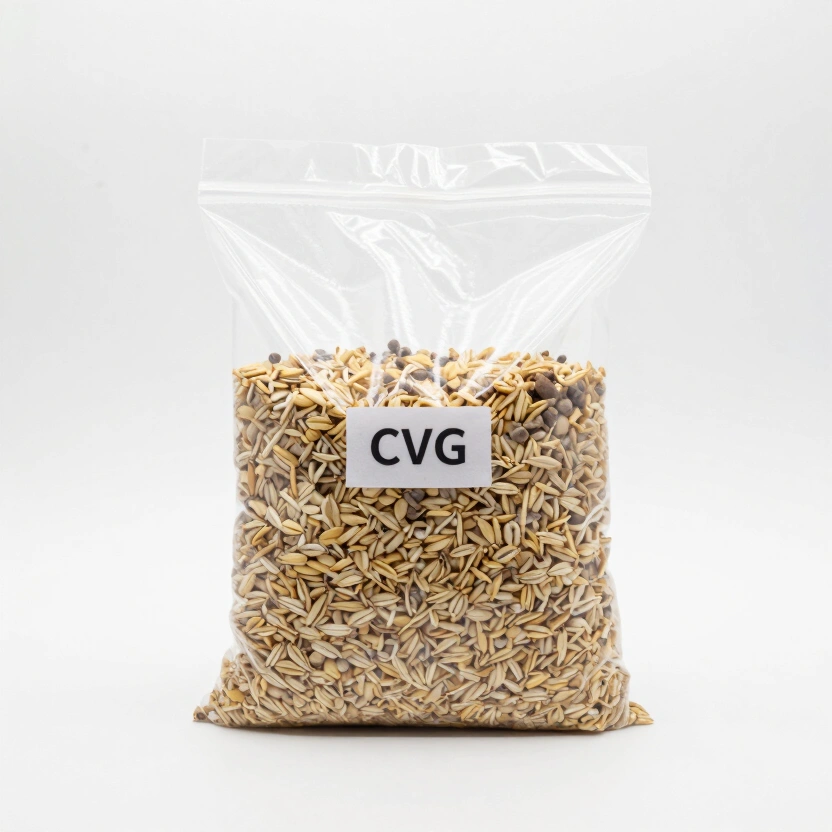
Sterilized CVG Substrate & Grain Combo Bag
All-in-one sterilized solution for effortless mushroom growing.
Check Price on Amazon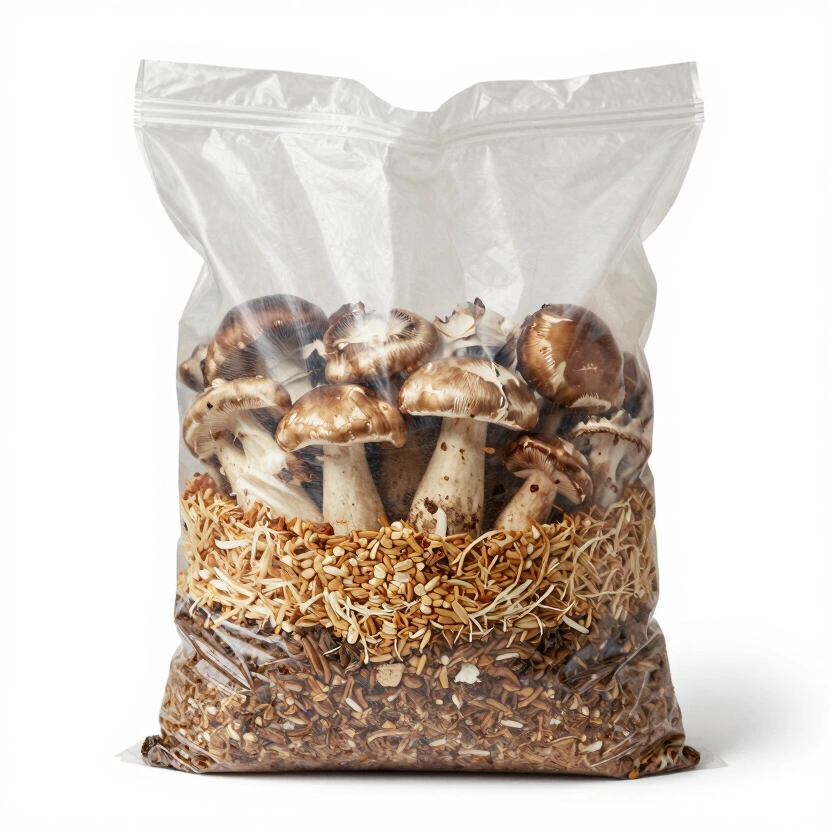
Superior Dung-Loving Mushroom Substrate & Milo Grain 6lb All-in-One Bag
Pre-sterilized all-in-one grow bag with coir, vermiculite, and gypsum formula.
Check Price on Amazon
Horticultural Vermiculite Fine (5L)
pH-neutral mineral substrate for optimal moisture retention in mushroom mixes.
Check Price on Amazon* Affiliate links. Prices last updated March 6, 2026.
The Chemistry of Failure: Surface Moisture Physics
Bacteria require a liquid medium to move and reproduce.
- The Liquid Bridge: If your grain spawn has excess surface moisture (it looks “glistening” or “greasy”), you have created a liquid bridge between the kernels. This allows motile bacteria to swim across the entire jar in hours.
- The Technical Fix: Grains must be Surface Dry before they enter the jar. After simmering, spread your grains on a screen until a paper towel pressed against them comes back dry. The goal is “Core Hydration” (moisture inside the grain) but “Surface Desiccation” (dryness on the outside).
Advanced Troubleshooting: Bacterial Blotch (Pseudomonas)
While Bacillus kills your grain jars, Bacterial Blotch (Pseudomonas tolaasii) kills your fruiting bodies.
- Symptoms: Sunken, brown, slimy lesions on the caps of Oyster or Lion’s Mane mushrooms.
- The Cause: High humidity (>95%) combined with stagnant air. If water droplets sit on the cap for more than 4 hours, Pseudomonas blooms.
- Technical Fix: Increase your Fresh Air Exchange (FAE) and ensure that your humidifier is producing a fine mist, not heavy droplets. Look at your fruiting clusters after a misting cycle—if you can see individual water beads sitting on the caps like dew on a car hood, your droplet size is too large and you are creating a bacterial playground.
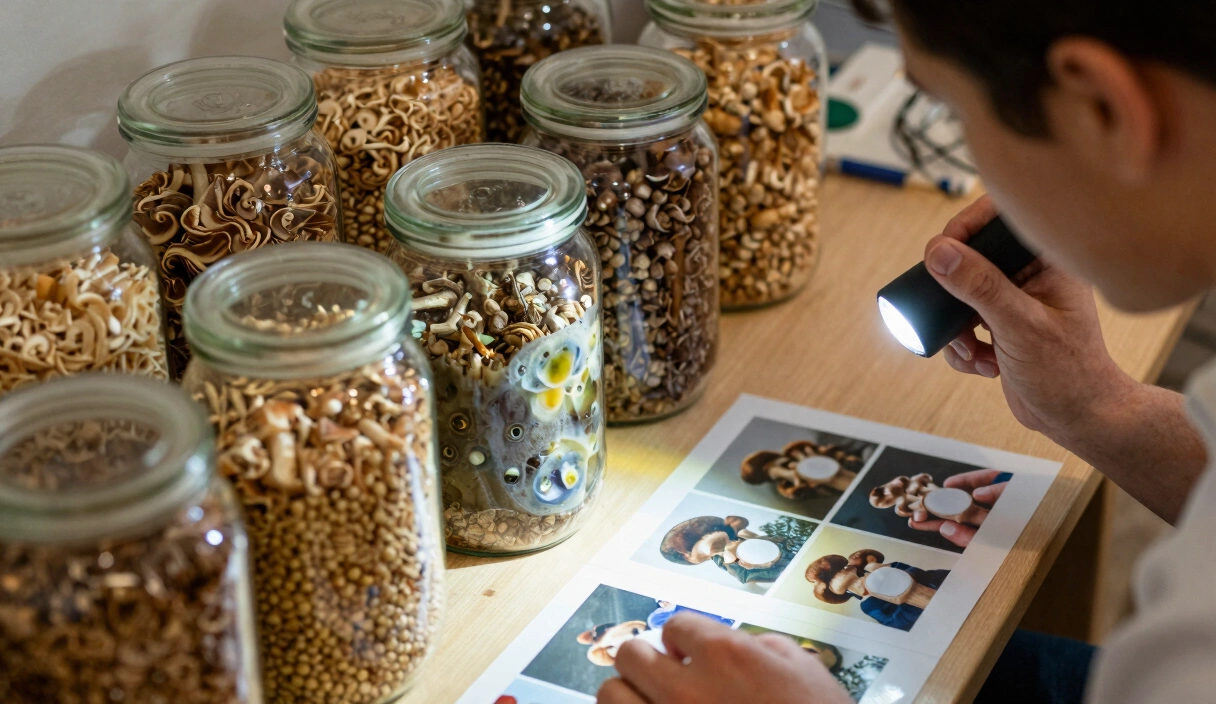
Switch to the 24-hour grain soak method for your next batch, verify your pressure cooker gauge reads true 15 PSI with a calibration test, and use the paper towel dryness check from our grain spawn guide before loading a single jar.
Frequently Asked Questions
Can I save a grain jar that has a small wet spot in one area?
No. Unlike fungal contamination that strong mycelium can sometimes wall off, bacteria produce mobile toxins and organic acids that spread through the jar’s moisture film. Even if the mycelium eventually covers the visible wet patch, the grain underneath will be sour and the spawn will either fail to fruit or contaminate your bulk substrate at spawn-to-bulk. Discard the jar immediately.
Why is the 24-hour grain soak important if I am already pressure cooking at 15 PSI?
The soak germinates dormant Bacillus endospores into their vulnerable vegetative form. Endospores can survive 15 PSI for up to 20 minutes inside a dense grain matrix. Vegetative cells die within seconds at those temperatures. The soak is not about hydration alone—it is a biological trick that converts the toughest survivors into easy targets before the pressure cooker ever turns on.
Does adding Gypsum to grain spawn help prevent bacterial contamination?
Indirectly, yes. Gypsum acts as an anti-clumping agent that keeps individual kernels separated, maintaining the interstitial air gaps between grains. Better gas exchange favors the aerobic mushroom mycelium over facultative or anaerobic bacteria that thrive in oxygen-depleted pockets. At 1-2% by dry weight, gypsum is cheap insurance.
Can I use antibiotics to rescue a contaminated mushroom culture?
In a laboratory context, yes. Transfer a small piece of mycelium from the contaminated plate to antibiotic agar supplemented with Gentamicin or Chloramphenicol. The antibiotic inhibits bacterial growth while allowing the mycelium to expand clean. This technique is reserved for rescuing rare or irreplaceable genetics—not for routine grain spawn production.
How do I tell the difference between bacterial Sour Rot and Lipstick Mold?
Sour Rot is bacterial—diagnosed by sour/vinegar smell, slimy grain texture, and no visible fuzzy growth. Lipstick Mold (Geotrichum candidum) is fungal—identified by bright red or pink fuzzy spots on the grain surface. Both indicate sterilization failure or over-hydration, but they require different diagnostic and prevention approaches. Smell is the fastest differentiator: bacteria smell sour, molds smell sweet or musty.
Related Articles
Oats vs. Rye vs. Millet: The Technical Guide to Mushroom Grain Spawn
Oats, rye, or millet? Each grain has different starch exposure, inoculation points, and colonization speed. Here's which one to use and why.
The Ultimate Mushroom Substrate Guide: Engineering High-Yield Growth Media
Not all substrates work for all species. C:N ratios, pH buffering, moisture content, and specific recipes matched to the mushrooms you're actually growing.
Enoki Mushroom Mastery: Engineering Morphology and Cold-Weather Yields
Wild enoki looks nothing like the white supermarket version. How to grow Flammulina velutipes at home using cold shocking and CO2-driven stem elongation.